

 English
  عربى
عربى  Español
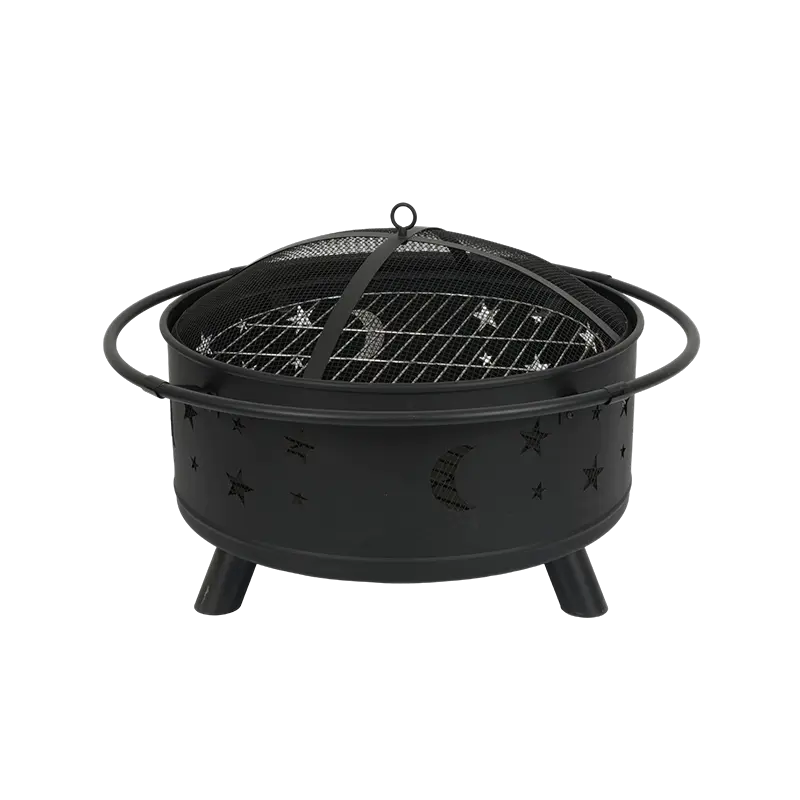
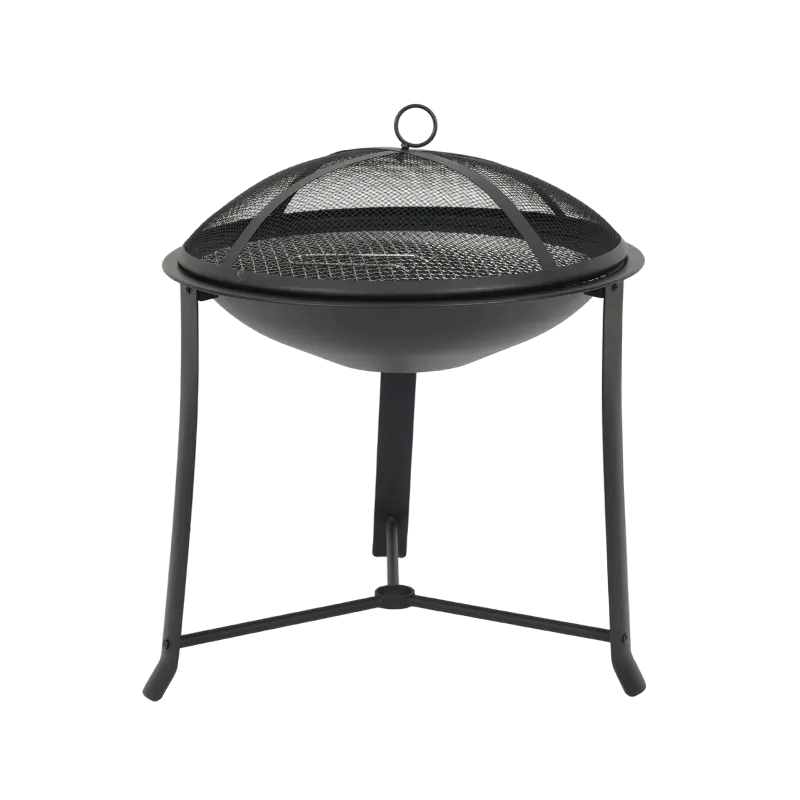
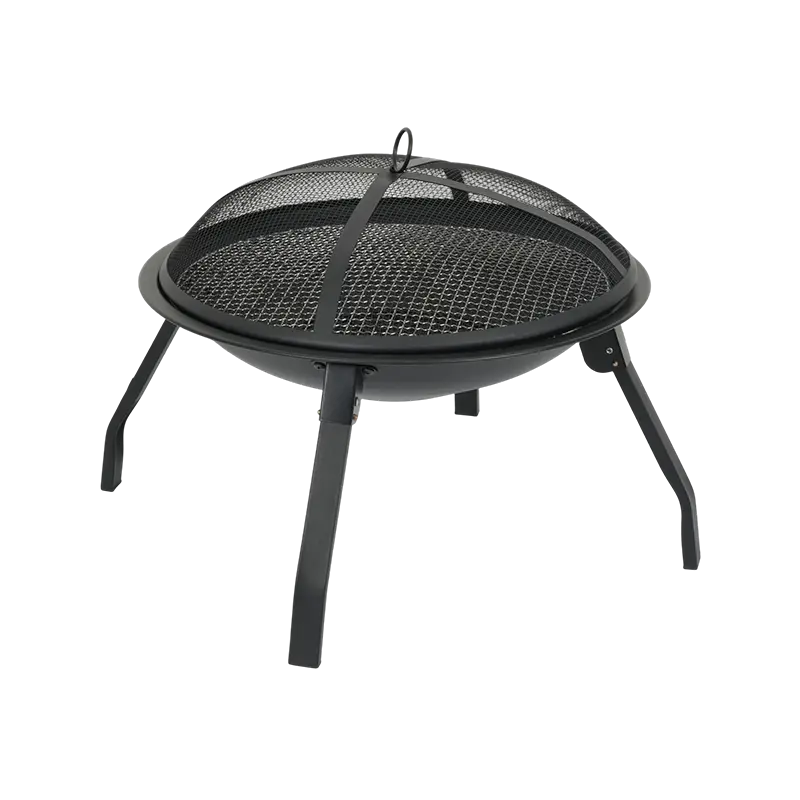
Steel Barbecue Fire Pit Prone to Rust?
A Steel Barbecue Fire Pit is valued for strength and heat resistance, but rust is a common concern, especially in outdoor environments. Whether rust develops depends on material quality, surface treatment, and daily use habits.
- Why rust occurs: Steel reacts with moisture and oxygen, particularly when exposed to rain, humidity, or ground contact.
- Material differences: Thicker steel and weathering steel resist corrosion better than thin, untreated steel sheets.
- Surface coatings: Powder coating, high-temperature paint, or oil-treated finishes significantly slow rust formation.
- Usage impact: Leaving ash and moisture inside the pit accelerates corrosion over time.
- Environmental factors: Coastal or rainy regions increase the likelihood of rust without proper protection.
Rust is not unavoidable, but it requires consistent care to prevent long-term damage.
How Can You Prevent Rust Effectively?
Proper maintenance greatly extends the lifespan of a Steel Barbecue Fire Pit, even in challenging outdoor conditions.
- Regular cleaning: Remove ash and debris after each use to prevent moisture retention.
- Dry storage: Keep the fire pit covered or stored in a dry area when not in use.
- Protective coatings: Reapply heat-resistant paint or oil coatings when surface wear appears.
- Ground isolation: Use stands or pads to prevent direct contact with damp soil or grass.
- Seasonal inspection: Check welds and joints periodically for early signs of corrosion.
These simple steps help maintain both appearance and structural integrity.
How Is a Garden Fire Pit Grill Different?
A Garden Fire Pit Grill differs from a traditional garden barbecue mainly in versatility and overall function, combining warmth and cooking in one unit.
Dual-purpose design: It functions as both a heat source and a cooking surface, unlike standard grills focused only on food.
Open fire experience: Fire pit grills often allow visible flames, creating a social atmosphere.
Fuel flexibility: Many models support wood or charcoal, while traditional grills usually rely on charcoal only.
Cooking style: Fire pit grills suit slow roasting and grilling, whereas traditional grills focus on direct heat cooking.
Visual appeal: Fire pit grills often serve as a centerpiece in garden design.
Traditional garden grills are more cooking-focused, while fire pit grills enhance outdoor ambiance.
What Are the Advantages and Limits?
Understanding the strengths and weaknesses helps users choose between a fire pit grill and a conventional grill.
1. Advantages:
- Provides warmth during cool evenings
- Encourages social interaction
- Supports varied cooking methods
2. Limitations:
- Requires more space
- Heat control may be less precise
- Open flames need greater safety awareness
- The choice depends on whether ambiance or pure cooking efficiency is the priority.
How to Ensure Ventilation Safety on Patios?
Using a Patio Fire Pit Grill safely requires careful attention to ventilation, especially in semi-enclosed patio areas.
- Open-air placement: Always position the grill in well-ventilated, open spaces.
- Clearance distance: Maintain safe distances from walls, ceilings, and flammable materials.
- Wind direction awareness: Place the grill where smoke can disperse naturally.
- Stable airflow: Avoid using fire pit grills in fully enclosed patios or under low roofs.
- Supervised use: Never leave the grill unattended while burning.
Good ventilation reduces smoke buildup and lowers fire and health risks.
Why Safety Planning Matters?
Proper care, correct product selection, and safe usage practices ensure long-term enjoyment of outdoor fire features.
- Material care: Prevents rust and structural weakening.
- Design understanding: Helps match the product to garden or patio needs.
- Ventilation awareness: Protects users and property from hazards.
- Long-term value: Well-maintained fire pit grills last longer and perform better.

