
 English
  عربى
عربى  Español
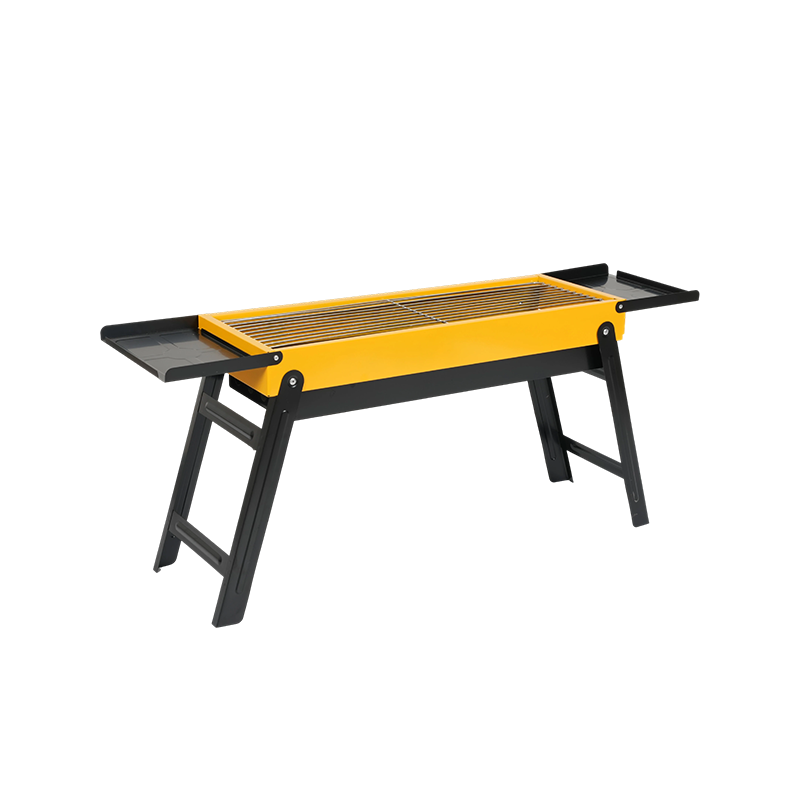
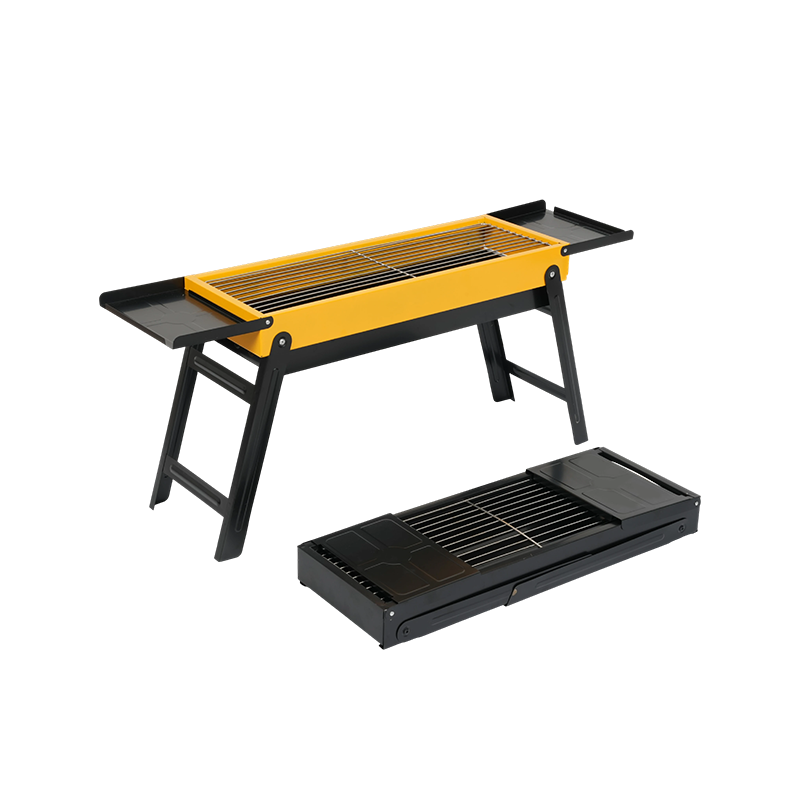
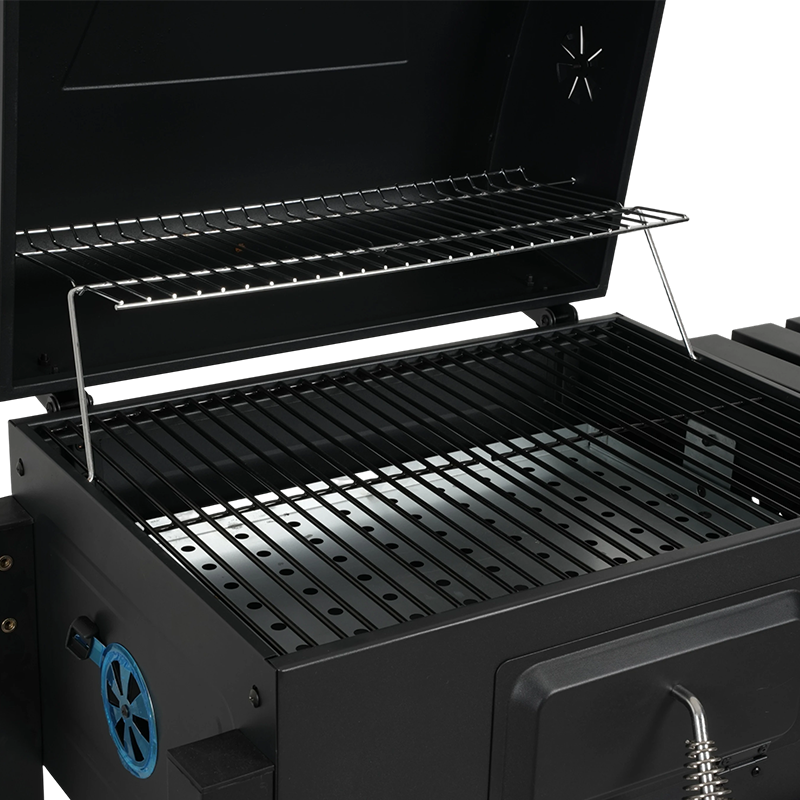
This American-style trolley-mounted charcoal grill is designed for garden and patio barbecue enthusi...

Optimizing Heat and Safety on Collapsible Charcoal BBQ
Author: Admin
Date: Jan 12,2026
Understanding the Collapsible Charcoal BBQ
- The Garden Charcoal Grill has become a popular choice for backyard enthusiasts and outdoor cooking lovers due to its simplicity, portability, and authentic charcoal flavor.
- Compact designs like the Portable Charcoal Grill Stand allow users to set up a grill in gardens, patios, or even while camping.
- However, two primary concerns frequently arise: heat distribution and safe usage practices.
- This article provides an in-depth exploration of how heat patterns affect cooking performance and what precautions should be taken to ensure safe and effective use of a Collapsible Charcoal BBQ.
Heat Distribution Fundamentals
- Understanding Charcoal Combustion
- Charcoal burns by converting chemical energy into heat energy through controlled combustion.
- Uniform combustion is crucial for achieving even temperatures across the cooking surface of a Garden Charcoal Grill.
- Factors influencing combustion include the type of charcoal, air circulation, and grill design.
- Effect of Tray Placement
- The Portable Charcoal Grill Stand often includes a single tray or multiple stacked layers for charcoal.
- Uneven placement can cause hot spots directly above dense charcoal piles and cooler zones at the edges.
- Suitable tray leveling ensures that heat radiates uniformly to all sections of the grill surface.
- Role of Grill Materials
- Grates and surfaces made of stainless steel, cast iron, or coated metals conduct heat differently.
- Stainless steel heats quickly but cools rapidly once the charcoal burns down.
- Cast iron retains heat longer, promoting more consistent cooking, but requires seasoning and care to prevent rust.
- Impact of Collapsible Design
- Collapsible grills introduce joints and hinges, which can slightly disrupt heat flow.
- Proper design reduces gaps and ensures that folding mechanisms do not allow significant heat loss.
- Preheating the grill can help achieve even temperatures across the cooking surface despite collapsible joints.
Heat Distribution and Cooking Performance
1. Influence on Meat Texture
- Uneven heat leads to inconsistent cooking results.
- Thick cuts, such as steaks or pork chops, require steady, high heat to sear the exterior while maintaining a juicy interior.
- Cooler zones may leave parts of the meat undercooked if the charcoal is not properly distributed.
2. Searing and Browning
- Maillard reactions, which create the signature crust and flavor on meat, require high and consistent heat.
- Hot spots can overheat small portions, while cooler areas may fail to develop a proper crust.
- Using a Collapsible Charcoal BBQ with two-zone heat setups helps manage searing and slower cooking simultaneously.
3. Grill Marks and Presentation
- Even heat distribution ensures visually appealing grill marks and uniform browning.
- Uneven grates or improperly spaced charcoal can result in irregular patterns, affecting presentation.
4. Indirect vs. Direct Cooking Zones
- Direct heat zones are ideal for searing, while indirect zones allow for slower cooking of larger cuts or vegetables.
- Users of a Portable Charcoal Grill Stand should arrange charcoal to maintain both zones effectively.
Achieving Suitable Heat Distribution
- Charcoal Quality and Size
Lump charcoal burns hotter and more evenly than briquettes with fillers.
Uniform size helps achieve a stable heat bed.
- Charcoal Arrangement Techniques
Spread coals evenly for uniform heat or create a two-zone layout for multi-level cooking.
Adjust the charcoal amount based on cooking duration and food type.
- Preheating and Lid Management
Preheating allows metal components to reach thermal equilibrium.
Closing the lid traps heat and encourages even convection currents across the grill surface.
- Use of Heat Diffusers
Diffuser plates or metal sheets can be placed between charcoal and food to distribute heat evenly.
Particularly useful for collapsible designs where gaps at joints may slightly disrupt airflow.
- Monitoring with Thermometers
Infrared or probe thermometers provide real-time surface temperature readings.
Adjusting charcoal placement, vents, or lid position based on temperature ensures consistent cooking.
Safety Considerations for Collapsible Charcoal BBQ
1. Material Safety
Ensure the Collapsible Charcoal BBQ is made from high-quality, food-grade metals.
Avoid grills with unknown coatings that may release harmful fumes when heated.
2. Stability of the Stand
Fully extend and lock legs or support mechanisms before lighting charcoal.
A wobbly stand can tip, causing burns or fire hazards.
3. Fire Safety Practices
Always light charcoal in a well-ventilated outdoor area.
Keep a fire extinguisher, sand, or water nearby in case of flare-ups.
4. Safe Charcoal Handling
Never add lighter fluid to already hot coals, as this can cause explosions or flames.
Allow charcoal to fully ignite before placing food on the grates.
5. Proper Distance and Placement
Place the grill away from flammable surfaces, walls, or vegetation.
Maintain a safe distance to prevent accidental contact with hot metal or flames.
Maintenance and Longevity
- Cleaning After Each Use
Remove ashes and grease to prevent buildup that can obstruct airflow or cause fire hazards.
Wash grates with mild detergents and avoid abrasive chemicals that can damage coatings.
- Inspect Hinges and Collapsible Mechanisms
Check for bending, rust, or wear that may affect stability.
Apply light oil to hinges to maintain smooth folding operations.
- Preventing Rust and Corrosion
Dry the grill thoroughly before storage.
Store in a ventilated, dry area to prolong metal life.
- Routine Deep Cleaning
Remove all detachable parts periodically for thorough cleaning.
Season cast iron grates if applicable to maintain a non-stick surface and durability.
Optimizing Cooking Techniques on a Portable Charcoal Grill Stand
1. Two-Zone Cooking
- Place more charcoal on one side to create direct high heat and less on the other side for indirect cooking.
- This technique allows simultaneous searing and slow roasting.
2. Rotating Food
- Move food between hot and cooler zones for even cooking.
- Particularly important for thicker cuts of meat or poultry.
3. Managing Airflow
- Adjust vents to regulate oxygen supply to charcoal, stabilizing combustion and temperature.
- Close vents slightly for slow cooking; open fully for intense searing.
4. Using Accessories
- Heat diffuser plates, drip trays, and lid thermometers enhance safety and control.
- Accessories compensate for minor heat irregularities in collapsible grill designs.
5. Monitoring and Adjusting During Cooking
- Check food temperature regularly with a probe thermometer.
- Rearrange coals if hotspots or cool zones develop during long cooking sessions.
Benefits of Using a Portable Collapsible Garden Charcoal BBQ Grill Stand
- Convenience and Portability
- Easy to transport for garden parties, camping trips, or small backyard gatherings.
- Foldable design saves storage space.
- Authentic Charcoal Flavor
Charcoal grilling imparts the classic smoky flavor that gas grills cannot replicate.
- Versatility
Suitable for a variety of foods: steaks, chicken, fish, vegetables, and even pizzas with proper heat management.
- Safety-Oriented Design
- Collapsible mechanisms are designed with locking supports to prevent accidental collapse.
- Handles and legs remain cool enough for safe movement after moderate use.
- Cost-Effective Outdoor Cooking
A portable charcoal stand is often more affordable than larger fixed grills, while providing similar cooking capabilities.
Common Misconceptions About Collapsible Charcoal Grills
1. “Collapsible Means Unsafe”
High-quality Collapsible Charcoal BBQ designs include robust locking mechanisms and heat-resistant materials.
2. “Portable Grills Cannot Cook Evenly.”
With proper charcoal arrangement, lid management, and vent adjustments, heat can be as even as traditional fixed grills.
3. “Compact Size Limits Flavor”
Small, controlled charcoal setups often enhance flavor concentration due to proximity to heat and smoke.
Balancing Heat Performance and Safety
- A Portable Charcoal Grill Stand provides a versatile, compact solution for outdoor cooking.
- Understanding heat distribution is crucial for achieving good grilling results, including even browning, proper searing, and thorough cooking.
- Safety practices—from secure assembly to proper handling of charcoal—ensure that collapsible grills can be used effectively without risk.
- By combining smart charcoal management, careful vent adjustment, and routine maintenance, a Garden Charcoal Grill can deliver safe, flavorful, and consistent cooking experiences.
- With proper attention, a Portable Charcoal Grill Stand becomes not only a convenient tool but a reliable centerpiece for backyard gatherings and outdoor culinary adventures.
Contact Us Now
Related products
-
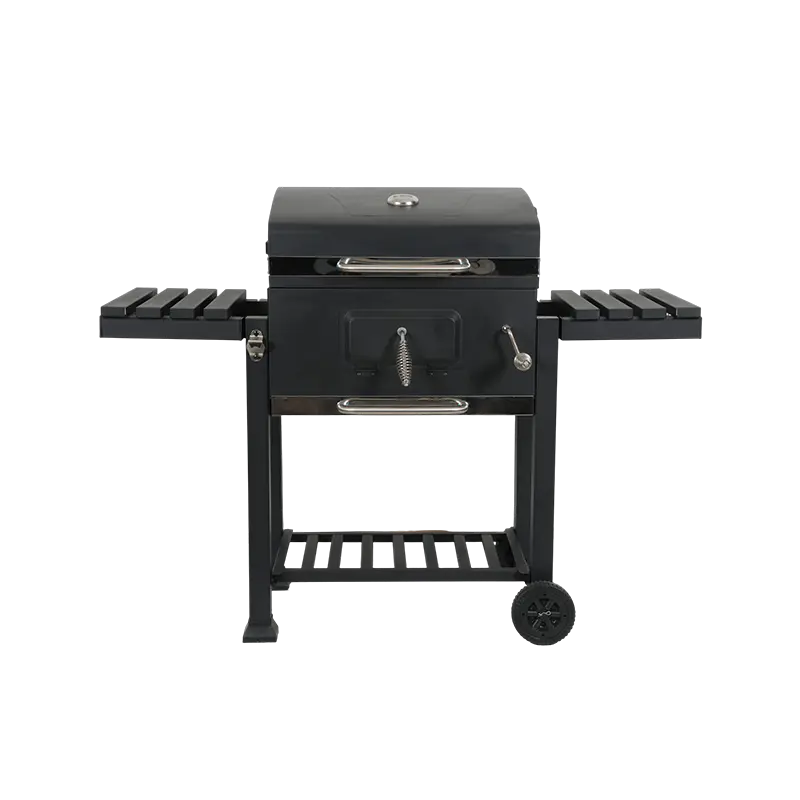 Garden Patio American Style Trolley Charcoal Smoker Grill Square Furnace
 -
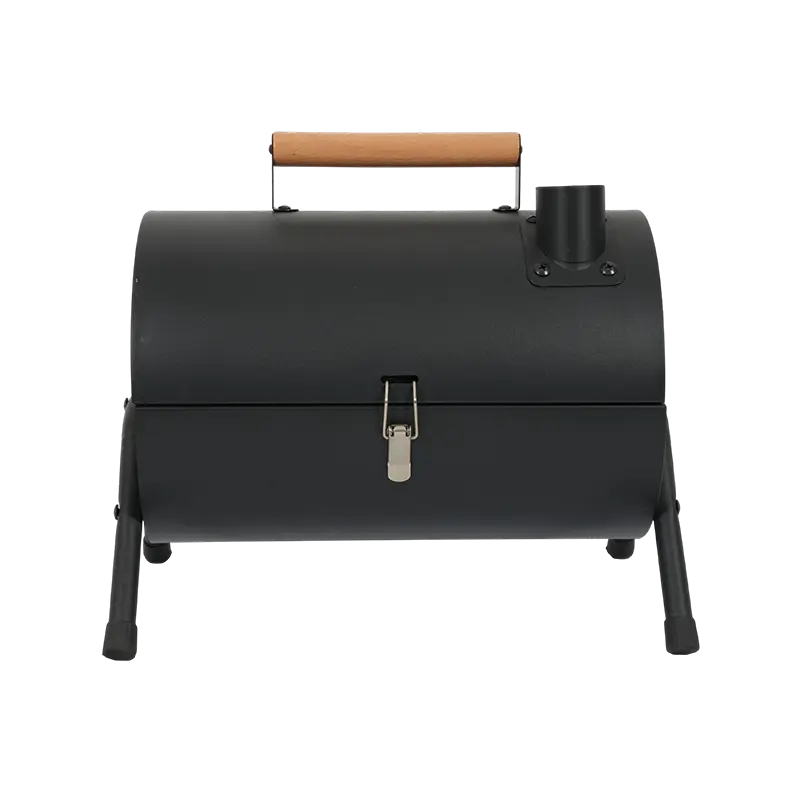 Tabletop Portable Double Sided Charcoal BBQ Grill Roaster
This compact and portable charcoal grill is designed for outdoor barbecue enthusiasts, easily handli...
-
 Multifunctional Campfire Tea Cooking Outdoor Portable Charcoal Grill
Scene Adaptability: Designed for outdoor enthusiasts, suitable for camping, picnics, caravan parties...
-
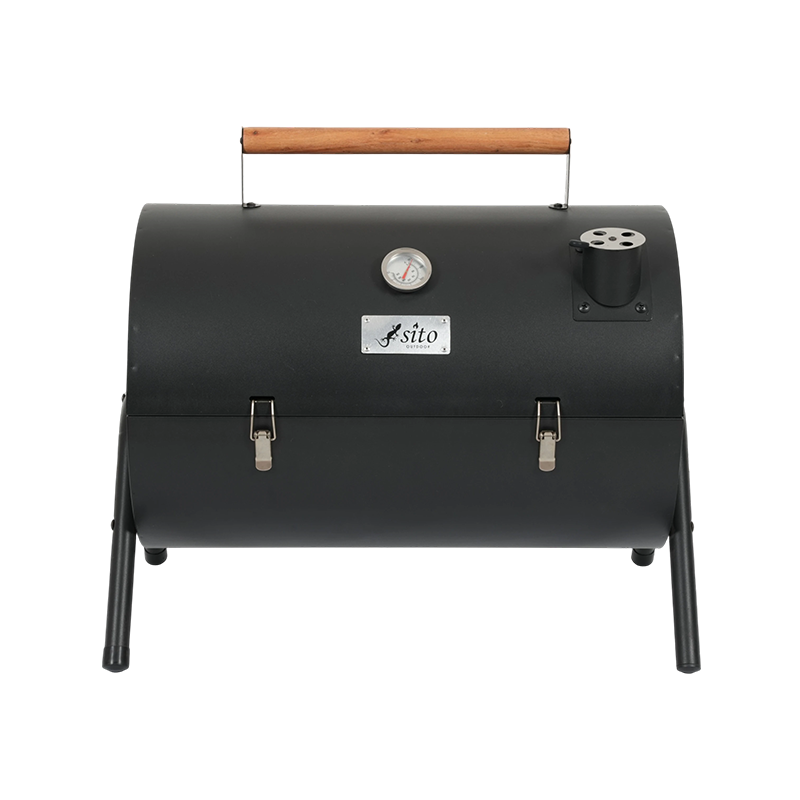 Wooden Handle Portable Tabletop Charcoal Roaster Grill
This portable grill is designed for outdoor barbecue enthusiasts and is perfect for camping trips, p...
-
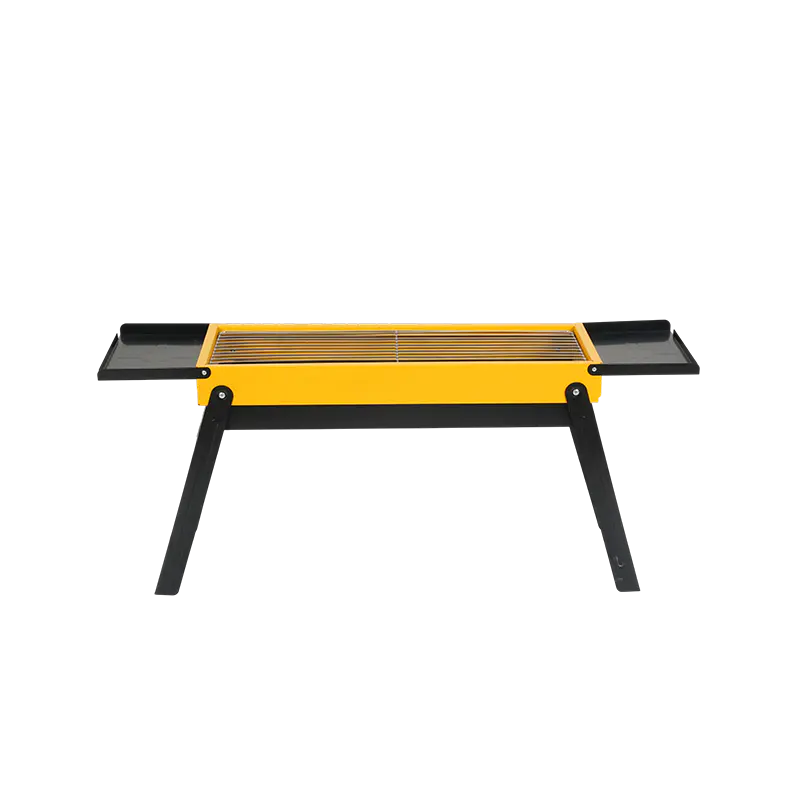 Portable Folding Outdoor Camping Charcoal Barbecue Grill
This portable, foldable outdoor camping charcoal grill is compact yet powerful, making it a great ch...
-
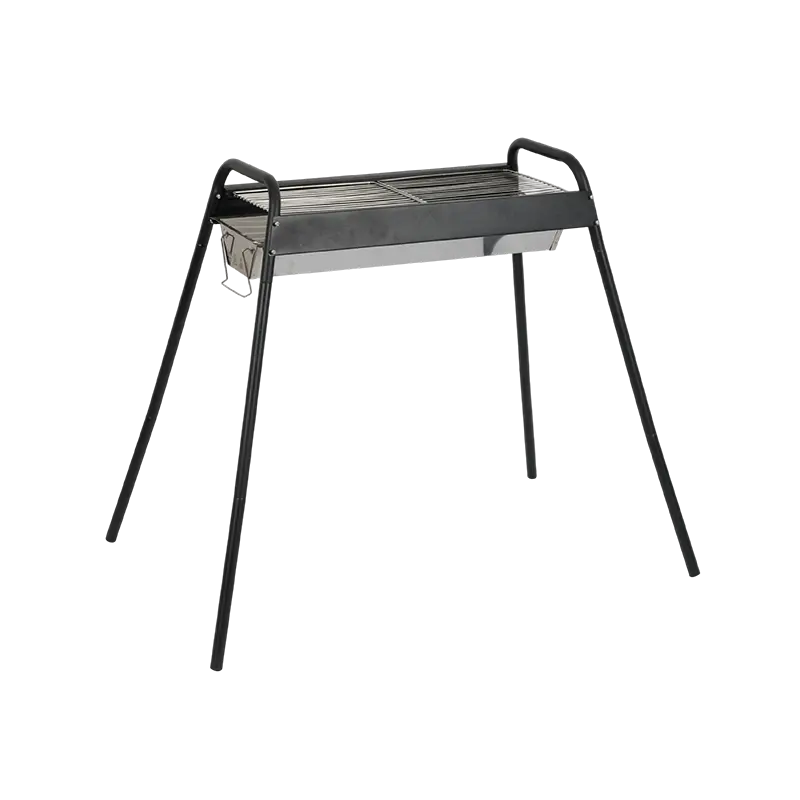 Outdoor Garden Portable Folding Charcoal Barbecue Grill
This portable, folding charcoal grill, designed specifically for outdoor BBQ enthusiasts, is perfect...

We are committed to integrity and quality, and we serve our customers with our professional oven manufacturing knowledge.
Phone: +86-13735628111
E-mail: [email protected]
Add: No.17 Ying Bin Road, Qing Xi Industry Zone, Xiang Zhu Town, Yongkang city,Zhenjiang province, China
Copyright © Yongkang Tongde Industry & Trade Co., Ltd. Rights
Reserved.

Outdoor BBQ Grill Manufacturer