
 English
  عربى
عربى  Español
This American-style trolley-mounted charcoal grill is designed for garden and patio barbecue enthusi...

How To Assess Foldable Charcoal Barbecue Grill Stability
Author: Admin
Date: Feb 06,2026
A Foldable Charcoal Barbecue Grill offers convenience for outdoor cooking, camping, and backyard barbecues. Its portability and compact design make it a popular choice for users who need a grill that is easy to transport and store. However, one of the critical factors in choosing a reliable grill is its load-bearing capacity and stability. Ensuring that the grill can safely support food, charcoal, and utensils is vital for both performance and safety. Understanding how to evaluate these aspects can help users select a high-quality foldable grill with confidence.
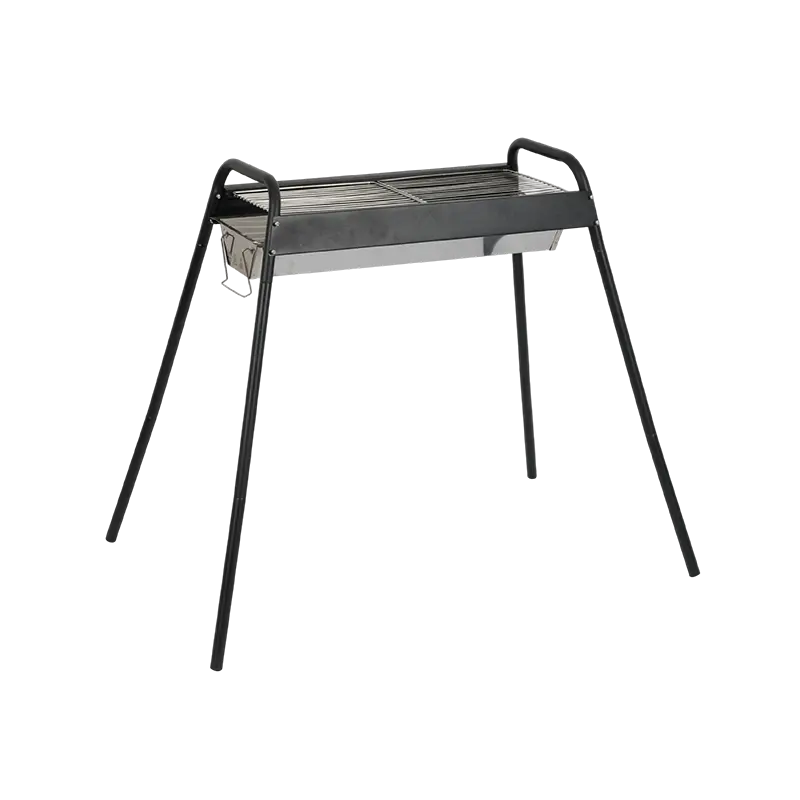
Key Factors Influencing Load-Bearing Capacity
- Material Quality
The grill’s frame and cooking surface material directly affect its ability to bear weight. Stainless steel or heavy-duty steel frames offer higher load-bearing capacity and resist deformation under heat. Lightweight aluminum or thin metal may compromise stability, especially when loaded with heavy food items. Inspecting the material thickness and construction quality is essential.
- Design and Structural Support
A well-engineered foldable grill includes crossbars, braces, or reinforced legs that distribute weight evenly. Look for grills with multiple support points, triangular leg structures, or reinforced joints. Designs that allow the legs to lock in place often provide better stability than simple folding mechanisms.
- Cooking Surface Area
Larger grills naturally need more support to handle the same weight per square inch. Check the cooking grate’s thickness and attachment method to ensure it can sustain the weight of food without sagging. Grates that rest securely on a solid frame are less likely to bend or shift during use.
How to Test Stability Before Use
1. Leg Spread and Locking Mechanism
The distance between the legs and the presence of locking pins or brackets directly influence stability. Wider leg spreads create a lower center of gravity, reducing the risk of tipping. Verify that all locking mechanisms are fully engaged before adding charcoal or food.
2. Flat Surface Placement
Always place the grill on a level, stable surface. Uneven ground can significantly compromise balance and cause tipping or spillage. Some foldable grills include adjustable feet or leveling indicators, which help ensure stability on varied terrains.
3. Hands-On Load Test
Carefully apply gradual weight to the cooking surface to assess how the grill handles pressure. Start with a moderate load and check for any wobbling, bending, or joint movement. A grill that remains stable under controlled load is likely to maintain stability during normal cooking conditions.
Maintenance Tips to Preserve Stability
- Check Screws and Bolts Regularly
Foldable grills rely on joints, screws, and hinges that can loosen over time. Regularly inspect and tighten these components to maintain structural integrity.
- Avoid Overloading
Follow the manufacturer’s recommended weight for charcoal, cooking utensils, and food. Overloading can permanently deform the frame or compromise stability.
- Protect Against Rust and Corrosion
Rust weakens metal frames, reducing load-bearing capacity. Keep the grill dry after use, apply light oil to joints if necessary, and store it in a sheltered location to prolong its life.
Practical Considerations for Users
1. Weight vs. Portability
While lighter grills are easier to carry, they may sacrifice stability and load capacity. Balance portability with structural robustness depending on your intended use.
2. Multi-Purpose Use
Some foldable grills double as fire pits or smokers. Ensure that the design can handle the additional weight and heat safely without tipping or collapsing.
3. Manufacturer Reputation
Selecting a Foldable Charcoal Barbecue Grill from a reputable manufacturer ensures higher-quality materials, better welding, and a tested load capacity. Customer reviews and product specifications can provide valuable insights.
Evaluating the load-bearing capacity and stability of a Foldable Charcoal Barbecue Grill involves examining material quality, structural design, cooking surface support, and proper use. Testing leg spread, locking mechanisms, and gradual weight application can help users ensure safety and reliability. Maintaining screws, avoiding overloading, and protecting against corrosion further enhance the grill’s performance over time. By combining careful assessment with proper maintenance and selecting grills from trusted manufacturers, users can enjoy safe, stable, and effective outdoor cooking experiences.
Contact Us Now
Related products
-
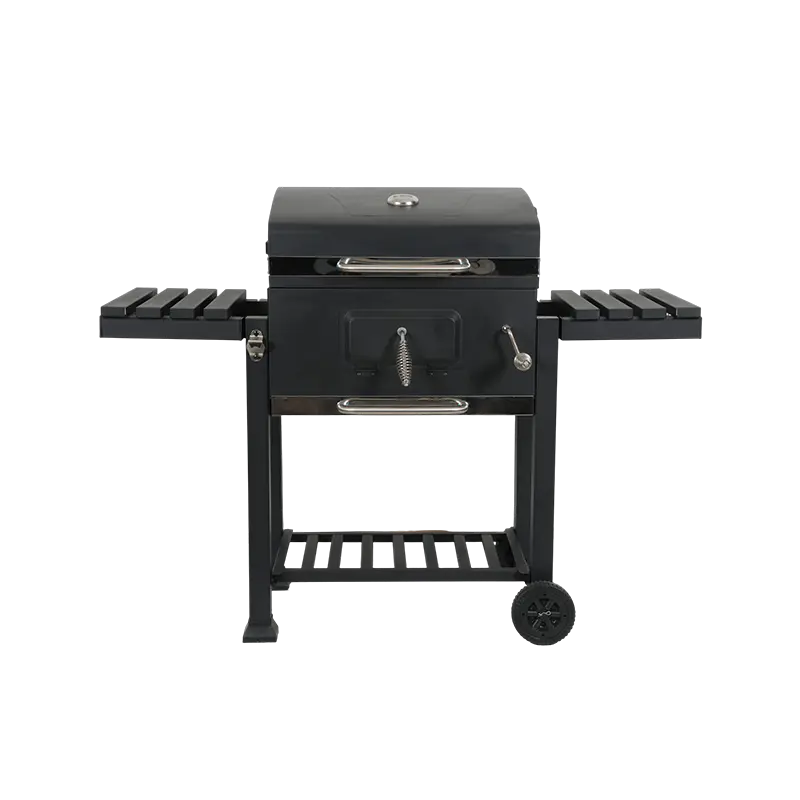 Garden Patio American Style Trolley Charcoal Smoker Grill Square Furnace
 -
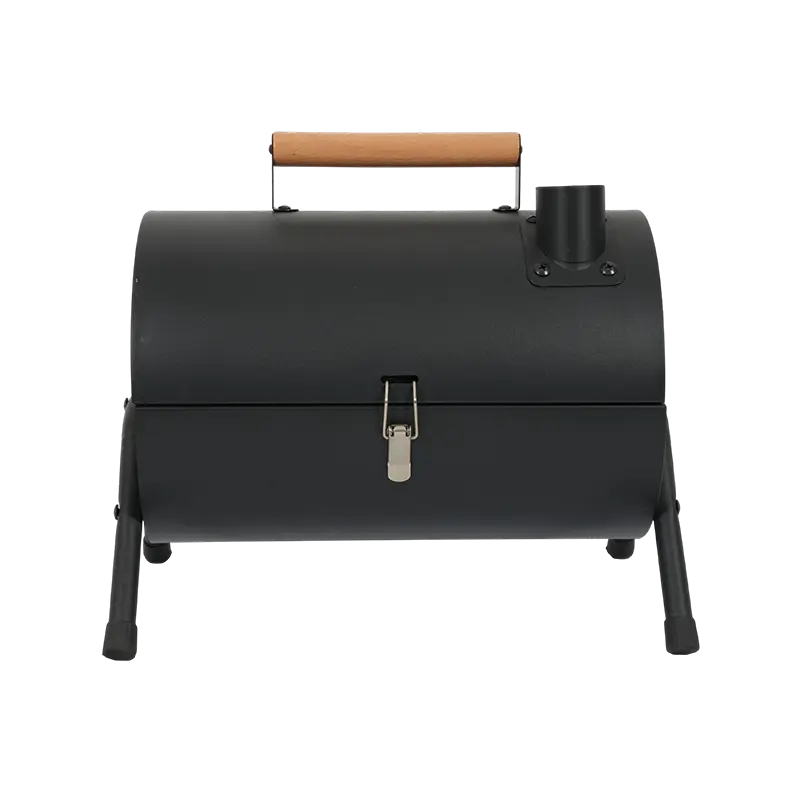 Tabletop Portable Double Sided Charcoal BBQ Grill Roaster
This compact and portable charcoal grill is designed for outdoor barbecue enthusiasts, easily handli...
-
 Multifunctional Campfire Tea Cooking Outdoor Portable Charcoal Grill
Scene Adaptability: Designed for outdoor enthusiasts, suitable for camping, picnics, caravan parties...
-
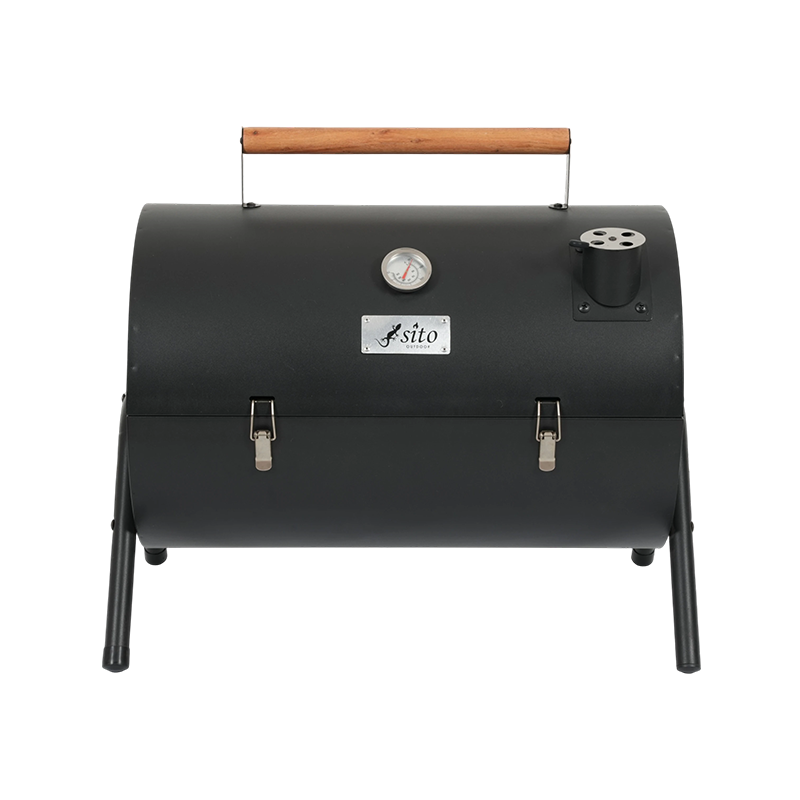 Wooden Handle Portable Tabletop Charcoal Roaster Grill
This portable grill is designed for outdoor barbecue enthusiasts and is perfect for camping trips, p...
-
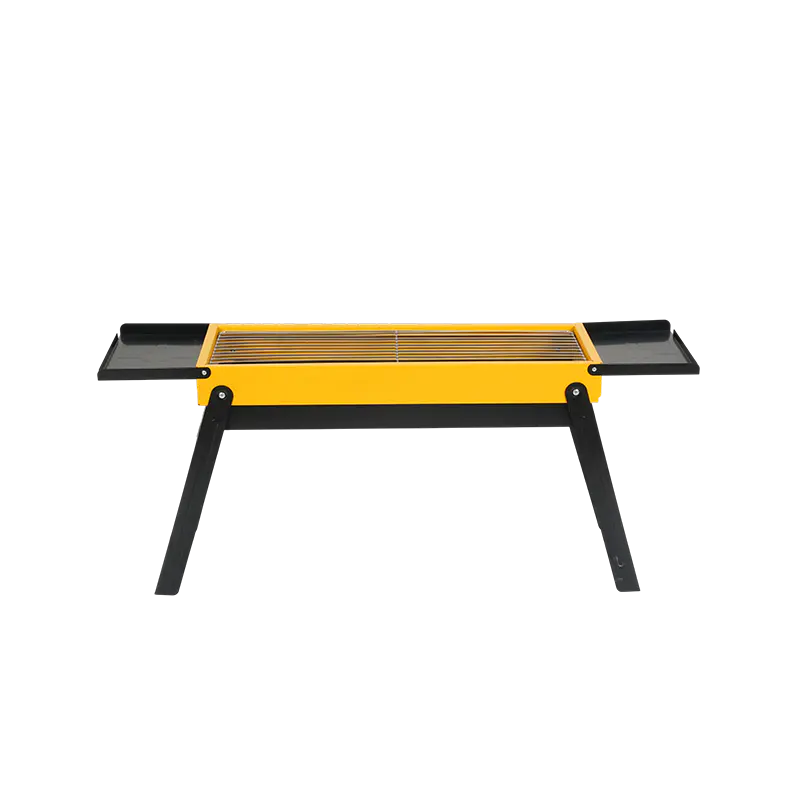 Portable Folding Outdoor Camping Charcoal Barbecue Grill
This portable, foldable outdoor camping charcoal grill is compact yet powerful, making it a great ch...
-
Outdoor Garden Portable Folding Charcoal Barbecue Grill
This portable, folding charcoal grill, designed specifically for outdoor BBQ enthusiasts, is perfect...

We are committed to integrity and quality, and we serve our customers with our professional oven manufacturing knowledge.
Phone: +86-13735628111
E-mail: [email protected]
Add: No.17 Ying Bin Road, Qing Xi Industry Zone, Xiang Zhu Town, Yongkang city,Zhenjiang province, China
Copyright © Yongkang Tongde Industry & Trade Co., Ltd. Rights
Reserved.

Outdoor BBQ Grill Manufacturer