
 English
  عربى
عربى  Español

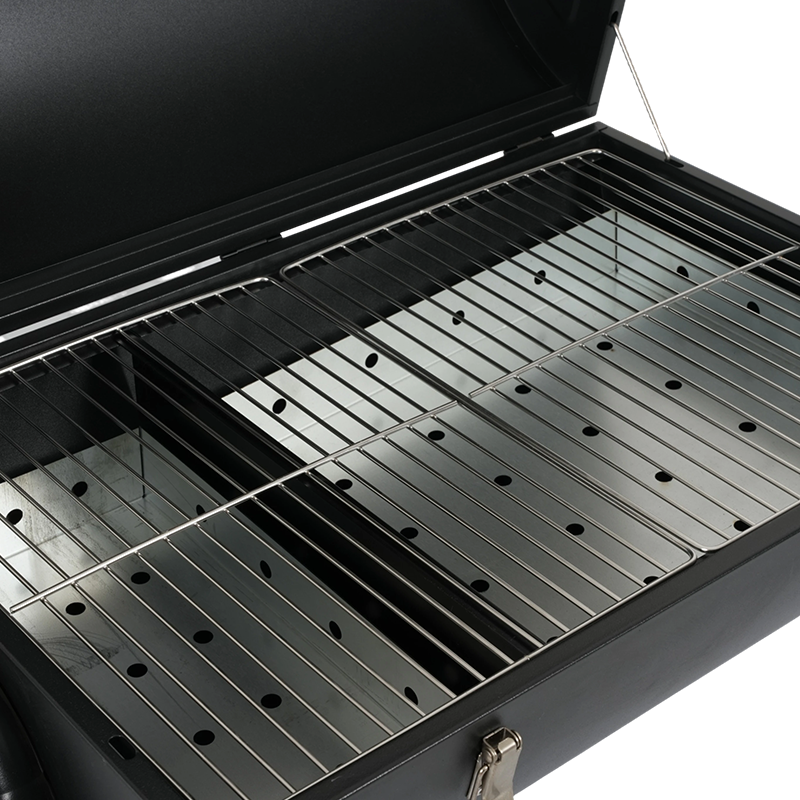
This American-style trolley-mounted charcoal grill is designed for garden and patio barbecue enthusi...

Evaluating Temperature Stability in Foldaway Double Charcoal Grill
Author: Admin
Date: Jan 12,2026
The Rise of Foldaway Grills
- The Outdoor Backyard Grill has become a staple for modern home cooking, offering an enjoyable outdoor culinary experience.
- Innovations in design have led to the development of Foldaway Grill models, providing compact storage and easy portability.
- Among these, the Double Charcoal Grill has become increasingly popular for users who want versatile heat zones and the ability to cook larger quantities.
- A critical question arises: does the foldable design compromise heat distribution and temperature stability, or can these grills maintain performance comparable to fixed-frame models?
- This article explores structural design, thermal dynamics, airflow, and user practices to evaluate the impact of foldaway features on cooking efficiency.
Structural Components of Foldaway Double Charcoal Grills
1. Folding Hinges and Locking Mechanisms
- Foldaway grills utilize multiple hinges and locking joints to allow compact storage.
- While convenient, these points introduce potential structural flexibility.
- Slight movement at hinges may affect the stability of cooking surfaces, potentially leading to uneven heat distribution.
2. Frame Material and Thickness
- High-quality Double Charcoal Grill models often use thick stainless steel or coated metals to compensate for foldable joints.
- Thicker materials absorb and retain heat more effectively, helping maintain temperature stability.
- Lower-grade metals may create hot spots, especially near folds and joints, if thermal conduction is inconsistent.
3. Leg and Base Stability
- Foldaway legs must lock securely to support the grill body.
- Uneven or slightly flexible legs can tilt the grill, altering airflow underneath and creating temperature variation across the grates.
- Regular maintenance and proper locking are essential to ensure consistent heat performance.
Heat Distribution in Foldaway Grills
- Impact of Foldable Joints on Airflow
- Airflow is crucial for charcoal combustion and even heat distribution.
- Minor gaps at hinges or folding seams can allow heat to escape, disrupting airflow patterns.
- This can create localized hot and cool zones, affecting cooking uniformity.
- Charcoal Tray Placement
- A Double Charcoal Grill typically has two separate trays, which require precise leveling for uniform heating.
- Foldaway models may experience slight misalignment between trays due to folding mechanisms.
- Users must monitor and adjust charcoal placement to maintain balanced heat zones.
- Lid Fit and Heat Retention
- A tight-fitting lid is critical for maintaining consistent cooking temperatures.
- Foldable grills often require clearance at hinge points, which may lead to minor heat leakage.
- Over time, repeated folding may slightly loosen hinges, necessitating periodic adjustment to preserve a good seal.
Temperature Stability Considerations
1. Thermal Mass and Heat Retention
- The ability to retain heat depends on the grill’s thermal mass.
- Heavier, well-constructed Outdoor Backyard Grill units with foldable designs can sustain stable temperatures.
- Lightweight foldable models may cool faster once charcoal is partially consumed, requiring more frequent adjustments.
2. Managing Charcoal Consumption
- Using a two-zone cooking setup—high heat on one side, lower heat on the other—helps compensate for any inconsistencies caused by foldable structures.
- Regular rotation of charcoal and ash removal enhances temperature consistency.
3. Environmental Influences
- Foldaway grills are often used outdoors, where wind, ambient temperature, and humidity can affect heat stability.
- Lightweight foldable designs are more susceptible to temperature drops in windy conditions.
- Strategic placement and the use of windbreaks improve performance in challenging weather.
Benefits of Foldaway Design Despite Thermal Challenges
- Space-Saving Advantage
The foldable design allows homeowners to store the grill conveniently without occupying permanent backyard space.
For users with limited outdoor area, this makes the Foldaway Grill particularly appealing.
- Portability
Lightweight and collapsible structures enable easy transport to patios, balconies, or camping sites.
Portability may come with minor heat compromises, but for many users, the convenience outweighs these issues.
- Ease of Maintenance
Foldaway grills allow easier access to charcoal trays and cooking grates.
Cleaning joints and hinges helps minimize heat leakage and preserves consistent thermal performance.
Optimizing Heat Distribution in Foldaway Double Charcoal Grills
1. Even Charcoal Arrangement
- Ensure charcoal is spread evenly across both trays to balance heat output.
- High-quality lump charcoal is preferable for consistent burning and fewer temperature fluctuations.
2. Preheating Techniques
- Preheating with the lid closed allows foldable joints to expand and settle, creating a more uniform temperature.
- Preheating also reduces the time needed for food to reach optimal cooking temperature.
3. Use of Heat Deflectors
- Heat deflectors or plates help diffuse heat evenly across the cooking surface.
- They compensate for minor inconsistencies caused by folding hinges or gaps.
4. Temperature Monitoring
- Digital grill thermometers provide accurate readings of internal temperatures.
- Adjusting vent positions and charcoal distribution based on temperature data ensures optimal cooking performance.
Comparing Foldaway and Fixed-Frame Double Charcoal Grills
- Heat Retention
Fixed grills generally retain heat more effectively due to solid, non-moving joints.
Foldaway models can achieve similar results with proper charcoal management and preheating.
- Uniformity of Cooking Surface
Solid-frame grills usually offer more consistent heat across the grates.
Foldaway grills may have minor hot or cool spots but can compensate with strategic food placement and rotation.
- Durability and Longevity
Frequent folding can slightly reduce hinge lifespan if not maintained.
High-quality foldable grills are engineered to withstand repeated use without compromising temperature performance.
Common Misconceptions About Foldaway Grills
1. Foldable Design Reduces Cooking Efficiency
- Many assume that hinges and folds significantly impair performance.
- In reality, well-designed Foldaway Grill models maintain heat efficiently through reinforced structures and smart airflow engineering.
2. Heat Leakage Is Significant
Minor gaps may exist, but with preheating and proper vent management, heat loss is negligible.
3. Cannot Achieve High Temperatures
- Foldaway designs can reach searing and grilling temperatures suitable for steaks, burgers, and vegetables.
- Proper charcoal arrangement and lid management are key factors, not the foldable design itself.
- User Tips for Maximizing Foldaway Grill Performance
4. Regular Maintenance
- Inspect hinges and locking mechanisms for wear and tighten as needed.
- Clean joints, grates, and ash compartments to maintain proper airflow.
5. Strategic Cooking Practices
- Rotate food across the grates to counteract minor temperature inconsistencies.
- Utilize two-zone setups to accommodate both high-heat and low-heat cooking simultaneously.
6. Environmental Awareness
- Shield the grill from wind and adverse weather to reduce heat fluctuations.
- Preheat longer in colder environments to stabilize internal temperatures.
Advanced Considerations for Heat Optimization
- Infrared Heat Analysis
Using infrared thermometers can identify hot and cool zones on the cooking surface.
Adjusting charcoal and food placement accordingly ensures even cooking.
- Material Upgrades
High-end Double Charcoal Grill models may use double-layered steel, ceramic coatings, or aluminum heat plates to improve temperature uniformity.
- Vent Design Optimization
Adjustable vents allow precise control of oxygen flow, enhancing combustion efficiency.
Proper vent management is essential for stabilizing temperatures in foldable designs.
- Accessory Integration
Heat deflectors, grill mats, and rotisserie attachments can enhance heat distribution and compensate for foldable design limitations.
Weighing Convenience Against Thermal Performance
- The Foldaway Grill offers significant advantages in portability, space-saving, and user convenience for Outdoor Backyard Grill enthusiasts.
- Minor impacts on heat distribution and temperature stability may occur due to foldable joints, hinges, and lightweight construction.
- These effects can be mitigated with careful charcoal placement, preheating, airflow control, and regular maintenance.
- A well-designed Double Charcoal Grill with a foldaway feature can perform nearly as effectively as a fixed-frame model, offering a practical solution for versatile outdoor cooking without compromising overall performance.
- For modern outdoor chefs, the benefits of a foldable design far outweigh the minor adjustments required for suitable heat management.
Contact Us Now
Related products
-
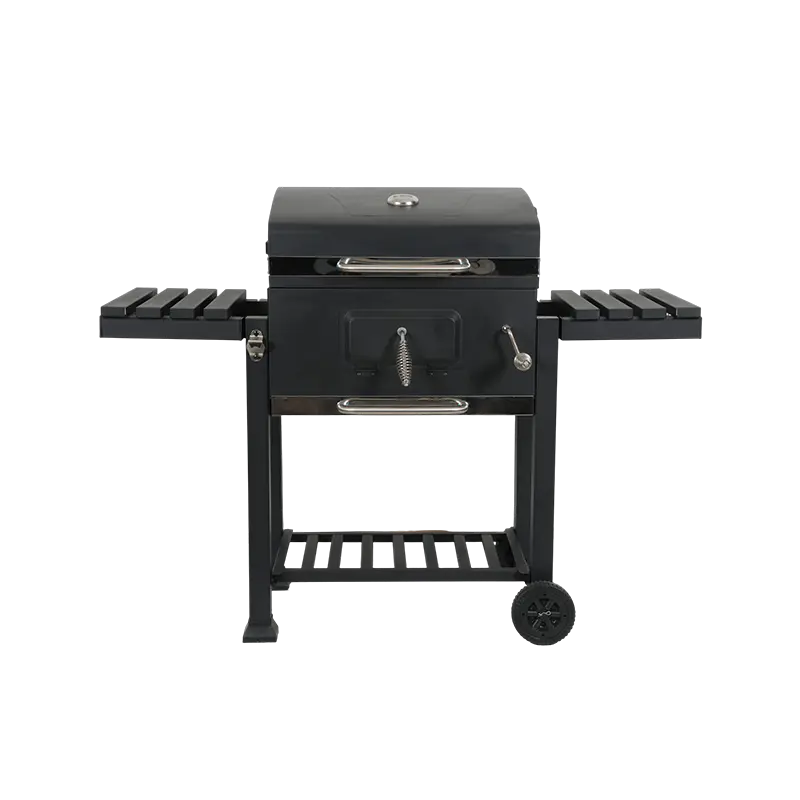 Garden Patio American Style Trolley Charcoal Smoker Grill Square Furnace
 -
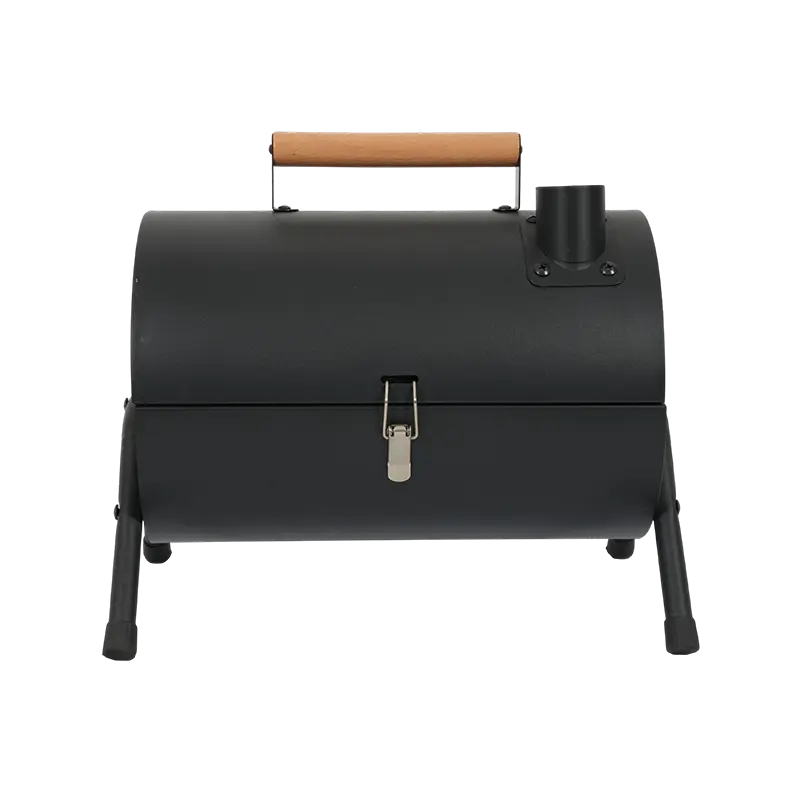 Tabletop Portable Double Sided Charcoal BBQ Grill Roaster
This compact and portable charcoal grill is designed for outdoor barbecue enthusiasts, easily handli...
-
 Multifunctional Campfire Tea Cooking Outdoor Portable Charcoal Grill
Scene Adaptability: Designed for outdoor enthusiasts, suitable for camping, picnics, caravan parties...
-
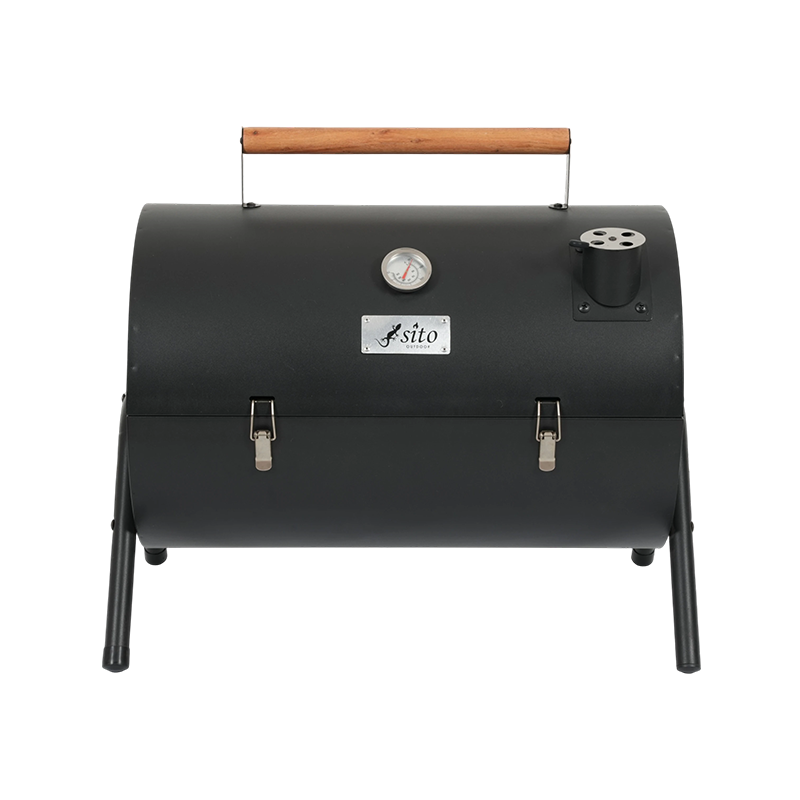 Wooden Handle Portable Tabletop Charcoal Roaster Grill
This portable grill is designed for outdoor barbecue enthusiasts and is perfect for camping trips, p...
-
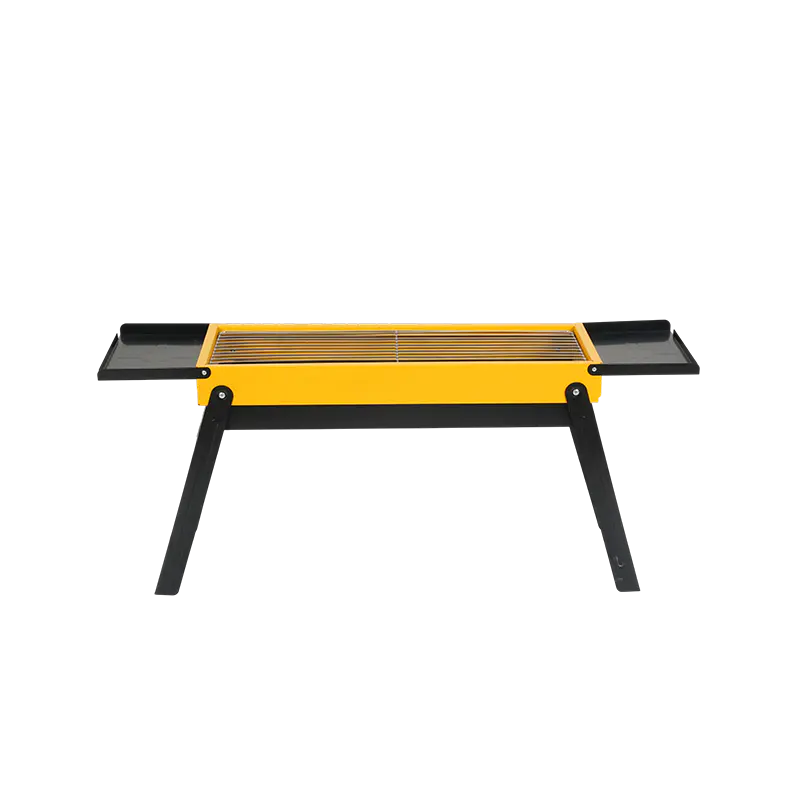 Portable Folding Outdoor Camping Charcoal Barbecue Grill
This portable, foldable outdoor camping charcoal grill is compact yet powerful, making it a great ch...
-
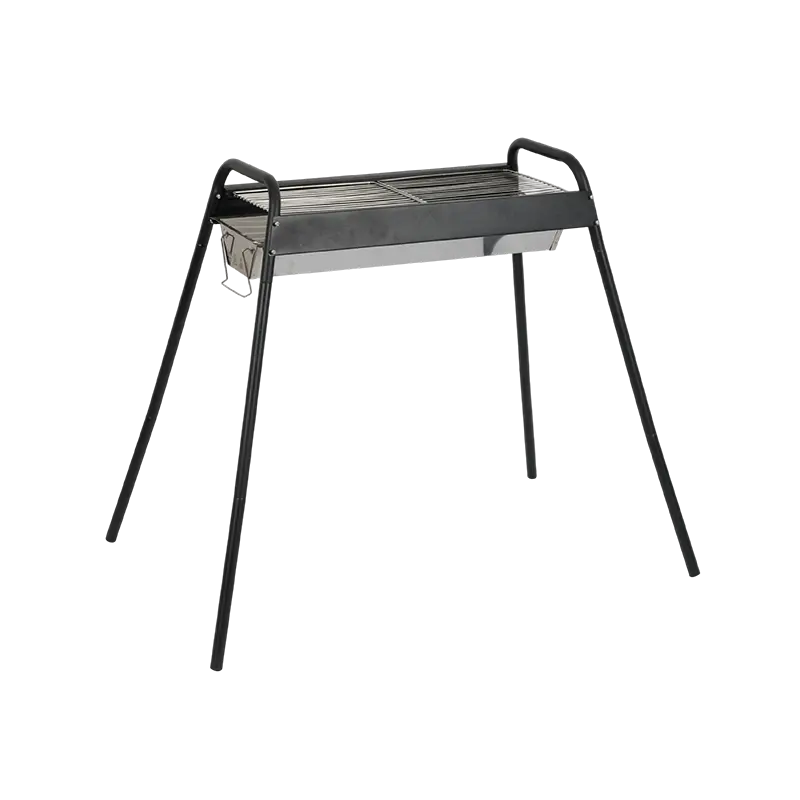 Outdoor Garden Portable Folding Charcoal Barbecue Grill
This portable, folding charcoal grill, designed specifically for outdoor BBQ enthusiasts, is perfect...

We are committed to integrity and quality, and we serve our customers with our professional oven manufacturing knowledge.
Phone: +86-13735628111
E-mail: [email protected]
Add: No.17 Ying Bin Road, Qing Xi Industry Zone, Xiang Zhu Town, Yongkang city,Zhenjiang province, China
Copyright © Yongkang Tongde Industry & Trade Co., Ltd. Rights
Reserved.

Outdoor BBQ Grill Manufacturer