
 English
  عربى
عربى  Español
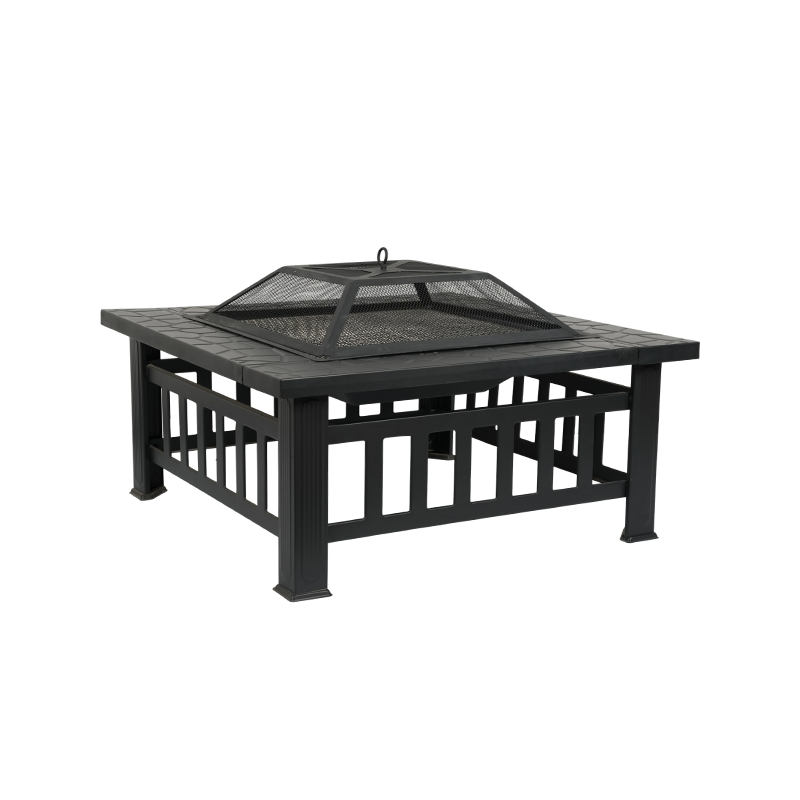
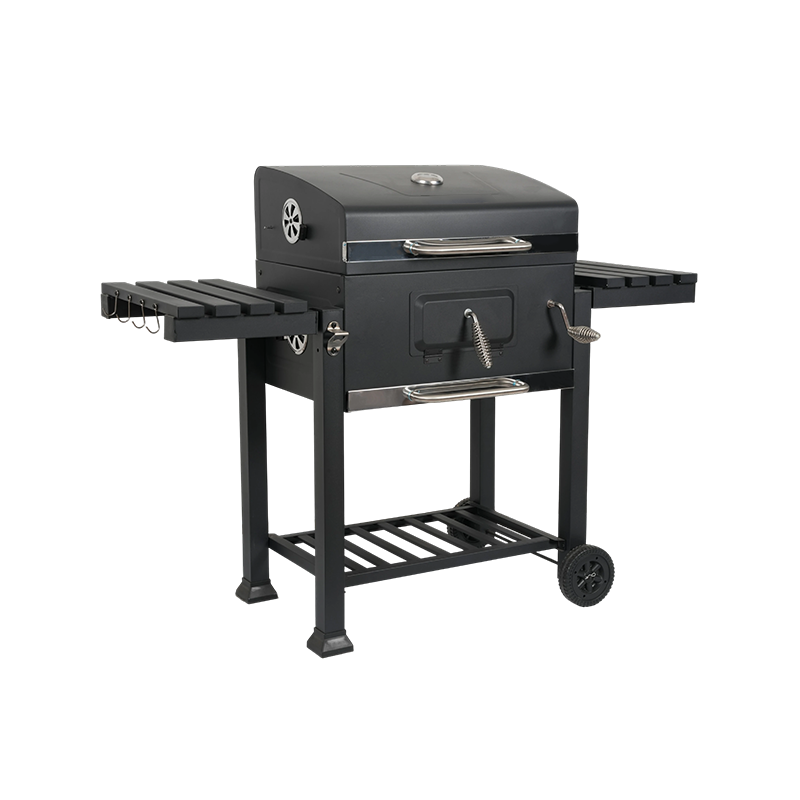
This American-style trolley-mounted charcoal grill is designed for garden and patio barbecue enthusi...

Mastering Heat Control on Your Compact Outdoor Charcoal Grill
Author: Admin
Date: Jan 12,2026
Understanding Charcoal Grilling Fundamentals
Controlling temperature on a Stainless Steel Outdoor Charcoal Grill requires a solid understanding of how charcoal generates and maintains heat. Unlike gas grills, which provide instant and adjustable heat, charcoal grills rely on combustion, airflow, and fuel management. To achieve precise cooking results, it’s essential to consider several factors: the type of charcoal, the quantity used, the arrangement of coals, and the management of air vents.
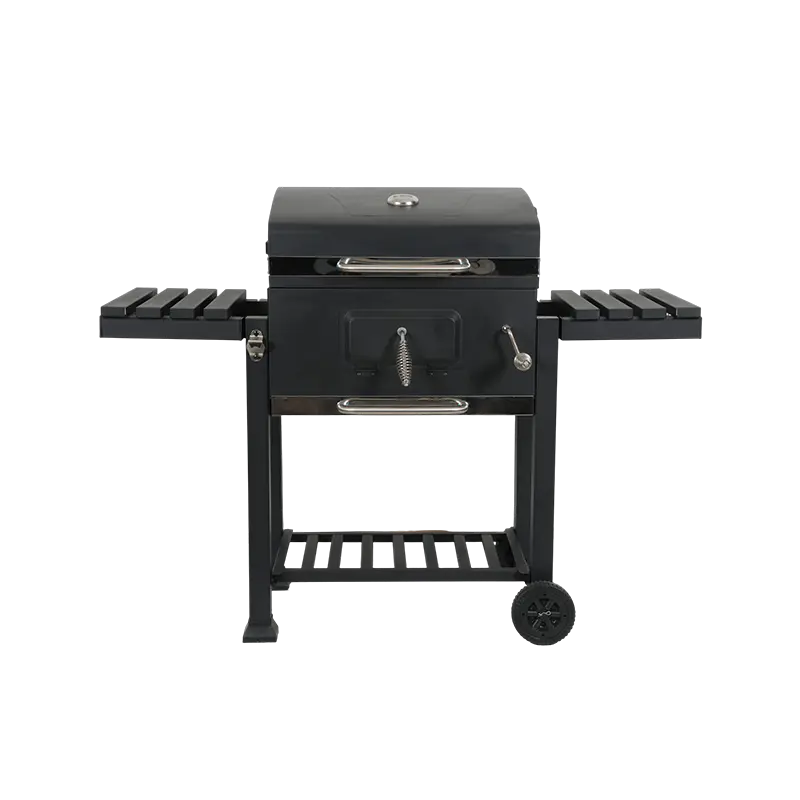
1. Types of Charcoal
- Lump charcoal burns hotter and faster, making it ideal for searing meats.
- Briquettes provide consistent, long-lasting heat, good for slow cooking or smoking.
- Choosing the right charcoal type affects how you manage the heat and overall cooking experience on your Easy Outdoor Grill.
2. Charcoal Quantity
- Adding more charcoal increases the temperature, while using less reduces it.
- For indirect cooking, a two-zone setup is recommended: place coals on one side and leave the other side empty.
- Gradually adjusting the charcoal amount allows for better control of cooking over extended periods.
3. Ignition Techniques
- Using a chimney starter ensures even lighting and avoids a chemical taste from lighter fluid.
- Preheating the coals for 15–20 minutes creates a stable heat bed for grilling.
- Proper ignition sets the foundation for effective temperature management throughout the cooking process.
Creating Heat Zones for Versatile Cooking
A Compact Outdoor Grill allows for flexible heat zone creation, enabling you to cook different foods at varying temperatures simultaneously.
Direct Heat Zone
- Place coals directly under the grate where high-heat cooking is needed.
- Ideal for searing steaks, burgers, and thin cuts of meat.
- Rotate or flip food quickly to avoid burning.
Indirect Heat Zone
- Arrange coals on one side only to create a cooler zone.
- Good for slow-cooking larger cuts, delicate fish, or vegetables.
- Close the lid to trap heat and cook evenly without direct flame exposure.
Temperature Monitoring
- Use a grill thermometer or infrared thermometer to measure the grill surface.
- High heat: 400–450°F; medium: 300–350°F; low: 225–275°F.
- Adjust lid and vent positions on the Stainless Steel Outdoor Charcoal Grill to maintain desired temperatures.
Managing Airflow for Temperature Control
Airflow is the critical factor in controlling charcoal heat. Oxygen fuels combustion, so vent management directly impacts the intensity of your fire.
Bottom Vent Adjustment
- Fully open vents allow more oxygen, increasing fire intensity.
- Partially closed vents reduce oxygen flow, lowering the heat.
- Open vents completely when lighting charcoal for quicker ignition.
Top Vent Adjustment
- Top vents regulate heat and smoke exit.
- Slightly open vents maintain airflow without rapidly cooling coals.
- Avoid fully closing vents for extended periods, as this may smother the fire.
Combining Vent Adjustments
- Adjust both bottom and top vents simultaneously for precise temperature control.
- Minor changes are often enough to maintain a consistent cooking temperature.
- Practice with vent adjustments to understand how your Easy Outdoor Grill responds in different conditions.
Charcoal Arrangement and Management
Proper placement and movement of charcoal ensure effective heat control and cooking performance.
- Charcoal Layout Techniques
- Spread coals evenly for uniform heat across the grate.
- Cluster coals for concentrated high-heat cooking.
- Use a two-zone arrangement for versatile cooking in a single session.
- Adding Charcoal During Cooking
- Pre-light extra coals in a chimney starter for consistent heat.
- Add gradually to avoid sudden temperature drops.
- Avoid dumping unlit charcoal directly onto hot coals, as this can shock the fire.
- Ash Management
- Excess ash blocks airflow and reduces heat efficiency.
- Clean ash before starting or during long cooking sessions.
- A thin layer of ash can help stabilize heat, but thick ash will hinder performance.
Using Accessories for Better Temperature Control
Several tools and accessories enhance your ability to regulate heat on a Compact Outdoor Grill.
- Grill Thermometers
Built-in or external thermometers monitor ambient grill temperature.
Probe thermometers help track internal food temperature for precise cooking.
- Charcoal Baskets and Dividers
Contain charcoal in specific areas to create two or more cooking zones.
Prevent coals from spreading too thin, maintaining consistent heat.
- Heat Deflectors and Grill Stones
Placed between coals and food to create indirect cooking zones.
Ideal for baking, roasting, or smoking without direct flame contact.
Techniques for Consistent Temperature Control
Maintaining a steady temperature requires observation, practice, and minor adjustments throughout the grilling process.
Preheating the Grill
- Always allow the grill to reach the target temperature before cooking.
- Preheating prsticking and ensures even cooking.
Lid Management
- Keep the lid closed as much as possible to trap heat.
- Open only to check food, add charcoal, or adjust vents.
Adapting to Weather
- Wind increases airflow, causing hotter fires.
- Cold conditions may require additional charcoal or vent adjustments.
- Protect the grill from wind using walls or shields when possible.
Gradual Adjustments
- Avoid drastic vent or coal movements.
- Make small changes and allow the temperature to stabilize before adjusting again.
Advanced Charcoal Techniques
For experienced grillers, advanced techniques help achieve precise heat control and good results.
1. Two-Zone Cooking for Multi-Stage Recipes
- Sear meats over direct heat, then move to indirect heat to finish cooking.
- Ideal for thick cuts that require a seared exterior and evenly cooked interior.
2. The Minion Method for Low-and-Slow Cooking
- Arrange unlit coals around lit coals to maintain low heat for long periods.
- Lit coals gradually ignite surrounding coals for consistent slow cooking.
3. Water Pan Technique
- Place a water pan between the coals and the food to stabilize the temperature.
- Retains moisture in meats and reduces flare-ups during longer cooking sessions.
Common Mistakes and How to Avoid Them
Even with a Stainless Steel Outdoor Charcoal Grill, some errors can make heat control difficult.
Overloading the Grill with Charcoal
Too much coal can create uncontrollable heat and burn food.
Start moderate and add more if needed.
Neglecting Vent Adjustments
Ignoring vents or leaving them fully open or closed causes temperature swings.
Adjust gradually and observe changes.
Ignoring Ash Buildup
Thick ash blocks airflow, reducing heat.
Remove ash before or during long cooking sessions to maintain consistent temperatures.
Practical Tips for Everyday Grilling
To get the most out of your Easy Outdoor Grill, consider these practical suggestions:
- Keep Tools Handy
Long tongs, heat-resistant gloves, and a chimney starter simplify fire and heat management.
- Plan Your Cooking Sequence
Cook foods requiring higher heat, then transition to lower temperatures.
- Practice Makes Well
Understanding how your Compact Outdoor Grill behaves in different weather and with different charcoal types improves with experience.
Mastering Your Easy Outdoor Grill Experience
Managing temperature on a charcoal grill requires a combination of proper charcoal selection, airflow control, heat zoning, and consistent monitoring. Using accessories like thermometers, baskets, and heat deflectors enhances precision. Avoiding common mistakes such as overloading coals or neglecting ash buildup ensures steady heat. Advanced methods like the Minion Method and two-zone cooking provide professional-level control. Mastering these techniques allows your Easy Outdoor Grill to deliver well-cooked meals, whether searing steaks, roasting vegetables, or slow-smoking ribs, making every outdoor grilling session a success.
Contact Us Now
Related products
-
Garden Patio American Style Trolley Charcoal Smoker Grill Square Furnace
-
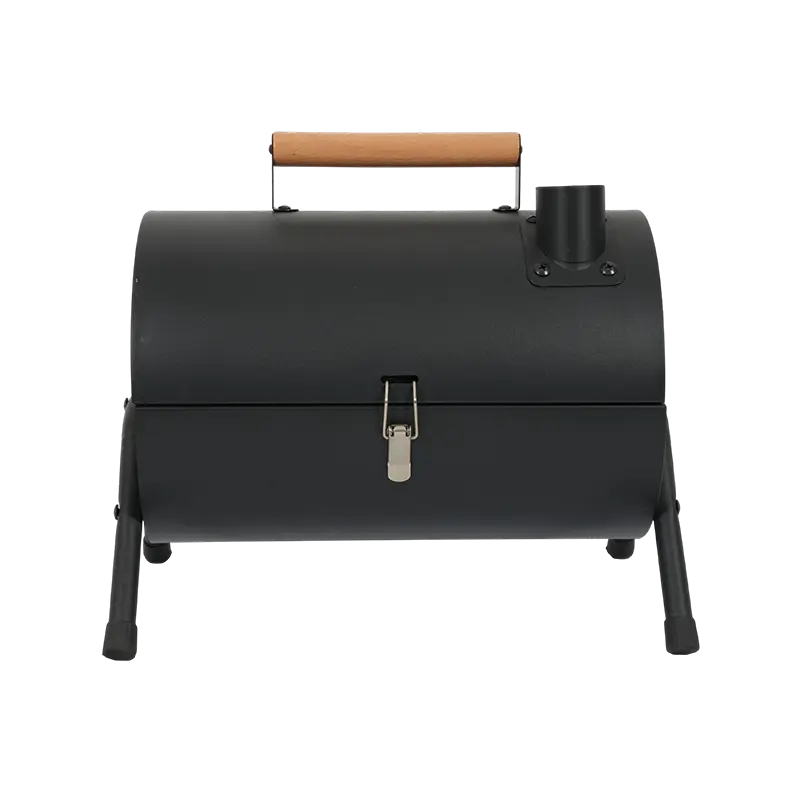 Tabletop Portable Double Sided Charcoal BBQ Grill Roaster
This compact and portable charcoal grill is designed for outdoor barbecue enthusiasts, easily handli...
-
 Multifunctional Campfire Tea Cooking Outdoor Portable Charcoal Grill
Scene Adaptability: Designed for outdoor enthusiasts, suitable for camping, picnics, caravan parties...
-
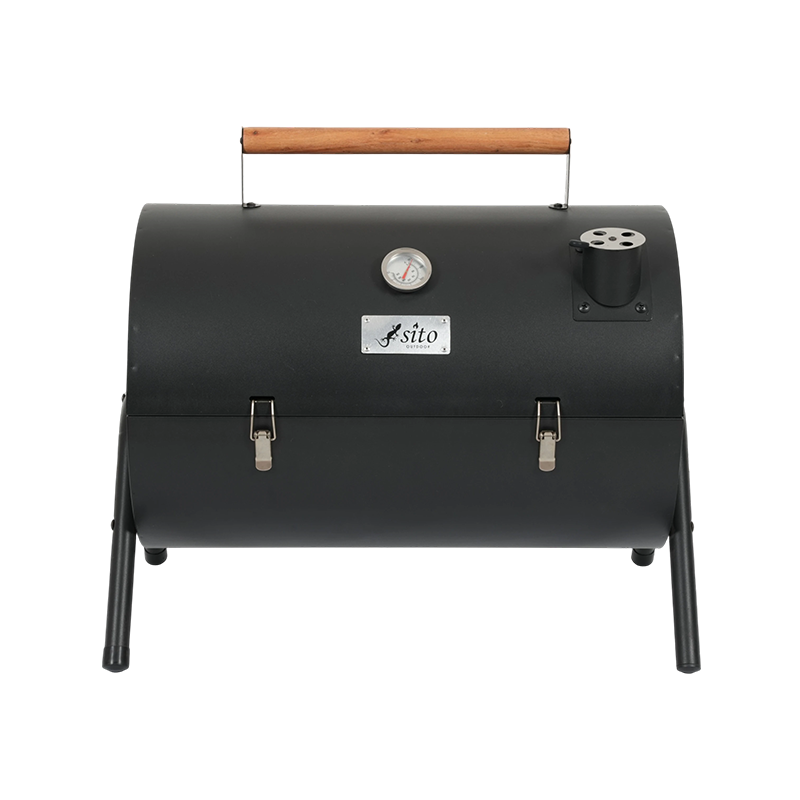 Wooden Handle Portable Tabletop Charcoal Roaster Grill
This portable grill is designed for outdoor barbecue enthusiasts and is perfect for camping trips, p...
-
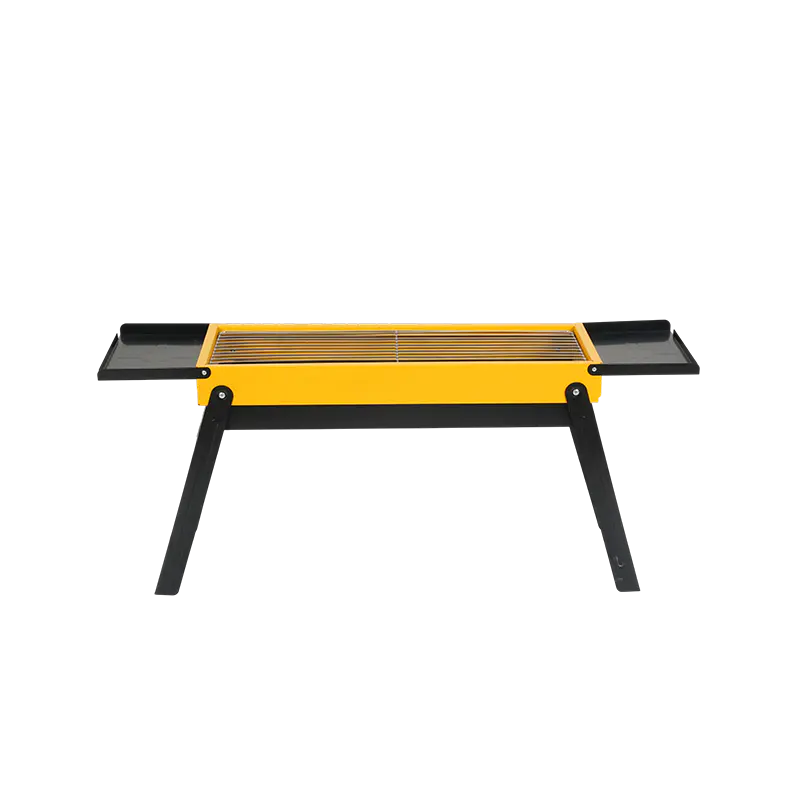 Portable Folding Outdoor Camping Charcoal Barbecue Grill
This portable, foldable outdoor camping charcoal grill is compact yet powerful, making it a great ch...
-
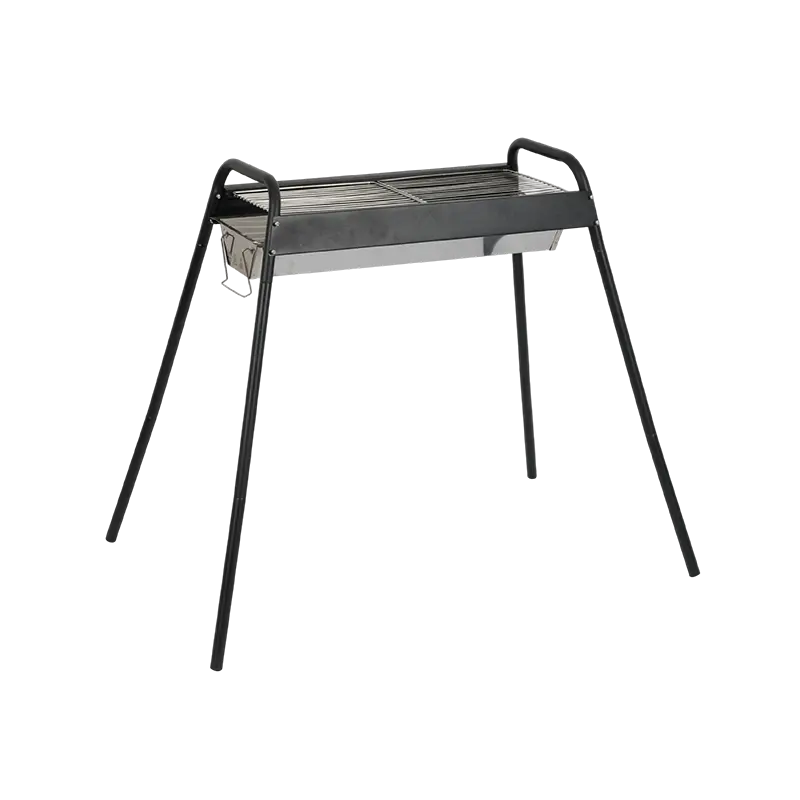 Outdoor Garden Portable Folding Charcoal Barbecue Grill
This portable, folding charcoal grill, designed specifically for outdoor BBQ enthusiasts, is perfect...

We are committed to integrity and quality, and we serve our customers with our professional oven manufacturing knowledge.
Phone: +86-13735628111
E-mail: [email protected]
Add: No.17 Ying Bin Road, Qing Xi Industry Zone, Xiang Zhu Town, Yongkang city,Zhenjiang province, China
Copyright © Yongkang Tongde Industry & Trade Co., Ltd. Rights
Reserved.

Outdoor BBQ Grill Manufacturer