

 English
  عربى
عربى  Español
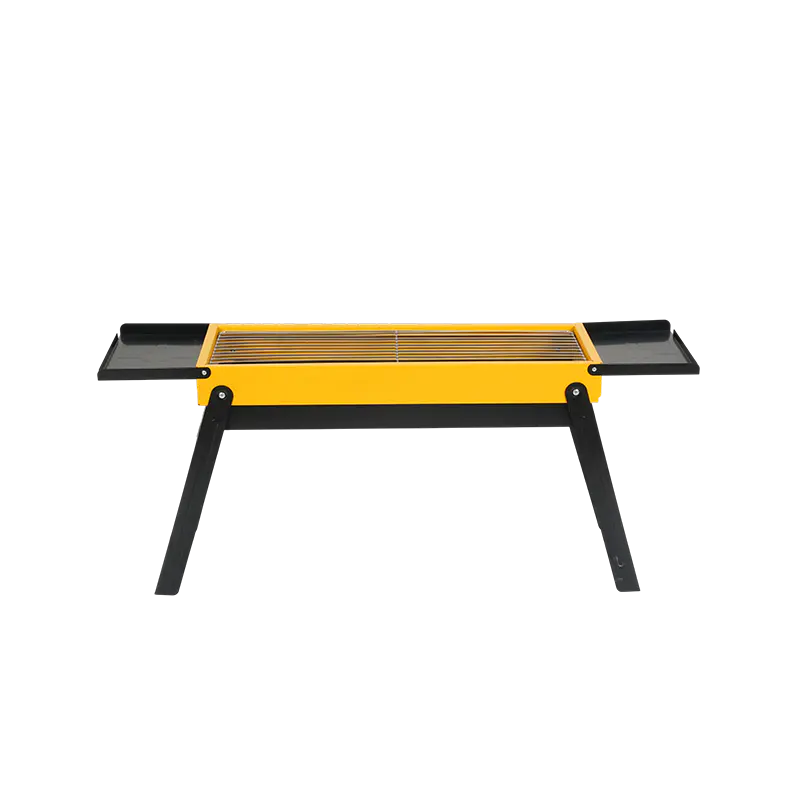
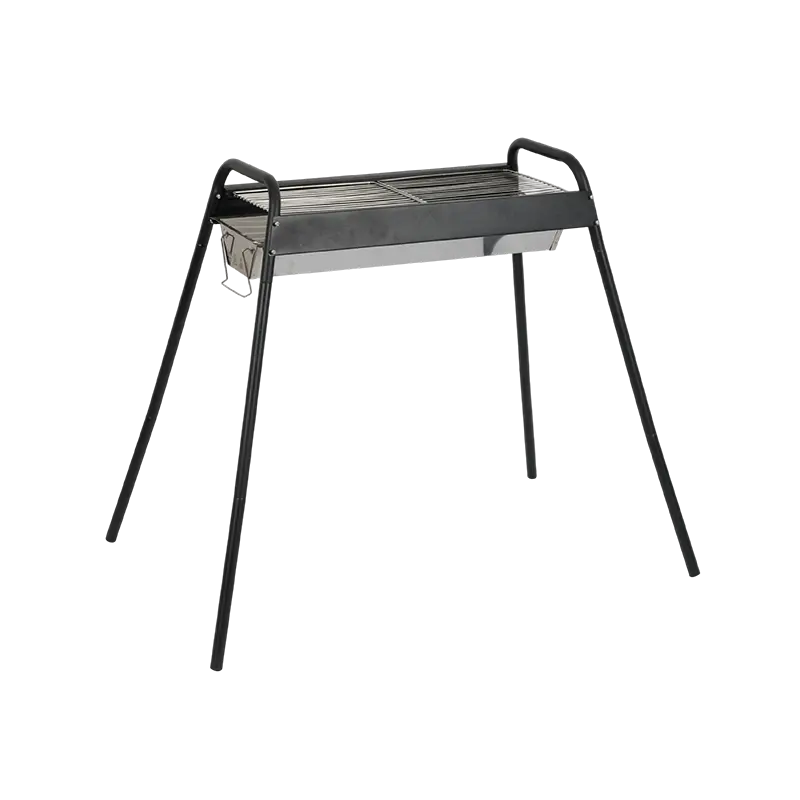
How Efficient Is a Portable Roaster Grill?
A Portable Roaster Grill is designed to balance heating performance with mobility, making efficiency a key concern for users. Its heating efficiency depends on structure, airflow, and fuel use rather than sheer size.
Heat concentration: Compact fire chambers allow charcoal heat to focus directly under the cooking grate, reducing energy loss.
Airflow design: Adjustable vents help control oxygen intake, which directly affects combustion speed and temperature stability.
Material thickness: Thicker steel bodies retain heat better, improving roasting consistency during longer cooking sessions.
Fuel response: Smaller charcoal loads heat up faster, shortening preheating time compared with large grills.
Limitations: A Limited cooking area may require batch cooking when serving multiple people.
Overall, heating efficiency is high for small to medium portions, especially when proper vent control is used.
How to Judge Grill Structural Stability?
Evaluating the stability of a Foldable Charcoal Barbecue Grill is essential for safe operation, as its collapsible design introduces potential weak points.
- Frame material: Steel frames with reinforced joints offer better load-bearing capacity than thin metal rods.
- Locking mechanisms: Secure locks or snap-in joints prevent accidental folding during use.
- Leg structure: Cross-braced or wide-spread legs improve balance on uneven outdoor surfaces.
- Weight distribution: A well-designed grill keeps the charcoal tray centered to avoid tipping.
- Assembly precision: Tight fittings and wobbles indicate higher manufacturing quality.
A stable structure ensures not only safety but also more consistent heat distribution during cooking.
Why Stability Matters During Grilling?
Structural stability directly affects cooking performance and user safety, especially for foldable designs.
- Heat control: A stable grill maintains even charcoal positioning, preventing hot spots.
- Food safety: Reducing shaking reduces the risk of food falling into the fire.
- User confidence: A solid feel encourages safer handling when turning or moving food.
- Surface compatibility: Stability becomes critical when grilling on grass, soil, or camping grounds.
- Long-term durability: Less stress on joints reduces wear over repeated folding cycles.
For frequent outdoor use, stability should be prioritized over extreme weight reduction.
How Does a Backyard Portable Grill Compare?
A Backyard Portable Grill differs from fixed patio grills mainly in flexibility and installation requirements, each with distinct advantages and drawbacks.
Mobility advantage: Portable designs can be repositioned for shade, wind direction, or storage.
Lower commitment: No permanent installation is required, making them suitable for renters.
Space efficiency: They can be stored away when not in use, freeing backyard space.
Capacity limits: Fixed grills often provide larger cooking surfaces and multiple heat zones.
Weather resistance: Permanent grills may use heavier materials for long-term outdoor exposure.
The choice depends largely on how frequently grilling occurs and how permanent the setup needs to be.
What Are Fixed Grill Strengths and Weaknesses?
Understanding fixed patio grills helps clarify when portability is a benefit and when it becomes a limitation.
- Strengths:
- Larger cooking area for gatherings
- Better integration with outdoor kitchens
- More robust construction
- Weaknesses:
- Higher cost and installation effort
- Lack of flexibility in placement
- Difficult to relocate or store
Fixed grills suit homeowners seeking a long-term outdoor cooking centerpiece.
How Should Buyers Decide?
Choosing between different grill types depends on lifestyle, space, and cooking habits.
- Occasional users: Portable and foldable designs offer convenience without heavy investment.
- Frequent entertainers: Fixed grills provide capacity and visual appeal.
- Limited space: Compact, movable grills reduce clutter.
- Safety focus: Structural stability and heat efficiency should guide final decisions.

