
 English
  عربى
عربى  Español
This American-style trolley-mounted charcoal grill is designed for garden and patio barbecue enthusi...

Comparing Outdoor Portable Charcoal Grills and Gas Grills
Author: Admin
Date: Mar 06,2026
Understanding the Outdoor Portable Charcoal Grill
- Definition and Purpose
An Outdoor Portable Charcoal Grill is designed for easy transportation, outdoor use, and authentic charcoal cooking. It is lightweight, compact, and ideal for camping, picnics, beach trips, or backyard gatherings.
- Target Users
Enthusiasts who enjoy traditional charcoal flavor, smoky aromas, and a hands-on cooking experience prefer these grills over gas alternatives. The simplicity and portability make them suitable for casual users and outdoor adventurers alike.
Key Differences in Cooking Performance
Flavor Profile
- Charcoal grills provide a distinct smoky taste that gas grills cannot easily replicate.
- The high heat and open flame allow for caramelization and Maillard reactions that enhance the flavor of meats and vegetables.
Heat Distribution
- Gas grills offer precise temperature control, making them ideal for delicate foods and consistent cooking.
- Charcoal grills rely on manual adjustment of coals and vents, which can create uneven heat zones but allow creative grilling techniques.
Cooking Speed
- Gas grills heat up almost instantly, providing a quicker start-to-finish cooking process.
- Charcoal grills require preheating and charcoal preparation, which may take longer but adds to the traditional outdoor experience.
Portability and Outdoor Use
Weight and Design
- Outdoor Portable Charcoal Grills are typically lighter and foldable, making them easy to carry for camping or beach trips.
- Gas grills, especially larger models, are heavier and often designed for backyard use, limiting mobility.
Setup and Storage
- Charcoal grills are straightforward to assemble and store, often requiring minimal parts.
- Gas grills may involve propane connections, hoses, and safety checks, which add complexity when moving the grill outdoors.
Fuel Availability
- Charcoal is widely available and easy to pack in portable sizes.
- Propane tanks are bulkier and require careful handling, which can make outdoor transport less convenient.
Cost and Maintenance Considerations
Initial Cost
- Charcoal grills are generally more affordable upfront than gas grills.
- Gas grills often have higher initial costs due to burners, ignition systems, and construction materials.
Fuel Expenses
- Charcoal is less expensive per cook session but may need more frequent purchase for frequent use.
- Propane is costlier initially but provides longer cook times per tank and less effort in refueling.
Cleaning and Maintenance
- Charcoal grills produce ash that must be cleaned regularly, and vents require occasional maintenance.
- Gas grills need periodic cleaning of burners and grease trays, but produce less residual waste after each use.
Safety Considerations
Fire Risk
- Charcoal grills involve open flames and hot coals, requiring careful handling and monitoring.
- Gas grills have built-in ignition safety features, but gas leaks can pose significant hazards if improperly maintained.
User Control
- Charcoal grills require active management of heat through coal positioning and vent adjustments.
- Gas grills offer more automated temperature control, reducing the risk of overcooking or flare-ups.
Practical Applications
Outdoor Adventures
- Charcoal grills excel in remote settings where portability, simplicity, and authentic flavor are priorities.
- Gas grills are better suited for controlled environments such as patios or backyards, where mobility is less important.
Social and Culinary Experience
- Charcoal grilling provides a tactile and engaging cooking experience that is part of the enjoyment of outdoor gatherings.
- Gas grilling focuses on convenience, speed, and precision, appealing to users who value efficiency over traditional flavors.
While both outdoor grilling methods offer unique benefits, the choice between an Outdoor Portable Charcoal Grill and a gas grill largely depends on user priorities. Charcoal grills provide unmatched flavor, portability, and a hands-on cooking experience, ideal for camping, beach trips, and backyard fun. Gas grills offer speed, precision, and easier temperature control, suitable for consistent cooking and convenience-focused users. For enthusiasts who value authentic smoky taste and the interactive nature of grilling, the charcoal option remains a preferred choice, while gas grills serve those seeking efficiency and reliable performance with minimal setup.
Contact Us Now
Related products
-
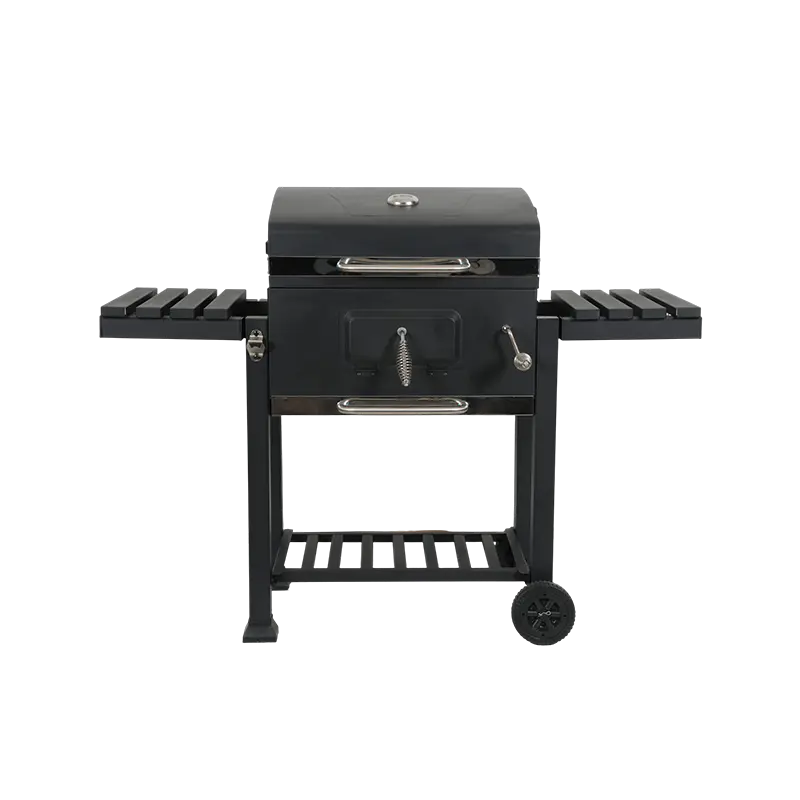 Garden Patio American Style Trolley Charcoal Smoker Grill Square Furnace
 -
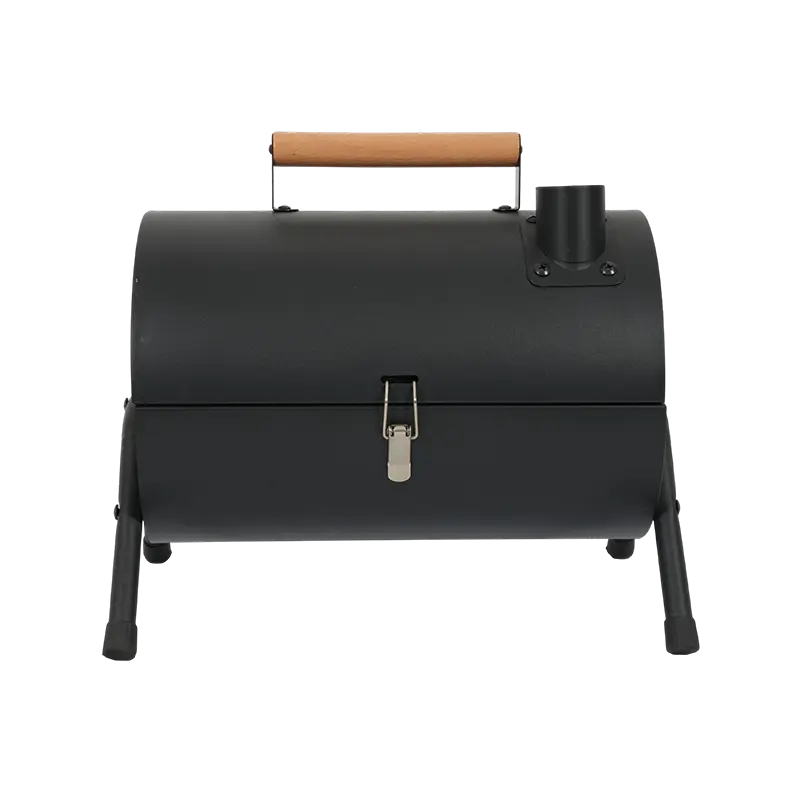 Tabletop Portable Double Sided Charcoal BBQ Grill Roaster
This compact and portable charcoal grill is designed for outdoor barbecue enthusiasts, easily handli...
-
 Multifunctional Campfire Tea Cooking Outdoor Portable Charcoal Grill
Scene Adaptability: Designed for outdoor enthusiasts, suitable for camping, picnics, caravan parties...
-
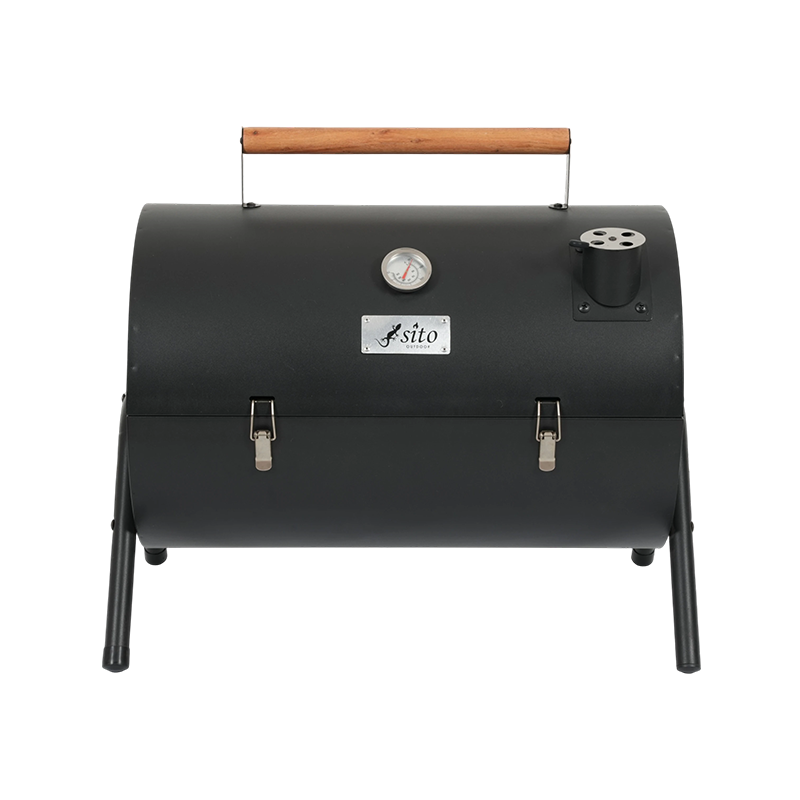 Wooden Handle Portable Tabletop Charcoal Roaster Grill
This portable grill is designed for outdoor barbecue enthusiasts and is perfect for camping trips, p...
-
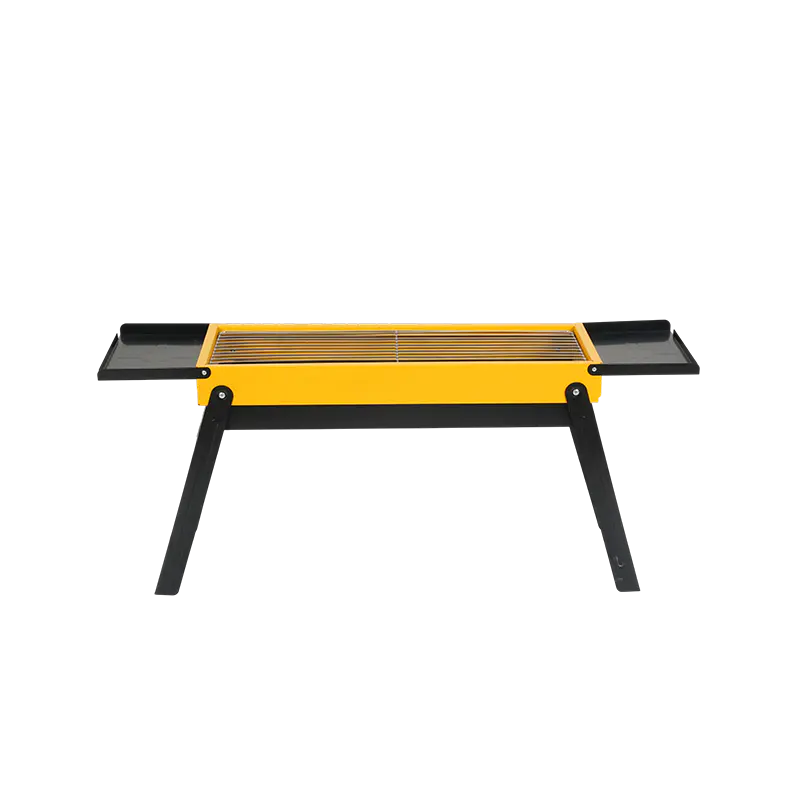 Portable Folding Outdoor Camping Charcoal Barbecue Grill
This portable, foldable outdoor camping charcoal grill is compact yet powerful, making it a great ch...
-
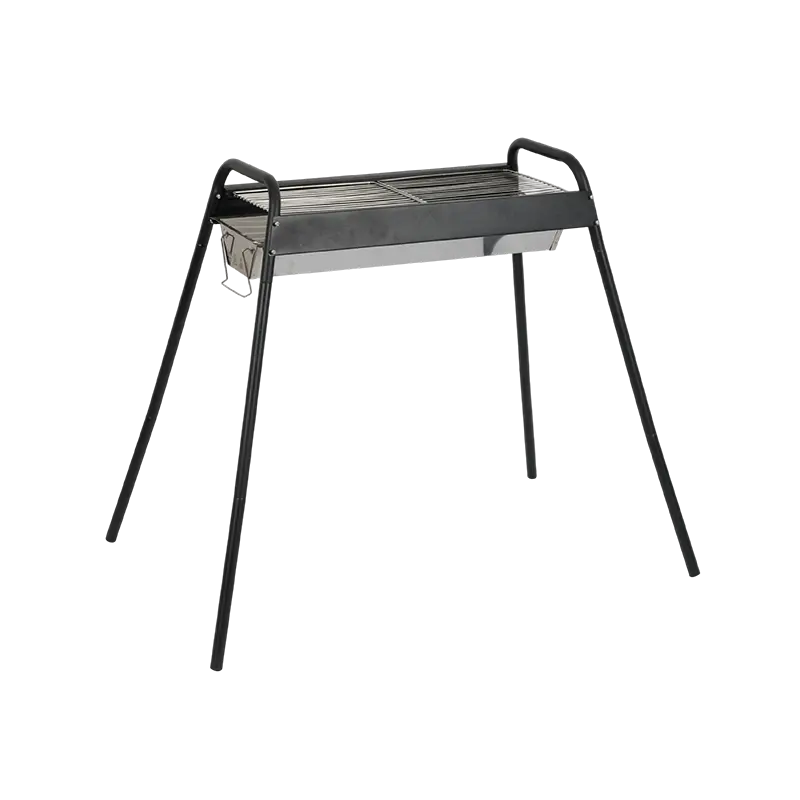 Outdoor Garden Portable Folding Charcoal Barbecue Grill
This portable, folding charcoal grill, designed specifically for outdoor BBQ enthusiasts, is perfect...

We are committed to integrity and quality, and we serve our customers with our professional oven manufacturing knowledge.
Phone: +86-13735628111
E-mail: [email protected]
Add: No.17 Ying Bin Road, Qing Xi Industry Zone, Xiang Zhu Town, Yongkang city,Zhenjiang province, China
Copyright © Yongkang Tongde Industry & Trade Co., Ltd. Rights
Reserved.

Outdoor BBQ Grill Manufacturer