
 English
  عربى
عربى  Español
This American-style trolley-mounted charcoal grill is designed for garden and patio barbecue enthusi...

Ventilation Design Affects Outdoor Fire Pit Grilling
Author: Admin
Date: Mar 13,2026
The Role of Ventilation in Fire Pit Grills
Oxygen Supply
- Outdoor Fire Pit Grill Manufacturer: Proper ventilation ensures a steady supply of oxygen to the fire, which is essential for efficient combustion.
- Insufficient airflow can lead to smoldering coals, uneven heat, and excessive smoke that affects cooking quality.
Temperature Control
- Vent placement and size help regulate internal temperature by controlling how quickly the fire burns.
- Adjustable vents allow users to maintain consistent heat for grilling meat, vegetables, or other foods.
Smoke Management
- Good airflow directs smoke away from the food while imparting a subtle smoky flavor.
- Poor ventilation may trap smoke inside the cooking chamber, creating bitter or overly strong flavors.

Ventilation Design Considerations
Air Inlets and Outlets
- Strategically positioned vents at the base allow fresh air to feed the coals.
- Top vents enable hot gases and smoke to escape, preventing flare-ups and promoting uniform heat distribution.
Adjustable Dampers
- Some models feature movable dampers that let users fine-tune airflow for different cooking needs.
- Opening the dampers increases oxygen flow for higher heat, while partially closing them slows the burn for slow cooking.
Chimney Effects
- Vertical vent designs create a natural chimney effect, drawing air through the fire and improving combustion efficiency.
- This not only increases heat output but also reduces ash accumulation that can block airflow.
Impact on Grilling Performance
Even Heat Distribution
- Adequate ventilation allows coals to burn uniformly, reducing hot or cold spots on the grill surface.
- This ensures consistent cooking of meat and vegetables, reducing the likelihood of undercooked or overcooked areas.
Enhanced Flavor
- Proper airflow ensures the right amount of smoke reaches the food, enhancing flavor without creating bitterness.
- Wood chips or charcoal add aromatic elements that are better controlled with a ventilated fire pit design.
Fuel Efficiency
- A well-ventilated grill burns fuel more efficiently, reducing charcoal or wood consumption.
- Optimized airflow also prolongs cooking time by maintaining a steady fire without excessive fuel addition.
Safety and Usability Benefits
Reduced Flare-Ups
- Controllable vents prevent sudden bursts of flames, which can burn food or create safety hazards.
- Users can adjust airflow to maintain a safe cooking environment, especially around children or pets.
Temperature Monitoring
- Some grills incorporate airflow indicators to help users gauge internal heat levels.
- This allows for precise cooking, even in variable outdoor conditions such as wind or humidity changes.
Ease of Cleaning
- Proper airflow reduces ash buildup on cooking surfaces, making post-grilling cleanup simpler.
- Grills with removable vent components are easier to maintain and keep in suitable condition.
Practical Tips for Users
1. Preheating
Open vents fully during initial preheating to get coals burning efficiently.
2. Adjusting for Cooking Type
3. High-heat grilling: Increase airflow for quick searing.
4. Slow cooking or smoking: Reduce airflow to maintain lower, steady temperatures.
5. Regular Maintenance
- Keep vents clean and free of obstructions to ensure suitable airflow.
- Inspect dampers and vent holes periodically for rust or blockages.
Ventilation design plays a critical role in the performance of an Outdoor Fire Pit Grill. Proper airflow ensures consistent heat distribution, enhances smoky flavors, improves fuel efficiency, and provides safer, more controlled cooking. By paying attention to vent placement, adjustable dampers, and chimney effects, users can achieve superior grilling results while enjoying the ambiance of an open fire. An Outdoor Fire Pit Grill Manufacturer that focuses on optimized airflow delivers a product that balances flavor, efficiency, and safety, making outdoor cooking a more enjoyable and satisfying experience.
Contact Us Now
Related products
-
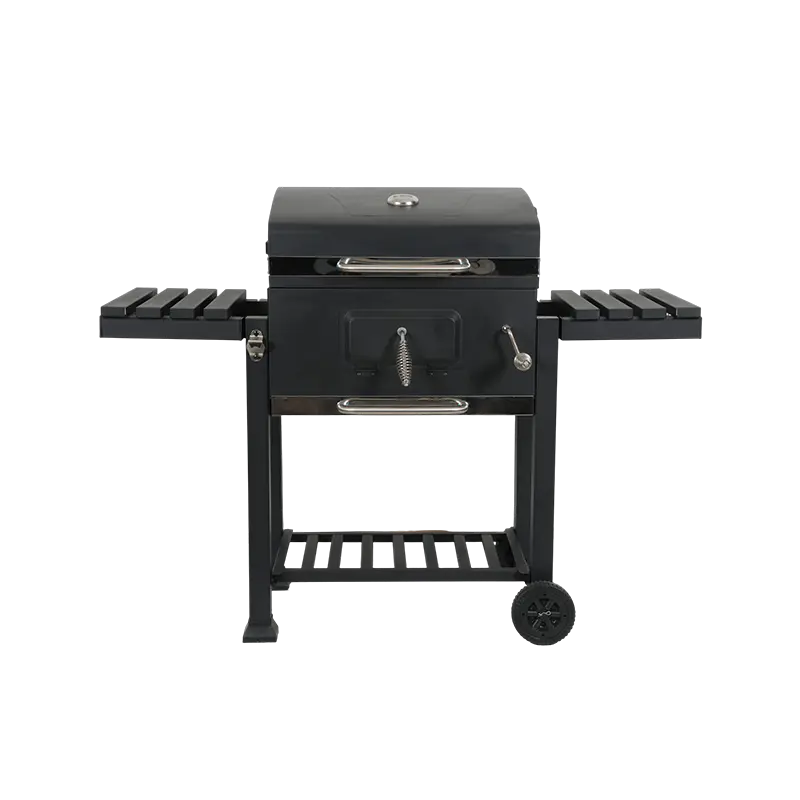 Garden Patio American Style Trolley Charcoal Smoker Grill Square Furnace
 -
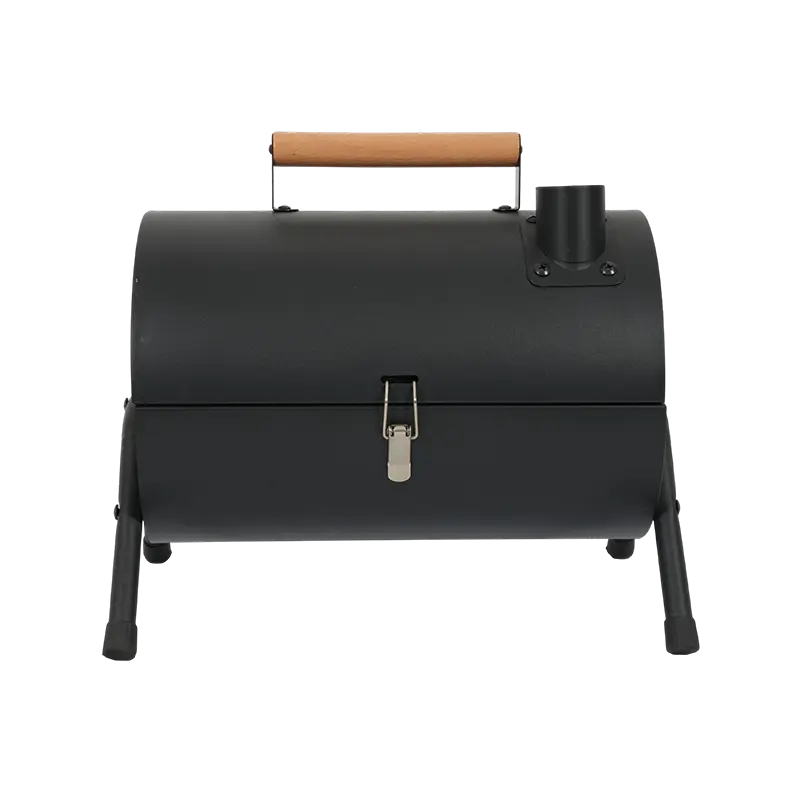 Tabletop Portable Double Sided Charcoal BBQ Grill Roaster
This compact and portable charcoal grill is designed for outdoor barbecue enthusiasts, easily handli...
-
Multifunctional Campfire Tea Cooking Outdoor Portable Charcoal Grill
Scene Adaptability: Designed for outdoor enthusiasts, suitable for camping, picnics, caravan parties...
-
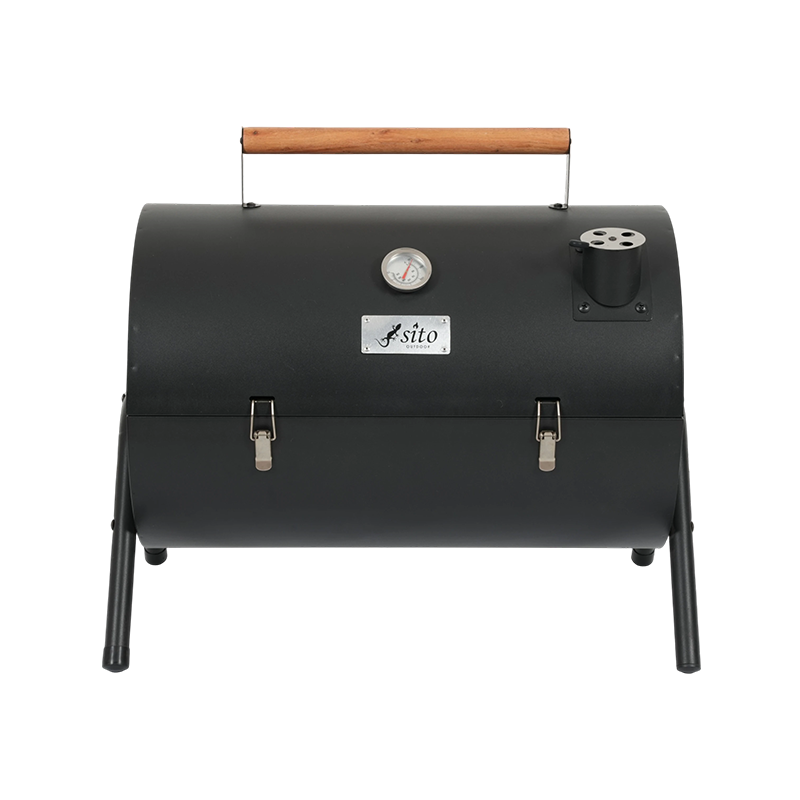 Wooden Handle Portable Tabletop Charcoal Roaster Grill
This portable grill is designed for outdoor barbecue enthusiasts and is perfect for camping trips, p...
-
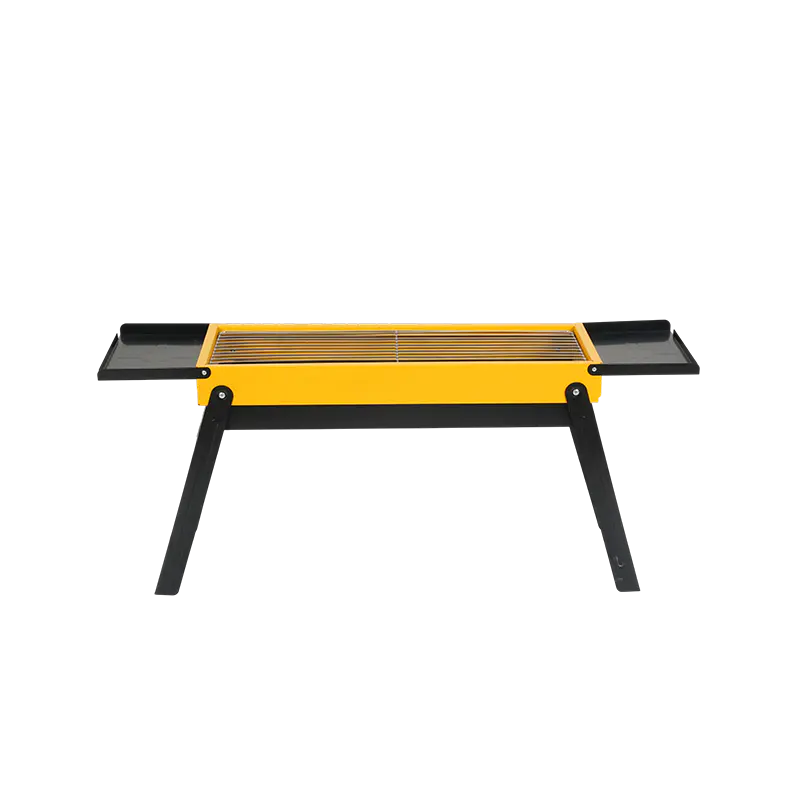 Portable Folding Outdoor Camping Charcoal Barbecue Grill
This portable, foldable outdoor camping charcoal grill is compact yet powerful, making it a great ch...
-
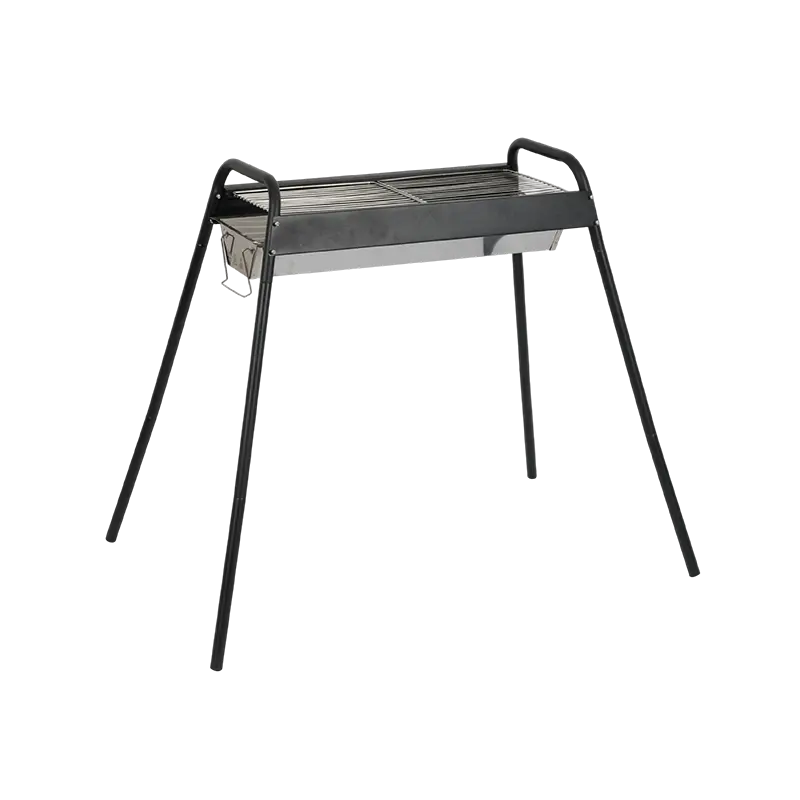 Outdoor Garden Portable Folding Charcoal Barbecue Grill
This portable, folding charcoal grill, designed specifically for outdoor BBQ enthusiasts, is perfect...

We are committed to integrity and quality, and we serve our customers with our professional oven manufacturing knowledge.
Phone: +86-13735628111
E-mail: [email protected]
Add: No.17 Ying Bin Road, Qing Xi Industry Zone, Xiang Zhu Town, Yongkang city,Zhenjiang province, China
Copyright © Yongkang Tongde Industry & Trade Co., Ltd. Rights
Reserved.

Outdoor BBQ Grill Manufacturer