
 English
  عربى
عربى  Español
This American-style trolley-mounted charcoal grill is designed for garden and patio barbecue enthusi...

Understanding the Heating Efficiency of Outdoor Charcoal Grill Tables
Author: Admin
Date: Feb 24,2026
Outdoor Charcoal Grill Tables have become a staple in backyard cooking, combining the functionality of a grill with a tabletop surface for food preparation and serving.
One of the important considerations for users is heating efficiency, which affects cooking speed, fuel consumption, and overall grilling experience.
Understanding how heat is generated, distributed, and retained helps users optimize their cooking process.

Fuel Type and Heat Generation
Charcoal Options:
- Lump charcoal burns hotter and faster, producing intense heat suitable for searing.
- Briquettes burn more steadily, offering longer-lasting heat for slow cooking.
Ignition Methods:
- Chimney starters ensure uniform heat without chemical accelerants.
- Electric starters or lighter fluid can be used, but they may affect the initial flavor.
Burn Rate:
- High-quality charcoal burns more efficiently, requiring less frequent replenishment.
- Low-quality charcoal may produce inconsistent heat and require additional fuel.
Grill Design and Heat Retention
Great Material:
- Cast iron grates retain heat better, providing even cooking and sear marks.
- Stainless steel grates heat up quickly but may cool faster when food is added.
Fire Bowl Design:
- Deeper fire bowls concentrate heat, improving efficiency.
- Shallow bowls allow more air circulation, which may cause faster burning but less consistent heat.
Airflow and Vents:
- Adjustable vents control oxygen flow, influencing temperature and fuel efficiency.
- Proper vent management can reduce charcoal waste while maintaining suitable heat.
Heat Distribution and Cooking Zones
Direct vs. Indirect Heat:
- Direct heat is ideal for steaks, burgers, and quick-cooking foods.
- Indirect heat is used for slow roasting or delicate items.
Zoning Techniques:
- Arranging charcoal in a two-zone setup allows for searing on one side and slow cooking on the other.
- Efficient heat distribution ensures all food cooks evenly and reduces hot or cold spots.
Environmental Factors Affecting Heating Efficiency
Wind and Temperature:
- Strong winds can cool the grill and cause uneven cooking.
- Colder ambient temperatures require more fuel to reach desired heat levels.
Grill Placement:
- Placing the table in a sheltered area reduces heat loss.
- Avoiding reflective surfaces prevents unintended heat absorption or deflection.
Fuel Consumption and Efficiency
Suitable Charcoal Usage:
- Using the right amount of charcoal prevents waste and improves heat efficiency.
- Overloading the fire can cause uneven heating and slow fuel burn.
Heat Retention Practices:
- Keeping the lid closed retains heat and reduces fuel consumption.
- Preheating the grill before cooking ensures a stable temperature from the start.
Maintenance and Its Impact on Heat Efficiency
Cleaning Grates and Fire Bowl:
- Built-up residue or ash can obstruct airflow and reduce heat transfer.
- Regular cleaning maintains suitable performance and consistent heat.
Inspecting Materials:
- Warped or damaged grates affect heat distribution.
- Ensuring the structural integrity of the table and fire bowl prevents heat loss.
Safety Considerations While Optimizing Heat
Managing High Temperatures:
- Proper handling prevents burns and flare-ups.
- Avoid using excessive fuel in a small fire bowl to maintain safe cooking conditions.
Ventilation and Distance:
- Adequate airflow prevents smoke accumulation and improves combustion efficiency.
- Maintaining a safe distance from flammable materials ensures both safety and consistent heat.
Tips for Maximizing Heating Efficiency
- Use high-quality charcoal to achieve hotter and longer-lasting flames.
- Preheat the grill for 10–15 minutes before cooking to stabilize the temperature.
- Arrange charcoal strategically to create multiple heat zones.
- Keep vents properly adjusted to control airflow and burn rate.
- Regularly clean grates and remove ash to maintain suitable airflow.
Heating efficiency is a crucial factor when using an Outdoor Charcoal Grill Table, influencing cooking speed, fuel consumption, and food quality.
By understanding fuel types, grill design, airflow, and maintenance, users can improve heat output and enjoy consistent cooking results.
Applying these strategies ensures a safer, more efficient, and more enjoyable outdoor grilling experience for gatherings and family meals.
Contact Us Now
Related products
-
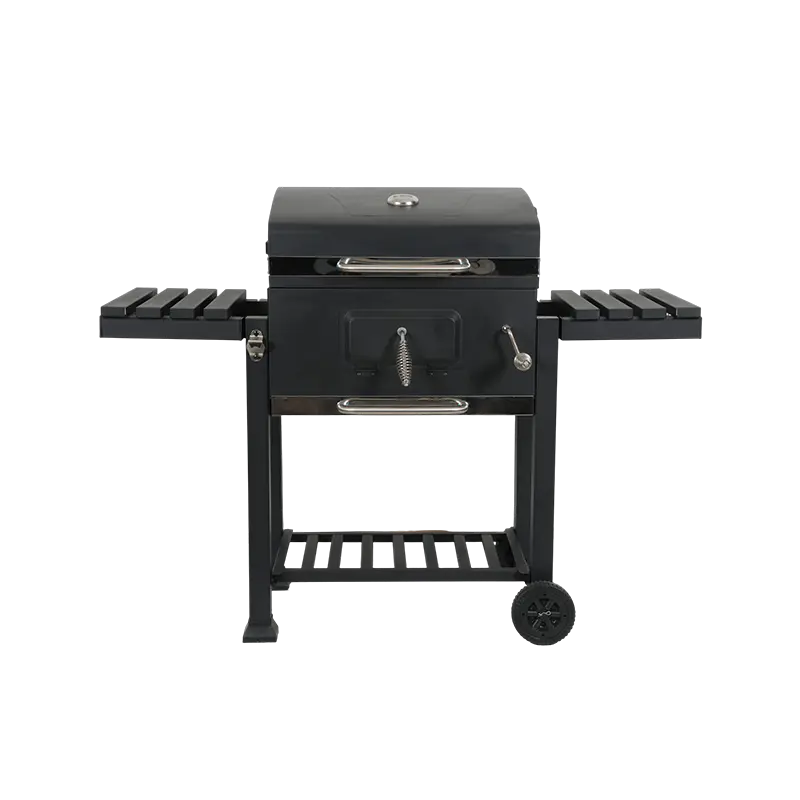 Garden Patio American Style Trolley Charcoal Smoker Grill Square Furnace
 -
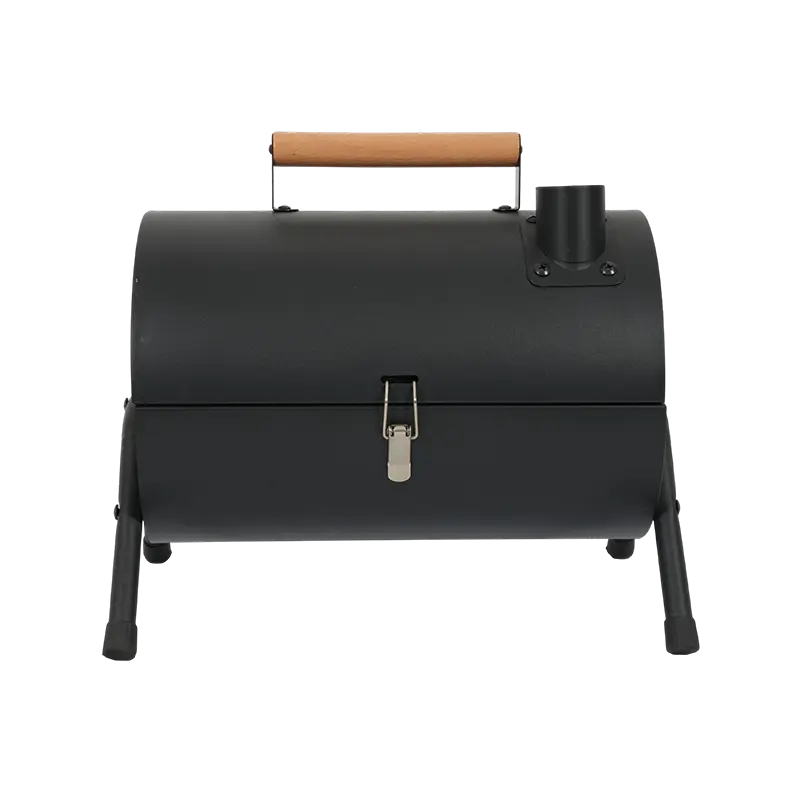 Tabletop Portable Double Sided Charcoal BBQ Grill Roaster
This compact and portable charcoal grill is designed for outdoor barbecue enthusiasts, easily handli...
-
 Multifunctional Campfire Tea Cooking Outdoor Portable Charcoal Grill
Scene Adaptability: Designed for outdoor enthusiasts, suitable for camping, picnics, caravan parties...
-
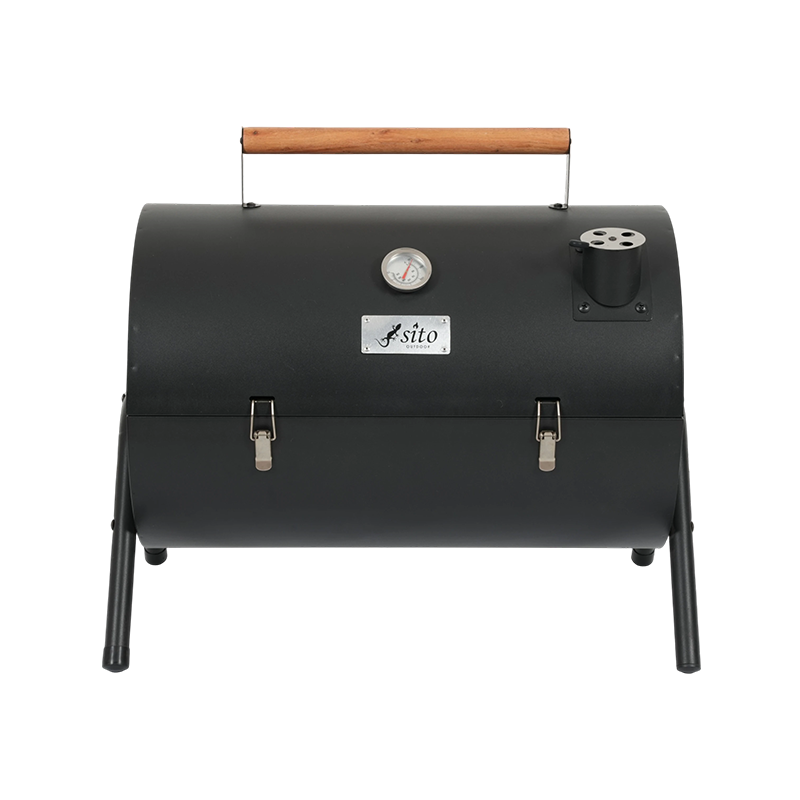 Wooden Handle Portable Tabletop Charcoal Roaster Grill
This portable grill is designed for outdoor barbecue enthusiasts and is perfect for camping trips, p...
-
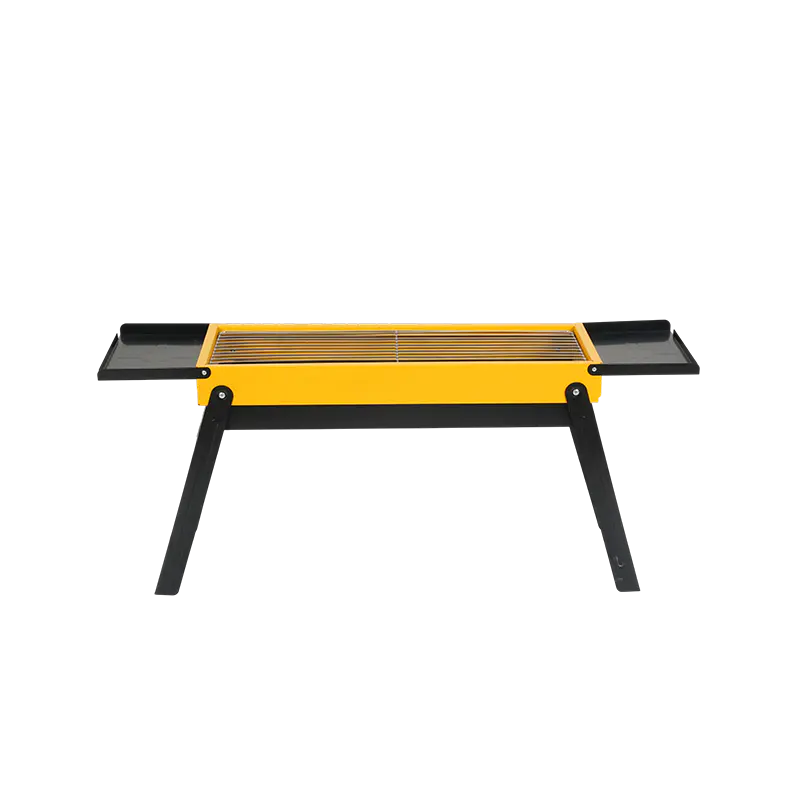 Portable Folding Outdoor Camping Charcoal Barbecue Grill
This portable, foldable outdoor camping charcoal grill is compact yet powerful, making it a great ch...
-
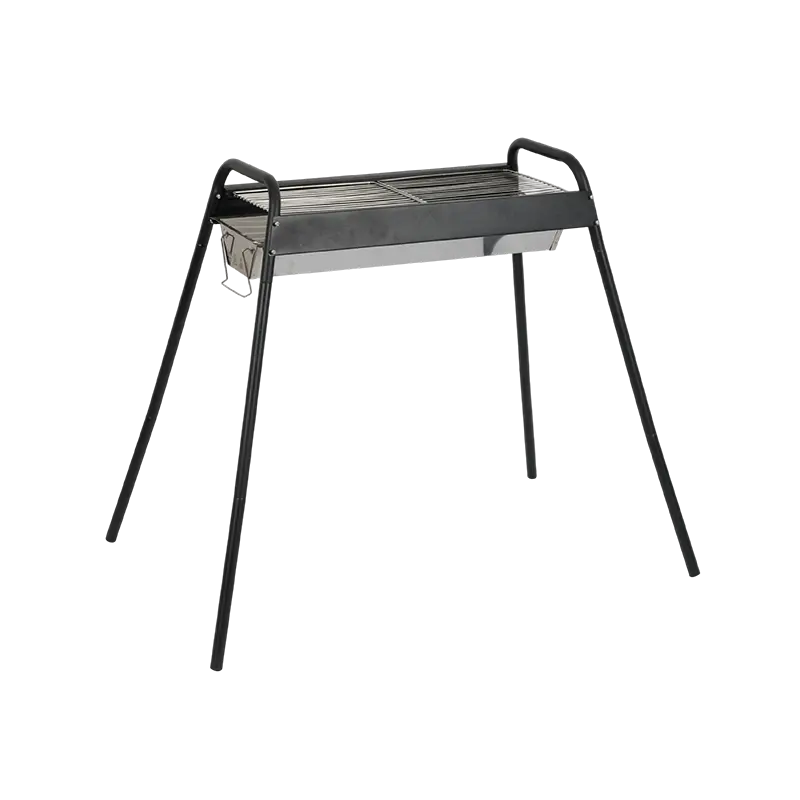 Outdoor Garden Portable Folding Charcoal Barbecue Grill
This portable, folding charcoal grill, designed specifically for outdoor BBQ enthusiasts, is perfect...

We are committed to integrity and quality, and we serve our customers with our professional oven manufacturing knowledge.
Phone: +86-13735628111
E-mail: [email protected]
Add: No.17 Ying Bin Road, Qing Xi Industry Zone, Xiang Zhu Town, Yongkang city,Zhenjiang province, China
Copyright © Yongkang Tongde Industry & Trade Co., Ltd. Rights
Reserved.

Outdoor BBQ Grill Manufacturer