
 English
  عربى
عربى  Español
This American-style trolley-mounted charcoal grill is designed for garden and patio barbecue enthusi...

Key Differences Between Charcoal and Gas Fire Tables
Author: Admin
Date: Feb 20,2026
Introduction to Fire Pit Tables
Fire pit tables have become a popular addition to outdoor living spaces, combining warmth, ambiance, and cooking functionality.
Among the common types are Charcoal Grill Fire Pit Tables and gas fire pit tables.
While both offer outdoor entertainment options, their differences can significantly affect the cooking experience, maintenance, and safety.
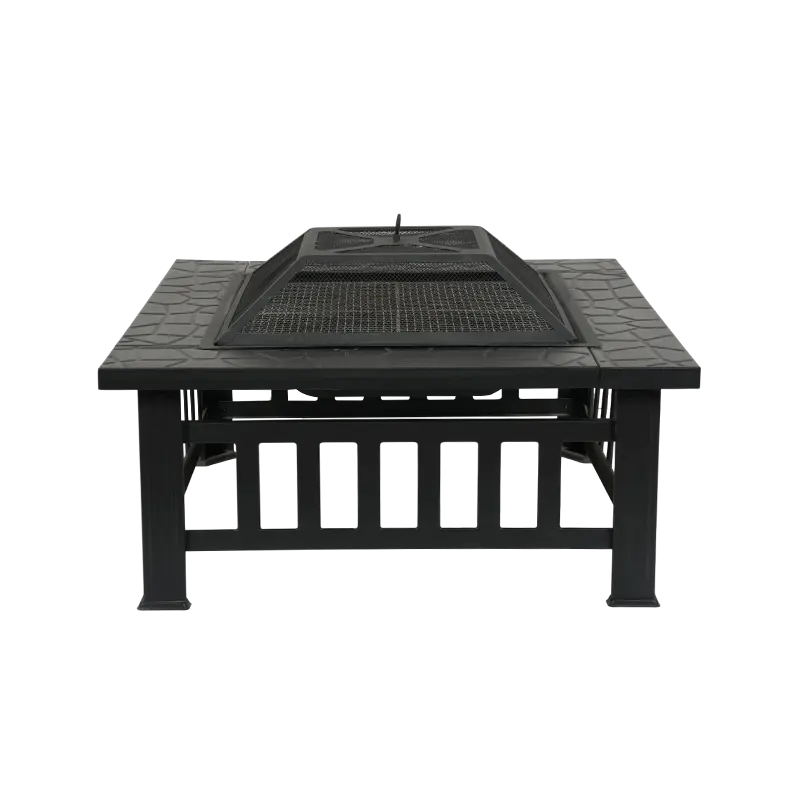
Fuel Source and Flavor Profile
Charcoal Fire Pit:
- Uses natural charcoal or briquettes as the primary fuel.
- Produces a smoky flavor that many grilling enthusiasts prefer.
- Imparts a traditional taste to meats and vegetables that is hard to replicate with gas.
Gas Fire Pit:
- Operates on propane or natural gas.
- Offers a cleaner and more neutral cooking flavor.
- Eliminates the smoke and ash associated with charcoal, which some users prefer for convenience.
Heat Control and Temperature Management
- Charcoal Fire Pit:
Heat is regulated by adjusting the charcoal placement and using vents.
Achieving consistent temperatures requires experience and monitoring.
Takes longer to reach a suitable cooking heat compared to gas.
- Gas Fire Pit:
Equipped with knobs or controls to adjust flame intensity instantly.
Provides precise temperature management, reducing the risk of overcooking or undercooking.
Heats up quickly and maintains a steady flame, which is ideal for consistent cooking.
Design and Material Considerations
1. Charcoal Fire Pit:
Typically includes a grill grate above the fire bowl for cooking.
May incorporate table surfaces or surrounding ledges for food prep.
Materials must withstand high heat and occasional ash contact.
2. Gas Fire Pit:
Often designed with burners hidden under decorative lava rocks or glass beads.
Provides a sleeker aesthetic and less direct contact with flame.
Table surfaces are easier to maintain since they do not come in direct contact with ash or soot.
Maintenance Requirements
Charcoal Fire Pit:
- Requires cleaning out ash and leftover charcoal after each use.
- Grill grates need scrubbing to prevent residue buildup.
- Fire bowls may accumulate soot, requiring occasional washing.
Gas Fire Pit:
- Minimal cleanup, as there is no ash or charcoal residue.
- Occasional maintenance involves checking burners and ensuring no blockages in gas lines.
- Overall, gas tables save time and effort on upkeep.
Safety Considerations
Charcoal Fire Pit:
- Open flames and hot coals present a higher risk of burns or accidental fires.
- Placement must be away from flammable materials and monitored closely.
- Fire extinguishing tools should always be nearby.
Gas Fire Pit:
- Flame can be easily controlled and turned off instantly.
- Less smoke and flying embers reduce fire hazards.
- Regular inspection of gas lines ensures safe operation.
Cost and Accessibility
- Charcoal Fire Pit:
Generally more affordable upfront.
Charcoal is inexpensive and widely available.
Long-term costs may vary depending on usage frequency and maintenance needs.
- Gas Fire Pit:
Higher initial cost due to gas components and installation requirements.
Operational cost includes propane refills or natural gas usage.
Offers convenience and efficiency, justifying higher expenses for frequent users.
Environmental Considerations
1. Charcoal Fire Pit:
Produces smoke and carbon emissions.
Eco-friendly charcoal options or lump charcoal can reduce impact.
2. Gas Fire Pit:
Burns cleaner with minimal smoke and pollutants.
Considered more environmentally friendly for regular outdoor use.
Choosing Between Charcoal and Gas Fire Tables
Flavor vs. Convenience:
- Charcoal is ideal for users prioritizing smoky flavor and a traditional grilling experience.
- Gas is better suited for those valuing fast setup, easy cleanup, and precise control.
Space and Safety Considerations:
- Charcoal requires more ventilation and careful placement.
- Gas tables are generally safer and more flexible for various outdoor layouts.
Maintenance Commitment:
- Consider whether you enjoy the hands-on process of charcoal grilling or prefer a low-maintenance gas solution.
- Selecting between a Charcoal Grill Fire Pit Table and a gas fire pit table ultimately depends on personal priorities such as flavor, convenience, safety, and maintenance.
- Both options can enhance outdoor gatherings, but understanding their differences ensures a better match for your lifestyle and space.
- By carefully evaluating heat control, design, cost, and environmental factors, users can make an informed choice that improves enjoyment and efficiency.
Contact Us Now
Related products
-
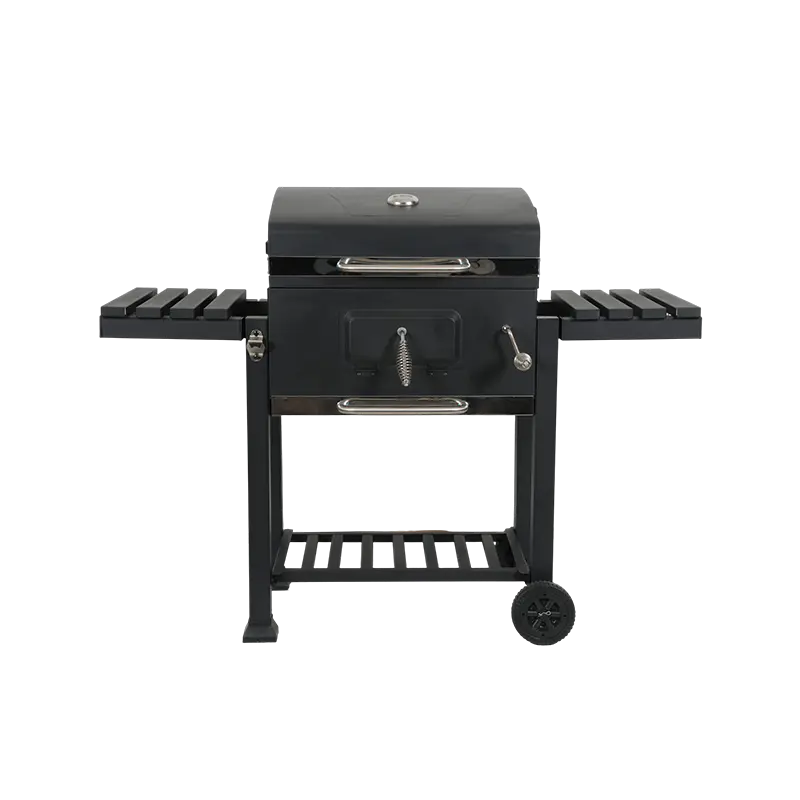 Garden Patio American Style Trolley Charcoal Smoker Grill Square Furnace
 -
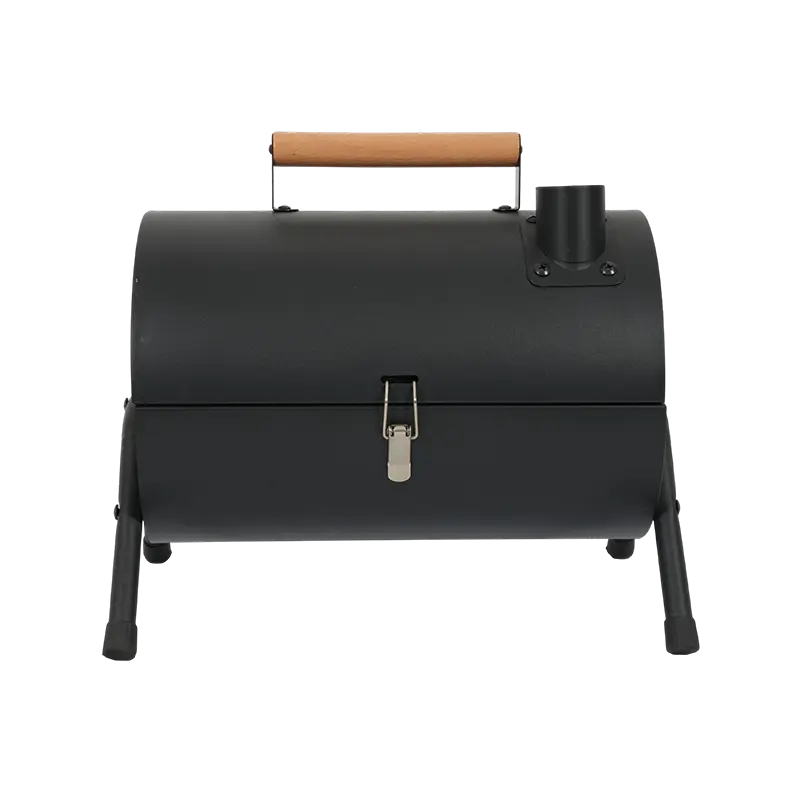 Tabletop Portable Double Sided Charcoal BBQ Grill Roaster
This compact and portable charcoal grill is designed for outdoor barbecue enthusiasts, easily handli...
-
 Multifunctional Campfire Tea Cooking Outdoor Portable Charcoal Grill
Scene Adaptability: Designed for outdoor enthusiasts, suitable for camping, picnics, caravan parties...
-
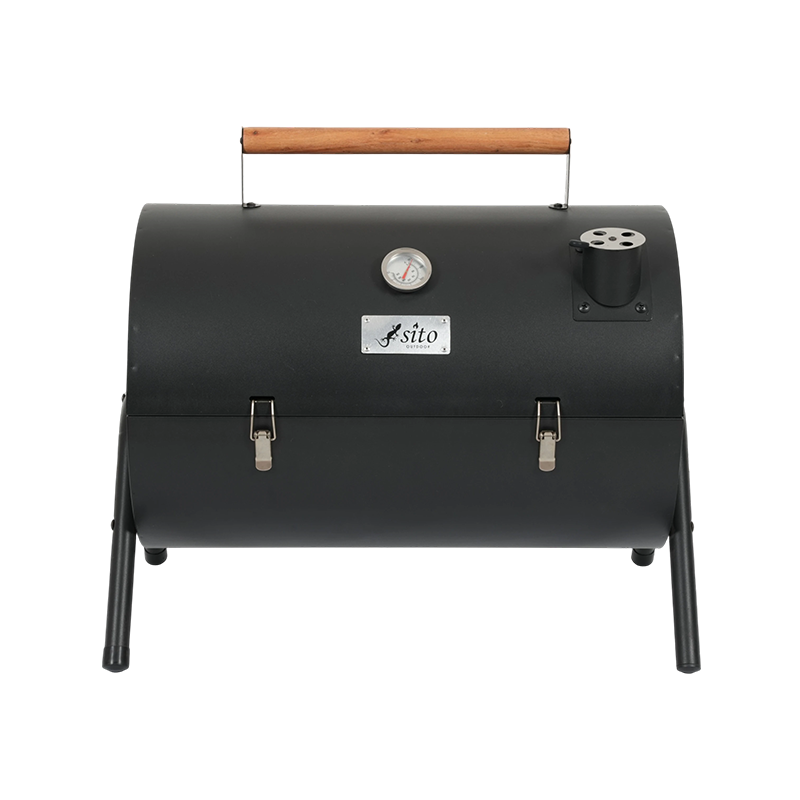 Wooden Handle Portable Tabletop Charcoal Roaster Grill
This portable grill is designed for outdoor barbecue enthusiasts and is perfect for camping trips, p...
-
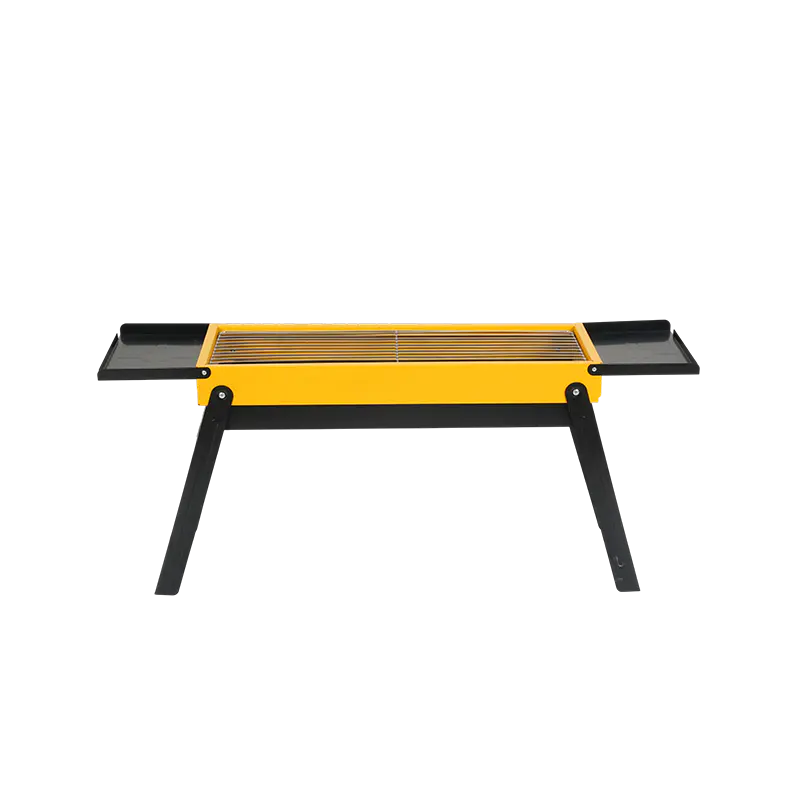 Portable Folding Outdoor Camping Charcoal Barbecue Grill
This portable, foldable outdoor camping charcoal grill is compact yet powerful, making it a great ch...
-
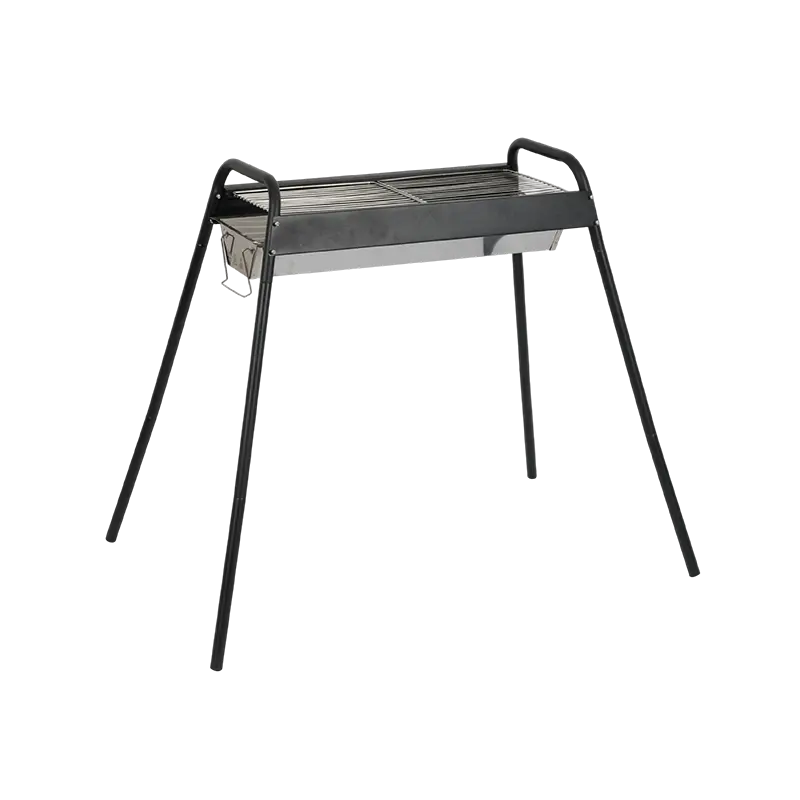 Outdoor Garden Portable Folding Charcoal Barbecue Grill
This portable, folding charcoal grill, designed specifically for outdoor BBQ enthusiasts, is perfect...

We are committed to integrity and quality, and we serve our customers with our professional oven manufacturing knowledge.
Phone: +86-13735628111
E-mail: [email protected]
Add: No.17 Ying Bin Road, Qing Xi Industry Zone, Xiang Zhu Town, Yongkang city,Zhenjiang province, China
Copyright © Yongkang Tongde Industry & Trade Co., Ltd. Rights
Reserved.

Outdoor BBQ Grill Manufacturer