
 English
  عربى
عربى  Español
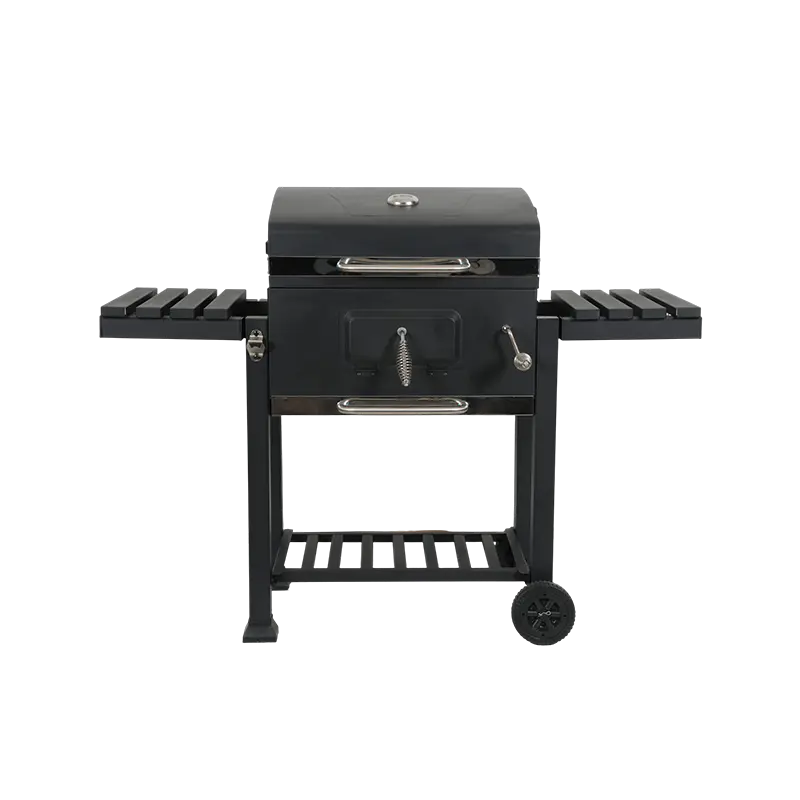
This American-style trolley-mounted charcoal grill is designed for garden and patio barbecue enthusi...

Heat Efficiency And Charcoal Distribution Of Steel Barbecue Fire Pit
Author: Admin
Date: Feb 13,2026
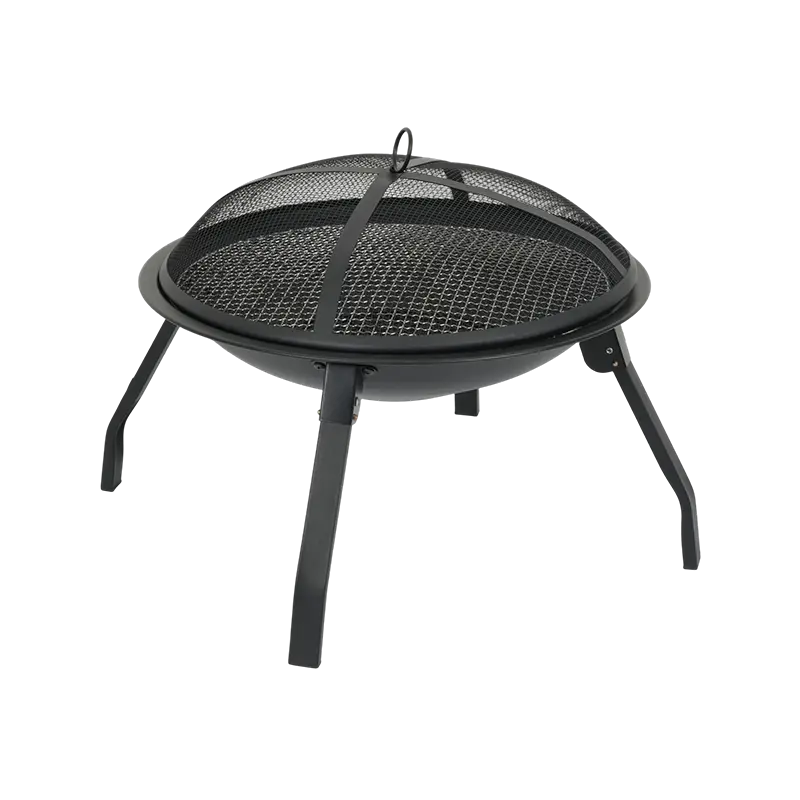
A Steel Barbecue Fire Pit is a versatile and durable option for outdoor cooking, combining the convenience of a grill with the warmth of a fire pit. These pits are often used for backyard barbecues, camping trips, and outdoor gatherings. One of the critical factors for an enjoyable cooking experience is the heating efficiency and how evenly charcoal distributes heat across the cooking surface. Understanding these aspects helps users optimize cooking performance and safety, and it also provides a useful comparison to portable alternatives like a Foldable Charcoal Barbecue Grill.
Material Quality and Heat Conductivity
- Steel Thickness and Composition
The thickness and type of steel used in a fire pit affect how quickly it heats and retains warmth. Heavy-gauge steel conducts heat more evenly and resists warping under high temperatures, while thinner steel may develop hot spots and lose heat rapidly.
- Heat Retention
Steel fire pits with coated or treated surfaces help maintain consistent temperature, reducing charcoal consumption and improving overall heating efficiency. High-quality steel ensures that heat radiates evenly to the cooking grate and surrounding food.
Charcoal Placement and Distribution
1. Great Design
The cooking grate’s design plays a vital role in charcoal fire distribution. Grates with perforations or adjustable heights allow better airflow, which ensures charcoal burns evenly and maintains steady heat.
2. Charcoal Arrangement
Proper placement of charcoal, such as using a circular or pyramid stacking method, can create consistent heat zones. Uneven distribution often results in some areas being too hot and others too cool, affecting cooking results.
3. Airflow and Ventilation
Fire pits with vents or adjustable openings provide better oxygen flow, helping charcoal burn more efficiently and reducing cold spots on the cooking surface.
Factors Affecting Heating Efficiency
- Type of Charcoal
Lump charcoal ignites quickly and produces higher heat, while briquettes burn longer and more steadily. Selecting the appropriate charcoal type impacts both heat efficiency and cooking consistency.
- Weather Conditions
Outdoor factors such as wind, humidity, and ambient temperature can affect how well the steel fire pit distributes heat. Placing the pit in a sheltered area reduces heat loss and improves cooking performance.
- Cooking Load
The amount of food placed on the grate influences airflow and heat distribution. Overcrowding can block heat flow and reduce overall efficiency, while a moderate load allows even cooking.
Tips to Optimize Charcoal Fire Distribution
1. Preheat the Pit
Allow the fire pit to preheat for 10–15 minutes before placing food. This ensures that the steel reaches a stable temperature and charcoal burns evenly.
2. Adjustable Grates
Using grates with height adjustments allows users to control cooking intensity, placing food closer or farther from the charcoal depending on heat distribution.
3. Rotate and Move Charcoal
Occasionally shifting or rotating charcoal during cooking prevents hot spots and promotes even heat across the cooking surface.
Comparison with the Foldable Charcoal Barbecue Grill
- Portability vs. Heat Performance
While a Foldable Charcoal Barbecue Grill offers convenience and portability for camping or travel, steel fire pits typically outperform them in heating efficiency due to thicker steel construction and larger charcoal capacity.
- Stable Charcoal Zones
Steel fire pits allow for more consistent charcoal placement, which results in better heat distribution and uniform cooking, compared to smaller, foldable grills where charcoal tends to cluster unevenly.
Maintenance and Longevity
1. Cleaning After Use
Removing ash and debris regularly helps maintain airflow and improve heating efficiency for future use.
2. Rust Prevention
Applying heat-resistant coatings or storing the fire pit in a sheltered area prevents corrosion, which can affect heat conduction over time.
3. Inspecting Grates and Steel Panels
Regular inspection ensures structural integrity, preventing warping or uneven cooking surfaces that could reduce efficiency.
The heating efficiency and charcoal distribution of a Steel Barbecue Fire Pit depend on multiple factors, including steel quality, grate design, charcoal arrangement, and airflow management. Proper preheating, strategic charcoal placement, and routine maintenance can significantly enhance cooking performance. Compared to portable alternatives like a Foldable Charcoal Barbecue Grill, steel fire pits generally provide more stable and even heat, making them ideal for larger gatherings and more consistent cooking results. Understanding these elements allows users to improve efficiency, enjoy safer outdoor cooking, and achieve the barbecue outcomes.
Contact Us Now
Related products
-
 Garden Patio American Style Trolley Charcoal Smoker Grill Square Furnace
 -
 Tabletop Portable Double Sided Charcoal BBQ Grill Roaster
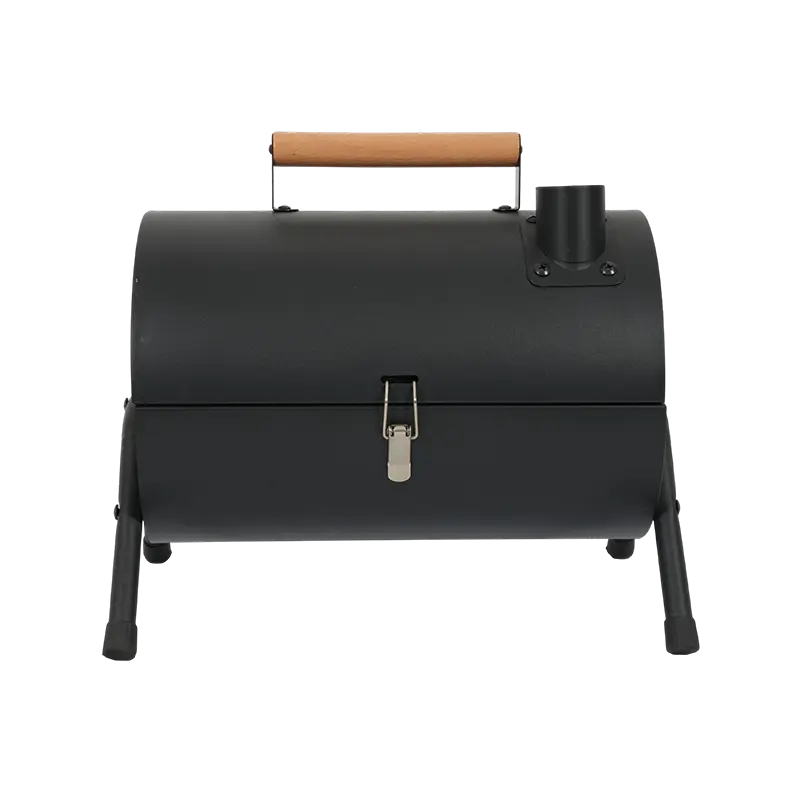
This compact and portable charcoal grill is designed for outdoor barbecue enthusiasts, easily handli...
-
 Multifunctional Campfire Tea Cooking Outdoor Portable Charcoal Grill
Scene Adaptability: Designed for outdoor enthusiasts, suitable for camping, picnics, caravan parties...
-
 Wooden Handle Portable Tabletop Charcoal Roaster Grill
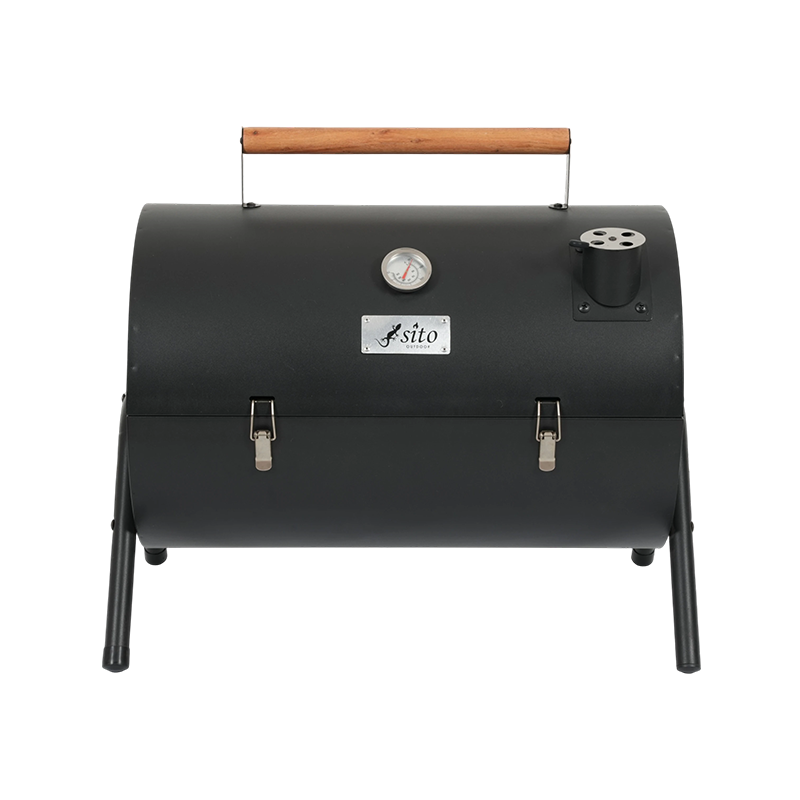
This portable grill is designed for outdoor barbecue enthusiasts and is perfect for camping trips, p...
-
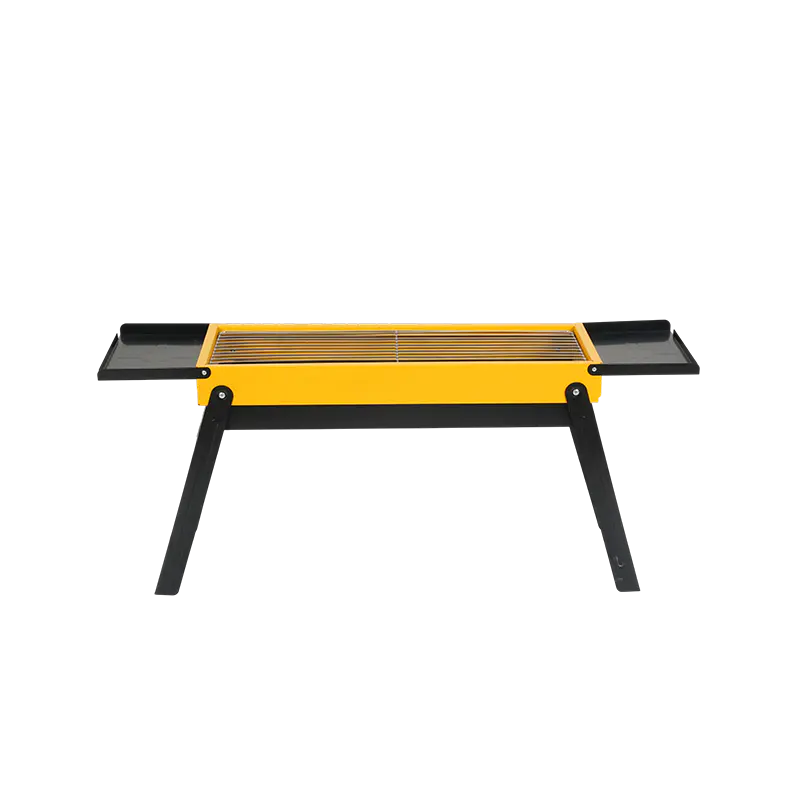 Portable Folding Outdoor Camping Charcoal Barbecue Grill
This portable, foldable outdoor camping charcoal grill is compact yet powerful, making it a great ch...
-
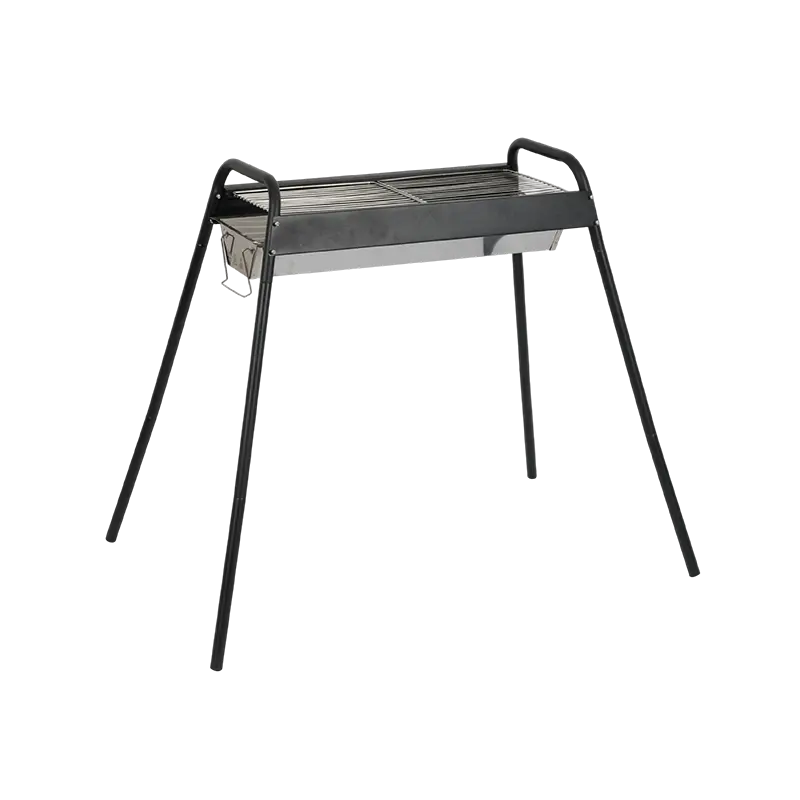 Outdoor Garden Portable Folding Charcoal Barbecue Grill
This portable, folding charcoal grill, designed specifically for outdoor BBQ enthusiasts, is perfect...

We are committed to integrity and quality, and we serve our customers with our professional oven manufacturing knowledge.
Phone: +86-13735628111
E-mail: [email protected]
Add: No.17 Ying Bin Road, Qing Xi Industry Zone, Xiang Zhu Town, Yongkang city,Zhenjiang province, China
Copyright © Yongkang Tongde Industry & Trade Co., Ltd. Rights
Reserved.

Outdoor BBQ Grill Manufacturer