
 English
  عربى
عربى  Español
This American-style trolley-mounted charcoal grill is designed for garden and patio barbecue enthusi...

Why Does Garden Trolley BBQ Fit Outdoor Cooking Movement
Author: Admin
Date: Aug 07,2026
Outdoor cooking has quietly shifted from a simple grilling task into something closer to a lifestyle feature. A backyard cooking area used to mean one thing — a place to cook food — but these days it doubles as a spot for family time, casual gatherings, and general downtime. Equipment has had to keep pace with that shift, adapting to different settings rather than staying locked into one fixed spot.
Traditional grilling setups tend to anchor themselves to a permanent position. That's fine for a dedicated space, but it starts causing headaches the moment someone wants to rearrange the yard. A grill parked in one garden corner doesn't do much good when the weather turns or guests end up clustering somewhere else entirely.
A handful of everyday situations tend to push people toward something more flexible:
- Shade becomes the priority spot once the weather heats up
- A patio needs to switch roles for different activities on different days
- Tools and ingredients need to stay within arm's reach of wherever cooking's happening
- Tight outdoor spaces need equipment that can get out of the way when it's not in use
Modern outdoor living leans hard on adaptability. People increasingly want equipment that supports real cooking without demanding a full permanent outdoor kitchen build. An Outdoor Trolley For BBQ answers that directly, folding cooking, mobility, and storage into a single unit rather than scattering the grill, prep tools, and accessories across separate zones.
This whole trend — gardens and patios turning into flexible, multi‑purpose living space — is really what's driving cooking equipment to become just as adaptable as the spaces it lives in.
How Mobility Makes Garden Trolley BBQ Suitable for Modern Outdoor Use
Movement is really the core reason trolley‑style BBQ units fit modern outdoor habits so well. A fixed cooking station stays wherever it was first placed; a mobile one goes wherever the moment actually calls for it.
Outdoor conditions shift constantly — sun angle, wind, where the guests happen to be standing, how much open space is left. A mobile setup hands users real control over all of that instead of forcing them to work around a stationary grill.
Wheels and handles do the heavy lifting here, letting the whole unit roll from one spot to another without much effort at all. It can sit right next to the dining table during meal prep, then roll off to storage the moment cleanup starts.
That mobility pays off in a few concrete ways:
- Flexible location adjustment. Outdoor spaces rarely serve just one purpose — a garden hosting a cookout today might host something else entirely tomorrow. A movable BBQ station adapts to whatever arrangement comes next instead of permanently claiming one spot.
- Better space management. Tight outdoor areas benefit enormously from equipment that shows up when needed and disappears when it's not, freeing up the space for whatever else the moment calls for.
- Easier outdoor organization. Keeping the cooking setup close to where people are actually gathered cuts down on unnecessary back‑and‑forth — ingredients, tools, and serving pieces can all stay near the action instead of spread across the yard.
A Garden Trolley BBQ is really built around this exact idea. The real value of mobility isn't just relocating a heavy object — it's rethinking how the whole outdoor cooking area gets planned and used in the first place.
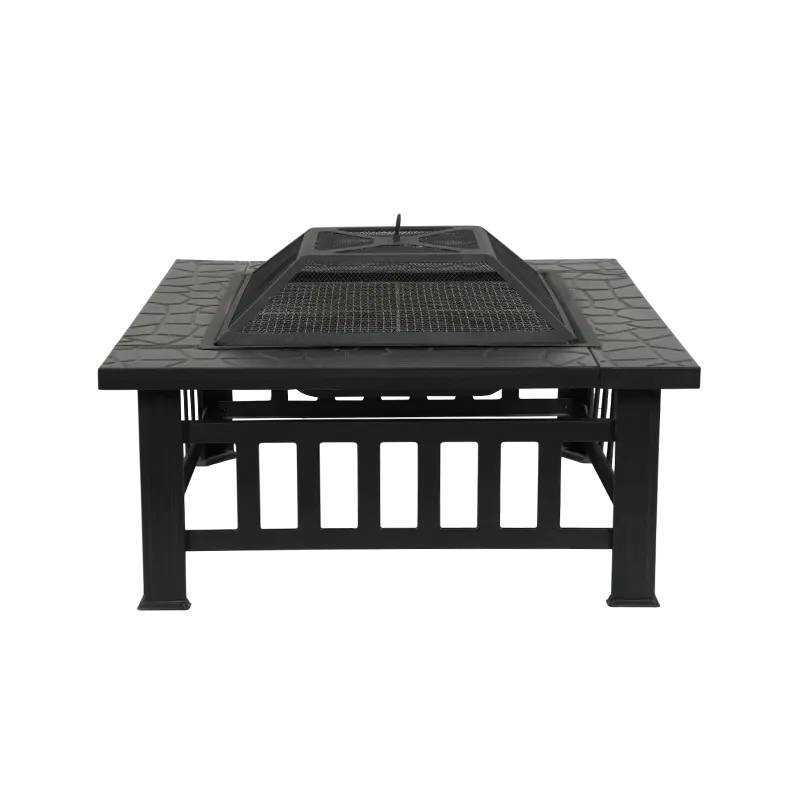
How Integrated Preparation Space Changes Outdoor Cooking Workflow
Grilling is rarely the whole job outdoors. Prep, seasoning, plating, and cleanup all tie together into one continuous process, and without enough workspace, that usually means repeated trips back and forth to the indoor kitchen.
A well‑thought‑out cooking station solves this by giving ingredients, plates, and utensils an actual place to live. Side shelves, hanging hooks, and extra surface area turn the space around the grill into a genuine prep zone rather than just a cooking spot.
A standalone prep table eats up extra room; an integrated design keeps everything within reach of everything else instead. Prepping ingredients, watching the grill, and plating finished food can all happen in the same few square feet.
A smoother workflow tends to look like this:
- Prep happens right beside the grill, not somewhere else entirely
- Frequently used tools stay within arm's reach the whole time
- Serving pieces sit near the food the moment it's ready
- Cleanup has its own clear, dedicated space once cooking wraps up
| Design Element | Function During Outdoor Cooking | Practical Effect |
|---|---|---|
| Side Shelves | Provide temporary preparation space | Keep ingredients and tools nearby |
| Tool Hooks | Hold frequently used accessories | Reduce clutter around the cooking area |
| Lower Storage Area | Organize larger supplies | Keep outdoor space cleaner |
| Movable Structure | Adjust cooking position | Support different outdoor layouts |
When everything has a logical place, cooking and prep stop feeling disconnected and start flowing into each other naturally. That's really the point — less time managing equipment, more time actually enjoying the cookout. A compact prep system like this earns its keep especially in spaces where a full permanent structure just isn't practical, offering real working space without sacrificing the flexibility that made a mobile setup appealing in the first place.
Why Smart Storage Supports a Cleaner and More Organized Outdoor Area
Storage carries more weight in outdoor cooking than people often assume, simply because so many accessories come into play before, during, and after grilling. Skip proper organization, and fuel, cleaning supplies, tools, and serving gear end up scattered across the whole cooking area within minutes.
A trolley built with dedicated storage sections fixes this cleanly — lower shelves handle bulkier items, while smaller compartments keep frequently‑used tools within quick reach.
Thoughtful storage planning tends to pay off in three specific ways.
Keeping everything together matters most with small items. Outdoor cooking involves a surprising number of little tools and accessories, and having a fixed spot for each one saves the constant hunting‑around that otherwise eats into prep time.
Visual order matters too, honestly more than people expect. A tidy cooking area just feels more comfortable to be around, and tucking unused items out of sight keeps the main workspace from turning cluttered mid‑cookout.
Smoother prep follows naturally once supplies are properly arranged. Fewer interruptions, fewer trips to grab something misplaced — a well‑organized storage layout ties prep, cooking, and cleanup together into one continuous flow instead of three separate scrambles.
Storage design ultimately shapes how naturally a piece of equipment fits into outdoor living overall. A cooking station capable of storing its own accessories slots into gardens, patios, and recreational spaces far more easily than one that needs a separate storage solution tacked on afterward.
How Multi‑Function Design Expands the Role of Outdoor Cooking Equipment
Outdoor cooking gear doesn't have to do just one job anymore. As outdoor spaces settle into daily leisure routines, people increasingly expect cooking equipment to earn its keep across different situations, not just sit idle between grilling sessions.
A movable cooking unit built with extra functions can shift right alongside whatever's happening outdoors that day. Once the grilling wraps up, that same piece of equipment can keep working — holding drinks, staging ingredients, or just anchoring an outdoor gathering.
This kind of flexibility shows up in a few distinct ways.
Serving area support. Food prep and serving tend to happen in the same general spot during outdoor meals, so extra working surface gives dishes, drinks, and finished food somewhere to land — turning the shift from cooking to eating into something smoother rather than chaotic.
Outdoor activity assistance. A trolley‑style unit isn't locked into grilling duty alone. It can double as a temporary work surface during gardening, casual get‑togethers, or just an afternoon of family time in the yard.
Space adaptation. Plenty of outdoor areas need to pull double duty — a garden hosting a cookout on Saturday might turn into a quiet relaxation spot by Sunday evening. Equipment built with flexible functions slots into that shifting arrangement without permanently claiming space it doesn't need.
This growing appetite for multifunctional outdoor gear tracks a broader shift in how people think about their gardens, patios, and balconies — increasingly as extensions of the indoor living space rather than separate outdoor zones. Furniture, storage, and cooking equipment are expected to work together within that same environment now.
A Garden Trolley BBQ fits neatly into this shift, pairing cooking support with genuinely flexible outdoor organization. Rather than carving out a separate zone for every single activity, one movable unit ends up connecting several outdoor functions at once.
How Outdoor Trolley For BBQ Matches the Social Side of Outdoor Cooking
Outdoor cooking was never really just about the food. Conversation, sharing, and time spent together are baked into the whole process, and how equipment gets arranged shapes how naturally people can join in.
A fixed cooking station tends to pull the cook away from everyone else physically. A movable setup opens up real options instead, letting the cooking position shift depending on how the group's actually arranged that day.
The grill can roll closer to the seating area during a social gathering, for instance, so the person cooking stays part of the conversation instead of standing off to the side, cut off from everyone.
A flexible cooking arrangement tends to support a range of social moments:
- Family meals where prep and dining share the same outdoor space
- Casual get‑togethers where cooking becomes part of the fun rather than a chore off to the side
- Garden events where space needs adjusting depending on how many people show up
- Quiet outdoor relaxation where cooking equipment needs to blend into the surroundings rather than dominate them
Cooking and social interaction have become genuinely intertwined in how equipment gets designed. Mobility, storage, and prep space no longer function as separate features bolted together — they work as one connected system supporting the whole outdoor experience.
This mobility trend ties directly into broader lifestyle shifts, too. Plenty of outdoor spaces are built around relaxation, entertainment, and personal downtime now, and equipment that can move and adapt simply fits better into environments where the layout changes from one week to the next.
Which Design Factors Affect the Practical Use of Garden Trolley BBQ
Mobility and multifunctionality open up plenty of possibilities on paper, but the practical details are what actually decide whether a unit holds up under real outdoor conditions. A solid design has to balance movement, storage, stability, and everyday upkeep all at once.
Wheel structure and movement control. How smoothly a unit rolls depends heavily on the surface underneath it — gardens, patios, and outdoor flooring vary enough that wheel design genuinely affects both comfort of movement and how stable the unit feels once it's in position. Locking mechanisms matter just as much here, since cooking demands a setup that won't shift mid‑use. Easy movement and secure placement really need to work as a pair, not a trade‑off.
Working surface arrangement. Prep space shapes how smoothly the whole cooking process flows. A thoughtfully laid‑out surface keeps ingredients, utensils, and serving pieces within comfortable reach, and the size and position of that surface influence everything from early prep through final plating.
Storage layout. Storage needs to match whatever accessories people actually reach for during outdoor cooking, and since that varies from household to household, flexible storage areas tend to pay off in daily convenience. A practical layout usually includes open shelves for frequently grabbed items, hanging space for smaller tools, and covered sections for anything that needs protection from the elements.
Material selection and outdoor conditions. Equipment left outdoors deals with moisture, dust, and shifting temperatures constantly, and material choice along with surface protection genuinely determines how well a unit holds up across different climates and settings over time.
| Design Consideration | Role in Outdoor Use | Related Requirement |
|---|---|---|
| Mobility | Allows position changes during activities | Smooth movement and stable placement |
| Storage | Keeps accessories organized | Suitable space arrangement |
| Working Area | Supports preparation and serving | Comfortable operating layout |
| Outdoor Adaptability | Handles different environments | Appropriate material choices |
A trolley design really succeeds or fails on how well these pieces work together. Mobility without decent storage falls short pretty quickly, and storage without easy movement cuts into the flexibility that made the whole design appealing in the first place. Getting the balance right is what lets outdoor cooking equipment keep pace with changing daily use.
How Outdoor Cooking Equipment Design Continues to Adapt
Outdoor lifestyles keep shaping where cooking equipment design heads next, with growing emphasis on flexible spaces, straightforward organization, and gear that can flex across different activities rather than sticking to one job.
Permanent outdoor kitchens still make sense for plenty of spaces, but movable cooking solutions offer a genuine alternative wherever flexibility matters more than a fixed setup. A trolley‑style BBQ lets someone build a temporary cooking zone without touching the underlying outdoor structure at all.
Design attention going forward seems likely to focus on:
- Getting more out of limited outdoor space
- Blending cooking and leisure activities more naturally
- Simplifying storage management further
- Building designs that adapt across genuinely different outdoor environments
This whole trajectory reflects a broader shift in how people use their living spaces — cooking areas increasingly connecting with gardens, patios, and recreational zones rather than sitting apart as isolated functional corners.
A movable BBQ station captures that shift well, folding cooking, prep, storage, and social interaction into one adaptable setup. Through genuinely practical design choices, outdoor cooking keeps getting easier to organize while staying flexible enough to handle whatever situation comes next.
Contact Us Now
Related products
-
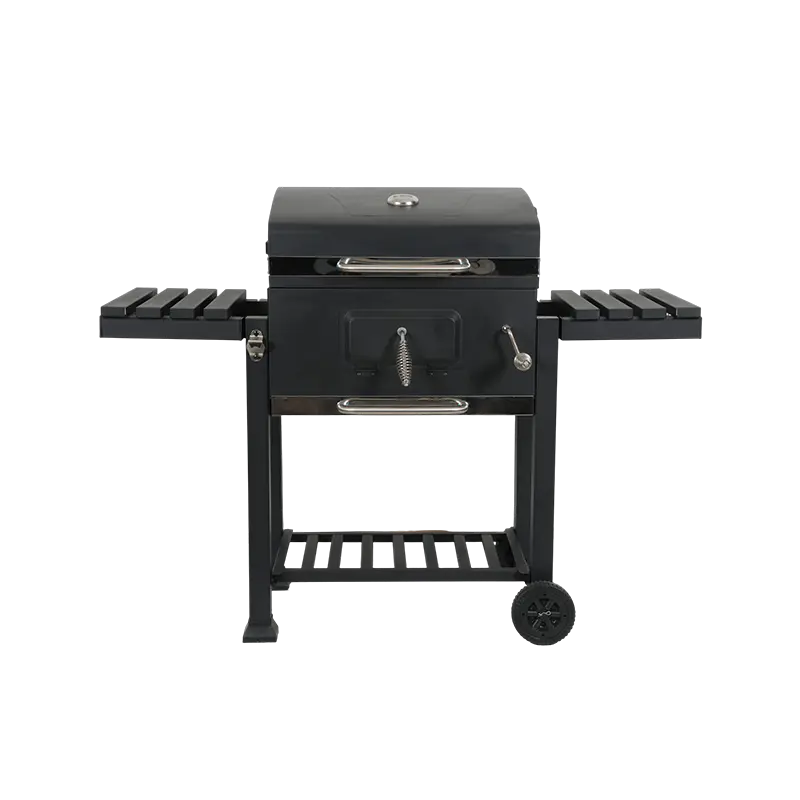 Garden Patio American Style Trolley Charcoal Smoker Grill Square Furnace
 -
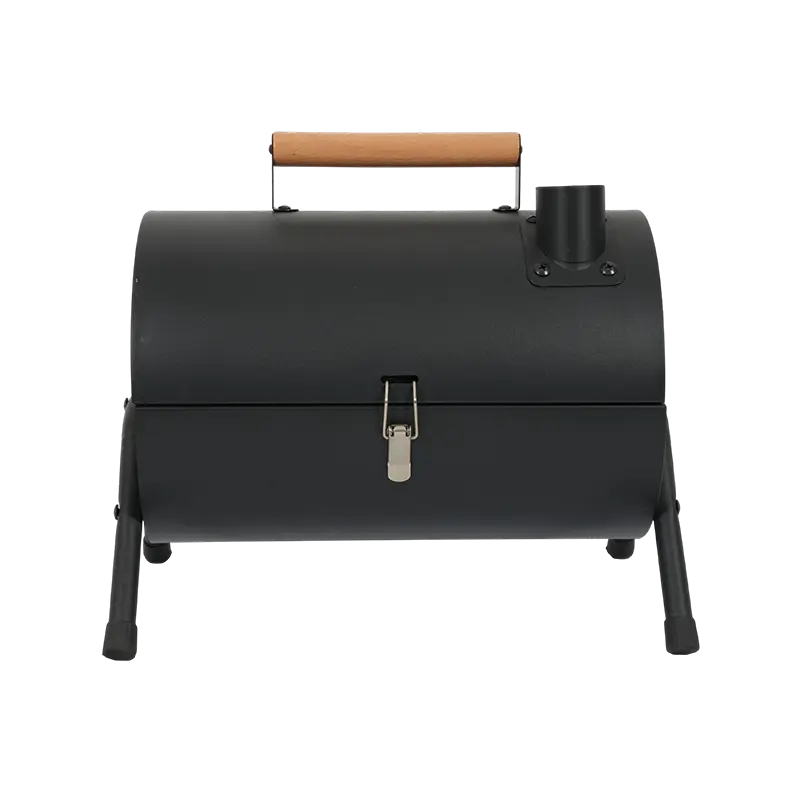 Tabletop Portable Double Sided Charcoal BBQ Grill Roaster
This compact and portable charcoal grill is designed for outdoor barbecue enthusiasts, easily handli...
-
 Multifunctional Campfire Tea Cooking Outdoor Portable Charcoal Grill
Scene Adaptability: Designed for outdoor enthusiasts, suitable for camping, picnics, caravan parties...
-
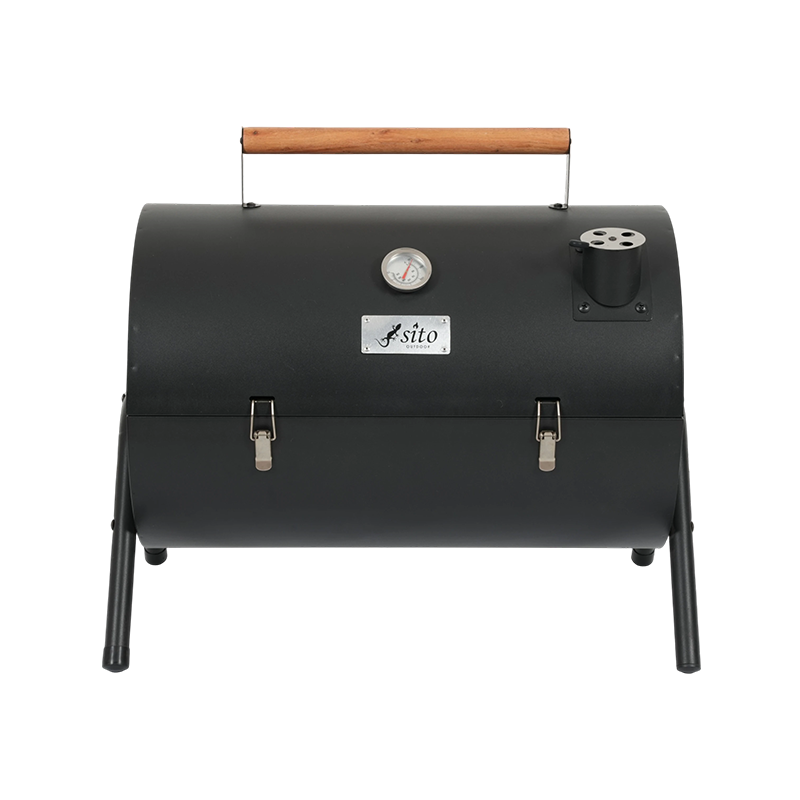 Wooden Handle Portable Tabletop Charcoal Roaster Grill
This portable grill is designed for outdoor barbecue enthusiasts and is perfect for camping trips, p...
-
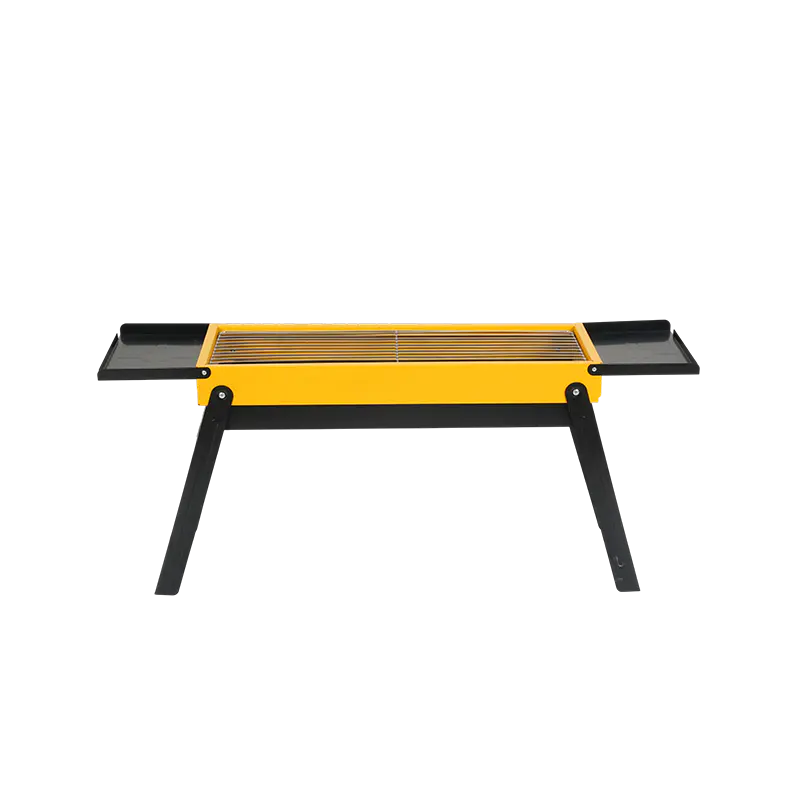 Portable Folding Outdoor Camping Charcoal Barbecue Grill
This portable, foldable outdoor camping charcoal grill is compact yet powerful, making it a great ch...
-
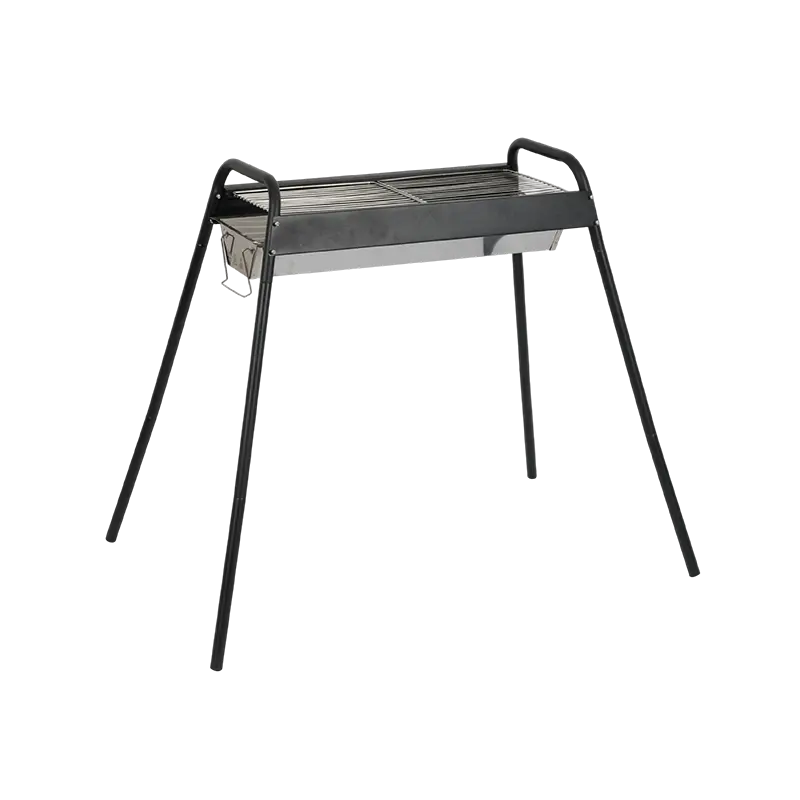 Outdoor Garden Portable Folding Charcoal Barbecue Grill
This portable, folding charcoal grill, designed specifically for outdoor BBQ enthusiasts, is perfect...

We are committed to integrity and quality, and we serve our customers with our professional oven manufacturing knowledge.
Phone: +86-13735628111
E-mail: [email protected]
Add: No.17 Ying Bin Road, Qing Xi Industry Zone, Xiang Zhu Town, Yongkang city,Zhenjiang province, China
Copyright © Yongkang Tongde Industry & Trade Co., Ltd. Rights
Reserved.

Outdoor BBQ Grill Manufacturer