
 English
  عربى
عربى  Español
This American-style trolley-mounted charcoal grill is designed for garden and patio barbecue enthusi...

What Is Outdoor Folding Grill Table Used For Camping BBQ
Author: Admin
Date: Jul 31,2026
The kitchen at home tends to have counters, cabinets, and a sink. Everything has its place, and every tool is usually within reach. A campsite kitchen lacks most of those amenities. The cook works with whatever they can carry, and the space available is basically whatever the site happens to offer. The ground often ends up being the default surface if nothing else is around.
Cooking outdoors tends to require some adaptation. Food needs to be prepared, tools need to be organized, and hot food needs somewhere to land. Without a proper work surface, the cook often ends up juggling ingredients on a cooler lid, a stump, or the tailgate of a vehicle. That limited space tends to slow the cooking process down and can create a fair bit of unnecessary hassle.
A dedicated work surface tends to change the outdoor cooking experience quite a bit. The table holds the food, the tools, and the supplies. The cook can focus more on the food itself rather than on managing limited space.
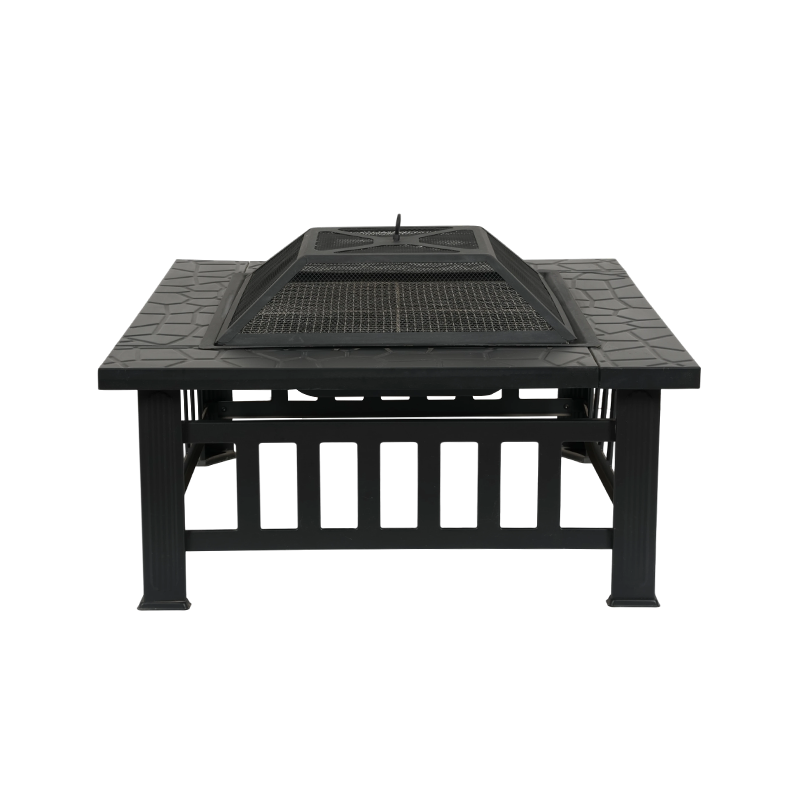
What a Camping BBQ Table Brings to the Setup
The primary function of an Outdoor Folding Grill Table is usually to provide a work surface at the campsite. The table tends to support food preparation, tool organization, and serving. It helps separate the cooking tasks from the grill itself, which tends to let the cook work a bit more efficiently.
The folding design tends to make the table practical for camping. A table that folds flat fits into the vehicle and stores away in the garage or closet at home. That portability tends to mean it can go wherever the camping trip takes it.
Having a dedicated surface at the campsite tends to serve a fairly practical purpose too. Food prepared directly on the ground can pick up dirt and debris. A table raises the preparation area to a more comfortable height and helps keep the food cleaner.
How a Folding Design Supports Outdoor Cooking
The folding design tends to help with one of the trickier parts of camping gear: limited space. A table that folds into a compact shape tends to pack more easily than a rigid table of the same size. The reduced volume tends to leave more room for other gear in the vehicle.
Lightweight construction tends to work well alongside the folding design. A table that's easy to carry tends to get used more often. A heavier table may end up left behind simply because it's too much trouble to bring along.
Quick setup and takedown tend to matter quite a bit at the campsite. A table that requires tools or complicated assembly can create some frustration after a long drive. A table that unfolds and locks into place tends to get set up fairly quickly and lets the cook start preparing food sooner.
The portability also tends to mean the table can move around the campsite as needed. The cook can position it wherever it's needed, whether that's close to the fire, near the tent, or under a canopy for shade.
What Preparation Tasks the Table Supports
Food preparation at the campsite usually involves chopping, slicing, and assembling. The table tends to provide a fairly stable surface for cutting vegetables, trimming meat, and preparing marinades. A cutting board placed on the table tends to sit at a reasonably comfortable working height.
Seasoning and marinating tend to happen on the table too. The cook can arrange ingredients, mix marinades, and coat meats without juggling items on an uneven surface. The table tends to keep everything within reach.
Organizing utensils and condiments on the table tends to make the cooking process go a bit smoother. The cook generally knows where each tool is and doesn't have to dig through a bag or cooler as much. That organization tends to cut down the time spent on each task.
Serving cooked food from the table tends to work well for group meals. The cook can place dishes on the table for self-service, or guests can assemble their own plates from what's laid out.
How the Table Works Alongside the Grill
The arrangement of the table relative to the grill tends to shape the cooking experience somewhat. A table placed within arm's reach of the grill tends to let the cook move food from one to the other without crossing the whole campsite. That closer proximity tends to reduce the distance food has to travel from preparation to heat.
The table tends to serve as a landing spot for hot food coming off the grill. The cook can place cooked items on a platter or directly onto serving dishes. The table also tends to hold the tools used during grilling, keeping them off the ground and reasonably within reach.
The table can also provide a bit of a buffer between the cook and the grill. The cook can step away from the heat to prepare the next round of food or check the table for additional supplies.
| Feature | Benefit | Consideration |
|---|---|---|
| Tabletop material | Heat and weather resistance | Affects weight and durability |
| Height adjustability | Comfort for different users | Adds mechanism complexity |
| Weight capacity | Determines what can be placed on it | Heavier frame adds weight |
| Side shelves | Extra work space | Adds to folded size |
| Carrying case | Protects table during transport | Adds an extra item to pack |
None of these features tend to matter equally for every camper—it usually comes down to how the table gets used and how much gear needs to travel alongside it.
What Makes the Table Suitable for Different Camping Settings
Campsites come in all shapes. Some are flat and open. Others slope or have rocky patches where only a few spots work for setting up. A table that stands firm on uneven ground makes a real difference. Adjustable legs that compensate for dips and rises keep the surface level, even when the ground does not cooperate.
Sizes vary across tables as well. A small table suits a solo camper or a couple. A larger surface works for a family or a group gathering where multiple people need to prep food at once. The right size depends on how many eat and how much cooking happens at the site.
Different grill types pair with different table heights and widths. A table that works with a charcoal kettle may not suit a gas flat-top that spreads heat differently. The table should match the grill style and the cooking method.
The distinction between a camping table and a home-use table shows up in the details. Camping tables fold, pack small, and handle transport without damage. Home tables weigh more and stay in one place. A table built for home use does not travel well, and a camping table does not offer the same stability for permanent installation.
How the Table Helps with Cleanup and Organization
Meal cleanup at a campsite can feel like a chore without a designated surface. The table gives the cook a place to wash and dry dishes away from the dirt. A basin of soapy water sits on one end, and a drying rack or towel takes the other.
Keeping dirty items separate from clean ones becomes easier with space to spread out. Used tools and plates stay on one side of the table while clean dishes wait on the other. The separation prevents cross-contamination and keeps the cooking area hygienic.
The table also keeps food off the ground, which matters for safety. Meat juices, vegetable trimmings, and crumbs attract insects and animals when left on the soil. A table that gets wiped down after each use keeps the campsite cleaner and reduces the chance of unwanted visitors.
An organized table speeds up the after-meal process. Items get sorted, washed, dried, and packed without searching for space. What takes twenty minutes at a table might take forty without one.
A few ways the table simplifies cleanup:
- Provides a dedicated washing station away from the cooking fire
- Keeps clean and dirty items separated during the process
- Reduces the risk of contamination from ground contact
- Makes packing up faster because items stay organized
Why Portability and Storage Matter for Campers
Gear that packs down small makes a trip easier. A table that folds flat and takes up little room in the vehicle leaves more space for other essentials. The difference between a bulky table and a slim one shows up when loading the car and setting up the site.
Weight becomes a factor in how much gear a camper wants to carry. A lighter table goes into the car without strain and moves around the site without effort. A heavier table may stay in the vehicle because it is too much trouble to haul out.
Folding tables with simple mechanisms set up quickly and break down just as fast. A table that takes five minutes to unfold adds frustration to the setup process. One that locks into place with a few movements gets used more often because it does not feel like a project.
The connection between equipment size and travel convenience shapes what campers choose to bring. A table that fits in the existing storage space is more likely to get packed. One that requires rearranging other gear may get left behind.
Frame stability and weight capacity matter for safety and function. A table that wobbles under the weight of a cutting board and ingredients creates a frustrating work environment. A stable frame holds the weight without shifting or collapsing.
Tabletop material affects both durability and cleaning. Aluminum resists rust and wipes clean easily. Steel offers strength but adds weight. Coated surfaces resist scratches but may show wear over time. The material should match the expected use and the conditions where it will be used.
The height of the table determines how comfortable it is to use. A table that is too low forces the cook to bend over. One that is too high makes reaching across it awkward. A height that suits the cook's natural posture makes the work easier.
Additional features can add value beyond the basic table surface. Side shelves expand the work area without increasing the folded size. Utensil holders keep tools within reach and off the table surface. Hooks provide a place to hang towels or trash bags.
How a Grill Table Completes the Camp Kitchen Setup
A camp kitchen consists of several components that work together. The cooler stores the food. The stove or grill cooks it. The table holds it all together. The table connects the other pieces and provides the space needed to make the system function.
An organized camp kitchen flows from storage to preparation to cooking to serving. The table sits at the center of that flow, receiving items from the cooler and sending them to the grill. The arrangement creates a logical sequence that makes cooking at a campsite feel almost as smooth as cooking at home.
The satisfaction of a well-planned cooking area comes from knowing where everything is and having space to work. The table makes that possible. It turns a patch of dirt into a functional kitchen space where the cook can do their work with confidence.
Contact Us Now
Related products
-
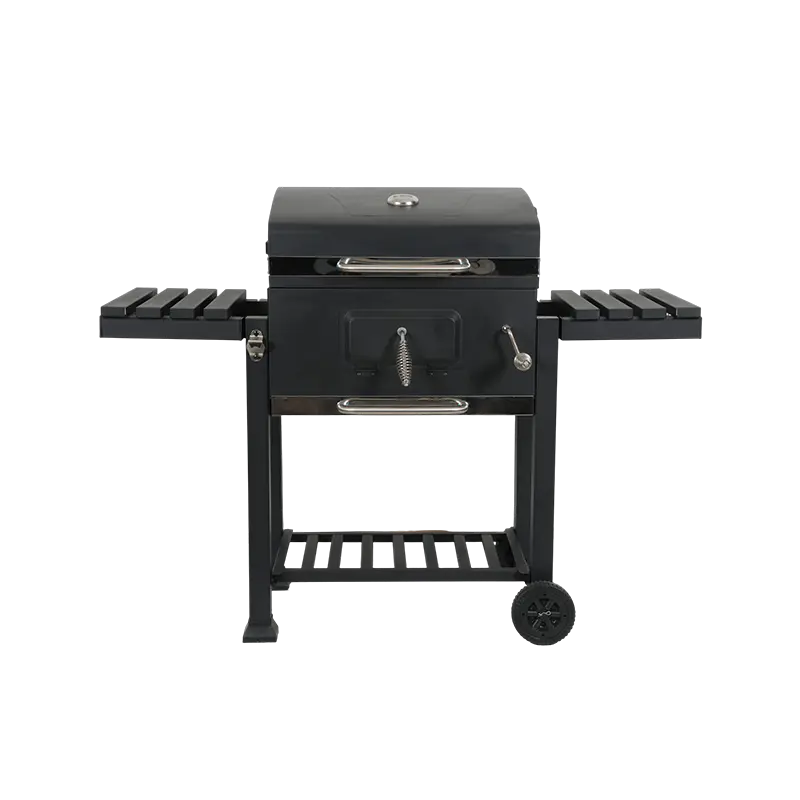 Garden Patio American Style Trolley Charcoal Smoker Grill Square Furnace
 -
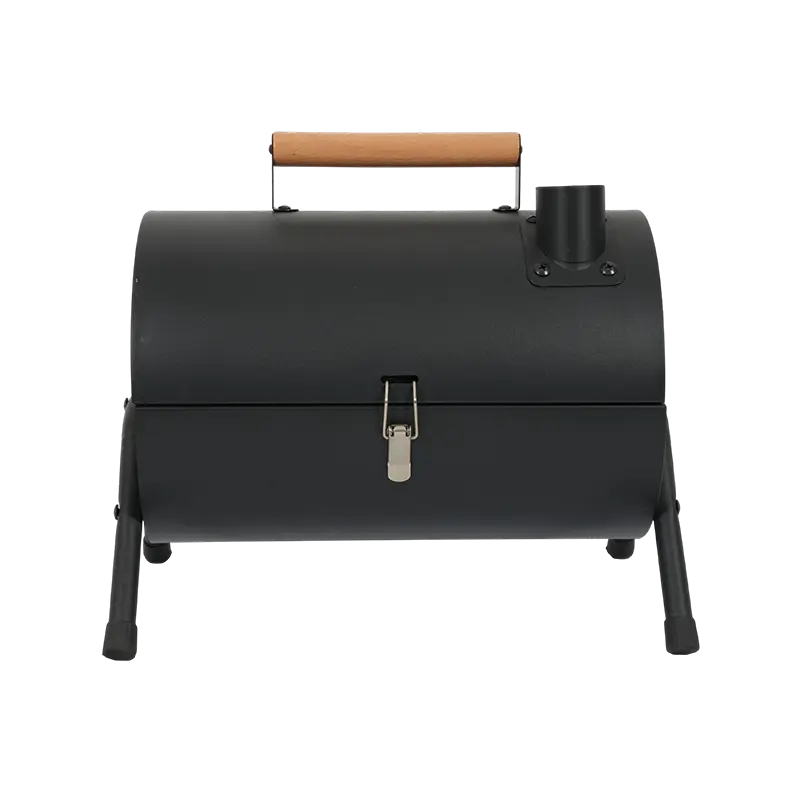 Tabletop Portable Double Sided Charcoal BBQ Grill Roaster
This compact and portable charcoal grill is designed for outdoor barbecue enthusiasts, easily handli...
-
 Multifunctional Campfire Tea Cooking Outdoor Portable Charcoal Grill
Scene Adaptability: Designed for outdoor enthusiasts, suitable for camping, picnics, caravan parties...
-
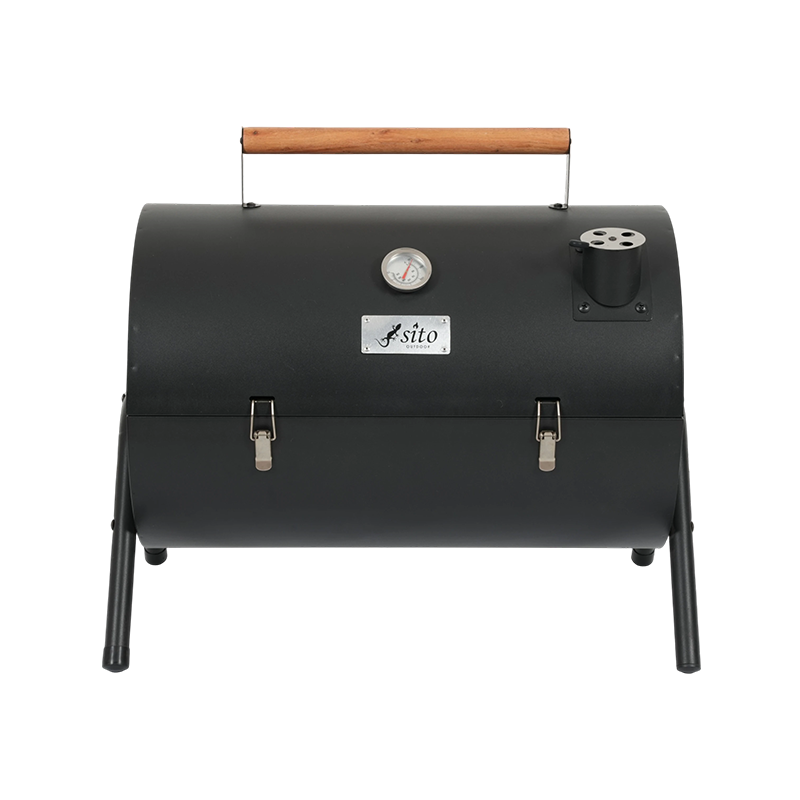 Wooden Handle Portable Tabletop Charcoal Roaster Grill
This portable grill is designed for outdoor barbecue enthusiasts and is perfect for camping trips, p...
-
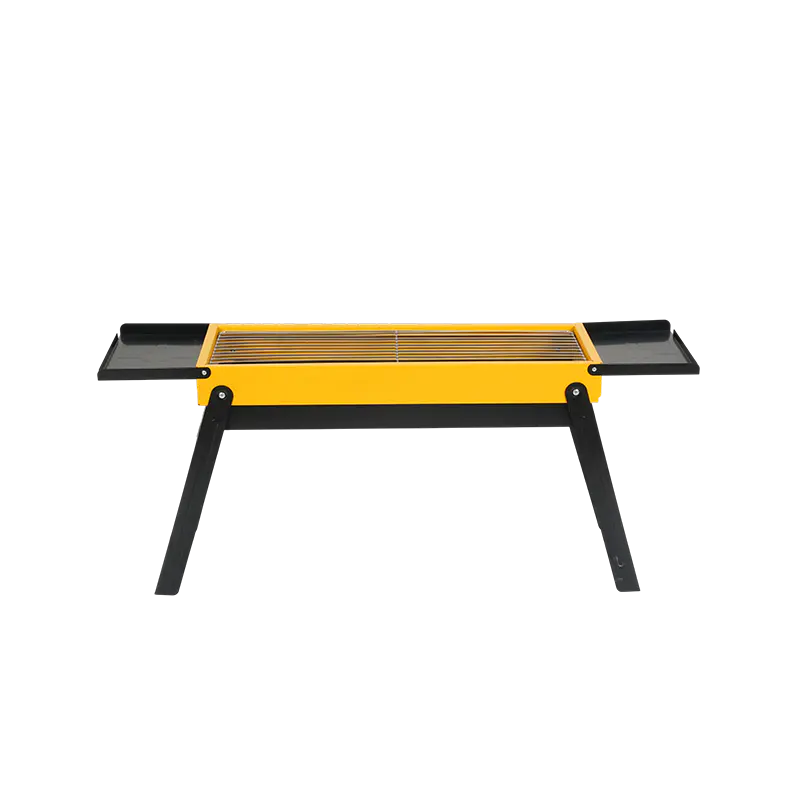 Portable Folding Outdoor Camping Charcoal Barbecue Grill
This portable, foldable outdoor camping charcoal grill is compact yet powerful, making it a great ch...
-
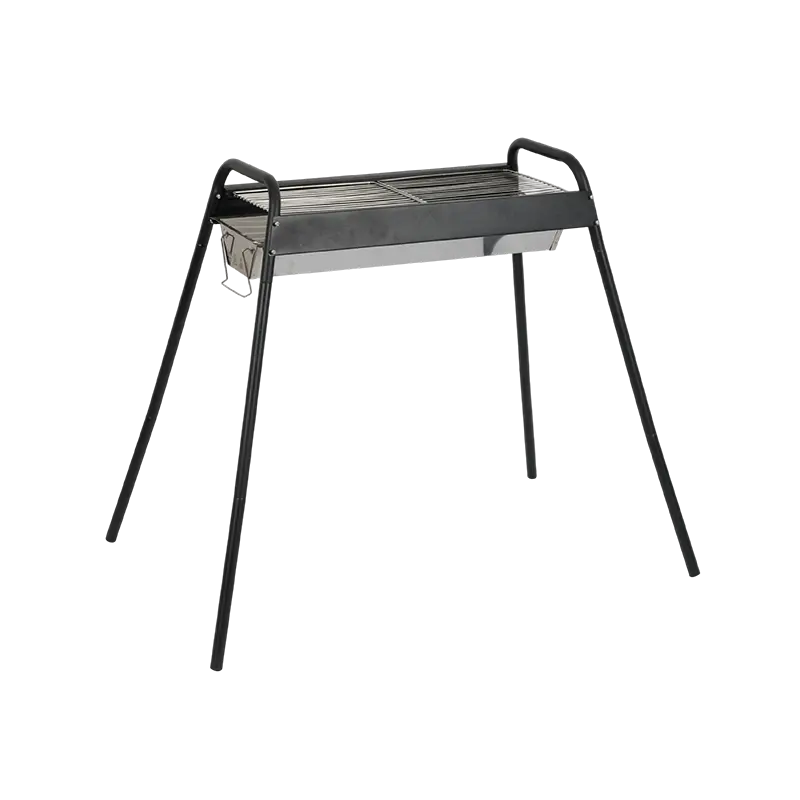 Outdoor Garden Portable Folding Charcoal Barbecue Grill
This portable, folding charcoal grill, designed specifically for outdoor BBQ enthusiasts, is perfect...

We are committed to integrity and quality, and we serve our customers with our professional oven manufacturing knowledge.
Phone: +86-13735628111
E-mail: [email protected]
Add: No.17 Ying Bin Road, Qing Xi Industry Zone, Xiang Zhu Town, Yongkang city,Zhenjiang province, China
Copyright © Yongkang Tongde Industry & Trade Co., Ltd. Rights
Reserved.

Outdoor BBQ Grill Manufacturer