
 English
  عربى
عربى  Español
This American-style trolley-mounted charcoal grill is designed for garden and patio barbecue enthusi...

Structural Design Factors That Influence Cooking Stability In Charcoal Roaster Grill
Author: Admin
Date: Jul 24,2026
Outdoor cooking looks straightforward at first glance. Charcoal gets lit, food goes onto the grate, and heat begins to work. Once cooking starts, small structural details decide how steady that process feels. A frame that sits firmly, a grate that stays level, and airflow that moves in a clear path all shape the way heat behaves around the food.
A Charcoal Roaster Grill performs more smoothly when structure supports the cooking process instead of getting in the way of it. Balance, spacing, and ventilation all play a role. When those parts work together, cooking feels calmer and easier to manage. When one part is off, temperature shifts, smoke movement changes, and the cooking rhythm becomes harder to keep.
Outdoor use adds another layer. Ground surfaces are rarely even. Wind, movement, and repeated heating all place pressure on the unit. Because of that, structural design matters as much as fuel choice or cooking skill.
Why Does Structural Stability Matter During Outdoor Cooking
A grill that feels steady gives more control during cooking. Food sits more evenly, heat stays closer to the intended area, and less correction is needed while the meal is in progress. Once the frame starts to wobble or shift, cooking becomes less predictable.
Stability matters for several simple reasons.
- Food stays level across the cooking surface
- Heat reaches the ingredients in a more even way
- Opening or closing the lid does not disturb the setup
- Weight from cookware or larger food pieces stays supported
- Outdoor ground conditions have less impact on use
A stable body also helps during repeated tasks. Turning food, moving charcoal, or checking doneness all become easier when the structure does not move much. That is especially useful during longer cooking sessions, where small changes can build into larger issues over time.
Many outdoor setups sit on grass, stone, or compact soil. Those surfaces often differ in firmness. Strong support legs and a balanced frame help keep the grill usable across those conditions without constant repositioning.
How Does Frame Design Affect Heat Distribution
Frame design shapes the internal space where heat and smoke move. A wider chamber allows air to travel more freely, while a tighter body concentrates heat within a smaller area. Both approaches can work, though each creates a different cooking feel.
Spacing inside the body affects how charcoal heat reaches the food. When the charcoal tray sits too close to the grate, cooking becomes more direct and less forgiving. When spacing is greater, heat has more room to spread, which supports slower and more even cooking.
A well-planned frame also supports the cooking surface from underneath. That support keeps the grate level even after repeated heating. Once the cooking surface begins to bend or shift, food placement changes as well, and heat no longer reaches every part in the same way.
| Structural Element | Influence On Cooking Stability | Practical Effect |
|---|---|---|
| Frame Layout | Keeps the body balanced | Reduces shaking during use |
| Grate Support | Holds the cooking surface level | Helps food cook more evenly |
| Charcoal Tray Position | Sets the heat distance | Shapes cooking speed and intensity |
| Ventilation Openings | Guides airflow through the body | Supports steady charcoal burn |
| Support Legs | Holds the unit above the ground | Improves use on uneven outdoor surfaces |
| Lid Fit | Helps keep heat inside | Makes cooking more controlled |
Internal spacing also affects smoke movement. Smoke needs enough room to pass through the chamber without getting trapped. If the design blocks that path, heat can gather unevenly and create cooking spots that behave differently from one another.
Which Cooking Surface Designs Improve Stability
The cooking surface does more than hold food. It supports weight, reacts to heat, and stays aligned while cooking continues. A flat grate with solid support underneath gives a steadier feel, especially when preparing larger pieces of food.
Grid spacing also matters. Open spacing allows better airflow, while tighter spacing supports smaller food items more securely. Both can work well when matched to the type of cooking being done.
Some designs use fixed cooking surfaces. Others use sections that can be lifted or removed. Fixed layouts usually feel more stable during active cooking, while removable parts make cleaning and fuel access easier. Either way, support under the surface must stay strong enough to keep the grate steady through repeated heating.
Cooking stability improves when:
- the grate sits firmly inside the frame
- support points are spread evenly
- surface movement stays low during use
- heat does not deform the grate too quickly
- cleaning does not require unnecessary force
A surface that stays level helps food brown in a more balanced way. Once one side sits higher than another, juices move, heat exposure changes, and the result becomes less even.
How Does Charcoal Placement Influence Structural Performance
Charcoal placement changes more than temperature. It affects airflow, ash buildup, heat balance, and the general rhythm of cooking. A tray positioned with care gives the charcoal enough room to burn properly while keeping the heat source where it can do its job without disrupting the rest of the body.
A tray that moves too much or sits unevenly can create uneven heat zones. Food closer to one side may cook faster, while food on the other side reacts more slowly. Stable support under the fuel area helps prevent that kind of shift.
Ash management also matters. As charcoal burns, ash gathers below the fuel. Without enough space or a clear path for cleanup, airflow becomes restricted and the burn pattern changes. That usually leads to less steady heat and more attention from the person cooking.
Practical structural features that help charcoal work more evenly
- A fuel tray that stays in place
- Enough gap for air under the charcoal
- A clear path for ash collection
- Support that holds the tray level
- Access that makes cleaning easier after cooking
Good fuel positioning makes the whole setup easier to manage. Less correction is needed, and heat stays closer to the expected level for a longer stretch of time.
How Do Airflow Channels Affect Cooking Stability
Airflow shapes the way charcoal burns and the way heat moves across the chamber. Fresh air enters near the fuel, supports combustion, and then rises as warm air and smoke move upward. A structure that guides that movement well usually cooks in a steadier way.
Vent openings near the fuel help charcoal burn at a more even pace. Openings higher on the body let smoke leave without building up too much pressure inside. When those paths are too open or too restricted, cooking becomes harder to control.
Smooth internal airflow matters because heat rarely spreads in a perfect line. It moves around corners, follows open spaces, and reacts to blockages. A cleaner internal layout gives better balance across the cooking chamber and reduces sudden changes in temperature.
An Expert Grill Manufacturer often pays close attention to those structural details during product development, since real cooking use depends on how the body guides heat rather than on appearance alone.
Why Does Material Selection Influence Structural Reliability
Every outdoor grill goes through repeated heating and cooling. Metal expands when heated and contracts after the fire goes out. Over time, that natural cycle places stress on every joint, panel, and supporting part. Material choice therefore affects much more than appearance.
A frame with enough rigidity keeps its shape more easily during regular use. Stable panels help maintain the intended distance between the fuel area and the cooking grate, allowing heat to travel in a similar way from one cooking session to another.
Connection methods deserve equal attention. Every joint carries part of the overall load. When several parts work together without unnecessary movement, the entire structure feels more balanced while food is being turned, cookware is lifted, or charcoal is adjusted.
Surface treatment also contributes to long-term use. Outdoor cooking often takes place where moisture, dust, and changing weather are part of the environment. A protective finish helps slow surface wear, making routine cleaning easier while keeping the body in good condition through repeated use.
Another practical point involves weight. A structure that is too light may shift more easily on uneven ground. One that is unnecessarily heavy becomes harder to move. Everyday use usually benefits from a balance between stability and manageable handling.
How Does Lid Structure Support Cooking Control
A lid does more than cover the cooking area. Its shape influences how warm air and smoke travel before leaving the chamber. Even small differences in height or internal space can change the way heat circulates.
A smooth inner profile encourages air to move across the food instead of remaining concentrated in one location. Gradual circulation often supports a steadier cooking process, especially during longer roasting sessions.
Hinge placement also affects daily operation. A lid that opens with balanced movement creates less vibration throughout the frame. Closing should feel equally controlled, allowing the cooking chamber to return to its working position without unnecessary impact.
Several structural details contribute to comfortable use.
- Hinges that move smoothly
- Handles positioned for natural grip
- Balanced opening angle
- Stable support while the lid remains open
- Even contact around the cooking chamber
Good edge alignment also matters. A consistent fit allows airflow to follow intended paths instead of escaping from random gaps. Cooking then depends more on planned ventilation than on accidental openings created by poor alignment.
Which Support Structures Improve Outdoor Stability
Support begins beneath the cooking chamber. Legs, cross braces, and wheel placement all influence how the grill behaves once it is positioned outdoors.
Straight legs alone rarely provide complete stability. Reinforcement between supporting points helps distribute weight more evenly, reducing movement during cooking.
Portable models often include wheels for transportation. Once the cooking position has been chosen, remaining support points carry the working load. Proper spacing between wheels and fixed supports helps the structure remain balanced across different surfaces.
Outdoor locations vary considerably.
A paved patio offers firm contact.
Grass compresses under weight.
Gravel shifts slightly during movement.
Because of those differences, support geometry becomes an important part of practical design rather than a simple structural detail.
Foldable structures introduce another consideration. Moving joints increase portability, although every folding section should lock securely after opening. Stable locking mechanisms help the frame behave like a fixed structure throughout cooking.
How Does Internal Layout Affect Cleaning And Maintenance
Cooking does not end when food leaves the grate. Ash, grease, and small food particles remain inside the grill, making cleaning part of regular use.
Internal arrangement has a direct effect on how simple that task becomes.
Open access beneath the charcoal area allows ash to be removed without reaching through narrow spaces. Separate collection sections also help keep residue away from airflow passages.
Grease follows gravity. Structural planning can guide it toward accessible areas instead of allowing buildup around supporting parts or internal corners.
Maintenance becomes easier when several features work together.
- Removable cooking grates
- Accessible charcoal tray
- Open cleaning paths
- Smooth internal surfaces
- Simple access to corners
Routine cleaning often takes less effort when internal components can be removed individually rather than requiring partial disassembly of the entire unit.
Well-organized layouts also make visual inspection easier. Small changes caused by repeated heating can be noticed earlier, allowing routine care before larger problems develop.
How Are Structural Designs Adapting To Different Outdoor Cooking Habits
Outdoor cooking now takes place in many different settings. Some people prepare meals in a backyard, while others travel with portable equipment for camping, parks, or seasonal gatherings. Changing habits encourage gradual changes in structural design.
Flexibility has become an important consideration. Adjustable cooking heights, removable shelves, and interchangeable accessories allow one structure to support different cooking styles without making operation more complicated.
Storage also influences design choices. Folding side tables, compact frames, and detachable parts help reduce storage space after cooking while keeping the main structure stable during use.
Manufacturing development increasingly focuses on practical experience collected from repeated everyday cooking. Feedback often highlights simple improvements rather than dramatic changes.
Examples include:
- More convenient charcoal access
- Better balance during movement
- Easier cleaning after cooking
- More comfortable working height
- Simpler assembly and storage
An Expert Grill Manufacturer often evaluates those everyday observations when refining structural details. Small adjustments to support positions, airflow paths, or internal spacing can improve overall cooking stability without changing the familiar operation that many users already appreciate.
Structural design continues to evolve through practical refinement rather than dramatic redesign. Careful attention to balance, airflow, support, cleaning access, and material arrangement helps create cooking equipment that feels predictable across many outdoor situations. Although cooking style always depends on individual preference, a well-planned structure provides a stable foundation that allows charcoal, heat, and airflow to work together in a natural and consistent way.
Contact Us Now
Related products
-
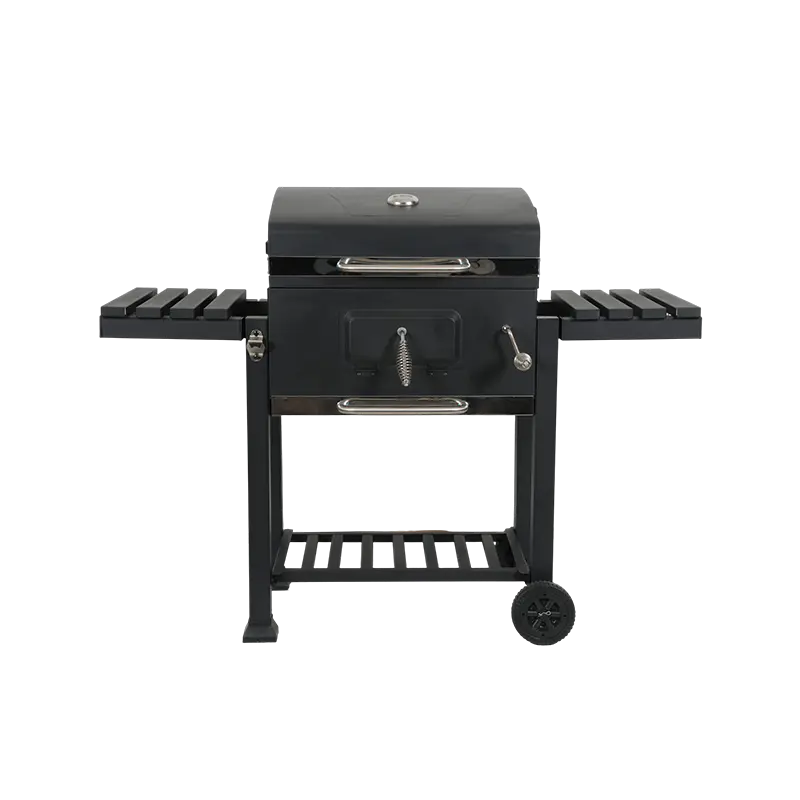 Garden Patio American Style Trolley Charcoal Smoker Grill Square Furnace
 -
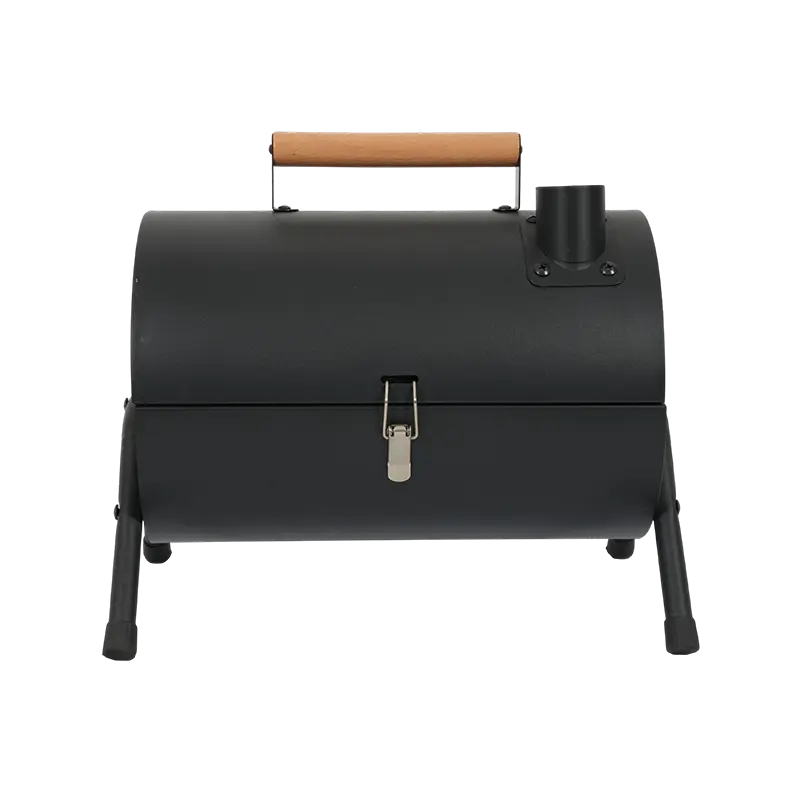 Tabletop Portable Double Sided Charcoal BBQ Grill Roaster
This compact and portable charcoal grill is designed for outdoor barbecue enthusiasts, easily handli...
-
 Multifunctional Campfire Tea Cooking Outdoor Portable Charcoal Grill
Scene Adaptability: Designed for outdoor enthusiasts, suitable for camping, picnics, caravan parties...
-
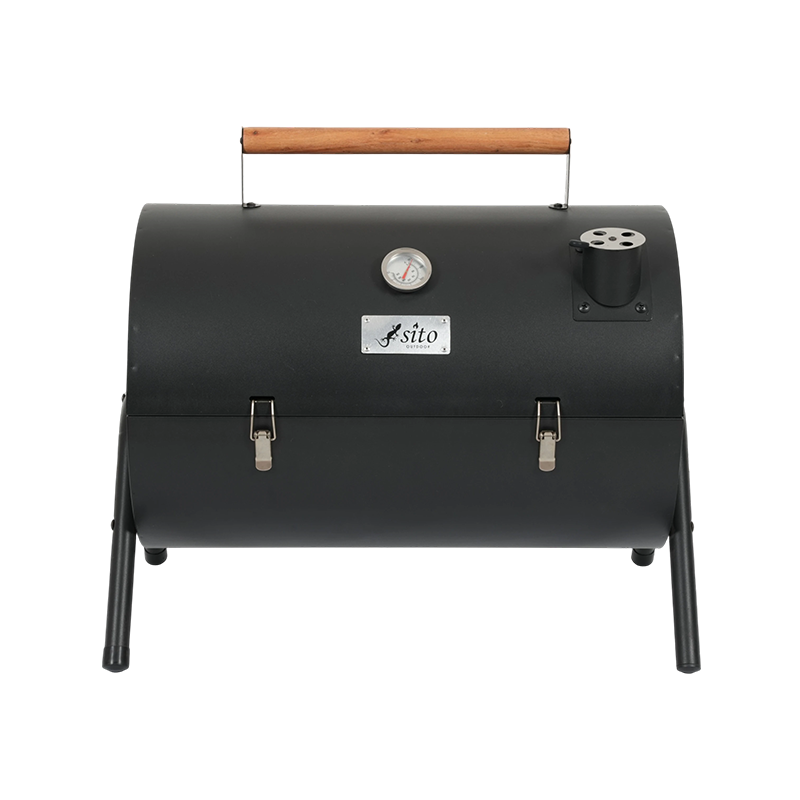 Wooden Handle Portable Tabletop Charcoal Roaster Grill
This portable grill is designed for outdoor barbecue enthusiasts and is perfect for camping trips, p...
-
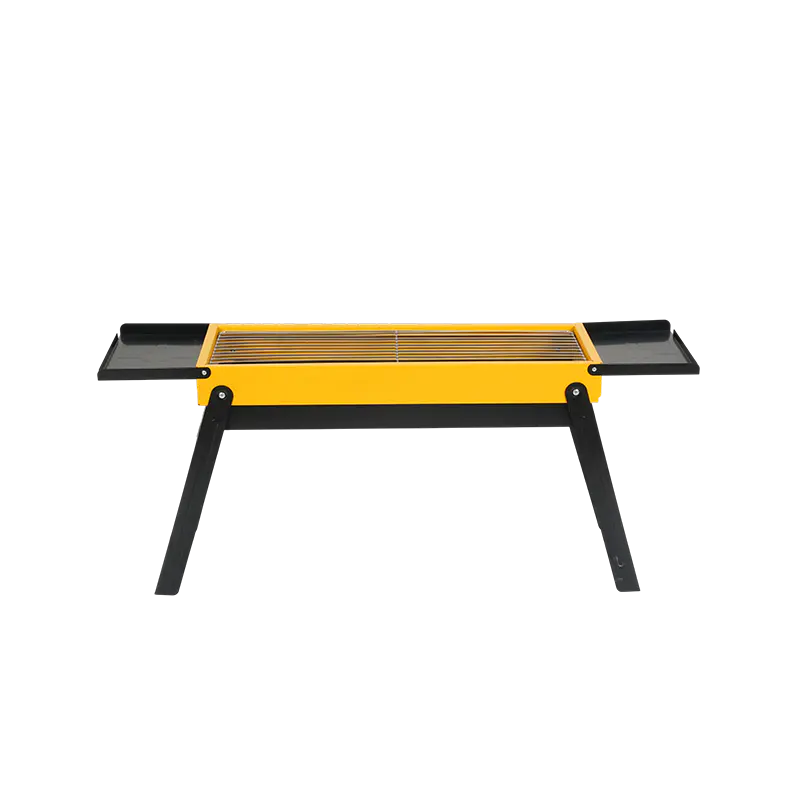 Portable Folding Outdoor Camping Charcoal Barbecue Grill
This portable, foldable outdoor camping charcoal grill is compact yet powerful, making it a great ch...
-
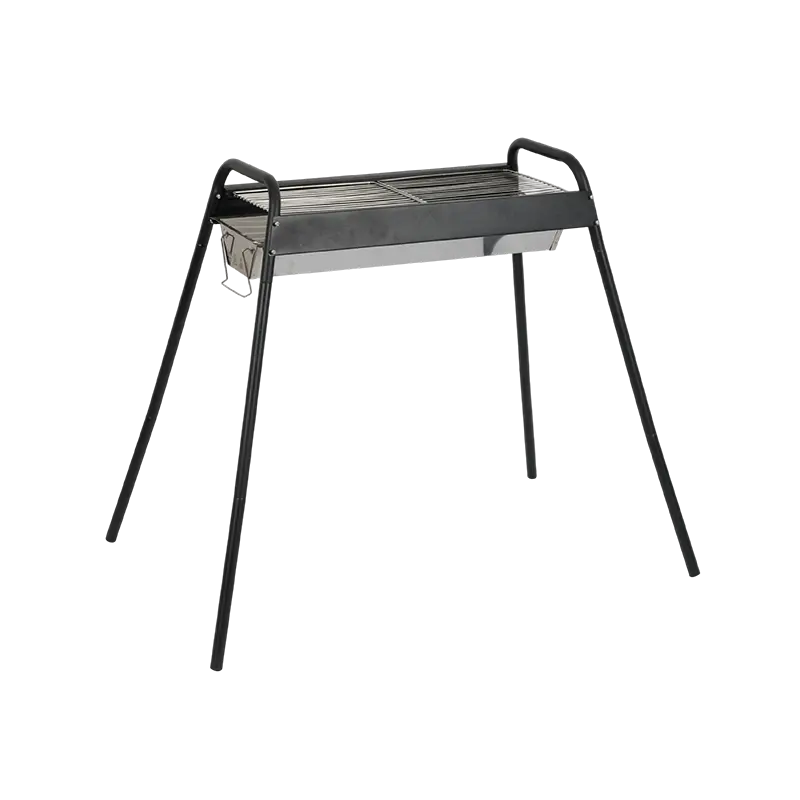 Outdoor Garden Portable Folding Charcoal Barbecue Grill
This portable, folding charcoal grill, designed specifically for outdoor BBQ enthusiasts, is perfect...

We are committed to integrity and quality, and we serve our customers with our professional oven manufacturing knowledge.
Phone: +86-13735628111
E-mail: [email protected]
Add: No.17 Ying Bin Road, Qing Xi Industry Zone, Xiang Zhu Town, Yongkang city,Zhenjiang province, China
Copyright © Yongkang Tongde Industry & Trade Co., Ltd. Rights
Reserved.

Outdoor BBQ Grill Manufacturer