
 English
  عربى
عربى  Español
This American-style trolley-mounted charcoal grill is designed for garden and patio barbecue enthusi...

How Charcoal Roaster Grill Responds To Different Types Of Charcoal Fuel
Author: Admin
Date: Jul 17,2026
Charcoal choice ties directly into how a grill actually performs during cooking. Different fuel forms burn in different ways, and that shapes heat release, smoke movement, cooking speed, and how much temperature adjustment ends up being needed along the way.
A grill doesn't really work in isolation from its fuel. Internal space, airflow paths, charcoal arrangement, and cooking distance all interact with whatever charcoal happens to be sitting inside. Change the fuel's characteristics, and the way heat spreads through the cooking area tends to shift right along with it.
A Charcoal Roaster Grill needs to handle a fairly wide range of combustion behaviors, since charcoal products aren't all cut from the same cloth. Some types catch quickly and put out strong heat in a short window, while others burn at a steadier, more gradual pace and call for different airflow handling.
A few fuel characteristics tend to shape grilling conditions the most:
- Burning speed — affects how quickly heat actually builds up
- Charcoal shape — influences airflow between individual pieces
- Density — changes how long the fuel keeps combustion going
- Ash amount — affects air movement around burning charcoal
- Moisture content — plays into ignition and how stable the heat stays
Getting a feel for how charcoal and grill structure interact helps users adjust their cooking approach more effectively. Rather than focusing on the fuel alone, it's really the interaction between fuel and equipment that shapes the final cooking environment.
What Characteristics of Charcoal Fuel Affect Roasting Performance
Charcoal isn't one uniform material that behaves the same way every time. Production methods, raw material sources, and physical structure can all create fairly noticeable differences once it's actually being used.
Combustion speed is one factor worth paying attention to. Smaller or more loosely arranged charcoal pieces tend to let air move more freely, which usually means faster ignition. Larger pieces create a different situation, since the gaps between them end up bigger and less uniform.
Heat distribution also depends a lot on how the charcoal gets arranged inside the grill. Where the fuel sits can determine whether heat concentrates in one spot or spreads more evenly across the cooking surface.
A few practical points worth considering:
- Fuel size — smaller pieces tend to shift airflow patterns more quickly
- Fuel density — denser pieces often need different burning management
- Ash formation — too much ash can choke off airflow around active charcoal
- Shape consistency — uniform pieces are easier to arrange in a predictable pattern
Getting a good grilling setup really comes down to matching fuel characteristics with the equipment's internal design. A grill with adjustable airflow responds quite differently than a simpler structure would, especially once users start switching between charcoal types.
How Does Lump Charcoal Affect Charcoal Roaster Grill Operation
Lump charcoal comes from natural wood and tends to have fairly irregular shapes. Since pieces vary in size and form, airflow inside the charcoal area can shift as burning progresses.
Those irregular gaps between pieces let air travel through different paths. That means heat distribution often needs a bit more attention during cooking, and users frequently end up adjusting charcoal placement to keep the heating area more balanced.
A few things worth noting when working with lump charcoal:
- How pieces get arranged affects airflow
- Larger pieces can create longer-burning sections
- Smaller fragments can change ignition behavior
- Uneven shapes call for more flexible placement
A Charcoal Roaster Grill working with lump charcoal needs enough internal room for users to organize fuel based on what the cooking task actually requires. Thoughtful arrangement helps keep the heat source fairly stable and cuts down on sudden swings caused by uneven burning.
Lump charcoal tends to get picked when users want that natural charcoal character and more flexibility in how fuel gets laid out. That said, the final result still comes down to how well the fuel works together with the grill structure and cooking method.
How Does Charcoal Briquette Fuel Change Grilling Conditions
Briquette charcoal has a more regular shape compared with the irregular pieces you get from lump charcoal. That consistent form makes it easier to arrange inside a grill, which can shift how heat spreads across the cooking area.
Regular fuel shapes create more predictable gaps between pieces. Airflow tends to be easier to manage since the fuel arrangement stays fairly organized once it's set up.
A few things tied to briquette use:
- Easier stacking and placement
- More uniform burning conditions overall
- Fuel arrangement that stays fairly stable through cooking
- Different airflow needs compared with irregular charcoal
A grill built for flexible charcoal arrangements might need different handling once briquette fuel enters the picture. Air supply, charcoal quantity, and cooking distance all shape the final heating condition.
The relationship between fuel and equipment still matters here. Even when charcoal pieces look fairly similar in shape, the grill's internal design can still affect how efficiently heat actually moves around the cooking area.
Why Does Airflow Design Matter When Using Different Charcoal Fuels
Airflow really controls how much oxygen the charcoal gets during combustion. Without decent air circulation, charcoal can burn unevenly or lose stability partway through cooking.
Grill structures typically manage airflow through a handful of areas:
- Openings around the charcoal section
- Internal spacing between fuel and cooking surface
- Ventilation paths for heat movement
- Ash collection areas
Different fuels respond differently once airflow changes. Irregular charcoal often needs a bit more flexible space, since the gaps between pieces vary so much. Regular charcoal pieces create a more organized layout, which calls for its own kind of airflow adjustment.
Poor airflow management tends to create a few recognizable issues:
- Uneven heating areas
- More ash buildup than expected
- Trouble maintaining steady cooking conditions
- Fuel burning through faster than planned
A well-matched combination of fuel and grill structure lets users control heat in a more natural, intuitive way. Fuel type sets the combustion characteristics, while grill design shapes how those characteristics actually play out during cooking.
How Do Different Charcoal Fuels Match Various Grill Structures
Fuel choice and grill structure really need to be thought through together. A design that suits one charcoal type might call for a different operating approach once a different fuel enters the picture.
| Charcoal Type | Burning Characteristics | Grill Consideration |
|---|---|---|
| Lump Charcoal | Irregular pieces with changing airflow paths | Flexible placement space helps adjust heat areas |
| Briquette Charcoal | Regular shape with organized arrangement | Even placement supports stable airflow |
| Hardwood Charcoal Pieces | Natural size differences and varied burning speed | Internal space helps manage fuel distribution |
| Mixed Charcoal Fuel | Combined combustion behaviors | Adjustable airflow supports different conditions |
A Square Charcoal BBQ Grill often gives users a structured cooking area where charcoal placement can be organized to suit different fuel conditions. The shape of the cooking chamber tends to influence how people arrange charcoal and manage heat zones across the grill.
Fuel compatibility isn't just about the charcoal itself. It's really the interaction between charcoal size, airflow, internal layout, and everyday cooking habits that determines how well the grill ends up performing.
What Makes a Square Charcoal BBQ Grill Suitable for Certain Fuel Arrangements
Grill structure shapes a lot more than people might expect — how charcoal gets placed, how air moves around the fuel, how heat actually reaches the cooking surface. Different shapes create different internal spaces, and that in turn affects fuel organization and how much adjustment cooking actually needs.
A Square Charcoal BBQ Grill usually gives a wider, more organized charcoal area compared with some of the more compact designs out there. That extra space lets users arrange charcoal to fit different cooking needs, whether that means building up a concentrated heat zone or spreading fuel out across the base instead.
Fuel arrangement matters more once different charcoal forms come into play. Irregular charcoal pieces often need a bit of extra room to balance airflow properly, while regular charcoal pieces tend to fit into a more orderly pattern without much fuss.
A few structural factors tend to shape how well charcoal gets managed:
- Internal space design
A well-sized charcoal area lets fuel pieces sit without needing to be stacked too much. - Air circulation path
Decent airflow helps charcoal hold a steadier burning condition throughout cooking. - Distance between fuel and cooking surface
Cooking distance shapes how much heat actually reaches the food during roasting. - Ash management area
A practical ash collection setup helps keep airflow clear once charcoal has burned down.
Square grill structures tend to get picked for cooking situations where flexibility in fuel arrangement matters. That said, shape alone doesn't decide the cooking outcome — charcoal type, cooking method, and airflow adjustment all play their part too.
How Should Users Adjust Cooking Methods for Different Charcoal Types
Switching charcoal fuel often means rethinking a few cooking habits along the way. The same grilling process can produce fairly different results once fuel characteristics change.
Charcoal placement is one adjustment worth thinking through. Fuel doesn't always need to sit the same way, since different charcoal shapes create different airflow conditions underneath.
A few useful adjustment approaches:
Managing Airflow
Air supply shapes combustion speed directly. Opening up or narrowing airflow paths changes how quickly charcoal reacts to the oxygen around it.
For faster heat buildup, more oxygen movement tends to help. For longer cooking sessions, users often dial airflow back a bit to keep things burning steadily.
Arranging Charcoal Position
Where fuel sits inside the grill shapes the heat zones that form.
Common approaches include:
- Concentrating charcoal in one spot for direct heating
- Spreading charcoal across a wider area for more balanced roasting
- Separating fuel into sections to create different cooking temperatures
Which approach makes sense really depends on the food, cooking time, and charcoal characteristics involved.
Controlling Cooking Distance
The gap between food and charcoal shapes heat intensity quite a bit. Adjusting where the food or cooking rack sits helps manage different fuel behaviors as they come up.
Charcoal that burns quickly usually calls for closer attention to distance, while slower-burning fuel tends to support longer cooking stretches without as much fuss.
Observing Burning Conditions
A few visual and practical cues help guide adjustments along the way:
- Changes in smoke
- Condition of the charcoal surface
- How heat is distributing
- How much fuel remains
Small tweaks made along the way during cooking usually work better than big corrections after something's already gone off track.
How Can Grill Design and Fuel Choice Work Together
Fuel and grill design really function as one connected system rather than two separate pieces. A charcoal type can't really be judged on its own, apart from the equipment that's actually supporting combustion.
A grill with limited airflow adjustment behaves quite differently than one that lets users manage ventilation more freely. And the same goes the other way — a fuel type that works well in one grill design might need different handling in another.
A handful of elements shape how well the combination actually works:
- Space available for charcoal arrangement
- Air movement around the fuel
- Heat reflection inside the cooking area
- How easy it is to add or adjust charcoal
- How convenient cleanup is afterward
A good match lets users spend more time actually cooking, instead of constantly fighting unstable heating conditions.
For instance, a grill working with irregular charcoal pieces tends to benefit from flexible internal space, since users can reposition fuel mid-cook as needed. A grill working with regular charcoal pieces usually focuses more on keeping an even arrangement in place.
A Charcoal Roaster Grill needs to respond to a fairly wide range of fuel behaviors, since cooking environments rarely look identical from one setup to the next. Fuel choice, equipment structure, and everyday operating habits all work together to shape how heat actually gets created and managed.
What Factors Should Be Considered When Choosing a Charcoal Roaster Grill
Picking grilling equipment really comes down to actual cooking needs rather than looks alone. Different users bring different expectations around fuel use, cooking style, and maintenance.
A few practical points worth weighing:
- Fuel Compatibility
Think through which charcoal types will get used regularly. The grill should offer enough space and airflow support for that fuel form specifically. - Cooking Purpose
Roasting, grilling, and slow cooking often call for different heat management approaches. Equipment structure should line up with the cooking process actually planned. - Maintenance Requirements
Ash removal, cleaning access, and how charcoal gets replaced all factor into day-to-day convenience. - Heat Management Method
Some users prefer hands-on control through charcoal arrangement, while others lean toward a structure that simplifies the adjustment process.
Working through these points carefully helps create a stronger connection between fuel characteristics and how the grill actually performs.
How Does Charcoal Roaster Grill Design Respond to Changing Fuel Needs
Charcoal fuel keeps varying in shape, density, and burning behavior. As users reach for different charcoal products depending on the cooking situation, grill structures need to keep pace and support that kind of flexible operation.
A well-thought-out design doesn't lock itself into one fixed fuel condition. Instead, it weighs airflow, charcoal placement, heat movement, and how users adjust things, all together rather than in isolation.
A Charcoal Roaster Grill really works through the relationship between fuel and structure. Different charcoal types create different combustion patterns, and grill design shapes how those patterns end up affecting the actual cooking.
A Square Charcoal BBQ Grill offers one example of how internal layout can support organized charcoal placement alongside flexible heat management. How well it performs still comes down to fuel selection, airflow adjustment, and using it the right way.
Getting a feel for fuel behavior helps people make more practical choices when picking out grilling equipment. When charcoal characteristics and grill structure line up well together, everyday cooking tends to get a lot easier to manage, and heat control becomes more predictable across whatever grilling situation comes up next.
Contact Us Now
Related products
-
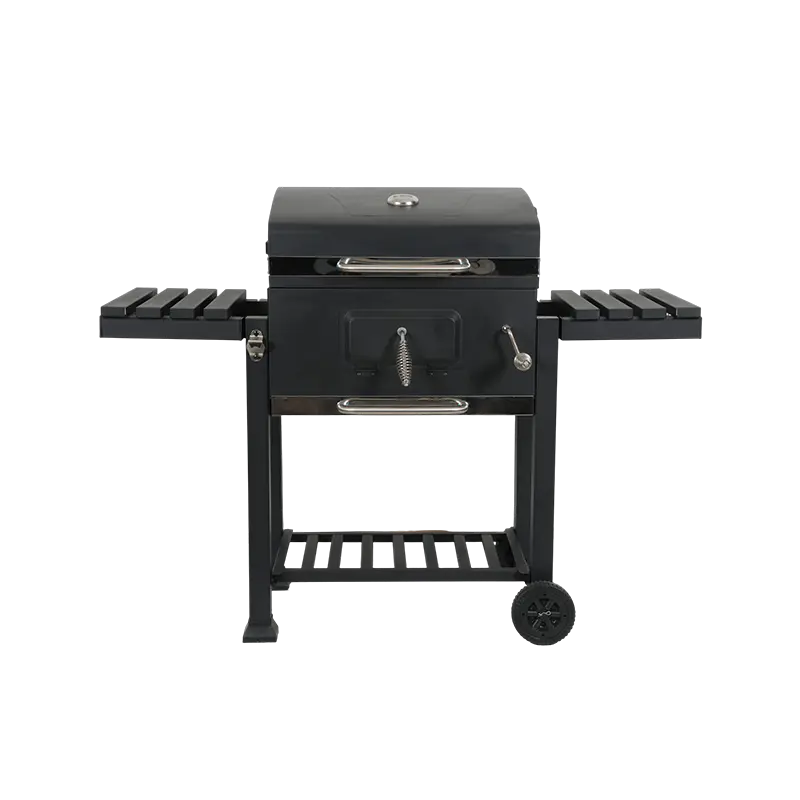 Garden Patio American Style Trolley Charcoal Smoker Grill Square Furnace
 -
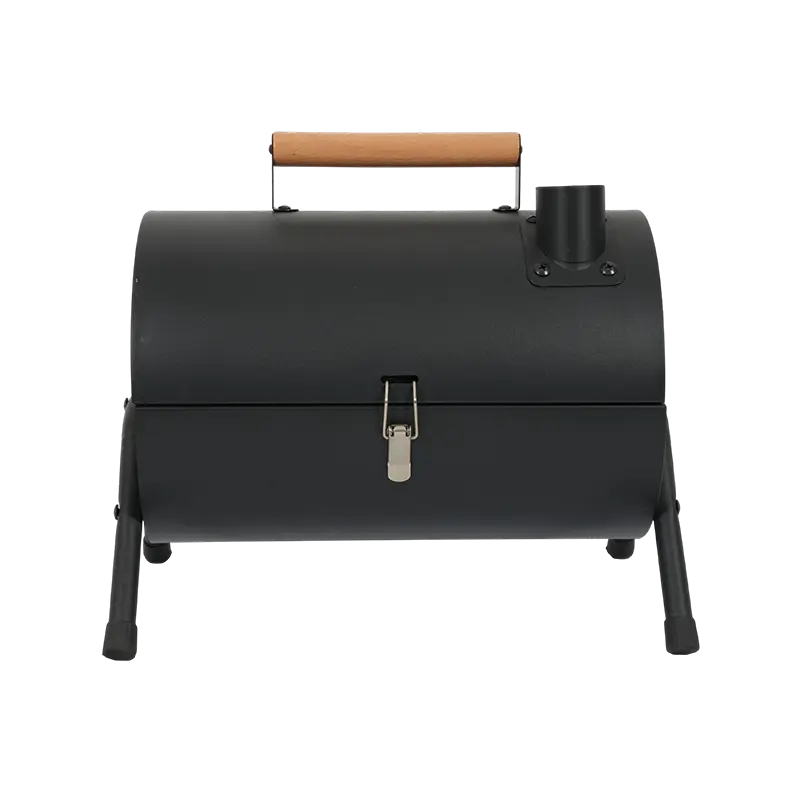 Tabletop Portable Double Sided Charcoal BBQ Grill Roaster
This compact and portable charcoal grill is designed for outdoor barbecue enthusiasts, easily handli...
-
 Multifunctional Campfire Tea Cooking Outdoor Portable Charcoal Grill
Scene Adaptability: Designed for outdoor enthusiasts, suitable for camping, picnics, caravan parties...
-
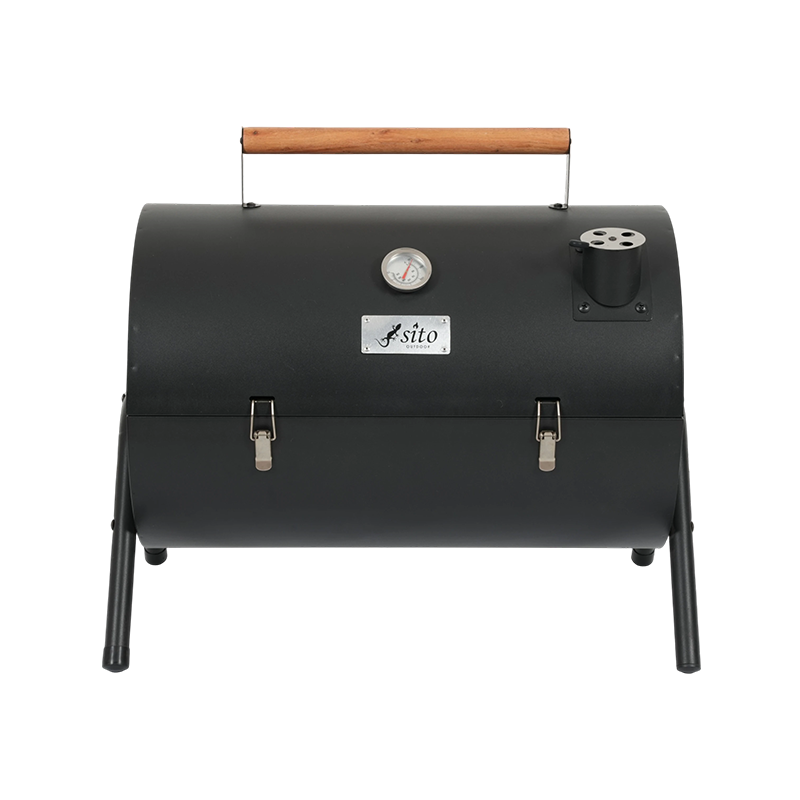 Wooden Handle Portable Tabletop Charcoal Roaster Grill
This portable grill is designed for outdoor barbecue enthusiasts and is perfect for camping trips, p...
-
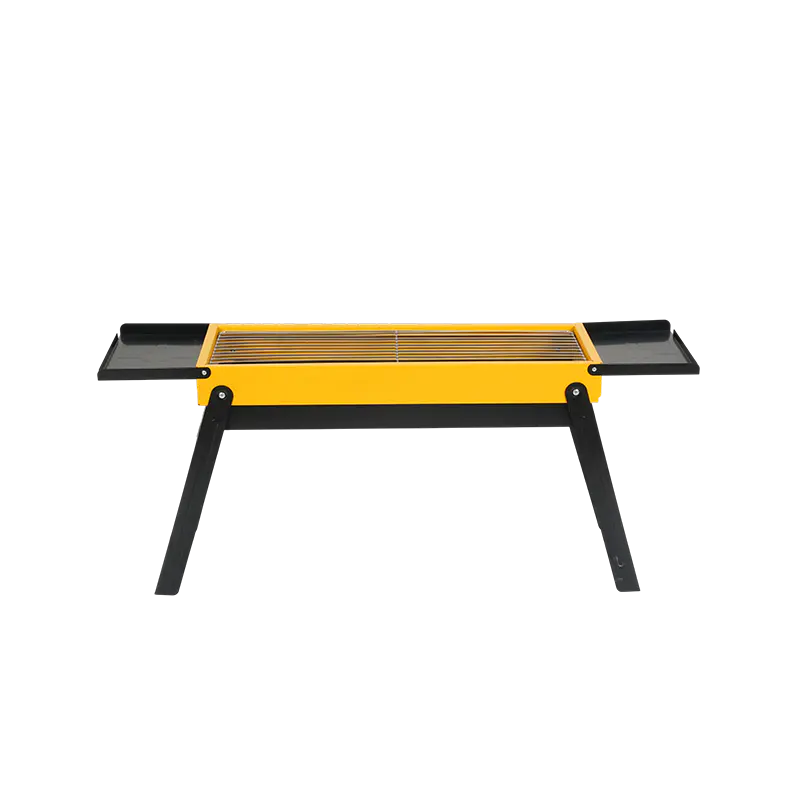 Portable Folding Outdoor Camping Charcoal Barbecue Grill
This portable, foldable outdoor camping charcoal grill is compact yet powerful, making it a great ch...
-
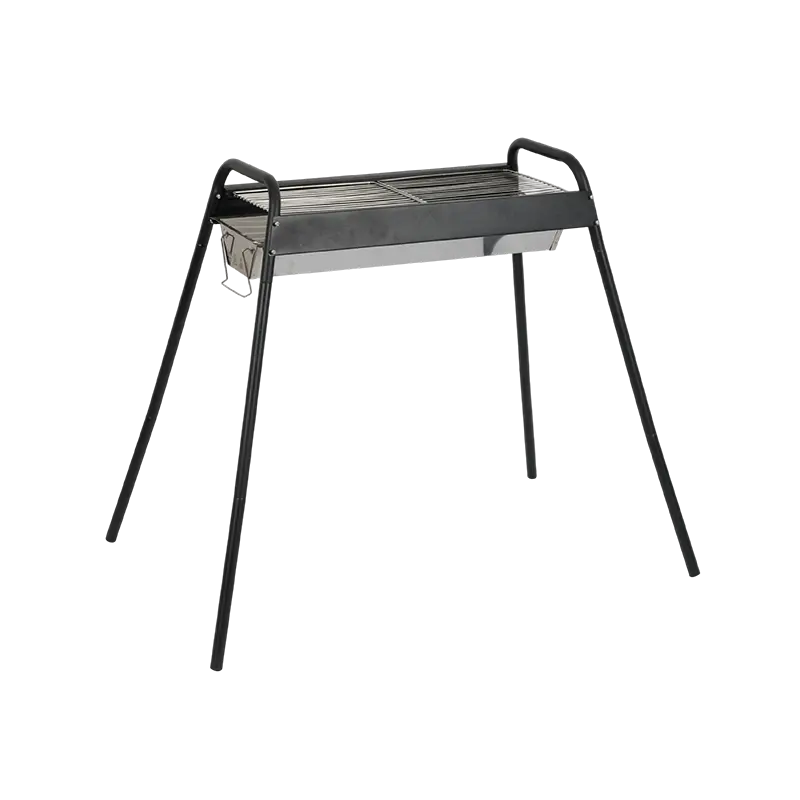 Outdoor Garden Portable Folding Charcoal Barbecue Grill
This portable, folding charcoal grill, designed specifically for outdoor BBQ enthusiasts, is perfect...

We are committed to integrity and quality, and we serve our customers with our professional oven manufacturing knowledge.
Phone: +86-13735628111
E-mail: [email protected]
Add: No.17 Ying Bin Road, Qing Xi Industry Zone, Xiang Zhu Town, Yongkang city,Zhenjiang province, China
Copyright © Yongkang Tongde Industry & Trade Co., Ltd. Rights
Reserved.

Outdoor BBQ Grill Manufacturer