
 English
  عربى
عربى  Español
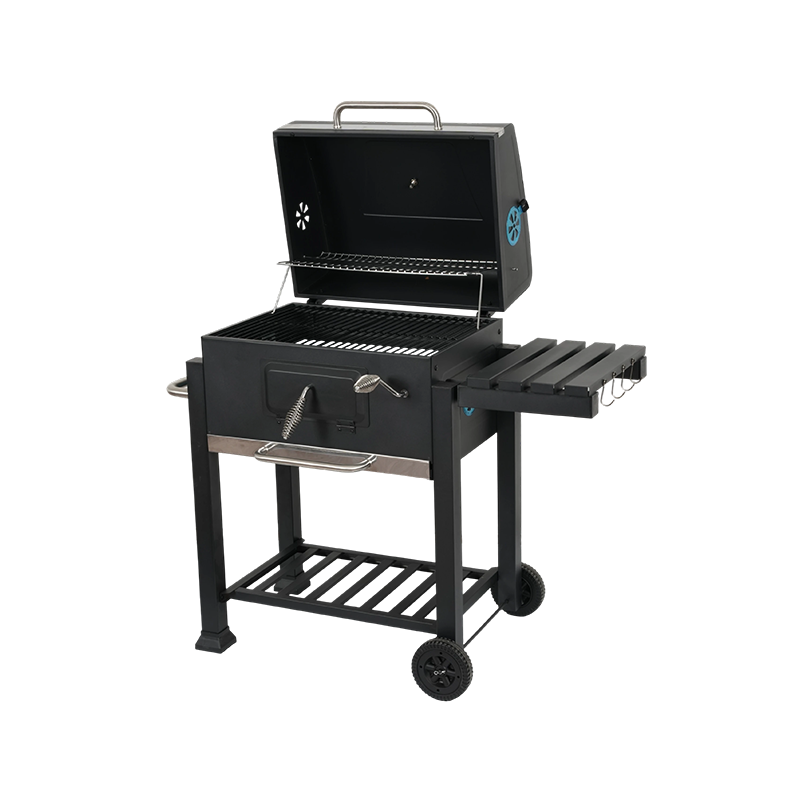
This American-style trolley-mounted charcoal grill is designed for garden and patio barbecue enthusi...

How Does Backyard Smoker Grill Handle Long Low Heat Cooking
Author: Admin
Date: Jul 10,2026
Slow cooking is not simply cooking for a longer time. Food sits in warm air and smoke instead of directly above strong flames, so heat reaches it gradually. That slower approach changes how the grill needs to work.
A Backyard Smoker Grill separates the fire from the cooking area. Heat leaves the fire chamber, travels through the body of the grill, and reaches the food after it has already spread out. Because of that path, cooking becomes gentler and easier to control over a long session.
Keeping conditions steady matters more than creating intense heat. Once a stable fire is established, many cooks spend more time watching airflow and fuel than chasing a hotter flame. Small corrections usually have a bigger effect than large adjustments.
How Heat Travels Inside A Backyard Smoker Grill
When fuel burns, warm air naturally moves away from the fire. In a smoker-style layout, that air passes into the cooking chamber before leaving through the exhaust opening.
Food is not placed directly over the firebox, so it cooks by indirect heat. Smoke and warm air move around the food, then continue toward the outlet. That continuous movement helps different areas of the chamber receive similar heat over time.
Several parts of the grill help create that flow.
- separate fire area
- open path for warm air
- exhaust opening for smoke
- enough space around the food
- chamber shape that encourages circulation
Because heat is moving rather than staying in one spot, cooking often feels more gradual and predictable.
Why Airflow Matters During Long Cooking
Fire needs air. Too little air can make the fire burn unevenly, while too much air can cause fuel to disappear faster than expected.
A steady airflow allows fuel to burn more smoothly and carries smoke through the chamber. Smoke that keeps moving usually creates a cleaner cooking environment than smoke that sits in one place.
During a long cook, many people pay attention to simple things.
- keep air openings clear
- avoid blocking the exhaust
- make small vent changes
- watch how smoke leaves the chamber
- keep the fire steady
Airflow affects both heat and smoke, so even a small change can influence the cooking rhythm for a long period afterward.
How Fuel Choice Changes The Cooking Rhythm
Fuel shapes the entire session. Charcoal often provides steady heat, while natural wood adds smoke and changes the character of the fire. Some cooks use both so the fire remains stable while smoke develops gradually.
Fuel size also matters. Larger pieces tend to burn longer, while smaller pieces catch more quickly. Adding fuel in small amounts often keeps the fire steadier than adding a large amount at once.
Before putting more fuel into the firebox, several practical questions usually come up.
- Is the fuel dry?
- Are the pieces similar in size?
- Is the current fire already stable?
- Does the chamber still have enough airflow?
- Is smoke moving cleanly through the exhaust?
Long low heat cooking is often less about building a bigger fire and more about keeping the same fire behaving the same way for a long time.
Why Heat Stays Steady When The Grill Structure Works Well
Long cooking only feels calm when the grill gives heat a clear path. Warm air leaves the firebox, moves through the chamber, then escapes through the exhaust. Once that path stays open, temperature changes usually become easier to manage.
A lid that closes without much gap helps keep that balance. Opening it again and again pulls warm air out of the chamber, then the fire has to settle once more. A few quick checks are normal, though constant lifting can break the rhythm of the cook.
Space around the food matters in the same way. Pieces packed too tightly can block air movement and make smoke linger in one area. A little room between items allows warm air to travel more naturally, which often gives a steadier result over a long session.
A Backyard Smoker Grill depends on that slow movement of heat instead of direct flame under the food. The fire stays separate, the smoke travels, and the chamber does the rest.
How Smoke Reaches Food During A Long Cook
Smoke should drift, not gather. When smoke keeps moving, food receives a lighter and more even exposure. A heavy cloud trapped in one place usually creates a different result, especially when cooking continues for a long time.
Food position changes how that smoke settles. Items set too close to the chamber walls may get a different flow than pieces placed nearer the center. Keeping the load arranged with enough room between parts often helps the air and smoke move around more freely.
Moisture inside the chamber also changes during cooking. Warm air carries vapor away, smoke follows the same path, and both leave through the exhaust after passing over the food. When that movement stays balanced, the chamber feels more stable and the fire does not need constant correction.
| Cooking Condition | What It Changes |
|---|---|
| Clear airflow | Smoke moves without much interruption |
| Stable fire | Heat changes more gradually |
| Even food spacing | Air reaches more surfaces |
| Clean exhaust path | Smoke leaves at a steady pace |
| Balanced fuel | Cooking rhythm stays calmer |
Slow cooking works better when those conditions support one another instead of fighting each other.
What Habits Help Keep The Fire Under Control
A good cook often spends more time watching than changing. Small adjustments usually work better than large ones because the grill needs time to respond.
Fuel is often added in modest amounts. That keeps the fire from rising too quickly and helps the chamber stay within a more workable range. Large fuel changes can push heat upward too fast, then the cooking environment has to recover afterward.
Lid openings deserve the same care. Every time the lid opens, heat moves out and new air enters. A quick look is sometimes necessary, though too many checks break the steady flow that slow cooking depends on.
Useful habits often look simple.
- add fuel little by little
- keep vents open enough for air movement
- avoid opening the lid unless needed
- watch smoke as it leaves the chamber
- give the fire time after each change
Long low heat cooking usually rewards patience more than speed.
Why Cleaning Still Matters After The Meal Is Done
Ash, grease, and leftover residue stay behind after each use. Over time, those materials can change how air moves through the grill.
Ash around the fire area may reduce the space available for airflow. Grease inside the chamber can collect dust and make later cleaning harder. Smoke passages may also become less open if residue builds up around them.
Cleaning does not need to be complicated. What matters is regular attention.
- empty ash after use
- wipe cooking surfaces
- check the exhaust opening
- remove residue near air passages
- store the grill in a dry place
A clean grill tends to behave in a more predictable way next time it is used. Heat movement stays clearer, and smoke can travel without as many obstacles.
How Offset Smoker Grill BBQ Fits Slow Cooking Routines
An Offset Smoker Grill BBQ places the firebox beside the cooking area rather than directly beneath it. That layout keeps the fire separate from the food, so heat reaches the chamber after moving through a longer route.
Because of that arrangement, food cooks through indirect heat. Smoke and warm air travel across the chamber before leaving through the exhaust, which gives the grill the kind of environment needed for slow cooking.
That structure often suits cooking styles where steady heat matters more than quick browning. A Backyard Smoker Grill follows the same general idea by keeping the fire apart from the food and allowing the chamber to shape the cooking environment.
Long low heat cooking works when the grill, fuel, airflow, and cleaning routine all stay in line with each other. Once those parts work together, the cooking process feels smoother, and the food has more time to cook at a steady pace instead of being pushed by direct flame.
Contact Us Now
Related products
-
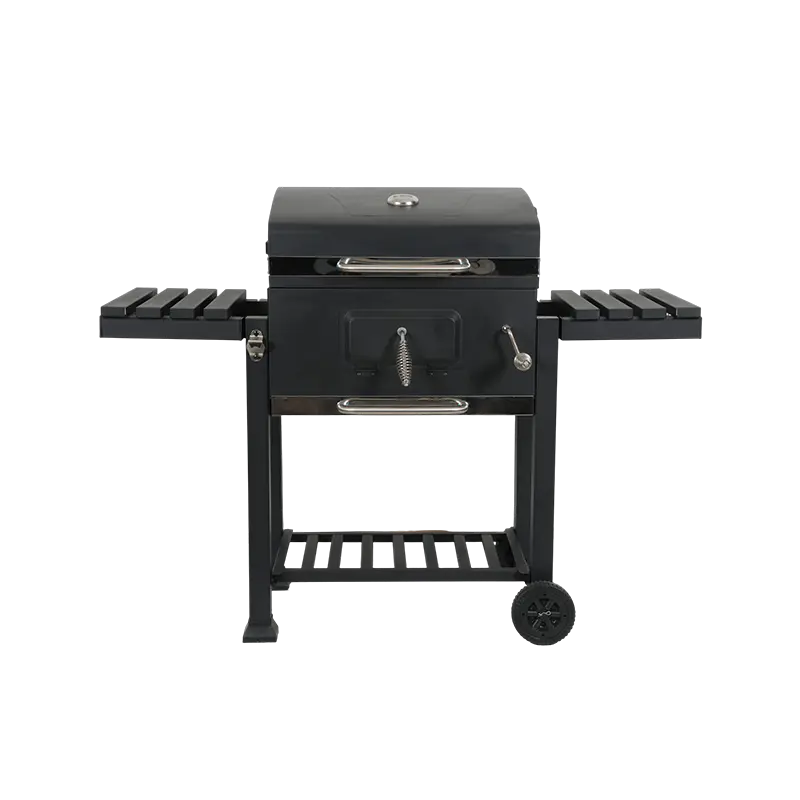 Garden Patio American Style Trolley Charcoal Smoker Grill Square Furnace
 -
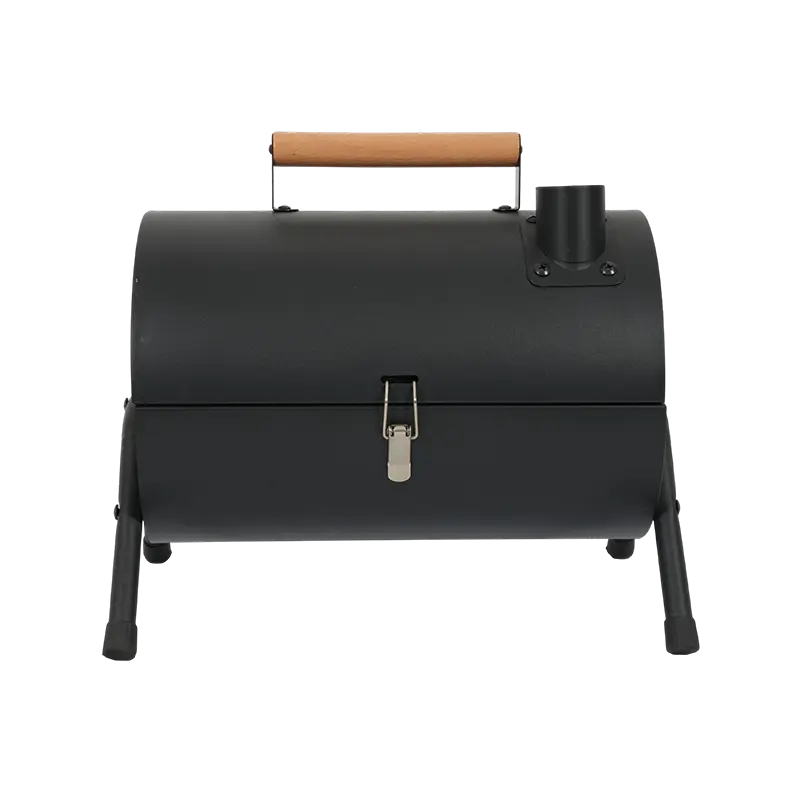 Tabletop Portable Double Sided Charcoal BBQ Grill Roaster
This compact and portable charcoal grill is designed for outdoor barbecue enthusiasts, easily handli...
-
 Multifunctional Campfire Tea Cooking Outdoor Portable Charcoal Grill
Scene Adaptability: Designed for outdoor enthusiasts, suitable for camping, picnics, caravan parties...
-
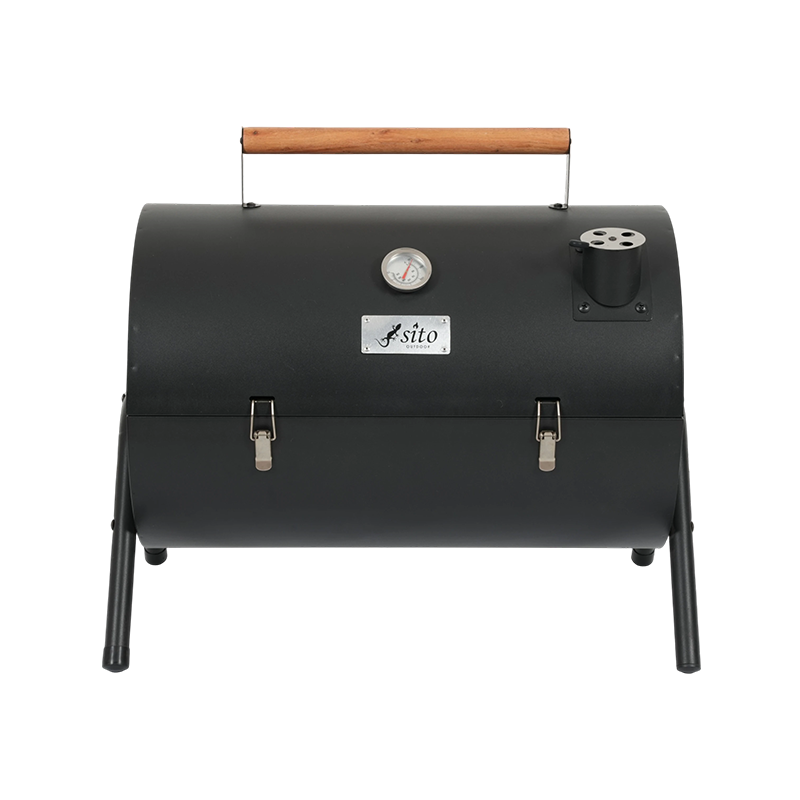 Wooden Handle Portable Tabletop Charcoal Roaster Grill
This portable grill is designed for outdoor barbecue enthusiasts and is perfect for camping trips, p...
-
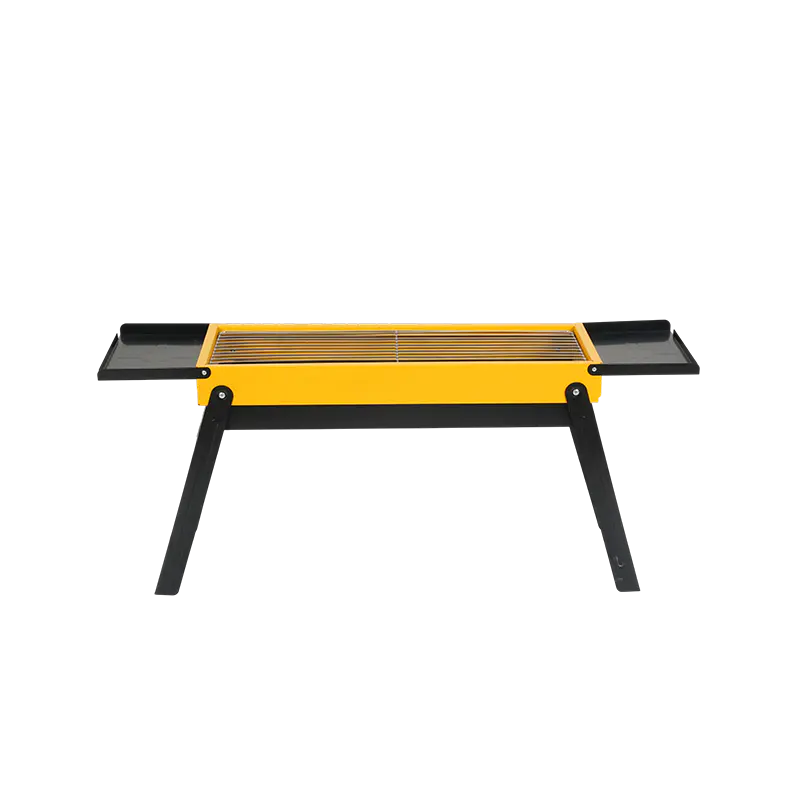 Portable Folding Outdoor Camping Charcoal Barbecue Grill
This portable, foldable outdoor camping charcoal grill is compact yet powerful, making it a great ch...
-
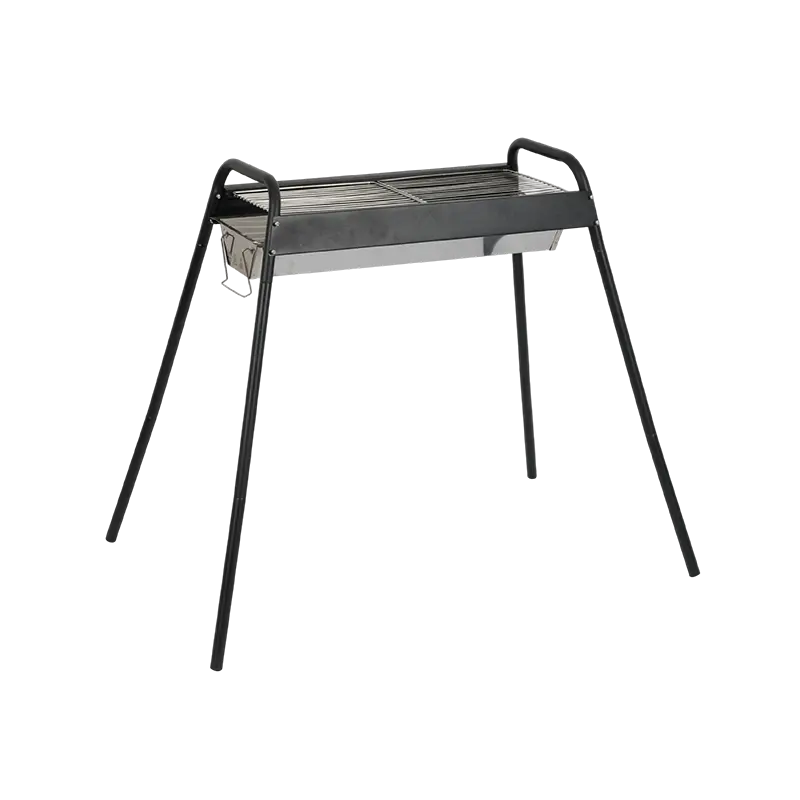 Outdoor Garden Portable Folding Charcoal Barbecue Grill
This portable, folding charcoal grill, designed specifically for outdoor BBQ enthusiasts, is perfect...

We are committed to integrity and quality, and we serve our customers with our professional oven manufacturing knowledge.
Phone: +86-13735628111
E-mail: [email protected]
Add: No.17 Ying Bin Road, Qing Xi Industry Zone, Xiang Zhu Town, Yongkang city,Zhenjiang province, China
Copyright © Yongkang Tongde Industry & Trade Co., Ltd. Rights
Reserved.

Outdoor BBQ Grill Manufacturer