
 English
  عربى
عربى  Español
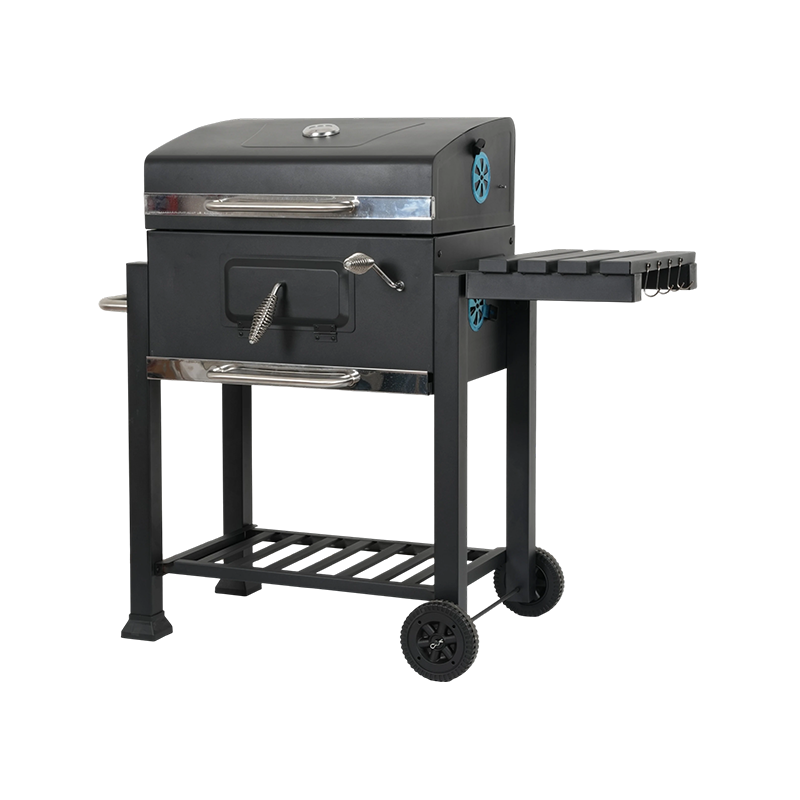
This American-style trolley-mounted charcoal grill is designed for garden and patio barbecue enthusi...

What Makes Charcoal Smoker Grill BBQ Different From Offset Grill
Author: Admin
Date: Jul 03,2026
Outdoor cooking has long depended on charcoal because it gives food a steady heat source and a visible smoke character that many people still prefer. In both compact and extended cooking setups, charcoal does more than warm the chamber. It shapes how air moves, how smoke settles, and how long heat can stay active without constant adjustment.
A Charcoal Smoker Grill BBQ often brings together direct fire management and enclosed smoke circulation in a single structure. That means heat and flavor develop in one shared space, which can suit slower cooking styles and a simple working rhythm. An Offset Smoker Grill BBQ, by contrast, usually separates fire from food more clearly, sending heat and smoke from one chamber into another. That structural split changes almost every part of the cooking process, from airflow to cleanup.
Many users look at both styles and assume they serve the same role. In practice, small design changes can create different cooking habits. One setup may feel compact and more direct, while another may demand more attention but reward careful fire control. The difference often becomes visible long before food reaches the table.
Structure and Design Differences in Cooking Chambers
A major contrast lies in chamber layout. One style keeps the fire, smoke, and cooking space closely connected, while another uses a side chamber to hold the fuel. That single choice affects how heat enters, travels, and settles around food.
In a more compact smoker-grill setup, the chamber often feels enclosed and compact, with heat rising and circulating inside a limited space. Food sits closer to the source of smoke, so flavor transfer may feel stronger and more immediate. The shape of the chamber can also guide moisture and heat in a tighter loop, which changes the way surface texture develops over time.
An offset-style layout uses distance as part of its function. Fire burns apart from the cooking area, and smoke moves through a connecting path before reaching food. That design can soften direct heat impact and create a different kind of airflow pattern. Instead of an all-in-one chamber, the structure works more like a linked system, where each section has a separate job.
| Aspect | Compact Smoker-Grill Style | Offset-Style Layout |
|---|---|---|
| Fire position | Inside or closely connected | In a separate side chamber |
| Smoke movement | Shorter path | Longer path |
| Heat feel | Tighter and more direct | More spread out |
| Fire control | Often simpler | Needs more attention |
| Cooking space | Usually compact | Usually wider |
The shape of each unit changes how a cook plans the session. A smaller chamber may feel easier to fill and monitor. A side-fire layout may offer more room, yet it can also require more adjustment to keep heat even from end to end.
Heat Flow Behavior and Cooking Stability
Heat movement tells a large part of the story. Charcoal does not behave like a fixed heat source. It changes as air reaches it, ash builds around it, and fuel burns down. Because of that, chamber design matters just as much as fuel choice.
In a unit with close fire placement, heat tends to rise through the center and spread within a shorter route. That can create a strong cooking atmosphere, especially when vents are managed with care. Smoke and warm air stay active in one general zone, so food can absorb both heat and aroma with less travel time between fire and chamber.
Offset-style systems handle heat differently. Hot air moves across a connecting passage before entering the cooking space, which can help reduce sharp direct contact. That path may also cause certain areas to warm faster than others, especially near the entry side. In daily use, that means cooks often pay attention to where food sits in relation to the firebox.
A few practical effects stand out:
- Heat near the fire entry can feel stronger than heat near the far end
- Airflow changes can shift temperature balance in noticeable ways
- Opening the chamber too often may disturb a stable cooking rhythm
- Fire size and vent position can matter more than expected
In slower cooking work, stability usually matters more than raw heat. A steady chamber gives food time to develop texture without sudden spikes. That is one reason many users focus on airflow before adjusting anything else. When air flows in a controlled way, charcoal behaves more predictably. When airflow becomes uneven, heat can rise or fall in a way that makes cooking harder to manage.
Fuel Management and Fire Control Approach
Fire control is one of the clearest points of difference between both styles. Charcoal needs oxygen, spacing, and regular attention. A small shift in fuel placement can change the whole session. Because of that, the internal structure of the cooker often becomes part of the fire-control method.
In a compact smoker-grill design, fuel may sit close to the cooking space, which can make heat response feel quicker. Adding charcoal can lift temperature in a short time. Reducing airflow can slow the burn. For some users, that direct response feels easier to understand because changes happen inside a smaller environment.
Offset-style cooking often asks for a more layered approach. Fire in a separate chamber may burn in a calmer pattern, yet the cook still has to watch airflow, fuel spacing, and smoke direction. Instead of controlling one central heat area, the user manages a small fire source and a separate cooking chamber at once. That difference can make the learning process longer, though it also allows a more flexible rhythm once the setup becomes familiar.
Common fire-control habits include:
- Arranging charcoal so burning moves gradually rather than all at once
- Watching ash buildup, since ash can block fresh airflow
- Adjusting vents in small steps rather than large ones
- Replacing fuel before heat drops too far
Neither layout removes the need for attention. Both ask for timing, patience, and a sense of how air and fuel behave together. Still, the work feels different. One design tends to keep the process compact and direct. Another spreads the process across a larger structure, which can make control feel slower but also more adjustable.
Smoke Development and Flavor Characteristics
Smoke is not only a byproduct. It becomes part of the cooking environment, part of the surface color, and part of the final aroma. Because charcoal creates smoke along with heat, how that smoke moves can matter as much as temperature.
When fire and cooking space sit closer together, smoke often reaches food more quickly. That may give a stronger smoke impression earlier in the cooking cycle. The chamber can also retain aroma in a more concentrated way, since smoke has less distance to travel before meeting the food.
Offset-style flow gives smoke a longer path. During that travel, smoke may cool slightly and spread more evenly before reaching the chamber. Some cooks prefer that gentler movement because it can reduce the chance of harsh exposure near the fire source. The result often feels less intense at one point and more spread through the full chamber.
A useful way to think about it is not "more" or "less," but "how fast" and "how far." Smoke that travels a short route can feel direct. Smoke that moves through a side chamber can feel steadier. In both cases, food still absorbs aroma, yet the pattern of that absorption changes.
Texture can shift as well. A tighter chamber may encourage a different outer finish than a layout with longer airflow. Since smoke, heat, and moisture all interact, even small changes in chamber shape can create a different cooking result.
Temperature Distribution and Cooking Zones
One important issue in any charcoal setup is the presence of cooking zones. Heat rarely stays equal from one spot to another. Instead, it forms areas that feel warmer, cooler, drier, or more active. A good cooking session depends on noticing those differences early.
Compact smoker-grill setups often create a more unified space, though hot spots can still appear near the fire or along areas where air enters. Because the chamber is smaller, changes may be easier to feel and correct. Food placement becomes a key part of the process, since a small shift in position may help avoid overcooking one side.
Offset-style layouts usually show a stronger zone pattern. Near the fire entry, heat may feel stronger. Farther away, the chamber may hold gentler warmth. That can be useful when different foods need different exposure levels at the same time. A cook may place thicker cuts in a milder area and more heat-ready items closer to the source.
In practical use, zone awareness helps with:
- Managing uneven heating
- Matching food placement to fire intensity
- Reducing unnecessary opening of the chamber
- Keeping longer cooks more balanced
By the time the fire, smoke, and airflow start working together, the difference between both designs becomes clear. One keeps the path short and focused. Another uses separation to shape a slower and broader flow.
Cooking Capacity and Food Arrangement Styles
Cooking space affects more than the number of items placed inside a grill. Air needs enough room to travel around food, carrying heat and smoke from one area to another. When racks become crowded, airflow slows down, making some sections cook differently from others.
A compact smoker usually makes good use of vertical space. Several cooking levels allow meat and vegetables to be prepared together without taking up a large area outdoors. Careful spacing remains important because smoke needs an open path instead of meeting solid layers of food.
An offset layout offers a different working style. Food is spread across a wider grate instead of being stacked. Checking individual pieces becomes easier since every section stays visible after opening the lid. Larger cuts can be moved from one area to another as heat changes during the cooking process.
Many experienced users leave small gaps between ingredients instead of filling every corner. That simple habit allows warm air to circulate naturally and helps smoke reach every surface more evenly.
Different cooking plans also influence how space is used. Short sessions with smaller portions often require only part of the grate. Longer sessions involving larger cuts usually benefit from having several temperature zones available inside the chamber.
Daily Operation and Fire Management
Working with charcoal becomes easier after gaining some experience. Every cooking session teaches something about airflow, fuel, and heat movement. No two fires behave in exactly the same way, even when using similar amounts of charcoal.
A compact cooking chamber often reacts sooner after a small adjustment. Opening a vent, adding fuel, or changing the charcoal arrangement can produce noticeable changes without waiting very long. Because of that, many people find it easier to connect each adjustment with its result.
An offset design moves at a slower pace. Heat and smoke travel from one chamber into another before reaching the food, so changes usually appear more gradually. Adding fuel does not immediately change conditions inside the cooking area. Waiting for the chamber to settle often produces a steadier result than making several adjustments within a short period.
Many users gradually develop simple habits that improve consistency.
- Watch the color and movement of smoke instead of focusing only on temperature.
- Add charcoal before the fire becomes weak.
- Make small vent adjustments instead of large ones.
- Leave the lid closed whenever possible to keep heat inside.
Patience often becomes part of the routine. Fire develops naturally, and charcoal responds at its own pace. Trying to force quick changes rarely makes cooking easier.
Cleaning and Long-Term Care
Regular cleaning helps maintain steady airflow and keeps every cooking session easier to manage. Ash, grease, and smoke residue slowly collect during normal use. Removing them before storage prevents unnecessary buildup.
Ash deserves attention because it sits directly beneath the burning fuel. Once enough ash collects, fresh air has a harder time reaching the charcoal. Fire may begin burning unevenly, making temperature harder to control. Emptying the fire area after the cooker has cooled keeps airflow open for the next use.
Cooking grates also benefit from routine care. Food residue left on the surface becomes harder to remove over time. Brushing the grates while they are still slightly warm usually requires less effort than waiting until everything has completely hardened.
Smoke leaves another kind of residue inside the chamber. A light coating often remains after many cooking sessions. Cleaning does not mean removing every mark from the interior. Instead, attention usually focuses on heavy deposits that could affect airflow or create unwanted odors.
Maintenance routines vary according to chamber design.
A compact cooker keeps nearly every working area together. Ash, cooking grates, and the main chamber can often be cleaned in one sequence.
A design with separate chambers spreads residue across different sections. The firebox collects ash, while grease and smoke settle mainly inside the cooking chamber. Looking after each section individually helps maintain smooth airflow from beginning to end.
Simple maintenance habits include:
- Empty cooled ash after cooking.
- Remove leftover food from cooking grates.
- Check air vents for blocked openings.
- Wipe away heavy grease before storage.
- Store equipment in a dry place whenever possible.
Small tasks completed regularly usually save time later.
Outdoor Cooking Habits and Practical Use
Outdoor cooking means different things to different people. Some enjoy preparing family meals on quiet weekends. Others prefer spending several hours tending the fire while food cooks slowly in the background.
A compact cooking unit often fits smaller outdoor areas where storage space matters. Moving it after cooking may also require less effort because the overall structure remains relatively simple.
A wider offset design suits another style of cooking. Larger cooking surfaces make it easier to prepare different foods together without placing everything in the same heat zone. Thick cuts, vegetables, and smaller items can each occupy an area that matches their cooking needs.
Available space is only one part of the decision. Cooking habits deserve equal attention.
Someone who cooks occasionally may appreciate a setup with a straightforward routine from lighting the charcoal to cleaning the chamber.
Another person may enjoy managing the fire throughout a long afternoon, making small adjustments while watching smoke and heat settle into a steady rhythm.
Outdoor conditions also influence the experience. Wind changes the way air enters the cooker. Cooler weather may require additional charcoal during longer sessions. Over time, users become familiar with how their equipment responds under different conditions, making each session feel more predictable.
Appearance often attracts attention at the beginning, although daily use usually becomes the deciding factor. Chamber layout influences airflow, airflow affects combustion, and combustion shapes the cooking environment from start to finish.
A Charcoal Smoker Grill BBQ keeps fire and cooking space closer together, allowing heat and smoke to travel along a shorter path. An Offset Smoker Grill BBQ separates those areas, creating a different flow before smoke reaches the food. Neither arrangement changes the basic purpose of charcoal cooking. Each simply follows a different path to reach a similar goal.
Choosing between the two often comes down to practical questions. How much outdoor space is available? How often will the cooker be used? Is a compact layout more suitable, or does a wider cooking surface better match everyday needs?
Careful fire management, regular cleaning, and patient observation remain valuable regardless of chamber style. As familiarity grows, operating the cooker becomes less about constant adjustment and more about understanding how charcoal, airflow, and chamber design work together throughout the cooking process.
Contact Us Now
Related products
-
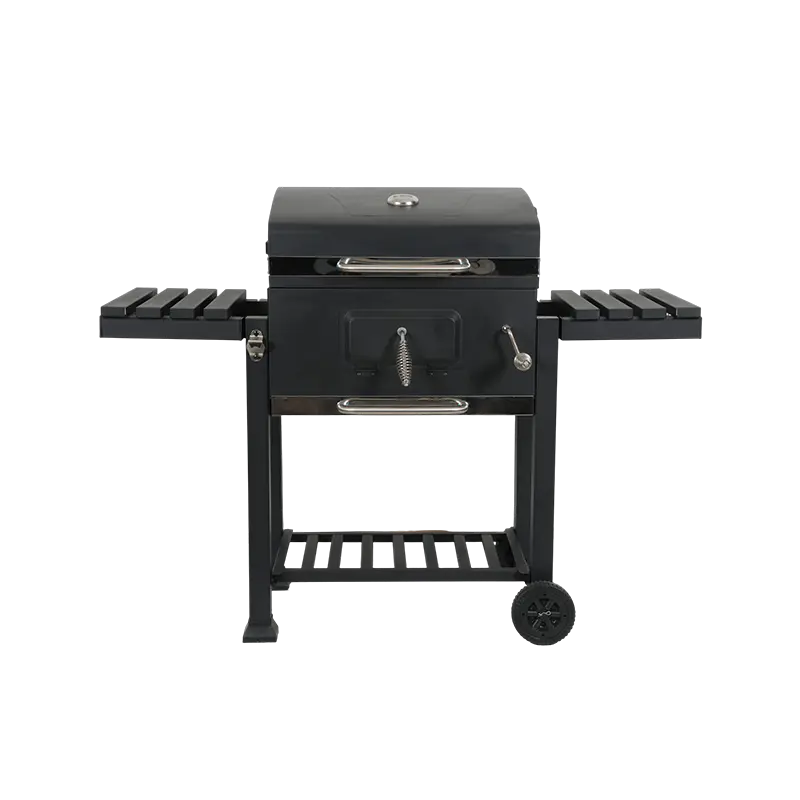 Garden Patio American Style Trolley Charcoal Smoker Grill Square Furnace
 -
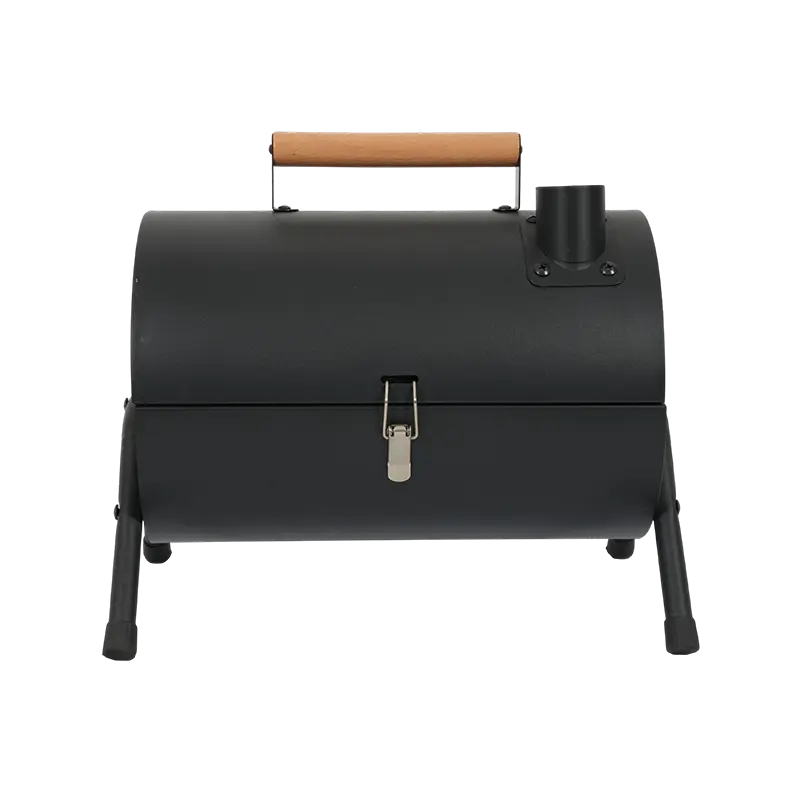 Tabletop Portable Double Sided Charcoal BBQ Grill Roaster
This compact and portable charcoal grill is designed for outdoor barbecue enthusiasts, easily handli...
-
 Multifunctional Campfire Tea Cooking Outdoor Portable Charcoal Grill
Scene Adaptability: Designed for outdoor enthusiasts, suitable for camping, picnics, caravan parties...
-
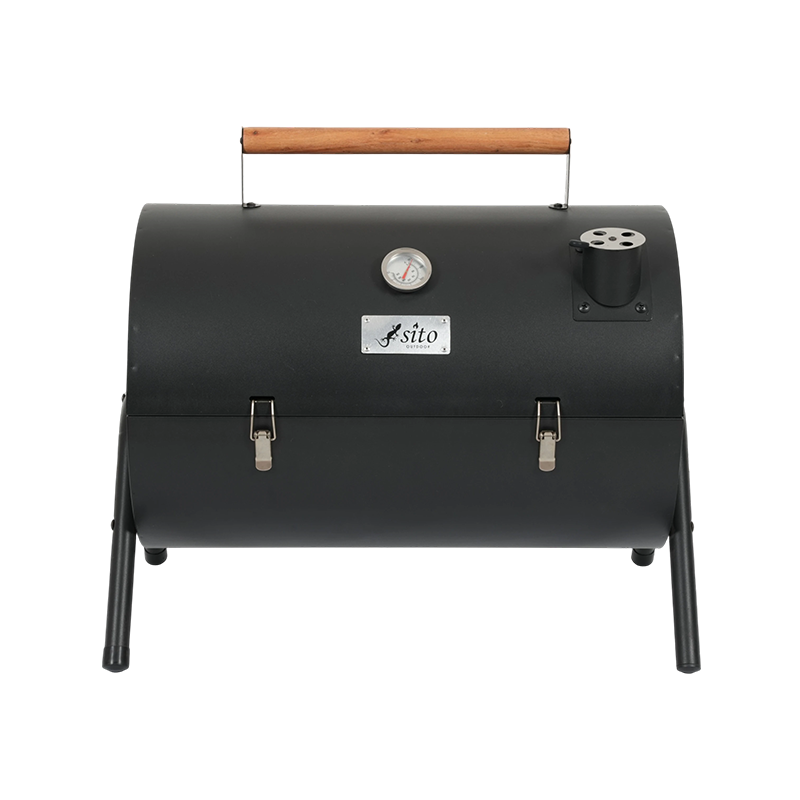 Wooden Handle Portable Tabletop Charcoal Roaster Grill
This portable grill is designed for outdoor barbecue enthusiasts and is perfect for camping trips, p...
-
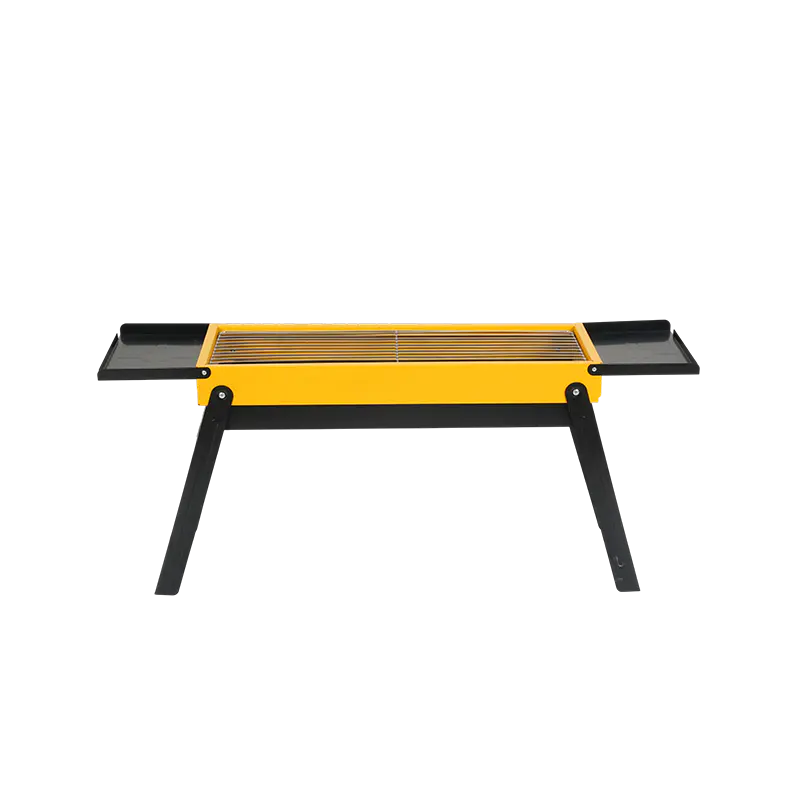 Portable Folding Outdoor Camping Charcoal Barbecue Grill
This portable, foldable outdoor camping charcoal grill is compact yet powerful, making it a great ch...
-
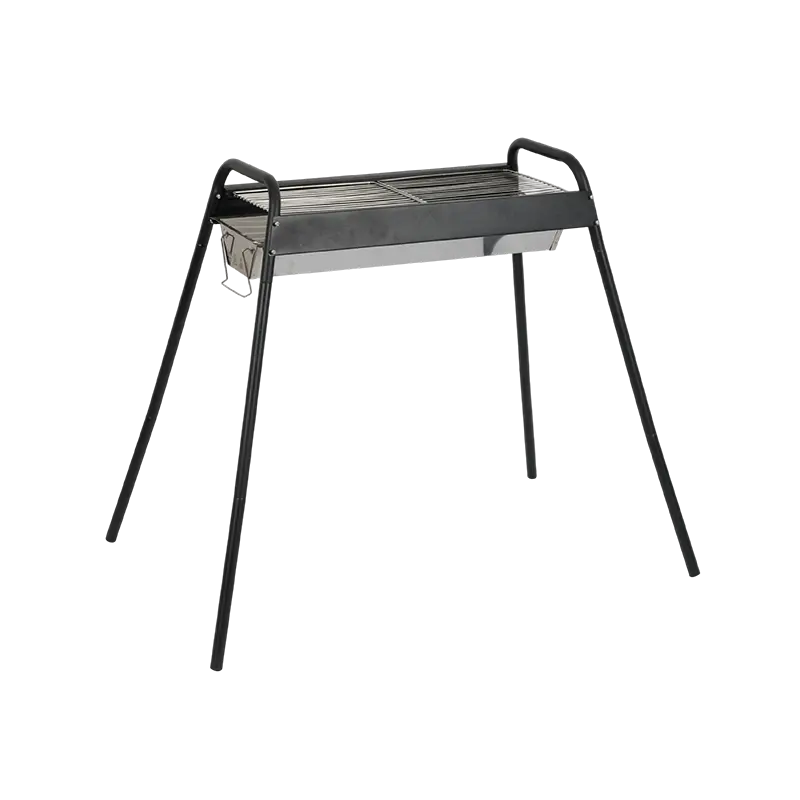 Outdoor Garden Portable Folding Charcoal Barbecue Grill
This portable, folding charcoal grill, designed specifically for outdoor BBQ enthusiasts, is perfect...

We are committed to integrity and quality, and we serve our customers with our professional oven manufacturing knowledge.
Phone: +86-13735628111
E-mail: [email protected]
Add: No.17 Ying Bin Road, Qing Xi Industry Zone, Xiang Zhu Town, Yongkang city,Zhenjiang province, China
Copyright © Yongkang Tongde Industry & Trade Co., Ltd. Rights
Reserved.

Outdoor BBQ Grill Manufacturer