
 English
  عربى
عربى  Español
This American-style trolley-mounted charcoal grill is designed for garden and patio barbecue enthusi...

What Makes Outdoor Fire Pit Cooking Grill Ideal For BBQ Cooking
Author: Admin
Date: Jun 26,2026
An Outdoor Fire Pit Cooking Grill turns a simple fire into a cooking station. The grill sits above the fire, providing a surface for food. The setup combines the warmth of a fire with the function of a grill. The result is a cooking experience that differs from conventional BBQ grills.
The basic components include the fire pit itself, a grill grate, and sometimes an adjustable support system. The grill grate spans the fire pit opening. The grate holds food directly above the flames. The height of the grate affects the cooking temperature. Some designs allow the grate to be raised or lowered.
The appeal of fire pit cooking goes beyond just making food. The open fire creates a gathering place. People sit around the fire while the food cooks. The cooking process becomes part of the outdoor experience. An Outdoor Fire Pit Cooking Grill serves both cooking and social functions.
The design has been used for many years in various forms. The basic idea remains unchanged. A fire provides heat, and a grate holds food over that heat. The modern versions use improved materials and adjustable features. The concept remains simple and effective.
How Does Heat Distribution Work in Fire Pit Grilling
Heat distribution in fire pit grilling comes from the fire below. The flames and hot coals produce radiant heat. The heat rises and hits the grill surface. The food on the grill cooks from the heat radiating from below.
The distance between the fire and the grill affects the temperature. A grill close to the fire gets very hot. A grill farther away gets less heat. Adjustable grills allow the cook to find the right distance for the food being prepared. Different foods need different temperatures.
The fire itself is not uniform. Some areas of the fire burn hotter than others. The heat is not distributed evenly across the grill surface. The cook learns where the hot spots and cool spots are. The food gets moved around to cook evenly.
Airflow affects heat distribution as well. Wind can blow heat away from one side of the grill. The fire may burn differently with wind. A Stainless Steel Fire Pit BBQ with wind protection features may provide more consistent heat.
What Role Does Material Selection Play in Fire Pit Grill Performance
The materials used in a fire pit grill affect how it performs and how long it lasts. The grill sits directly over a fire. The heat is intense. The materials need to handle that heat without failing.
The cooking surface must withstand direct flame contact. The metal should not warp or crack under high heat. The surface should not react with food. The material should be safe for cooking. Stainless steel and cast iron are common choices.
The support structure holds the grill above the fire. The structure needs to be stable and heat resistant. The support should not weaken over time. The material should resist corrosion from outdoor exposure.
| Material | Heat Resistance | Durability | Maintenance | Corrosion Resistance |
|---|---|---|---|---|
| Stainless steel | Good | Good | Low | Good |
| Cast iron | Good | Good | High | Moderate |
| Steel | Moderate | Moderate | Moderate | Low |
| Chrome-plated | Moderate | Low | Low | Low |
A Stainless Steel Fire Pit BBQ offers good heat resistance and low maintenance. The material handles outdoor exposure well. It does not require the seasoning that cast iron needs. The appearance remains consistent over time.
How Does Stainless Steel Perform in High-Heat Outdoor Conditions
Stainless steel has qualities that suit fire pit grilling. The material resists heat well. It does not warp or distort easily. The surface does not rust when exposed to moisture. These qualities make stainless steel a common choice for outdoor cooking equipment.
The heat resistance of stainless steel comes from its composition. The alloy contains chromium and nickel. These elements provide strength at high temperatures. The material holds its shape through repeated heating and cooling cycles. An Outdoor Fire Pit Cooking Grill made from stainless steel will not deform over time.
The surface of stainless steel changes slightly with heat exposure. The metal may develop a golden or blue tint. This discoloration does not affect performance. The color change is cosmetic only. The material continues to perform well.
Stainless steel requires less maintenance than other materials. The surface does not need seasoning. The material does not rust. A simple cleaning after use keeps the grill in good condition. The low maintenance makes stainless steel a practical choice for occasional use.
What Design Features Affect Cooking Performance
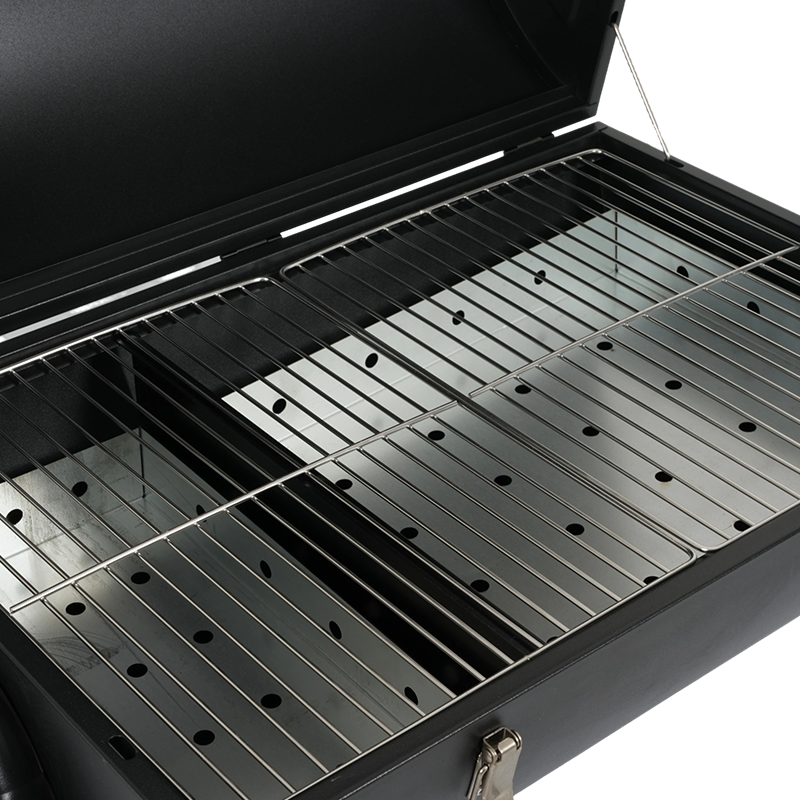
The design of a fire pit grill affects how well it cooks. The spacing of the grate bars determines what foods the grill can handle. Wide spacing works for large items like steaks. Narrow spacing works for smaller items like vegetables. The grate design should match the intended use.
The shape of the grill affects the cooking area. A round grill fits over a round fire pit. A rectangular grill may not cover the entire opening. The grill should cover enough of the fire to provide a useful cooking surface.
Adjustable height provides temperature control. A grill that can be raised or lowered allows the cook to adjust the heat. High heat for searing, lower heat for slower cooking. The adjustment mechanism should be easy to use and secure.
Access features allow the cook to tend the fire. The grill should be easy to lift or swing aside. The cook needs to add wood or adjust the fire without moving all the food. A well-designed Outdoor Fire Pit Cooking Grill makes fire management convenient.
How Do Fire Pit Grills Compare With Conventional BBQ Grills
Fire pit grills and conventional BBQ grills both cook food over heat, though the experience differs in several ways. The heat source makes a notable difference. A conventional grill uses charcoal, gas, or electric elements. A fire pit grill uses wood or wood-based fuel.
The flavor from fire pit cooking has a distinct character. Wood smoke adds flavor to the food. Different woods produce different flavors. The smoke from the fire penetrates the food during cooking. Conventional grills with gas or electric heat do not produce the same smoke flavor.
Cooking technique varies between the two. A conventional grill provides more control over temperature. The cook can set the gas level or adjust the charcoal arrangement. A fire pit grill requires managing the fire itself. The cook adds wood and adjusts the airflow to control the heat.
The overall experience differs as well. A fire pit grill becomes a centerpiece for gatherings. People sit around the fire while the food cooks. The process of tending the fire adds to the social aspect. An Outdoor Fire Pit Cooking Grill creates a different atmosphere than a conventional BBQ setup.
What Installation and Setup Considerations Apply
The location of a fire pit grill affects safety and convenience. The grill should sit on level ground. The ground should be stable and non-combustible. Gravel, stone, or concrete work well. Grass or wood decks are not suitable.
Clearance from structures matters. The fire pit needs space away from buildings, trees, and other combustible materials. The clearance should allow for wind and sparks. A safe distance protects the surrounding area. Local rules may specify required clearance distances.
The wind direction affects smoke management. The grill should be positioned so smoke does not blow toward seating areas. A windbreak can help direct smoke away. The fire pit design may include features for smoke management.
The base and support structure should be stable. The fire pit needs a solid base that will not shift. The grill grate should sit securely on the support structure. A Stainless Steel Fire Pit BBQ with a sturdy base provides stable cooking and long-term reliability.
What Maintenance Practices Preserve Grill Performance
Regular cleaning keeps a fire pit grill performing well. Food residue and grease build up on the cooking surface. The build-up affects heat transfer and food flavor. The grill should be cleaned after each use.
The cleaning method depends on the material. Stainless steel grills clean easily with a brush and warm water. Stubborn residue may need a stainless steel cleaner. The surface should be rinsed and dried after cleaning. A Stainless Steel Fire Pit BBQ requires minimal maintenance compared to other materials.
The fire pit itself needs maintenance as well. Ash and debris accumulate in the fire pit. The ash should be removed periodically. The fire pit should be inspected for damage. Cracks or deterioration need attention.
Seasonal care prepares the grill for storage or extended use. Before the cooking season, the grill should be inspected and cleaned. After the season, the grill should be covered or stored indoors. The seasonal care extends the life of the grill.
What Safety Considerations Apply to Fire Pit Grilling
Safety is important with any fire-based cooking. The fire pit should be used with caution. The fire should be managed to prevent problems. The cook should follow basic safety guidelines.
The fire should be built properly. The fire should be kept to a manageable size. The fire should not be allowed to spread beyond the fire pit. A water source should be nearby. A fire extinguisher should be accessible.
Flare-ups can occur when grease drips into the fire. The flare-ups create sudden flames. The cook should be prepared for flare-ups. Moving the food away from the flames or reducing the fire size helps control flare-ups.
Children and pets should be kept at a distance. The fire pit and grill are hot. The surroundings should be safe. The cook should not leave the fire unattended. A watchful eye on the fire is necessary.
What Factors Guide the Selection of a Fire Pit Cooking Grill
Choosing a fire pit cooking grill involves considering several factors. The intended use guides the selection. The location and available space affect the choice. The budget determines what options are possible.
The cooking style matters for grill selection. Some cooks want a basic grill for occasional use. Others want a more featured grill with adjustable height and multiple cooking positions. The grill should match the cooking style.
The frequency of use affects the material choice. A grill used frequently should be made from durable material. A grill used occasionally may not need the same durability. The material cost should match the expected use.
The local weather conditions influence the choice. Wet or coastal areas need corrosion-resistant materials. Dry areas may allow other materials. A Stainless Steel Fire Pit BBQ works well in various weather conditions.
| Selection Factor | What to Consider | Why It Matters |
|---|---|---|
| Cooking style | Grilling, roasting, smoking | Determines features needed |
| Frequency of use | Occasional or regular | Affects material choice |
| Weather conditions | Rain, humidity, salt air | Influences durability |
| Available space | Yard size, storage area | Affects grill size |
| Budget | Price range | Limits options |
The final selection should balance these factors. The right grill for one person may not be right for another. The selection should match the specific needs and conditions.
Contact Us Now
Related products
-
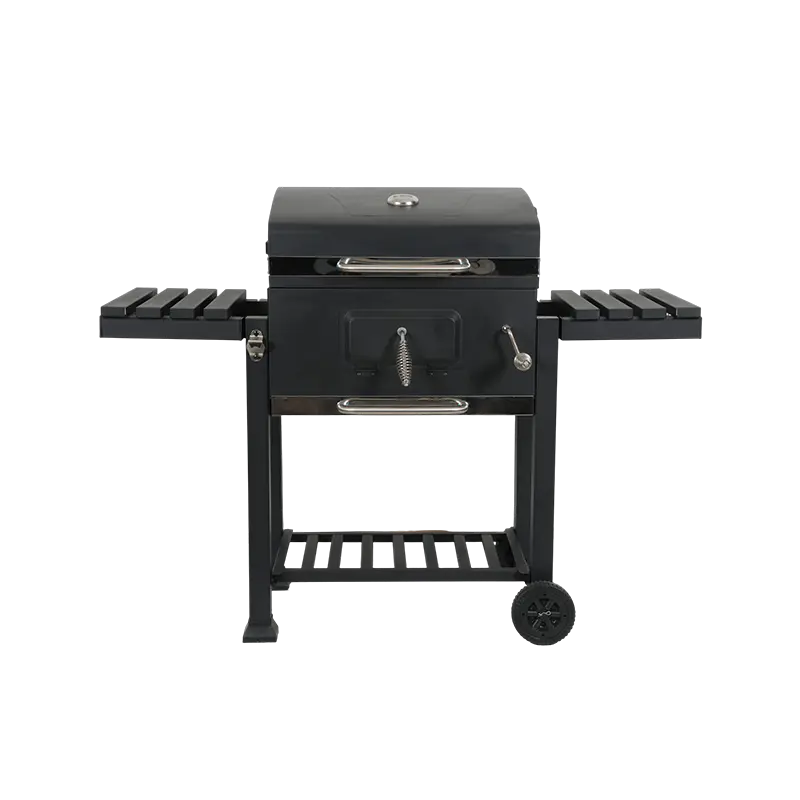 Garden Patio American Style Trolley Charcoal Smoker Grill Square Furnace
 -
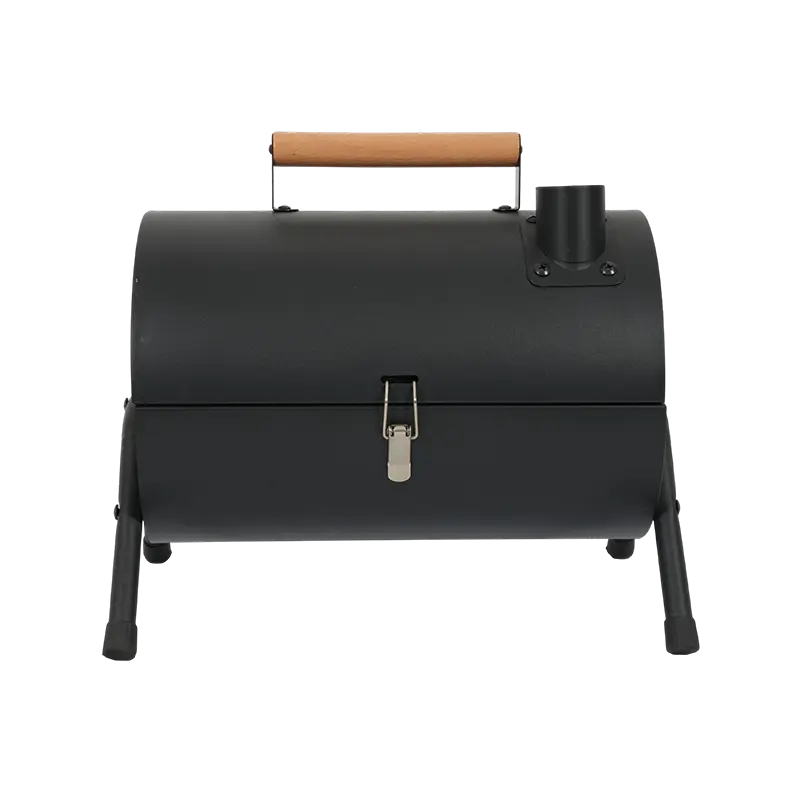 Tabletop Portable Double Sided Charcoal BBQ Grill Roaster
This compact and portable charcoal grill is designed for outdoor barbecue enthusiasts, easily handli...
-
 Multifunctional Campfire Tea Cooking Outdoor Portable Charcoal Grill
Scene Adaptability: Designed for outdoor enthusiasts, suitable for camping, picnics, caravan parties...
-
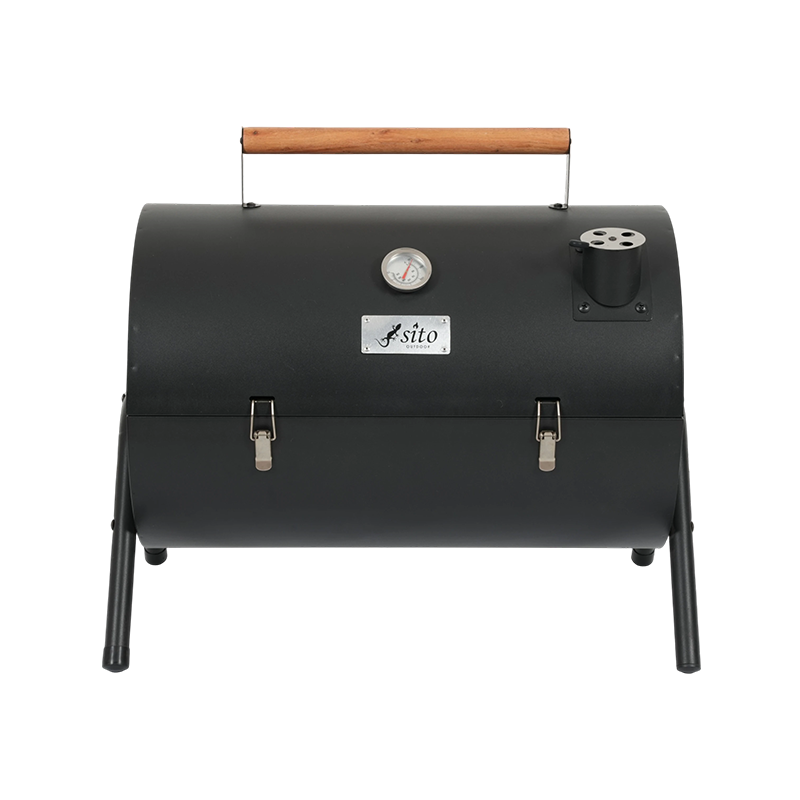 Wooden Handle Portable Tabletop Charcoal Roaster Grill
This portable grill is designed for outdoor barbecue enthusiasts and is perfect for camping trips, p...
-
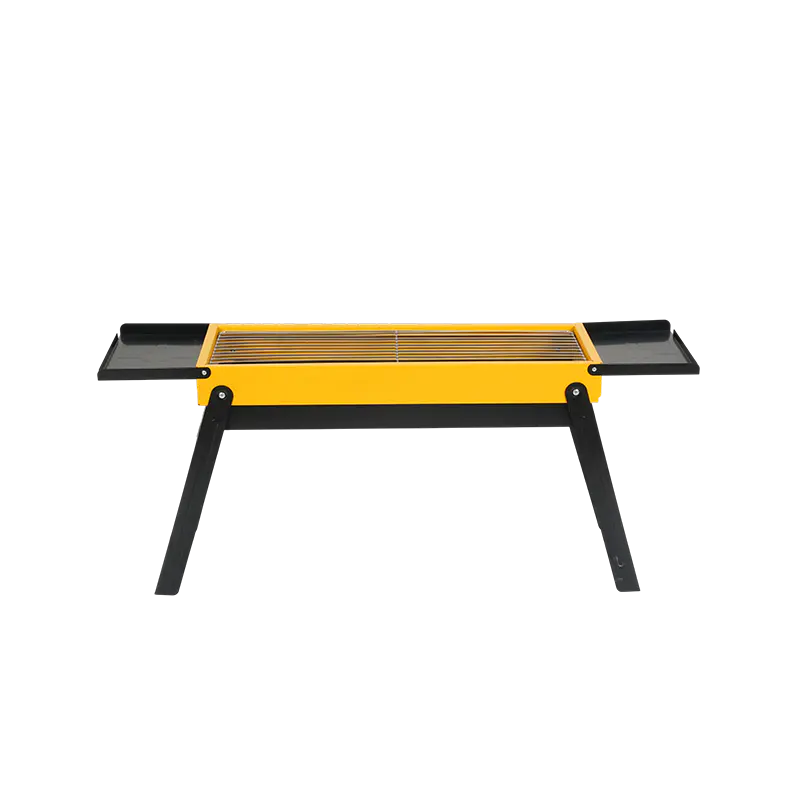 Portable Folding Outdoor Camping Charcoal Barbecue Grill
This portable, foldable outdoor camping charcoal grill is compact yet powerful, making it a great ch...
-
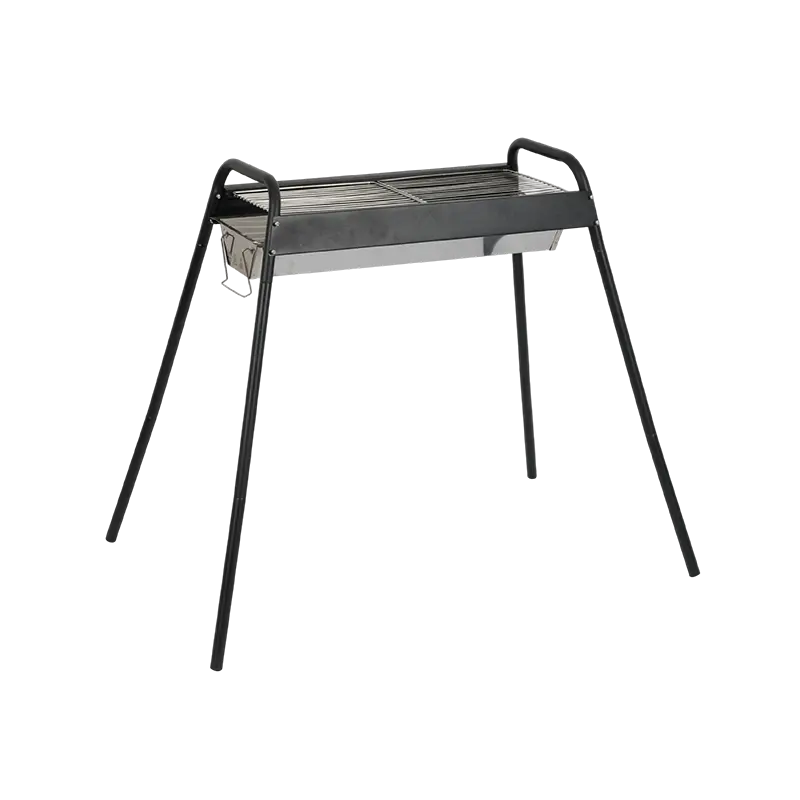 Outdoor Garden Portable Folding Charcoal Barbecue Grill
This portable, folding charcoal grill, designed specifically for outdoor BBQ enthusiasts, is perfect...

We are committed to integrity and quality, and we serve our customers with our professional oven manufacturing knowledge.
Phone: +86-13735628111
E-mail: [email protected]
Add: No.17 Ying Bin Road, Qing Xi Industry Zone, Xiang Zhu Town, Yongkang city,Zhenjiang province, China
Copyright © Yongkang Tongde Industry & Trade Co., Ltd. Rights
Reserved.

Outdoor BBQ Grill Manufacturer