
 English
  عربى
عربى  Español
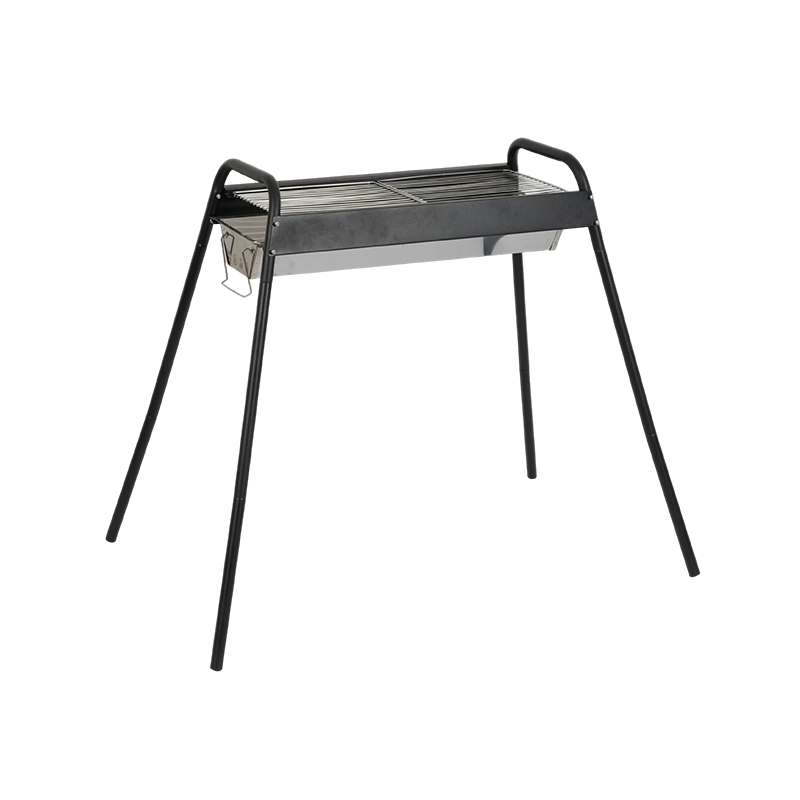
This American-style trolley-mounted charcoal grill is designed for garden and patio barbecue enthusi...

Cleaning Considerations For Long Term Use Of Charcoal Roaster Grill
Author: Admin
Date: Jun 19,2026
A Charcoal Roaster Grill is often treated as a simple outdoor cooking tool, yet inside the chamber the situation changes quickly once heat, smoke, and oil start interacting. Each cooking session leaves behind small traces that settle on metal surfaces and slowly influence how the grill behaves in daily use.
Charcoal Roaster Grill relies on steady airflow and open combustion. Once residue begins to build up, heat movement inside the chamber becomes less uniform. In real use, this shows up as one side cooking faster while another side stays slightly cooler, even when the charcoal placement looks similar.
Household use often reveals the change gradually. A grill that once heated evenly may start needing more adjustment of charcoal position or lid opening. The reason is rarely visible damage. More often it is layered ash, grease, and carbon inside hidden zones.
What Builds Up Inside The Grill During Daily Use
Residue inside a charcoal grill does not come from a single source. It forms through repeated interaction between fuel, food, and airflow. Each part leaves its own trace.
In normal cooking conditions, three common layers appear:
- Ash from charcoal combustion
Light particles fall through grates and settle at the bottom tray. At first, movement is loose and dry. Over time, compacted ash begins to reduce airflow space. - Grease from food preparation
Dripping oil lands on hot surfaces, spreads thinly, then cools into sticky patches. After several heating cycles, grease becomes darker and harder. - Carbonized layer
When grease meets repeated high heat, it turns into a harder coating. This layer attaches tightly to metal and changes surface texture.
Each layer behaves differently, yet they overlap in the same space. That combination slowly changes how air moves through the grill.
How Airflow Changes In Real Kitchen Or Backyard Use
Airflow inside a charcoal grill is not constant. It depends on open vents, ash clearance, and internal space. When ash gathers near bottom openings, air entry becomes restricted without obvious warning.
In everyday use, this appears in simple ways:
- charcoal takes longer to reach steady burn
- heat feels uneven across cooking surface
- smoke moves in irregular direction under lid
- temperature recovery slows after lid opening
A clean grill allows oxygen to move freely through fuel zones. Once ash blocks small paths, combustion becomes uneven. That uneven burn affects cooking more than appearance changes.
Many users notice this only after repeated cooking sessions, not after a single use.
Surface Behavior Under Repeated Heating
Metal surfaces inside a grill expand during heating and contract during cooling. Over time, this cycle leaves subtle changes on areas that are frequently exposed to grease and flame.
Grease-covered spots behave differently from clean metal. Heat travels slower through coated areas, creating small differences in cooking zones. Carbon layers increase this effect by acting like a thin barrier between flame and surface.
Common surface changes include:
- slightly darker zones on frequently used areas
- uneven heat feel across cooking grate
- small sticking points for food pieces
- slower response to temperature changes
These changes are gradual. They rarely appear in early use, more noticeable after many cooking cycles.
Where Residue Tends To Gather In Real Conditions
Different parts of a Charcoal Roaster Grill collect residue in different ways depending on heat direction and airflow path.
- bottom tray collects loose ash after each burn cycle
- cooking grate gathers grease from direct food contact
- side walls develop thin carbon layers from rising smoke
- ventilation edges trap fine particles over time
Even in home settings, cleaning often focuses only on visible surfaces. Hidden zones usually change system behavior more strongly than visible ones.
| Area | What Collects | What Happens Over Time |
|---|---|---|
| Bottom tray | Ash particles | Airflow becomes restricted |
| Cooking grate | Grease and oil | Surface becomes sticky, heat transfer slows |
| Inner walls | Carbon film | Heat reflection becomes uneven |
| Vents | Fine dust and ash | Oxygen flow reduces gradually |
Why Timing Of Cleaning Feels More Important Than Method
Cleaning method matters, yet timing often decides how easy or difficult the process becomes. A grill cleaned soon after cooling behaves differently from one left with residue for long periods.
Fresh grease is still soft and easier to remove. After repeated heating cycles, the same grease turns darker and bonds more tightly with metal surface. Carbon layers form from that transformation.
In real usage patterns:
- quick cleaning after cooking reduces hard buildup
- delayed cleaning allows grease to bond with carbon
- irregular cleaning creates mixed surface layers
- consistent timing keeps airflow more stable
Many cooking issues linked to heat imbalance trace back to cleaning delay rather than structural problems.
How Everyday Use Environment Influences Build-Up Speed
Outdoor and backyard use introduces extra factors that affect how fast residue forms. Wind carries ash, humidity affects surface moisture, and storage conditions influence how grease behaves after cooling.
In simple terms:
- humid conditions make residue feel stickier
- windy environments move ash into vents faster
- covered storage slows visible buildup but not internal layering
- open storage increases dust accumulation
Even small environmental differences change how often cleaning becomes necessary.
A charcoal grill used in daily cooking builds residue in a pattern that follows how often food is prepared and how long heat stays inside the chamber. After a few cooking cycles, ash settles at the bottom, grease spreads across the grate, and thin smoke films begin to form on inner walls.
A Charcoal Roaster Grill responds directly to these changes because airflow and heat movement depend on open paths inside the structure.
Charcoal Roaster Grill works more smoothly when cleaning becomes part of normal use instead of an occasional task. In real cooking environments, cleaning often happens in small steps rather than one large effort.
A practical rhythm often looks like:
- ash removal after the grill fully cools
- light scraping of cooking grate before residue hardens
- wiping grease spots while surface still has mild warmth
- clearing vent openings when smoke flow feels reduced
Each step targets a different stage of residue formation. When done early, buildup stays loose and easier to handle.
Surface Care Without Changing Metal Condition
Metal inside a grill expands under heat and contracts after cooling. Repeated cycles create a surface that reacts to cleaning pressure and tool choice. Rough cleaning on hot metal can slowly change texture, which later affects how grease sticks.
In everyday use, damage does not appear suddenly. It develops quietly through small scratches or uneven scrubbing patterns.
Safer handling habits in real conditions:
- wait until full cooling before deep cleaning
- use soft scraping tools instead of sharp edges
- avoid heavy force on coated or polished zones
- focus on residue removal instead of surface polishing
Grease is easier to remove when still fresh. Once it turns dark under repeated heating, it bonds with carbon layers and becomes harder to lift from the surface.
Airflow Recovery In Daily Grill Use
Air movement inside a charcoal grill depends on clear entry points and open exit paths. Ash buildup near vents slowly reduces oxygen flow without obvious warning. Cooking results begin to shift before blockage becomes visible.
In practical use, airflow problems often show through simple signs:
- charcoal takes longer to stabilize after ignition
- heat spreads unevenly across cooking surface
- smoke lingers longer inside the chamber
- temperature drops faster after lid opening
Restoring airflow usually involves simple checks:
- clearing ash from bottom tray
- opening and brushing vent channels
- removing fine dust near air intake areas
- checking for compacted residue in corners
Once air paths are open again, burning behavior returns closer to normal balance.
Structural Areas That Quietly Affect Performance
Some parts of a grill do not draw attention during cooking, yet they influence long term behavior. Small residue buildup in these areas can slowly change stability.
Key structural points include:
- grate seating edges where alignment is fixed
- ash tray contact zones where movement is frequent
- hinge areas exposed to heat expansion
- inner corners where airflow slows down
When ash or grease gathers here, movement may still look normal, yet heat distribution can shift slightly during cooking.
Environmental Conditions And Cleaning Demand
Outdoor grilling exposes equipment to changing surroundings. Wind, humidity, and storage conditions all affect how fast residue builds up and how it behaves on metal surfaces.
Dry air tends to keep ash loose, making it easier to remove. Humid air makes grease feel heavier and more adhesive. Dusty surroundings increase surface contamination even before cooking starts.
Common real-world effects:
- wind pushes ash into vent openings
- humidity slows grease drying process
- open storage increases dust settling on surfaces
- temperature changes affect residue hardness
These conditions influence how often cleaning is needed, even when cooking frequency stays the same.
| Condition Type | Residue Behavior | Practical Effect |
|---|---|---|
| Dry outdoor air | loose ash buildup | easier cleaning, faster airflow recovery |
| Humid air | sticky grease layers | stronger adhesion on surfaces |
| Dusty storage | mixed debris accumulation | more frequent vent blockage |
| Covered storage | trapped moisture residue | uneven surface buildup |
Over time, a charcoal grill develops a usage pattern shaped by cleaning habits, cooking frequency, and environment. When ash and grease are controlled, airflow stays open and heat spreads more evenly across the cooking surface.
A Charcoal Roaster Grill does not change in a sudden way. Instead, small shifts in residue level slowly influence how stable heat feels during cooking sessions.
Charcoal Roaster Grill maintains more consistent behavior when internal layers remain thin and evenly distributed rather than heavily built up in specific zones.
When conditions stay balanced over time, typical results include:
- more stable charcoal ignition behavior
- smoother smoke movement inside chamber
- reduced uneven heat zones during cooking
- easier cleaning cycles with less buildup
Cleaning in charcoal grilling connects directly to airflow, heat movement, and surface condition. Changes happen gradually, not in sudden steps. Small habits repeated over time keep the grill closer to its natural working state.
When residue remains light, cooking feels more predictable. When layers build up, airflow shifts slowly and heat becomes less balanced. Simple cleaning routines help keep these changes under control without heavy effort or complex tools.
Contact Us Now
Related products
-
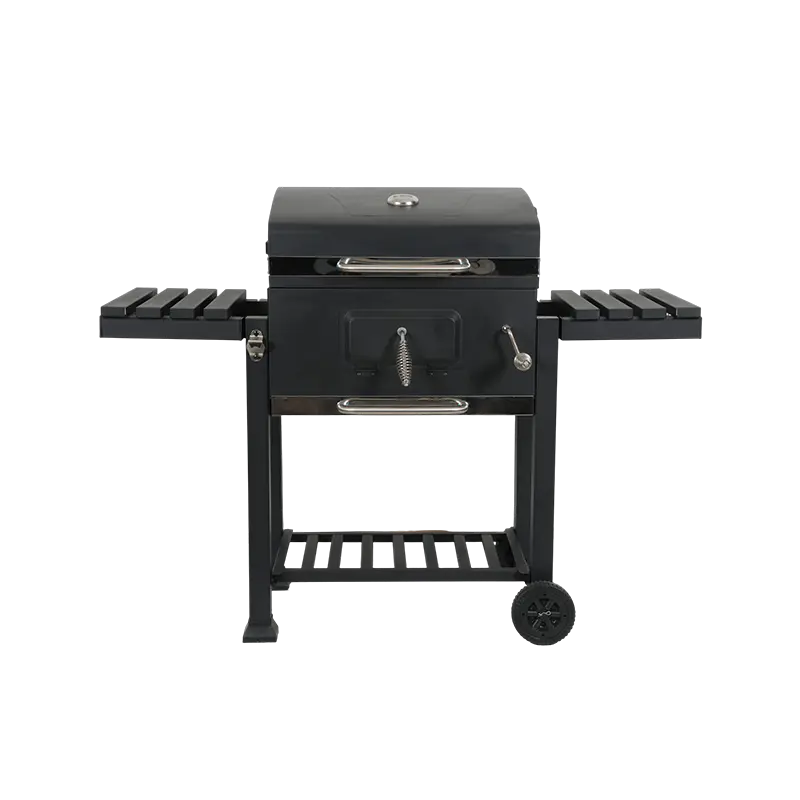 Garden Patio American Style Trolley Charcoal Smoker Grill Square Furnace
 -
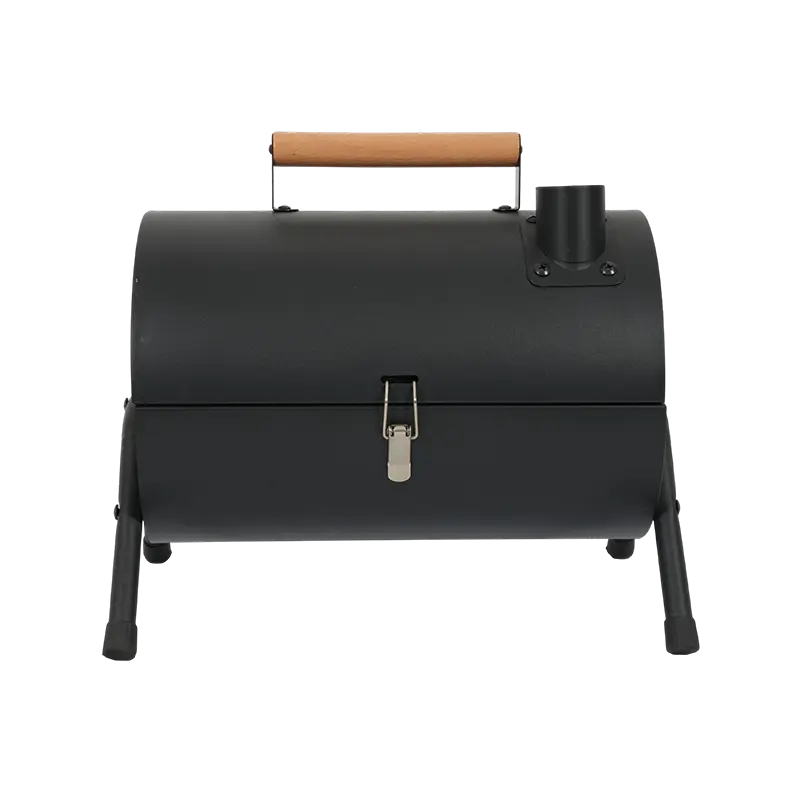 Tabletop Portable Double Sided Charcoal BBQ Grill Roaster
This compact and portable charcoal grill is designed for outdoor barbecue enthusiasts, easily handli...
-
 Multifunctional Campfire Tea Cooking Outdoor Portable Charcoal Grill
Scene Adaptability: Designed for outdoor enthusiasts, suitable for camping, picnics, caravan parties...
-
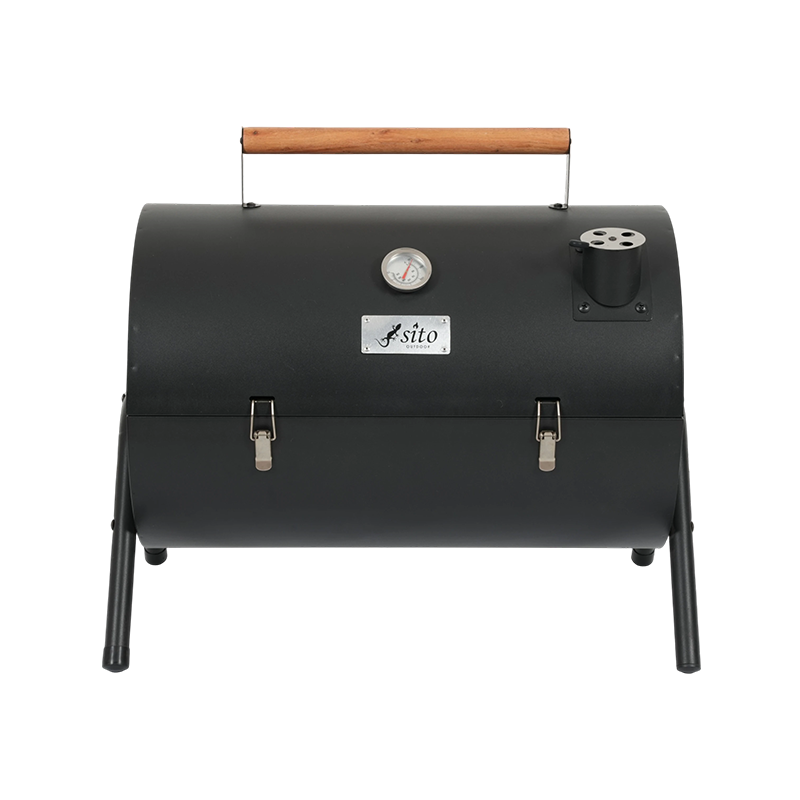 Wooden Handle Portable Tabletop Charcoal Roaster Grill
This portable grill is designed for outdoor barbecue enthusiasts and is perfect for camping trips, p...
-
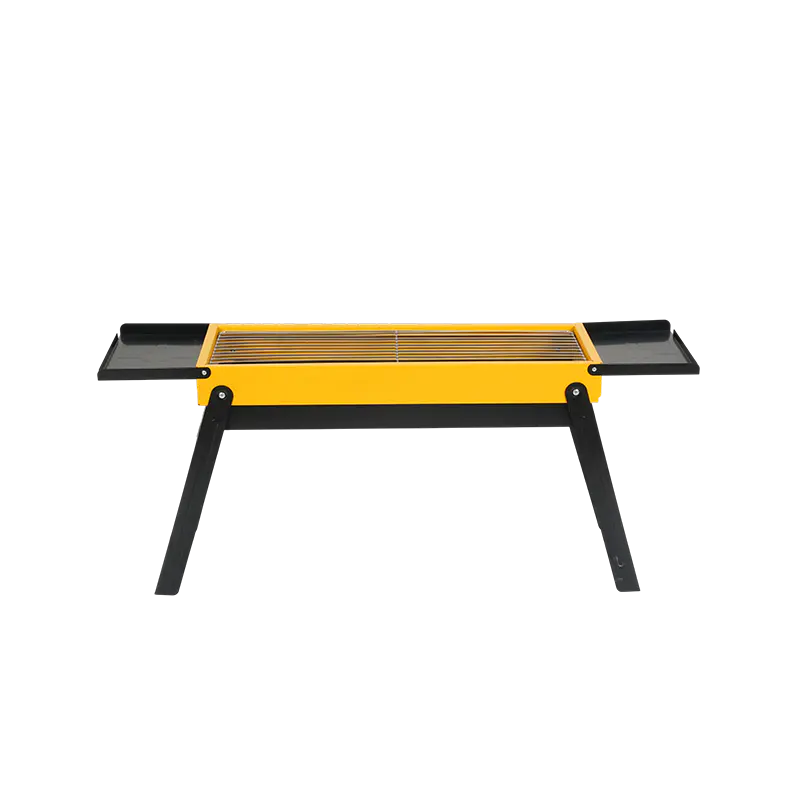 Portable Folding Outdoor Camping Charcoal Barbecue Grill
This portable, foldable outdoor camping charcoal grill is compact yet powerful, making it a great ch...
-
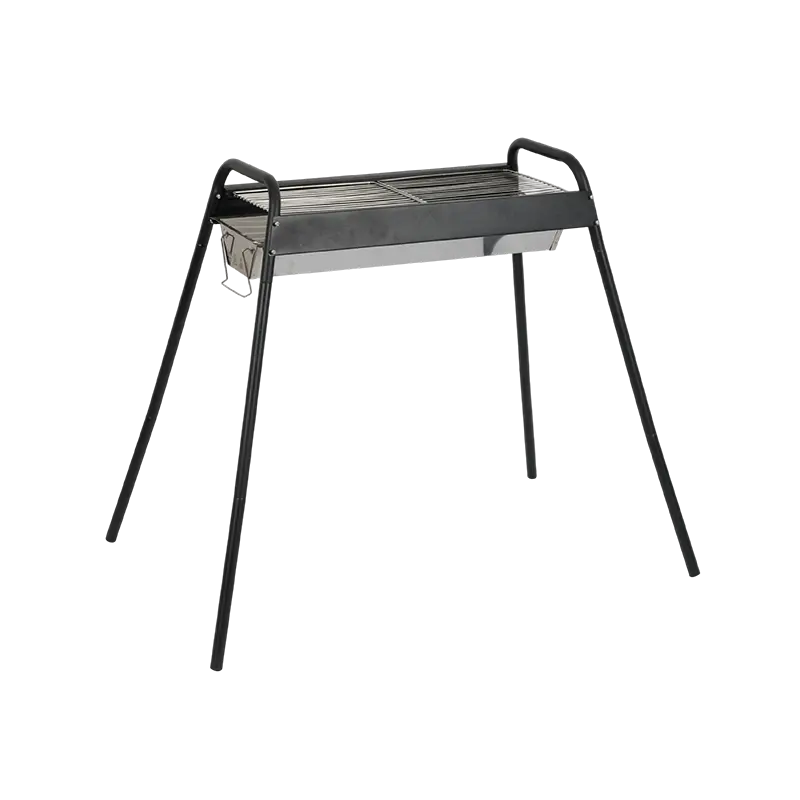 Outdoor Garden Portable Folding Charcoal Barbecue Grill
This portable, folding charcoal grill, designed specifically for outdoor BBQ enthusiasts, is perfect...

We are committed to integrity and quality, and we serve our customers with our professional oven manufacturing knowledge.
Phone: +86-13735628111
E-mail: [email protected]
Add: No.17 Ying Bin Road, Qing Xi Industry Zone, Xiang Zhu Town, Yongkang city,Zhenjiang province, China
Copyright © Yongkang Tongde Industry & Trade Co., Ltd. Rights
Reserved.

Outdoor BBQ Grill Manufacturer