
 English
  عربى
عربى  Español
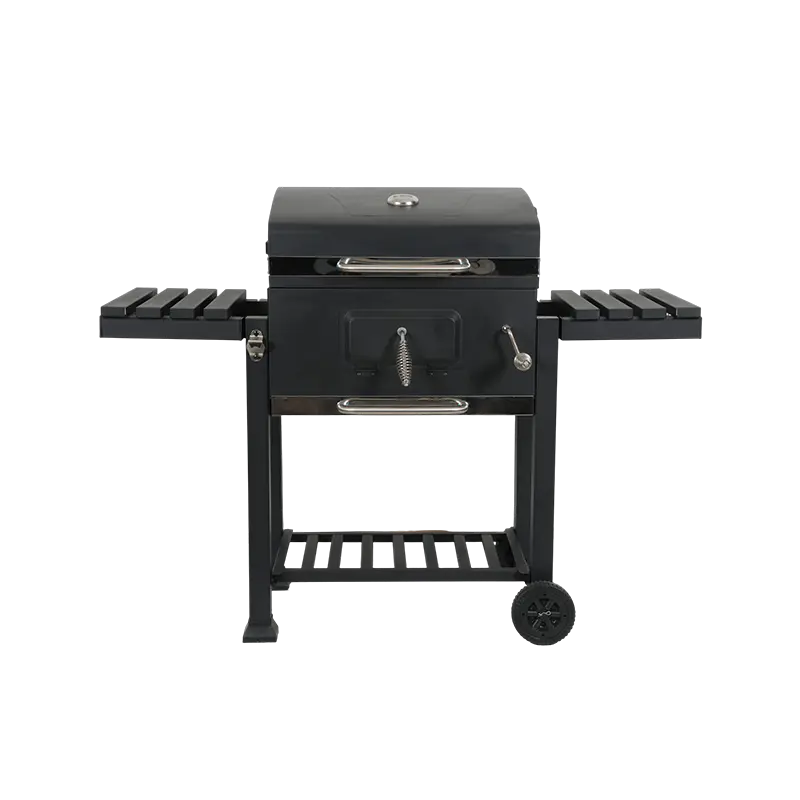
This American-style trolley-mounted charcoal grill is designed for garden and patio barbecue enthusi...

What Is Stainless Steel Fire Pit BBQ For Outdoor Cooking
Author: Admin
Date: Jun 12,2026
What Defines a Stainless Steel Fire Pit BBQ in Outdoor Cooking Spaces
Outdoor cooking setups often grow from simple backyard layouts, where open space slowly turns into a place for heating, gathering, and food preparation happening in the same area. A Stainless Steel Fire Pit BBQ usually sits inside that kind of environment as a structure that carries both flame and cooking surface, not separating heat from food preparation, instead combining the two into one working point.
A fire pit alone normally stays focused on burning fuel for warmth or visual flame, while a cooking version changes the purpose by adding a usable upper zone where heat can be directed toward cookware or food. That upper zone becomes the main working area, while the flame below continues to act as the energy source.
Stainless steel material changes the behavior of the structure during repeated heating. Outdoor conditions rarely stay stable, wind moves across the surface, temperature shifts during use, and fuel burns in uneven patterns, so the structure has to stay steady through those variations without changing shape in a noticeable way.
In many backyard situations, cooking is not isolated work. Movement around the fire pit, adjustment of fuel, placement of food, all happen together in a loose rhythm that depends more on heat behavior than fixed timing.
Common functional roles in outdoor use:
- Open flame source for heating and cooking support
- Upper surface area for cookware or grilling use
- Central point for outdoor gathering activity
- Flexible use depending on cooking style and setup
How Does Stainless Steel Perform Under Open Flame Cooking Conditions
Stainless steel behaves in a steady way when exposed to open flame, especially in outdoor cooking environments where heat does not stay in one fixed position. Instead of constant temperature, there are shifts caused by air movement, fuel placement, and distance between flame and cooking surface.
A Stainless Steel Fire Pit BBQ experiences repeated heating and cooling cycles in a single use period. Flame intensity rises and falls, air flow changes direction, and heat spreads unevenly across the structure. Even under those conditions, stainless steel tends to hold its shape without visible distortion in normal outdoor usage.
Outdoor exposure adds another layer of conditions. Moist air, residue from burning fuel, and temperature difference between day and evening all interact with the surface. Stainless steel remains relatively stable under these combined factors, which helps the structure stay usable over repeated cycles.
Main behavior patterns include:
- Surface stability during repeated heating and cooling
- Resistance to shape change under flame exposure
- Consistent response under shifting heat zones
- Adaptation to outdoor air and moisture conditions
Why Is Fire Pit BBQ Used in Backyard Cooking Settings
Backyard cooking setups often develop around shared space rather than structured kitchens, and the fire pit BBQ fits into that environment by combining heating and cooking in one central location.
Cooking over open flame changes the way heat is used. Instead of fixed temperature control, flame strength and distance from heat source become the main factors that shape cooking behavior. That creates a slower, more adjustable process where placement and timing depend on observation rather than preset settings.
Space also plays a role. Instead of using separate equipment for heating and cooking, one structure can serve both functions, leaving more open area around it for movement or seating.
Typical reasons for use:
- Shared heating and cooking in one structure
- Flexible cooking methods depending on flame position
- Central point for outdoor social activity
- Adaptation to simple backyard layouts
In many cases, Stainless Steel Fire Pit BBQ setups become part of casual outdoor routines, where cooking happens alongside conversation, movement, and simple adjustment of flame and food placement.
What Structural Features Support Cooking Stability in Fire Pit BBQ Design
Stability in outdoor cooking does not come from temperature control alone, it depends on how the structure manages air movement, flame direction, and support for cooking surfaces placed above the heat source.
Airflow inside the structure affects how fuel burns. When air moves through the fire pit area, combustion becomes more balanced, avoiding sudden changes in flame intensity that could affect cooking behavior.
The height between flame and cooking surface also plays a direct role. A small change in distance can shift how heat reaches food, which makes structural spacing part of cooking control rather than only design choice.
Key structural elements:
- Open airflow paths supporting combustion movement
- Controlled distance between flame and cooking surface
- Stable frame holding weight under heat exposure
- Heat spread across cooking surface area
How Does Heat Distribution Affect Cooking Performance
Heat in an open fire pit rarely stays evenly spread. Flame movement depends on fuel position, airflow direction, and surrounding environment such as wind or open backyard layout, so different areas above the fire carry different levels of heat intensity.
In a Stainless Steel Fire Pit BBQ, central zones close to the flame usually carry stronger heat, while outer zones receive lighter and slower heat exposure. That variation becomes part of how cooking is arranged across the surface.
Food placement is adjusted based on those zones. Items needing quicker surface cooking are often placed closer to direct flame, while slower heating areas sit farther away where heat is less intense.
Typical heat behavior patterns:
- Central flame area produces stronger heat concentration
- Mid sections carry moderate heat flow
- Outer zones receive softer heat exposure
- Air movement shifts heat direction during use
| Cooking Zone Position | Heat Character | Cooking Behavior |
|---|---|---|
| Central flame area | Strong direct heat | Faster surface reaction |
| Middle zone | Balanced heat | Steady cooking flow |
| Outer edge zone | Mild heat | Slow cooking process |
| Air exposed zone | Changing heat | Unstable response |
What Safety Considerations Are Involved in Outdoor Fire Pit BBQ Use
Open flame cooking always brings natural safety factors that come from heat exposure, structure placement, and surrounding environment conditions. A Stainless Steel Fire Pit BBQ needs stable positioning so heat and flame behavior stay controlled during use.
Distance between fire pit and surrounding objects becomes important because heat spreads outward beyond visible flame, affecting nearby surfaces even without direct contact.
Ground surface also influences stability. Uneven placement can shift cooking surfaces slightly or change airflow direction, which may alter flame behavior during operation.
Key safety-related points:
- Stable placement on flat ground surface
- Controlled spacing from nearby objects
- Awareness of heat spread during operation
- Careful handling after flame activity ends
How Does Stainless Steel Fire Pit BBQ Compare With Other Outdoor Cooking Options
Outdoor cooking setups do not follow one fixed structure, since different environments call for different heating and cooking methods, and a Stainless Steel Fire Pit BBQ sits in a middle position between simple open fire setups and more enclosed cooking systems.
Compared with a basic fire bowl that only produces flame, the fire pit BBQ adds a usable cooking zone above the heat source, which changes the function from passive heating to active food preparation. Compared with enclosed cooking equipment, the open structure brings more exposure to air movement, which affects how heat spreads across the cooking surface.
Material choice also affects behavior during use. Stainless steel responds to heat cycles with stable shape retention, while other structures may behave differently depending on coating or base composition. That difference becomes noticeable in long outdoor sessions where repeated heating and cooling occur without interruption.
General comparison points:
- Open fire pit design allows flexible heat exposure
- Cooking surface supports direct flame interaction
- Enclosed systems offer more controlled internal heat
- Stainless steel structure keeps shape under repeated heating cycles
In many backyard settings, selection is not about replacing one method with another, instead it depends on how much openness or control is needed during cooking activity.
What Should Be Considered Before Choosing Stainless Steel Fire Pit BBQ for Backyard Use
Backyard cooking space often looks simple at first, yet small layout decisions influence how the fire pit behaves during use. A Stainless Steel Fire Pit BBQ interacts with surrounding space through heat spread, air movement, and access distance, so placement becomes part of function rather than only appearance.
Available space is usually the first practical factor. Open flame needs surrounding clearance, not only for safety but also for airflow movement that supports stable burning conditions. Tight placement can change how heat spreads across the cooking surface.
Frequency of use also shapes selection. Regular outdoor cooking creates repeated heating cycles, so structural stability and surface behavior become more noticeable over time compared with occasional use.
Main considerations include:
- Available space for safe flame movement
- Airflow around the cooking area
- Stability of ground surface under heat load
- Ease of cleaning after repeated use cycles
Material thickness and structure shape also influence how heat spreads across the surface, since uneven heat transfer can affect cooking consistency during longer sessions.
How Does Expert Grill Manufacturer Influence Product Design and Function
Design direction of a Stainless Steel Fire Pit BBQ is closely linked to how outdoor cooking behavior is understood during product development, and an Expert Grill Manufacturer role appears in how structure, airflow, and cooking surface balance are arranged.
Material selection is one part of that process, since stainless steel behavior under heat and outdoor exposure determines how long the structure can maintain its form during repeated use cycles.
Airflow design is another factor, as combustion stability depends on how oxygen moves through the fire chamber. Small changes in spacing or opening position can influence flame behavior, which then affects cooking consistency.
Key design influences:
- Selection of stainless steel thickness and structure form
- Arrangement of airflow paths for flame stability
- Adjustment of cooking surface height above flame
- Balance between heat concentration and spread
In practical use, design differences become visible through how evenly heat moves across the cooking surface and how stable the structure feels during repeated heating cycles.
How Does Maintenance Affect Long Term Outdoor Cooking Performance
Outdoor cooking equipment stays exposed to changing conditions even when not in use, since air moisture, residue from fuel, and temperature shifts continue to interact with the surface over time, and maintenance becomes part of keeping performance steady.
A Stainless Steel Fire Pit BBQ collects residue after each cooking cycle, especially in areas where flame contact is stronger. Cleaning those areas helps keep airflow paths open and reduces uneven heat behavior during next use.
Storage conditions also influence surface behavior. Leaving the structure in open environments for long periods increases exposure to moisture and environmental residue, which slowly affects surface appearance and heat response.
Main maintenance points:
- Cleaning residue after each cooking cycle
- Keeping airflow paths free from blockage
- Protecting surface during long non-use periods
- Checking structural stability before reuse
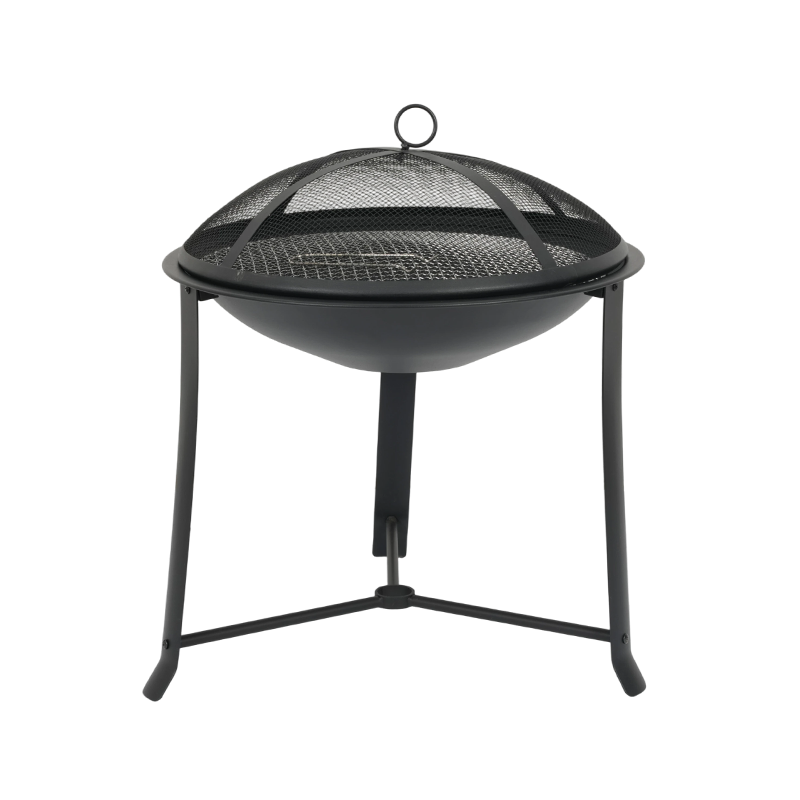
Regular attention helps maintain more consistent heat movement across the cooking surface, which supports smoother cooking behavior during repeated outdoor use.
Outdoor cooking with a Stainless Steel Fire Pit BBQ often develops into a flexible activity shaped by flame behavior, space arrangement, and material response to heat. Instead of fixed cooking conditions, movement of air and flame becomes part of how food preparation takes place.
Backyard use tends to rely on simple adjustments rather than precise control, and structural design plays a supporting role in keeping heat and cooking surface interaction steady during repeated use cycles.
Contact Us Now
Related products
-
 Garden Patio American Style Trolley Charcoal Smoker Grill Square Furnace
 -
 Tabletop Portable Double Sided Charcoal BBQ Grill Roaster
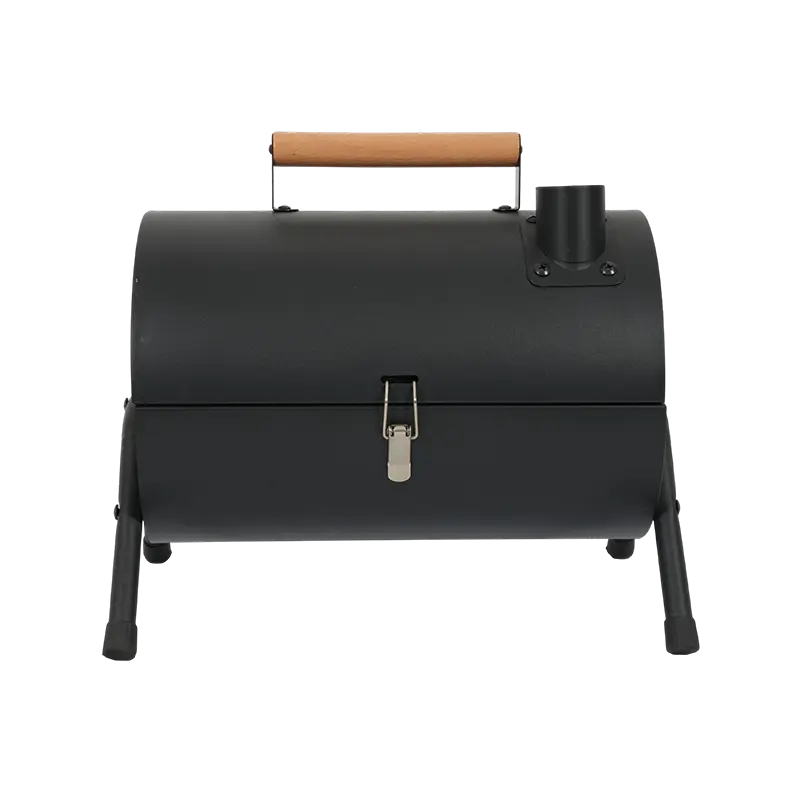
This compact and portable charcoal grill is designed for outdoor barbecue enthusiasts, easily handli...
-
 Multifunctional Campfire Tea Cooking Outdoor Portable Charcoal Grill
Scene Adaptability: Designed for outdoor enthusiasts, suitable for camping, picnics, caravan parties...
-
 Wooden Handle Portable Tabletop Charcoal Roaster Grill
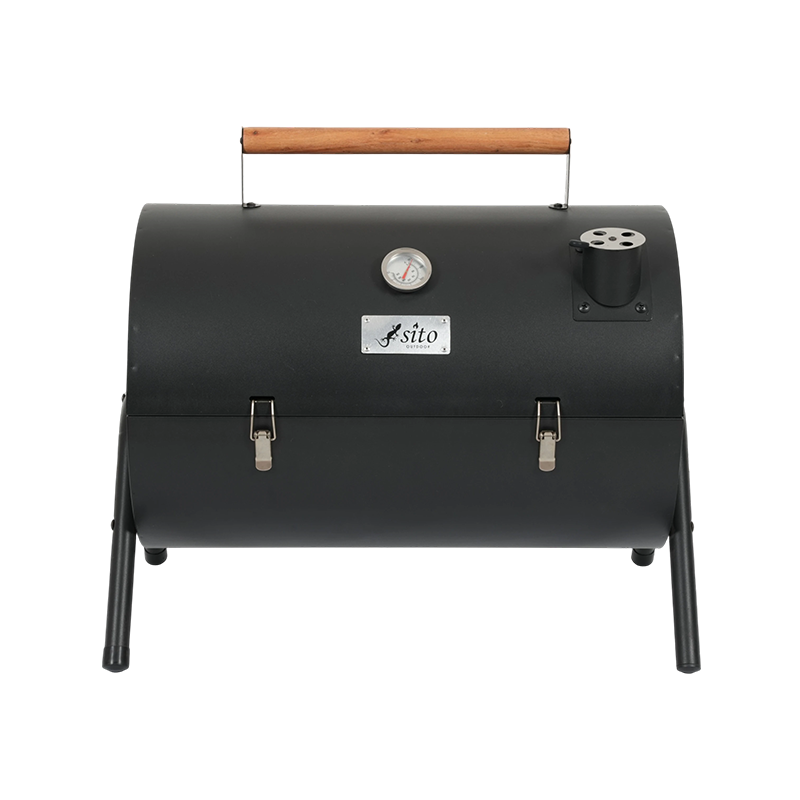
This portable grill is designed for outdoor barbecue enthusiasts and is perfect for camping trips, p...
-
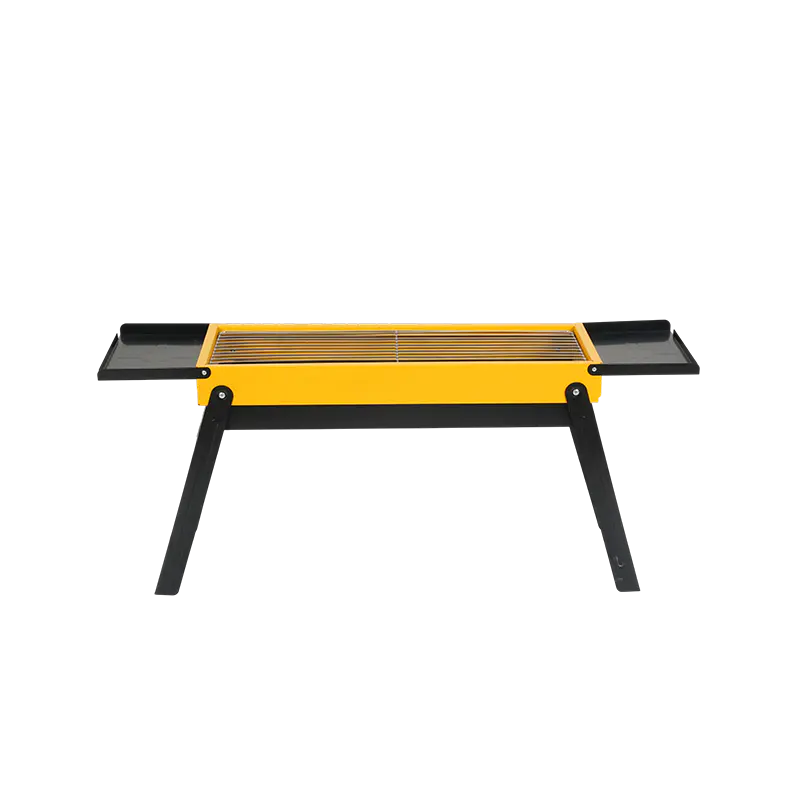 Portable Folding Outdoor Camping Charcoal Barbecue Grill
This portable, foldable outdoor camping charcoal grill is compact yet powerful, making it a great ch...
-
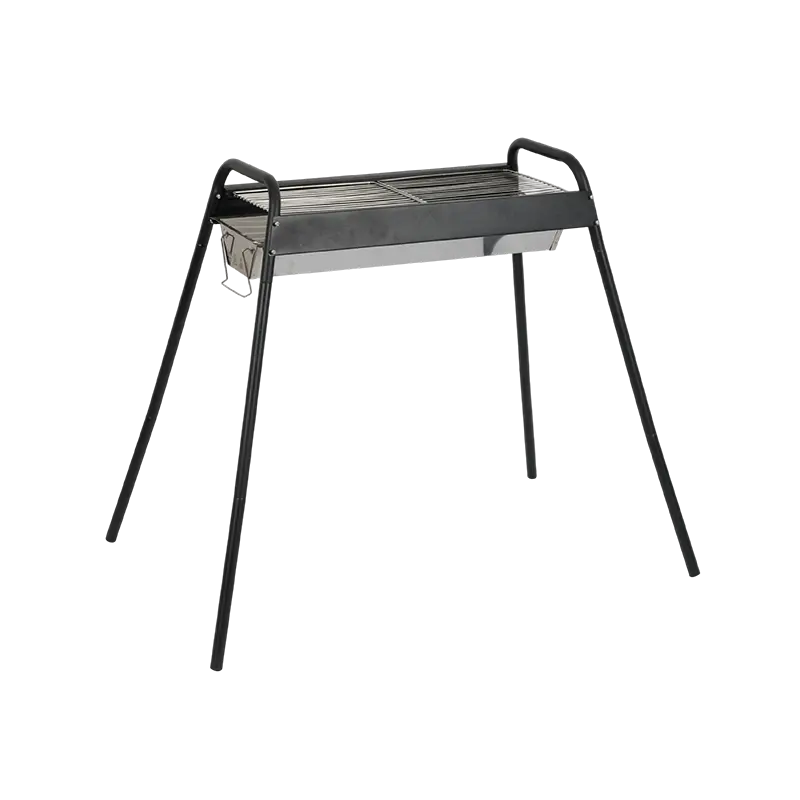 Outdoor Garden Portable Folding Charcoal Barbecue Grill
This portable, folding charcoal grill, designed specifically for outdoor BBQ enthusiasts, is perfect...

We are committed to integrity and quality, and we serve our customers with our professional oven manufacturing knowledge.
Phone: +86-13735628111
E-mail: [email protected]
Add: No.17 Ying Bin Road, Qing Xi Industry Zone, Xiang Zhu Town, Yongkang city,Zhenjiang province, China
Copyright © Yongkang Tongde Industry & Trade Co., Ltd. Rights
Reserved.

Outdoor BBQ Grill Manufacturer