
 English
  عربى
عربى  Español
This American-style trolley-mounted charcoal grill is designed for garden and patio barbecue enthusi...

Why Charcoal Roaster Grill Surface Design Matters For Heat Distribution
Author: Admin
Date: Jun 05,2026
What Happens Inside a Charcoal Roaster Grill When Heat Begins to Build?
A Charcoal Roaster Grill does not really settle into a steady temperature once the fire starts. Heat rises from the burning charcoal and fills the enclosed space in a way that feels uneven from the beginning. Hot air moves upward on its own, while cooler air drops down through any opening it can find. The motion continues without a clear pattern, more like slow circulation than a controlled flow.
At the early stage, most warmth stays close to the charcoal bed. As air begins to pass through lower and upper vents, heat starts reaching wider areas, though the speed of that spread is never equal. One side may warm earlier, another side responds later, and small differences stay visible as long as combustion continues.
Several simple conditions shape what happens inside:
- Position and shape of the charcoal bed
- Size and direction of air entry and exit paths
- Height between fire source and cooking surface
- Inner chamber form that redirects moving air
None of these acts alone. They overlap, and the result is a shifting heat field that never fully settles. Even when the fire looks stable, air inside keeps moving, and temperature keeps changing in small steps.
How Does Heat Naturally Spread Across a Charcoal Roaster Grill Surface?
Once heat reaches the cooking surface, unevenness becomes easier to notice. Energy does not land in a clean layer. It comes in from different paths at the same time. Some heat rises straight from the fire, some travels with moving air, and some passes through the metal itself. All of it meets on the same surface, though not in a uniform way.
Because of that, some areas warm up faster:
- Spots placed directly above the burning charcoal
- Narrow gaps where air slows and heat tends to gather
- Edge regions where reflected heat builds over time
Other areas stay cooler longer, usually where air moves away more easily or where structure limits direct exposure.
The surface behaves more like a shifting pattern of warm and cooler patches. Those patches do not stay fixed. They move slightly as airflow changes below and as charcoal burns unevenly over time.
Why Does Grill Surface Structure Influence Heat Consistency?
The shape of the cooking surface has a direct effect on how heat spreads and holds. Even small changes in spacing or layout can change airflow and heat behavior at the same time.
When the structure is tight, heat tends to stay in smaller pockets. Temperature differences become more noticeable because energy has fewer paths to spread out. When the structure is more open, heat moves more freely, though it also loses concentration in certain areas.
Several structural details matter in practice:
- Distance between bars or openings controlling airflow resistance
- Thickness of the surface affecting how much heat is stored
- Direction of the layout shaping movement across the surface
- Contact points where rising heat first meets solid metal
Heat consistency depends on how these parts work together during continuous burning. Uneven spacing creates stronger hot and cool contrasts. More balanced spacing softens those differences, although full uniformity does not really appear, since air keeps moving underneath all the time.
The surface also holds part of the heat for a short time before releasing it again. Some sections release faster, others hold longer, and that difference shapes how the surface feels across different points.
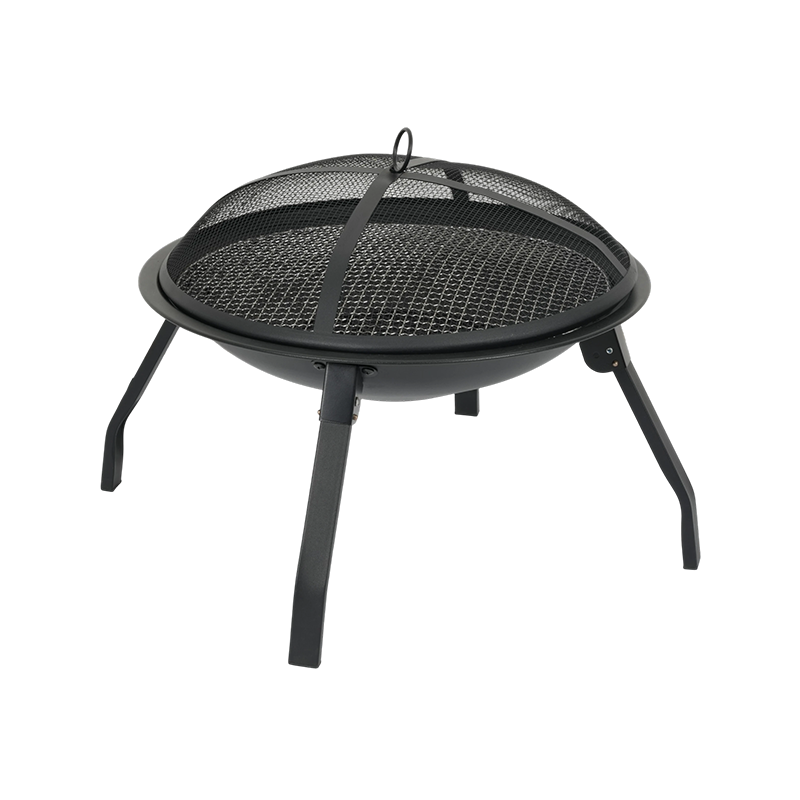
How Do Different Surface Designs Change Heat Movement Patterns?
Different surface layouts change the way heat travels across the grill in very practical ways. A flat surface lets heat move in a relatively smooth spread, though small differences still appear because airflow below never stays completely even.
When the surface is divided or raised, heat breaks into separate paths. Instead of one continuous flow, it forms bands of stronger and weaker warmth. Layered structures slow down movement between levels, so heat travels step by step rather than all at once. Mixed layouts combine several patterns, which makes heat behavior shift more often across the surface.
A simple comparison:
| Surface Shape | Heat Movement | Airflow Below |
|---|---|---|
| Flat surface | Broad spread with small variation | Steady resistance |
| Grid surface | Split channels of heat | Faster air exchange |
| Layered form | Slower step transfer | Reduced upward flow |
| Mixed form | Uneven shifting zones | Changing airflow paths |
Even when fuel stays the same, surface shape alone can change how heat appears and moves across the cooking area.
Why Does Airflow Design Matter Alongside Surface Layout?
Airflow keeps everything moving inside the grill. Air enters from lower openings, passes through burning charcoal, and exits through upper vents. That movement decides how strong combustion becomes and how heat rises toward the surface.
Stronger airflow makes burning more active, sending heat upward faster. Weaker airflow slows combustion and often leads to uneven temperature areas, where some zones stay hot longer while others cool earlier.
Surface layout and airflow influence each other directly. Tight spacing can slow air movement and trap heat under certain zones. Wider spacing allows air to pass more easily, which changes how heat spreads above the surface.
Air that moves too fast shortens heat retention. Air that moves too slowly allows heat to build unevenly. The final heat pattern across the surface comes from how these two conditions balance during operation.
How Does Material Choice Affect Heat Transfer on the Grill Surface?
Once heat reaches the cooking surface, what happens next depends a lot on the metal itself. Some materials take in heat quickly and pass it across the surface almost at the same time. Others behave differently, holding warmth inside for longer before releasing it step by step. The same fire can feel different just because the surface reacts in another way.
A few simple patterns usually appear during use:
- Speed of heat intake when fire strength changes
- How long warmth stays after the fire becomes weaker
- How heat travels from one point of contact to another
- Stability when heating and cooling repeat again and again
A fast-reacting surface follows fire changes closely, so temperature shifts show up quickly across the grill. A slower surface softens those changes, so the movement feels less sharp. Neither removes uneven heat completely, since air movement underneath keeps disturbing balance anyway.
After repeated heating, the surface itself slowly changes in small ways. Contact points wear down a bit, texture shifts slightly, and heat no longer travels exactly the same path as before, even though the structure still looks unchanged.
Why Do Heat Zones Form on a Charcoal Roaster Grill Surface?
Heat zones are not something planned. They appear once the grill runs for a while. Even with careful setup, heat does not travel evenly through air and metal. Some areas get direct energy, some receive it after delay, and some are shaped mostly by airflow passing underneath.
Three general patterns tend to show up:
- Spots directly above charcoal where heat arrives early
- Middle areas where heat spreads after bouncing and mixing
- Edge sections where airflow moves heat away faster
Surface structure can make these differences more obvious or slightly reduce them. Tight spacing keeps heat in smaller pockets, while open spacing lets heat drift and spread more freely.
These zones also do not stay still. As charcoal burns down and air paths shift, warm and cooler areas slowly move around. What feels stable at one moment can look different not long after.
How Does Cooking Load Affect Heat Distribution Patterns?
Food placed on the surface changes how heat moves in a very direct way. It is not just sitting there, it absorbs energy, blocks airflow, and changes the path heat normally takes.
When more surface is covered, a few things usually happen:
- Airflow under the grill becomes less smooth
- Heat slows down in covered areas
- Open spaces receive more concentrated heat
- Temperature difference between spots becomes easier to notice
How food is arranged also matters. Tight grouping blocks air movement and creates uneven heat under the pile. Wider spacing lets air pass more easily, although heat exposure still depends on where the fire sits below.
Surface, airflow, and load all react to each other. One change leads to another, so heat distribution keeps shifting instead of settling into a fixed pattern.
Why Is Manufacturing Precision Important for Heat Stability?
Small differences in construction can quietly change how heat behaves later. Even when the design looks simple, alignment and spacing decide how air and heat travel through the structure.
When everything is consistent, airflow moves in a smoother direction and heat spreads with fewer sudden changes. When small irregularities appear, air may shift slightly off course, and heat starts collecting in certain areas more than others.
Key points that matter in practice:
- Alignment of bars or grid sections across the surface
- Even spacing without noticeable gaps or tight spots
- Stability of joints holding the structure in place
- Connection between surface layout and internal airflow paths
An Expert Grill Manufacturer approach usually focuses on keeping these elements aligned so that airflow and heat movement remain stable during repeated use. Even small structural variation can change how heat travels across the surface, especially under continuous high temperature.
How Do Surface Design Decisions Shape Overall Thermal Behavior?
All parts of the grill end up meeting at the surface. Airflow, burning fuel, material response, and structure all come together in that thin layer where cooking actually happens.
Surface design does not create heat, it only decides how that heat spreads once it arrives. Open structures let heat pass through more easily, while tighter ones keep it in certain areas longer. Layered or split designs make heat move in more than one direction at the same time, which adds more variation across the surface.
Over time, the whole system behaves less like fixed parts working separately and more like a continuous exchange between fire, air, and metal. The surface simply shows the result of that movement, changing as conditions inside keep changing as well.
Contact Us Now
Related products
-
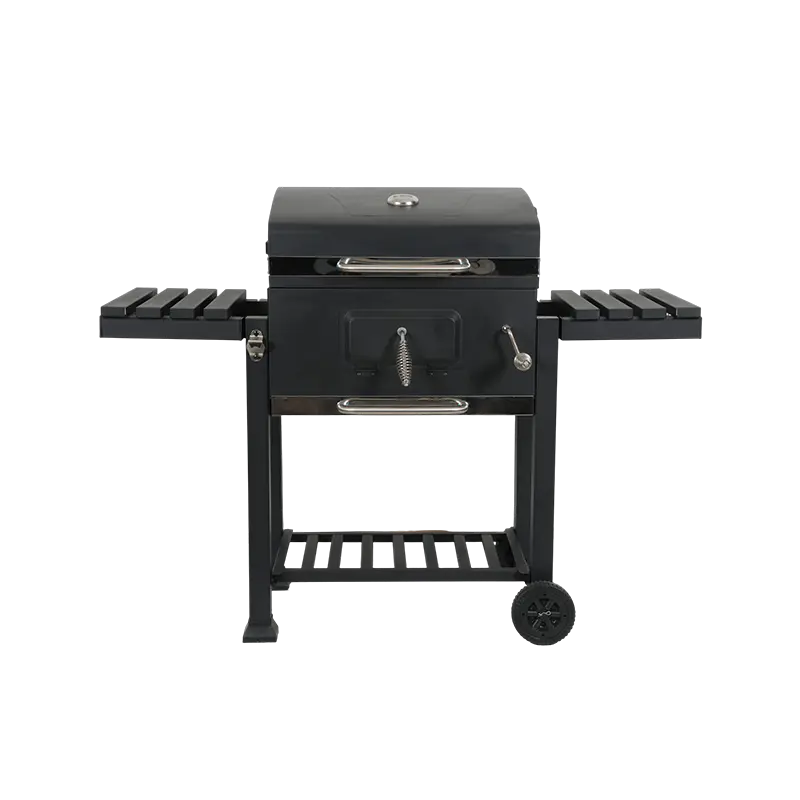 Garden Patio American Style Trolley Charcoal Smoker Grill Square Furnace
 -
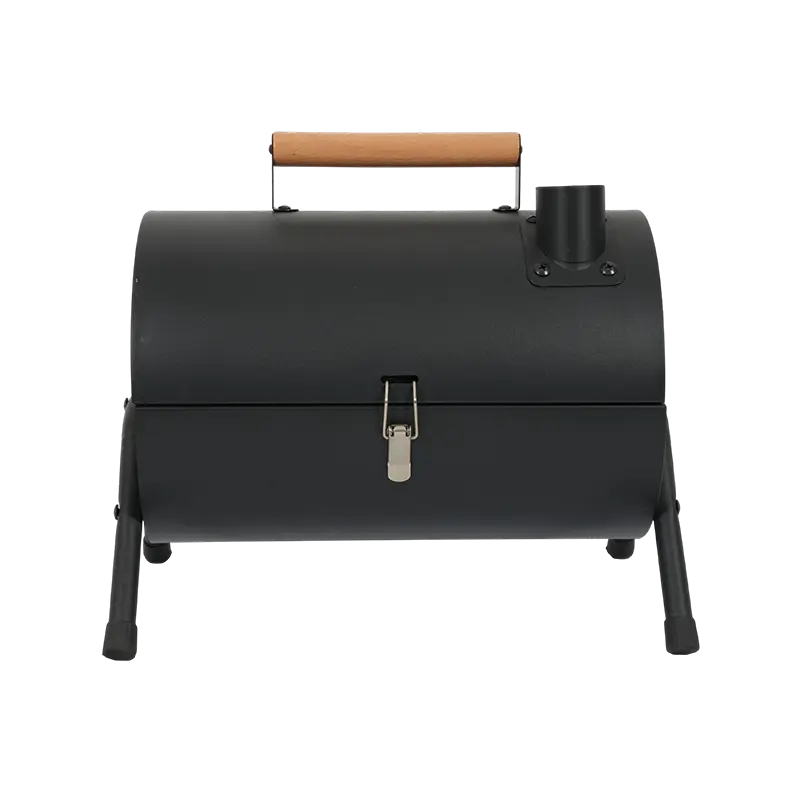 Tabletop Portable Double Sided Charcoal BBQ Grill Roaster
This compact and portable charcoal grill is designed for outdoor barbecue enthusiasts, easily handli...
-
 Multifunctional Campfire Tea Cooking Outdoor Portable Charcoal Grill
Scene Adaptability: Designed for outdoor enthusiasts, suitable for camping, picnics, caravan parties...
-
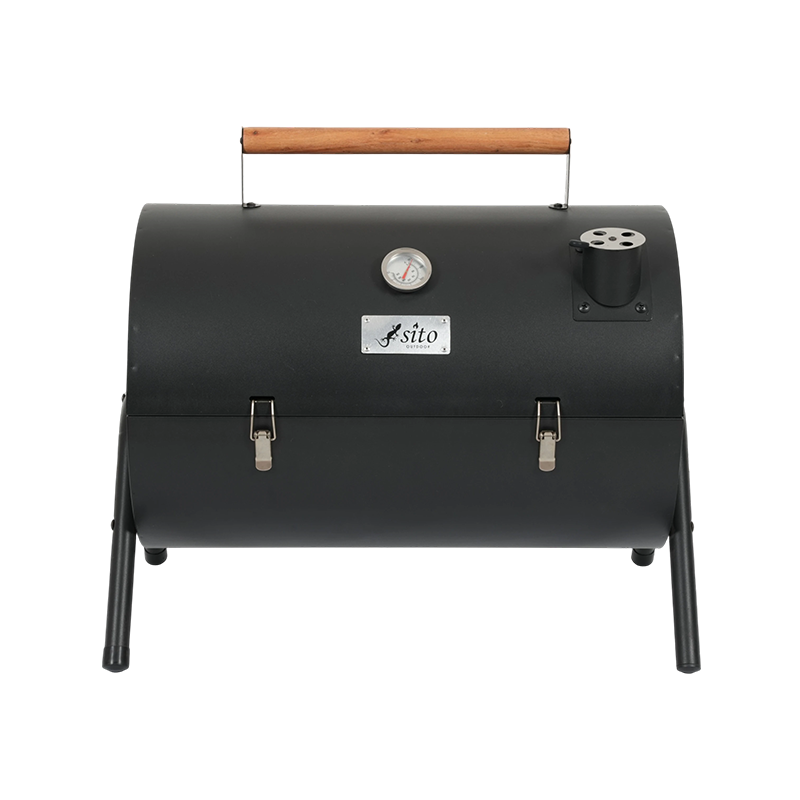 Wooden Handle Portable Tabletop Charcoal Roaster Grill
This portable grill is designed for outdoor barbecue enthusiasts and is perfect for camping trips, p...
-
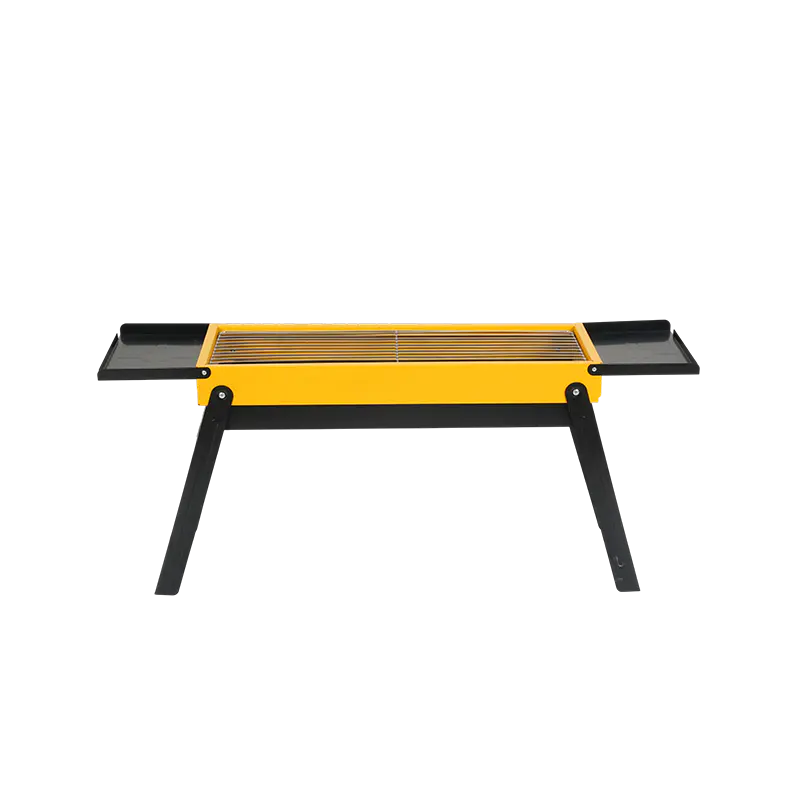 Portable Folding Outdoor Camping Charcoal Barbecue Grill
This portable, foldable outdoor camping charcoal grill is compact yet powerful, making it a great ch...
-
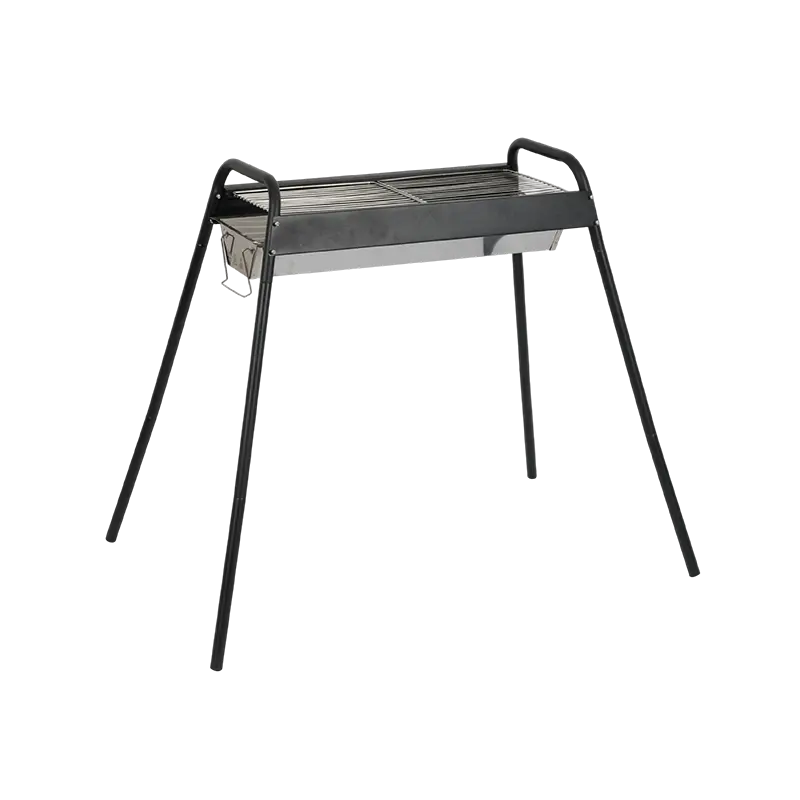 Outdoor Garden Portable Folding Charcoal Barbecue Grill
This portable, folding charcoal grill, designed specifically for outdoor BBQ enthusiasts, is perfect...

We are committed to integrity and quality, and we serve our customers with our professional oven manufacturing knowledge.
Phone: +86-13735628111
E-mail: [email protected]
Add: No.17 Ying Bin Road, Qing Xi Industry Zone, Xiang Zhu Town, Yongkang city,Zhenjiang province, China
Copyright © Yongkang Tongde Industry & Trade Co., Ltd. Rights
Reserved.

Outdoor BBQ Grill Manufacturer