
 English
  عربى
عربى  Español
This American-style trolley-mounted charcoal grill is designed for garden and patio barbecue enthusi...

How Material Choice Affects Durability Of Charcoal Roaster Grill Body
Author: Admin
Date: May 29,2026
Why Does Material Selection Matter In Charcoal Roaster Grill Production?
A charcoal grill goes through rough conditions almost every time it is used. Heat rises quickly from the fire bed, grease settles on metal surfaces, and ash stays trapped inside corners long after cooking ends. Outdoor air adds another layer of pressure, especially in damp environments.
Over time, metal begins to show small changes. A lid may stop closing evenly. The bottom tray may lose shape near the charcoal area. Some surfaces fade faster than expected after repeated heating and cooling.
Many people focus on cooking performance and forget about the grill body itself. Yet the structure around the fire determines how long the equipment keeps working in stable condition.
Material choice affects much more than appearance. It changes how the grill reacts to heat, movement, moisture, and outdoor storage.
Several areas are closely connected to durability:
- resistance to heat stress
- reaction to outdoor humidity
- stability during transport or movement
- surface wear after repeated cooking sessions
A Charcoal Roaster Grill used once in a while may not reveal structural weakness early. Regular cooking usually makes those differences easier to notice.
What Materials Are Commonly Used In Charcoal Roaster Grill Bodies?
Different materials behave in different ways around charcoal heat. Some metals warm quickly and cool just as fast. Others stay hot for longer periods and place more pressure on nearby sections.
The choice often depends on how the grill is expected to be used. Portable structures, outdoor family cooking, long roasting sessions, and repeated transport all place different demands on the body.
Carbon Steel In Grill Construction
Carbon steel appears in many grill bodies because it provides a solid structure without becoming overly heavy. Heat moves through the surface steadily, which helps maintain cooking temperature across the chamber.
Long-term outdoor exposure creates another situation. Moisture mixed with ash can slowly affect the surface, especially near welded edges or lower corners where water tends to remain longer.
Heat also changes the metal little by little. Areas close to direct charcoal contact usually show wear earlier than upper sections.
Common characteristics include:
- steady heat response during cooking
- stable frame support for the grill body
- gradual surface wear near high-temperature zones
- higher sensitivity to moisture exposure after use
Cleaning habits make a noticeable difference with carbon steel structures. Ash left inside for long periods often increases surface stress.
Stainless Steel In Outdoor Grill Bodies
Stainless steel reacts differently when exposed to outdoor conditions. Surface changes usually happen more slowly, particularly on outer sections that face humidity and rain during storage.
Many grill designs use stainless steel for lids, handles, side panels, or cooking surfaces where regular cleaning is necessary.
The material also keeps a more stable appearance after repeated wiping and smoke exposure. Finger marks, grease, and cooking residue are still visible, though the surface tends to recover more easily after cleaning.
In practical outdoor use, stainless steel often offers:
- slower visible surface aging outdoors
- easier cleanup after grilling sessions
- reduced moisture staining around exposed sections
- stable appearance during seasonal storage
Thickness still matters. Thin stainless steel reacts to heat differently from heavier structures.
Cast Iron Components In Grill Structure
Cast iron usually appears in grates or charcoal support sections rather than the full outer body. The material holds heat for a long time once it becomes hot.
That characteristic changes cooking behavior. Heat remains steady across the grate, which supports slower roasting and more even surface contact with food.
Weight becomes one of the noticeable differences. Cast iron parts feel heavier during cleaning and movement. Surface care also matters because moisture exposure may affect untreated areas over time.
Typical features include:
- strong heat retention during cooking
- slower cooling after fire reduction
- heavier structure compared with thinner metals
- regular drying needed after washing or outdoor exposure
Many outdoor users notice the difference during long cooking sessions where stable heat becomes important.
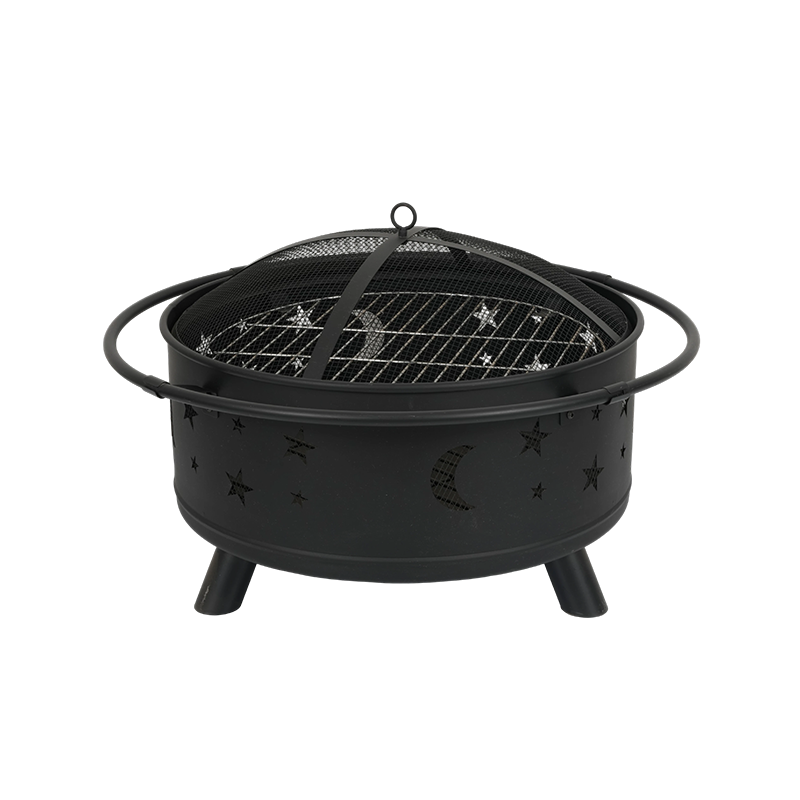
How Does Heat Exposure Affect Charcoal Roaster Grill Durability?
Every cooking session places pressure on the grill body. Heat expands the metal while the fire burns, then cooling pulls the structure back once cooking ends.
One cycle rarely creates visible damage. Repeated cycles over months or years slowly change the shape and strength of stressed areas.
The fire bowl receives the heaviest pressure because charcoal rests directly against the metal surface. Heat concentration becomes uneven depending on airflow and charcoal placement.
Some grills begin showing small changes near the lower chamber:
- slight bending around the charcoal tray
- surface discoloration near direct heat zones
- weakened corners close to welded sections
- lid alignment changes after long use periods
Long roasting sessions usually create more structural pressure than short grilling cycles because the metal stays hot for a longer time.
How Does Material Thickness Influence Grill Body Stability?
Thickness changes the way metal reacts to both heat and movement. Thin surfaces heat quickly, though they also cool faster and respond more sharply to temperature changes.
During repeated charcoal use, thinner sections may flex more easily near concentrated fire areas. Heavier metal tends to stay more stable during extended cooking periods.
At the same time, thicker structures increase overall weight. Moving the grill becomes less convenient, especially for folding or portable designs used outdoors.
The goal is usually balance rather than extreme heaviness. A grill body should remain stable without becoming difficult to handle.
| Structure Type | Heat Behavior | Weight Feeling | Long-Term Stability |
|---|---|---|---|
| Thin Metal Structure | Fast temperature reaction | Easy to move | More sensitive near fire zones |
| Medium Thickness Structure | Balanced heating response | Moderate weight | Stable for regular outdoor use |
| Heavy Metal Structure | Slower temperature change | Heavier movement | Reduced warping during repeated heating |
What Role Does Surface Coating Play In Charcoal Roaster Grill Protection?
Outdoor cooking exposes metal surfaces to moisture, smoke residue, grease, and ash. Surface coating helps slow direct contact between the environment and the metal itself.
Without protection, exposed sections usually change faster after repeated outdoor use.
Powder Coating In Exterior Protection
Powder coating is commonly used on outer grill sections rather than areas directly exposed to flame. The coating forms a protective barrier over the metal surface.
Rain, humidity, and outdoor storage conditions slowly affect unprotected metal. Coated surfaces generally handle those conditions more steadily.
In practical use, powder coating helps with:
- moisture protection on exterior sections
- easier removal of dirt and smoke residue
- slower visible wear during outdoor storage
- reduced surface fading after repeated exposure
Heat near direct charcoal zones still places pressure on coated surfaces over time.
Heat Resistant Finishes Around Cooking Areas
Cooking zones need different surface treatment because temperatures remain much higher near charcoal contact areas.
Heat-resistant finishes help reduce oxidation caused by repeated heating and cooling. Smoke residue and grease still collect around the cooking chamber, though protected surfaces generally handle long-term exposure more steadily.
How Does Outdoor Environment Affect Grill Body Materials?
Outdoor conditions continue affecting the grill even when cooking is finished.
Rainwater often settles near lower corners or wheel sections. Wind pushes ash into vents and hidden spaces beneath trays. Day and night temperature shifts slowly influence exposed surfaces over long periods.
Storage habits also matter. A covered grill in a dry area ages differently from one left exposed throughout changing weather conditions.
Environmental pressure usually appears through:
- moisture buildup around lower sections
- ash trapped near vent openings
- fading or dullness on exposed surfaces
- corrosion around areas where water remains longer
Durability depends not only on the fire inside the grill, but also on the environment surrounding it between cooking sessions.
What Structural Areas Of Charcoal Roaster Grill Face The Highest Stress?
People often notice rust or fading on the outside first, though the real pressure usually starts deeper inside the grill. Heat stays concentrated around a few specific sections every time charcoal burns, and those areas carry most of the long-term strain.
The lower chamber takes direct fire exposure again and again. Charcoal rests against the metal surface for hours during slow roasting. Once the grill cools down, the metal contracts. The same cycle repeats through every cooking season.
After enough use, some changes begin to appear quietly. The tray may no longer sit completely flat. Corners near the fire bowl sometimes lose shape slightly. Hinges may start feeling tighter or less aligned than before.
Welded sections also deserve attention. Heat does not spread evenly around connection points, especially near folds and corners. Pressure gathers there little by little.
Areas that usually age faster include:
- inner charcoal chamber
- tray edges close to direct fire
- hinge connections around the lid
- wheel brackets and folding supports
Many outdoor grills continue working even after those signs appear. Still, small structural changes tend to spread gradually once the metal begins weakening.
How Does Expert Grill Manufacturer Design Influence Durability?
Two grills may look similar from a distance while behaving very differently after repeated use. Structure changes a lot.
An Expert Grill Manufacturer usually thinks about where pressure builds inside the grill instead of only shaping the exterior. Some sections receive extra reinforcement because they stay close to intense heat during every cooking cycle.
The lower body often needs stronger support than upper panels. Handles and side sections may stay lighter to avoid adding unnecessary weight.
Good design is not always obvious immediately. Sometimes it appears later, after the grill survives repeated heating without major bending or loose connections.
Several details often influence long-term stability:
- reinforced areas near charcoal contact zones
- balanced frame support beneath the chamber
- stronger corner connections around movable parts
- airflow layout reducing concentrated heat pockets
Poor structure usually reveals itself slowly. A loose leg, uneven lid, or shifting tray often starts as a small imbalance inside the frame.
How Does Airflow Design Affect Material Performance?
Airflow controls more than fire intensity. It changes how heat moves through the entire grill body.
When oxygen enters unevenly, charcoal burns harder in some sections than others. One corner becomes extremely hot while nearby metal stays cooler. Repeated imbalance creates stress inside the structure over time.
People often focus on cooking results and ignore how strongly airflow affects the metal itself.
A grill with more balanced ventilation tends to distribute heat more evenly across the chamber. The body experiences less concentrated expansion in isolated areas.
Vent position also matters. Lower vents influence how aggressively charcoal burns, while upper openings affect how heat escapes from the chamber.
Over time, uneven airflow may contribute to:
- warped tray corners
- overheated side walls
- excessive stress near vent openings
- lid distortion after repeated high heat exposure
Heat becomes harder on metal when it repeatedly gathers in the same place.
What Maintenance Habits Help Extend Charcoal Roaster Grill Lifespan?
A surprising amount of grill damage happens after cooking ends.
Ash remains inside the chamber overnight. Moisture settles onto residue. Grease hardens near corners and vents. None of it looks serious at first.
The lower chamber often suffers the most because damp ash stays trapped against the metal surface. Corrosion usually begins there long before the outer frame changes appearance.
Regular cleaning does not need to become complicated. Simple habits matter more than deep maintenance once every long while.
Useful habits include:
- emptying ash after the grill cools
- drying the chamber after rain exposure
- wiping grease buildup from lid edges
- storing the grill away from constant moisture
People sometimes clean only the cooking grate and forget the lower structure underneath. Hidden buildup around trays and support corners often creates the heavier long-term wear.
How Do Different Cooking Styles Affect Grill Body Wear?
Not every cooking session places the same pressure on the grill.
Slow roasting keeps heat trapped inside the chamber for a long time. Metal stays expanded much longer during those sessions, especially around the lower fire bowl.
Fast grilling creates another type of stress. Temperature rises quickly and pushes intense heat into a smaller area. Short cooking time does not always mean lower pressure.
Opening the lid repeatedly also changes internal conditions. Heat escapes suddenly, then rises again after the lid closes. Repeated temperature swings affect metal differently from steady cooking.
Cooking habits often shape wear patterns:
- long roasting creates extended heat stress
- intense direct grilling concentrates heat quickly
- repeated lid movement changes expansion rhythm
- heavy smoke cooking increases residue buildup
The grill body slowly reflects the way it has been used over time.
How Does Mobility Influence Charcoal Roaster Grill Durability?
Portable grills deal with another challenge besides fire. Movement.
Dragging the grill across rough ground places pressure on wheels, joints, and lower supports. Folding structures experience repeated tension every time they open or close.
At first, the movement feels minor. Later, screws loosen slightly. Hinges stop feeling as stable as before. One wheel may begin carrying more weight than the others.
Portable designs often balance convenience against structural pressure. Lighter frames move easily, though thinner sections usually react more quickly to repeated transport.
Common movement-related wear includes:
- loose wheel connections
- shifting support legs
- weakened folding hinges
- frame instability on uneven surfaces
A stationary grill and a travel-friendly grill usually age differently, even under similar cooking conditions.
What Factors Influence Long-Term Stability Of Charcoal Roaster Grill?
Long-term durability rarely depends on one single factor. Small conditions combine slowly over years of use.
Moisture trapped beneath the charcoal tray may weaken metal quietly. Repeated high heat may stress welded corners. Outdoor storage exposes the surface to changing temperatures long after cooking ends.
Sometimes a grill still looks acceptable outside while inner sections have already started deteriorating.
The body usually lasts longer when several conditions stay balanced together:
- regular removal of ash and residue
- reduced water exposure during storage
- stable heat distribution during cooking
- structural support around high-stress sections
Most grill damage begins gradually rather than suddenly.
How Does Expert Grill Manufacturer Improve Material Adaptability?
Different grill sections need different strengths. The lower chamber handles fire. Exterior panels face weather. Handles deal with movement and repeated touching.
Because of that, an Expert Grill Manufacturer may approach the structure in layers instead of treating the whole grill body the same way.
High-heat zones often receive thicker support or different surface treatment. Outer areas may focus more on moisture resistance and easier cleaning.
Adaptation usually works through practical adjustments:
- reinforced fire chamber structure
- protective coating on exposed surfaces
- balanced thickness across the frame
- stronger support around heat concentration zones
Material works more effectively when the structure matches the actual pressure each section faces.
How Does Material Choice Shape User Experience In Charcoal Roaster Grill Use?
People usually notice material differences slowly.
One grill may hold heat steadily during long cooking sessions. Another cools down much faster once the lid opens. Some surfaces clean easily after smoke exposure, while others collect dark residue around corners.
Weight changes daily use too. Heavy structures feel more stable during cooking, though movement becomes harder. Lighter grills travel more easily across outdoor spaces.
Even small details connect back to material behavior:
- how warm the handles become
- how stable the lid feels after heating
- how quickly residue sticks to surfaces
- how the frame reacts during movement
Durability is not only about avoiding visible damage. It also affects how the grill feels every time someone cooks outdoors.
Contact Us Now
Related products
-
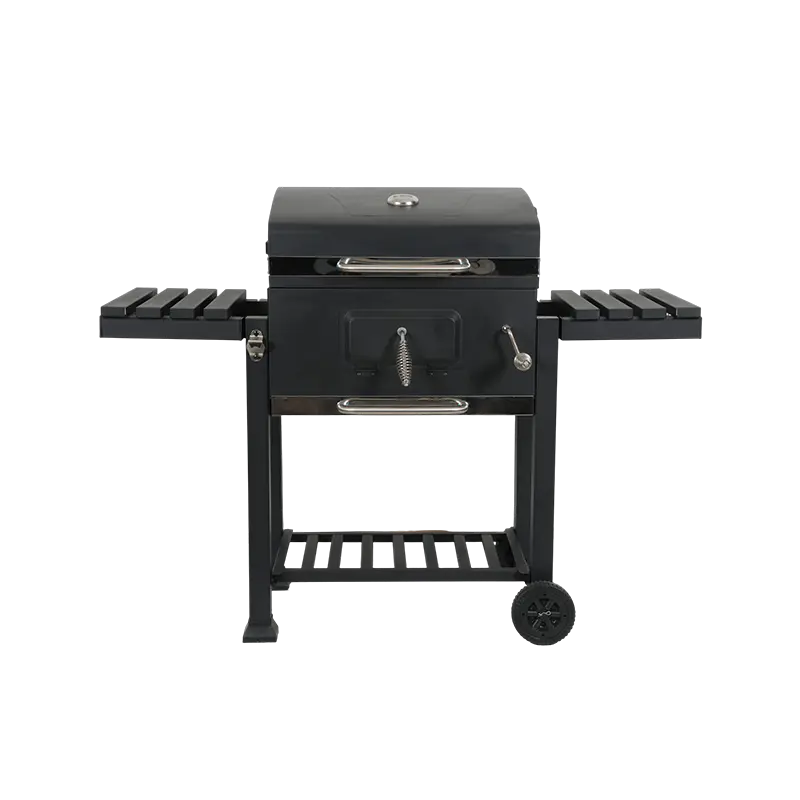 Garden Patio American Style Trolley Charcoal Smoker Grill Square Furnace
 -
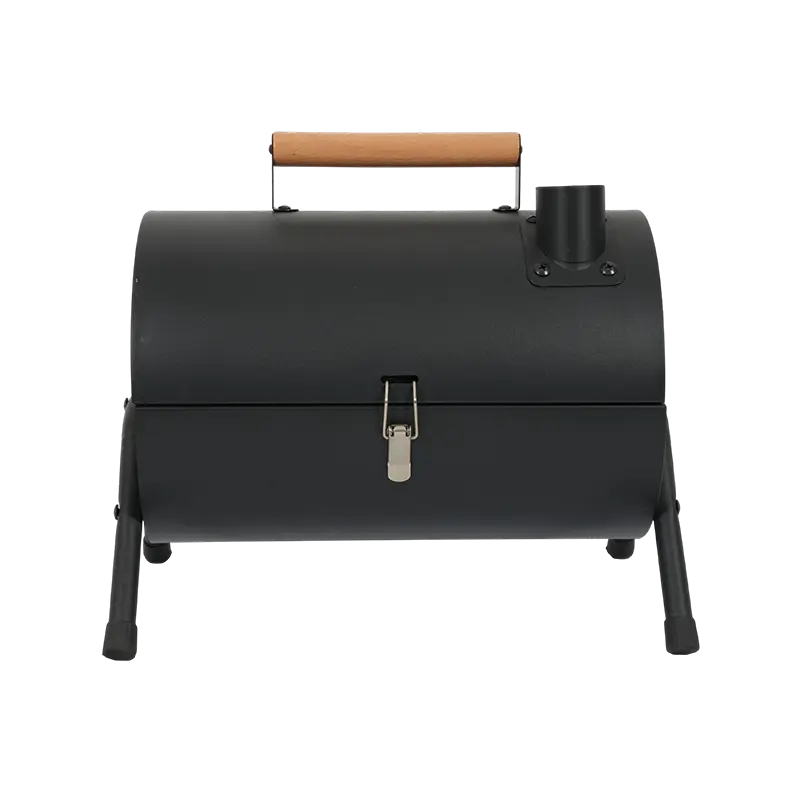 Tabletop Portable Double Sided Charcoal BBQ Grill Roaster
This compact and portable charcoal grill is designed for outdoor barbecue enthusiasts, easily handli...
-
 Multifunctional Campfire Tea Cooking Outdoor Portable Charcoal Grill
Scene Adaptability: Designed for outdoor enthusiasts, suitable for camping, picnics, caravan parties...
-
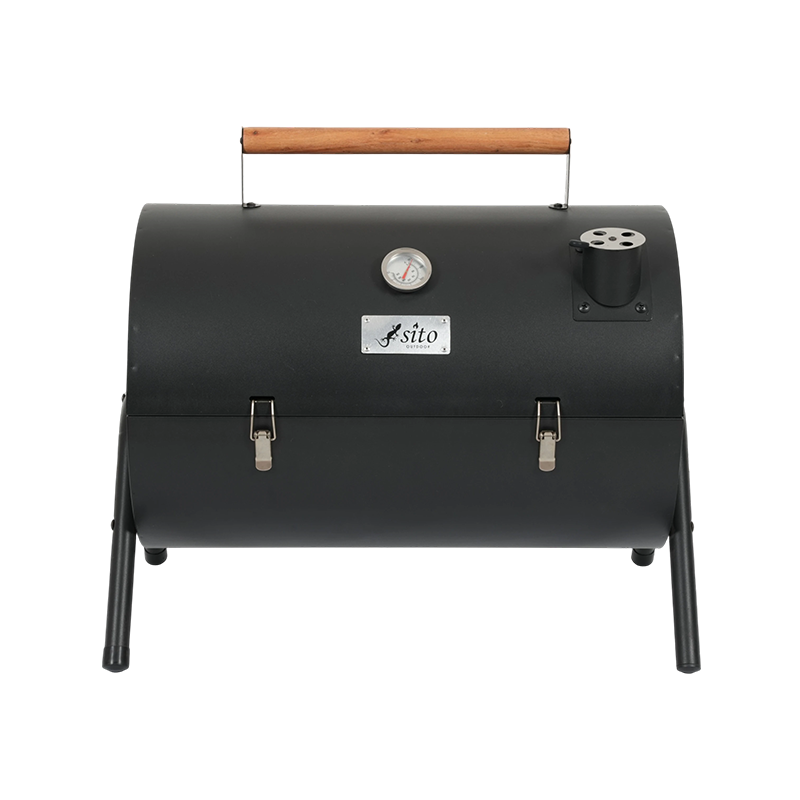 Wooden Handle Portable Tabletop Charcoal Roaster Grill
This portable grill is designed for outdoor barbecue enthusiasts and is perfect for camping trips, p...
-
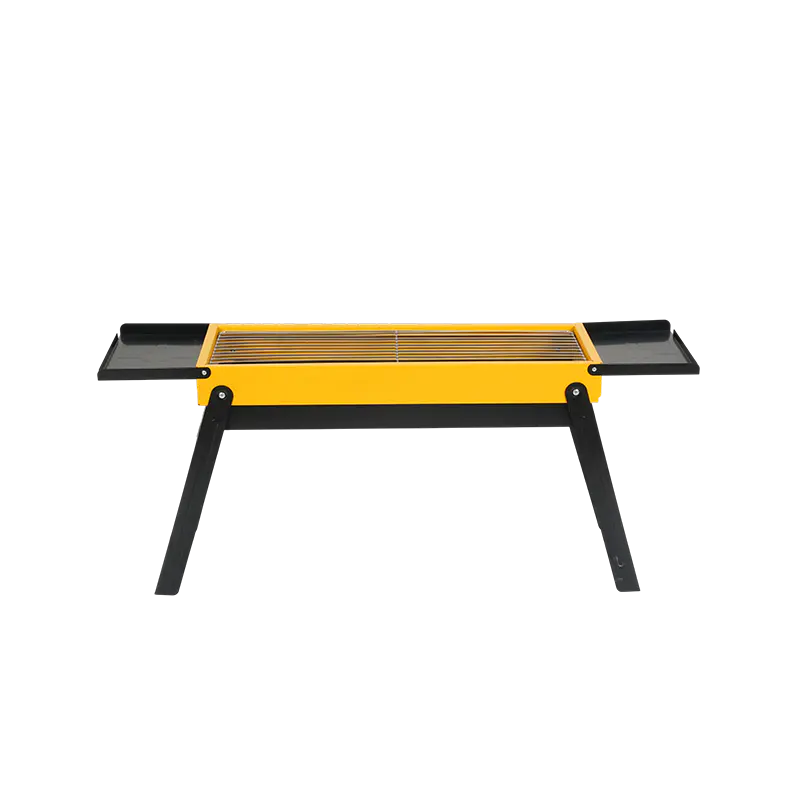 Portable Folding Outdoor Camping Charcoal Barbecue Grill
This portable, foldable outdoor camping charcoal grill is compact yet powerful, making it a great ch...
-
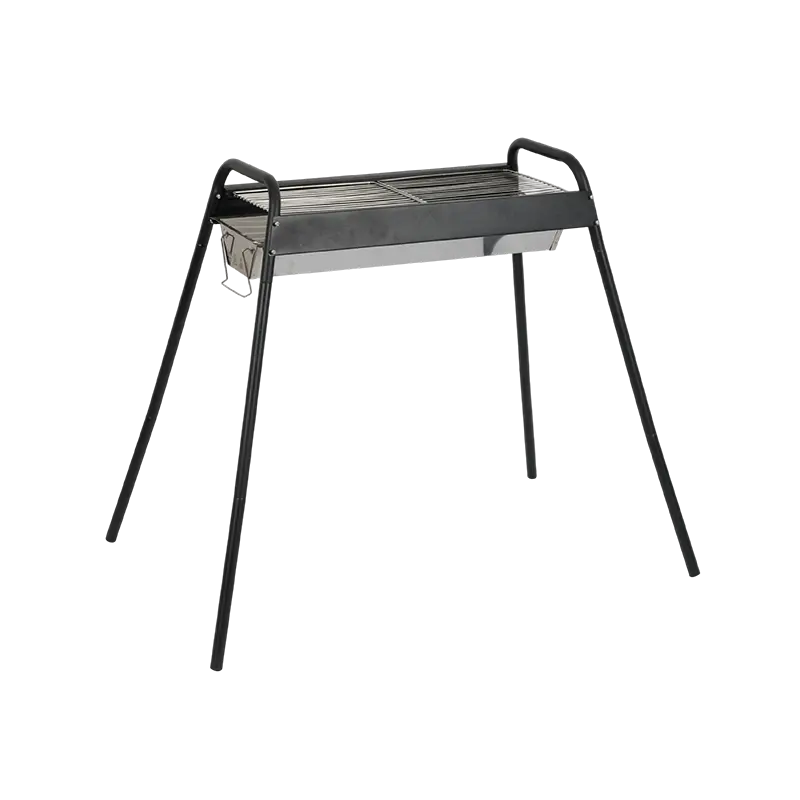 Outdoor Garden Portable Folding Charcoal Barbecue Grill
This portable, folding charcoal grill, designed specifically for outdoor BBQ enthusiasts, is perfect...

We are committed to integrity and quality, and we serve our customers with our professional oven manufacturing knowledge.
Phone: +86-13735628111
E-mail: [email protected]
Add: No.17 Ying Bin Road, Qing Xi Industry Zone, Xiang Zhu Town, Yongkang city,Zhenjiang province, China
Copyright © Yongkang Tongde Industry & Trade Co., Ltd. Rights
Reserved.

Outdoor BBQ Grill Manufacturer