
 English
  عربى
عربى  Español
This American-style trolley-mounted charcoal grill is designed for garden and patio barbecue enthusi...

Why Does Charcoal Roaster Grill Adapt To Different Cooking Styles
Author: Admin
Date: May 22,2026
Outdoor cooking rarely follows a fixed pattern. Wind direction changes, coal burns at different speeds, and heat spreads unevenly across the grill surface. A Charcoal Roaster Grill works well in such conditions because cooking style can shift through simple adjustments in coal placement and airflow. Instead of relying on fixed temperature control, heat behavior becomes something that can be shaped in real time.
In many outdoor situations, the same grill may handle fast searing at one moment and slow roasting later. That shift does not come from changing equipment, only from rearranging fire and managing oxygen flow. Cooking style becomes a response to heat movement rather than a preset method.
Why Heat Control Defines Cooking Style Flexibility in a Charcoal Roaster Grill
Heat inside a charcoal setup does not stay even. Some areas become hotter depending on how coal is arranged and how air moves through the chamber. This unevenness is not a limitation, it becomes the reason different cooking styles can exist in the same grill.
When coal is placed directly under food, heat moves upward in a strong and direct way. When coal is pushed aside, heat begins to circulate instead of striking one point. When airflow is reduced, burning slows down and heat becomes softer but more stable.
Outdoor cooking therefore depends on several simple adjustments:
- coal position changes heat intensity
- airflow controls burning speed
- grill cover shapes heat movement
- food distance affects exposure level
Cooking style is formed through these variables rather than a single setting.
How High Heat Searing Works in a Charcoal Roaster Grill
High heat searing relies on direct contact between food and strong radiant heat. Coal is usually placed in a dense layer under the cooking surface so heat rises quickly and touches food with strong intensity.
At this stage, moisture on the food surface evaporates rapidly. A thin outer layer begins to form and gradually turns into a firmer texture. The inner part remains protected for a short period due to quick surface sealing.
Several real cooking behaviors appear during this process:
- coal positioned directly under grill surface
- strong upward heat movement
- fast moisture release from food surface
- early crust formation on outer layer
| Coal Arrangement | Heat Character | Cooking Effect |
|---|---|---|
| Even spread | Balanced strong heat | Uniform surface browning |
| Concentrated center | Intense direct heat | Deep crust formation |
| Thin layer | Moderate heat flow | Slower surface reaction |
High heat cooking responds quickly, so timing and placement matter more than duration.
How Two-Zone Cooking Is Created in a Charcoal Roaster Grill
Two-zone cooking appears when coal is moved to one side of the grill instead of spreading across the full base. One side becomes a strong heat area while the other side becomes a gentler heat zone.
Food placed over the coal side receives direct heat and browning effect. Food placed on the empty side cooks more slowly through circulating heat inside the covered grill space. This balance allows different stages of cooking to happen within the same session.
Key characteristics of this method include:
- uneven coal distribution across grill base
- strong heat on one side, mild heat on the other
- covered structure helps heat circulate
- food can move between zones during cooking
This arrangement makes it easier to handle thicker cuts that need both surface browning and internal cooking without burning the outside.
How Low and Slow Smoking Works in a Charcoal Roaster Grill
Low and slow cooking changes the role of fire. Instead of strong burning, coal is arranged in a way that supports steady heat over a longer period. Airflow is controlled so oxygen reaches the fire in a limited and steady way.
Heat in this style remains gentle but consistent. Smoke becomes part of the cooking environment, slowly interacting with the food surface and gradually changing flavor depth.
In practical outdoor use, several patterns appear:
- controlled coal burning pattern
- reduced airflow inside grill chamber
- steady internal heat circulation
- gradual smoke movement around food
Cooking takes longer, yet the texture becomes more layered. Heat does not shock the surface, instead it moves slowly through the food structure.
How Rotisserie Style Cooking Operates in a Charcoal Roaster Grill
Rotisserie cooking introduces motion into heat exposure. Instead of keeping food in one position, it rotates continuously over or near the heat source. This movement changes how heat interacts with the surface.
As food turns, different sides receive heat exposure in sequence. Fat and moisture move across the surface during rotation, which supports even texture development.
In real cooking conditions:
- food rotates continuously above heat source
- surface receives even heat exposure over time
- natural juices redistribute during movement
- outer layer develops consistent texture
Rotation replaces static cooking with continuous movement, which reduces uneven heating.
How Direct Coal or Ash Cooking Style Works in Outdoor Use
Some outdoor cooking methods place food directly near or onto hot coal or ash. Heat becomes highly direct and reacts quickly with the food surface.
In this style, food changes texture within a short time due to strong contact with heat. The surface becomes firm while inner layers respond based on exposure duration.
Typical characteristics include:
- direct contact between food and coal or ash
- rapid surface reaction to heat
- strong smoky influence during cooking
- rustic texture development
This method relies heavily on heat intensity and placement distance.
How Airflow and Coal Arrangement Shape Cooking Results
Airflow inside a charcoal grill influences how fire behaves. When oxygen flow increases, coal burns more actively and heat becomes stronger. When airflow decreases, combustion slows and heat becomes more controlled.
Coal arrangement works together with airflow. Dense coal placement creates stronger heat zones while spread placement produces softer heat distribution.
In real outdoor cooking conditions:
- increased airflow raises heat intensity
- restricted airflow slows burning speed
- dense coal builds strong heat zones
- spread coal creates smoother heat patterns
Small changes in airflow or coal position can shift cooking style without changing equipment.
Why One Charcoal Roaster Grill Supports Multiple Cooking Styles
A Charcoal Roaster Grill supports different cooking styles because heat behavior can be adjusted through simple physical changes. Coal placement, airflow control, and food positioning together shape how heat interacts with ingredients.
Without changing tools, the same grill can support:
- fast surface searing
- balanced two-zone cooking
- slow smoking conditions
- rotating heat exposure
- direct coal or ash cooking
Cooking style becomes a result of control rather than equipment limitation.
Outdoor fire does not behave in a fixed rhythm. Even after coal is arranged carefully, air still moves through gaps, heat shifts across metal surfaces, and cooking conditions keep changing in small ways. A Charcoal Roaster Grill works within that kind of instability. Instead of forcing one cooking pattern, it allows cooking style to emerge from how fire is adjusted during use.
How Outdoor Conditions Influence Cooking Style Behavior
Wind is usually the quiet factor that changes everything. It does not always feel strong, yet inside a grill chamber it can redirect heat flow or speed up burning without warning. Temperature in the surrounding space also plays a role, especially when cooking lasts longer than expected.
What often happens in real outdoor use:
- air movement shifts heat direction inside chamber
- cooler surroundings slow down coal reaction
- warmer air makes burning feel more active
- open space reduces heat retention under cover
Cooking style ends up reacting to environment rather than staying fixed. A setup that starts as steady roasting may slowly lean toward faster heat behavior depending on outside conditions.
Why Coal Arrangement Adjustments Matter During Cooking
Coal is not static during real cooking. Even small movement changes how heat behaves. Instead of thinking in large adjustments, outdoor cooking often depends on subtle repositioning that happens while food is already on the grill.
Different coal patterns produce different responses:
- tight coal clusters create sharp heat focus
- wider spread reduces intensity and softens cooking pace
- uneven layout creates mixed heat zones
- shifting coal mid-process changes heat direction
There is no need for dramatic changes. A slight push of coal to one side can turn a direct heat setup into something closer to indirect cooking.
How Heat Stability Develops Over Time in a Charcoal Roaster Grill
At the start, fire feels irregular. Some spots heat faster, others lag behind. As burning continues, coal gradually settles into a more consistent state. Heat starts circulating more evenly inside the grill body.
In practical use, this progression is easy to notice:
- early stage: uneven heat pockets appear
- mid stage: airflow and coal reach balance
- later stage: heat movement becomes smoother
- stable phase: cooking response feels predictable
This shift is not controlled by a single action. It develops naturally as fire and airflow adjust to each other.
How Food Positioning Changes Cooking Style Without Changing Fire
Food placement quietly shapes the entire result. Moving an item only a small distance inside the grill can change how it reacts to heat. Instead of adjusting fire constantly, positioning becomes another way to guide cooking style.
Real use often looks like this:
- closer placement increases surface reaction speed
- edge placement reduces direct heat exposure
- rotating position changes which side receives stronger heat
- moving between zones blends cooking styles
Even when coal stays unchanged, food movement alone can shift texture and moisture balance.
Why Moisture Control Becomes Part of Cooking Style
Moisture inside food reacts continuously with heat. It does not stay fixed, and it does not behave the same under different heat strength. That interaction slowly shapes final texture.
In outdoor charcoal cooking:
- stronger heat drives moisture outward quickly
- softer heat keeps inner moisture longer
- smoke interacts with surface moisture over time
- repeated exposure changes softness and firmness balance
Moisture is not just a result. It becomes part of how cooking style develops.
How Repeated Heat Adjustment Shapes Cooking Results
Cooking outdoors rarely stays untouched. Small corrections happen throughout the process, sometimes without even thinking about it. Coal may be nudged, lid may shift slightly, food may be rotated to avoid uneven heat.
Over time, these small actions create layered effects:
- early adjustments shape surface reaction
- mid adjustments balance internal cooking
- later adjustments refine texture
- repeated movement smooths uneven heat zones
Cooking becomes a chain of minor corrections instead of one fixed decision.
| Adjustment in Practice | Heat Response | Cooking Change |
|---|---|---|
| Coal pushed together | Heat becomes sharper | Faster browning |
| Coal spread loosely | Heat softens | Slower cooking pace |
| Air opening reduced | Fire slows down | Longer heat cycle |
| Food moved inward | Stronger exposure | Crisper surface |
| Lid slightly closed | Heat circulates | Roasting behavior appears |
Why One Grill Structure Supports Many Cooking Patterns
The same grill body can support very different cooking outcomes because nothing inside is fully fixed. Heat is not locked in one direction, airflow is not constant, and food position is always adjustable.
What makes this possible:
- coal can be rearranged during cooking
- airflow changes heat intensity naturally
- food position shifts exposure level
- enclosed space redirects heat movement
Because of that, a single setup can shift between fast searing, slower roasting, indirect cooking, or smoke-influenced preparation without changing equipment.
How Cooking Style Becomes a Response to Fire Behavior
Outdoors, cooking style is rarely selected like a preset option. It forms through observation and adjustment. Fire shows one behavior at the start, then slowly changes as coal burns and air moves.
What usually happens during a full cooking session:
- strong heat phase gradually settles
- balanced heat period appears in mid stage
- slower smoke-influenced stage develops later
- transitions happen through small adjustments
Cooking style becomes something that grows from fire behavior rather than something imposed on it.
A Charcoal Roaster Grill supports different cooking styles because it reacts to simple physical changes. Coal placement, airflow, and food movement work together, shaping heat in real time.
Outdoor conditions add another layer, making every cooking session slightly different. Within that variation, the grill remains flexible, allowing searing, roasting, smoking, and indirect cooking to appear naturally depending on how fire is managed during use.
Contact Us Now
Related products
-
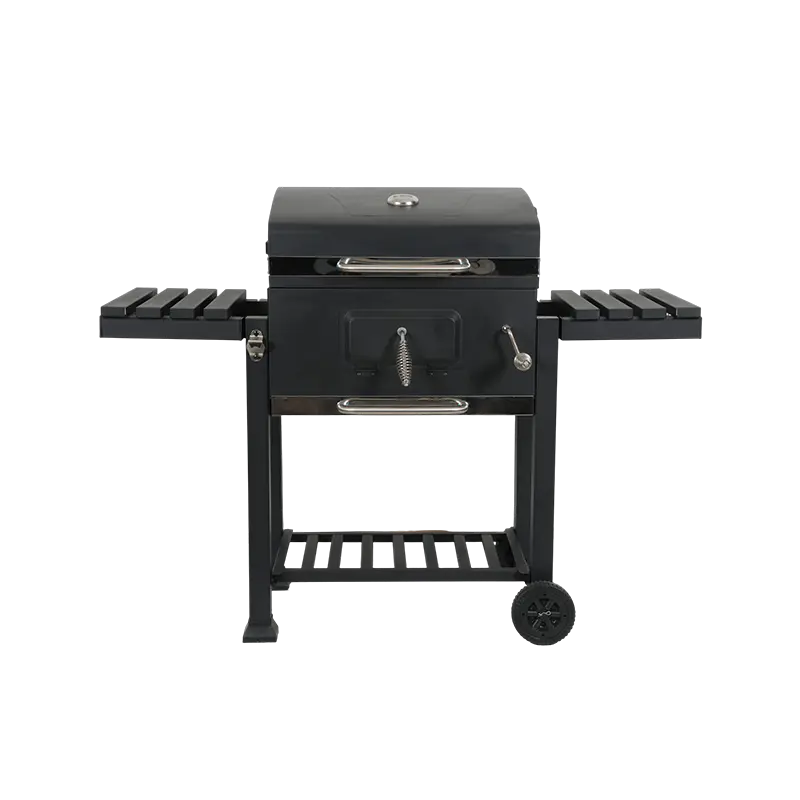 Garden Patio American Style Trolley Charcoal Smoker Grill Square Furnace
 -
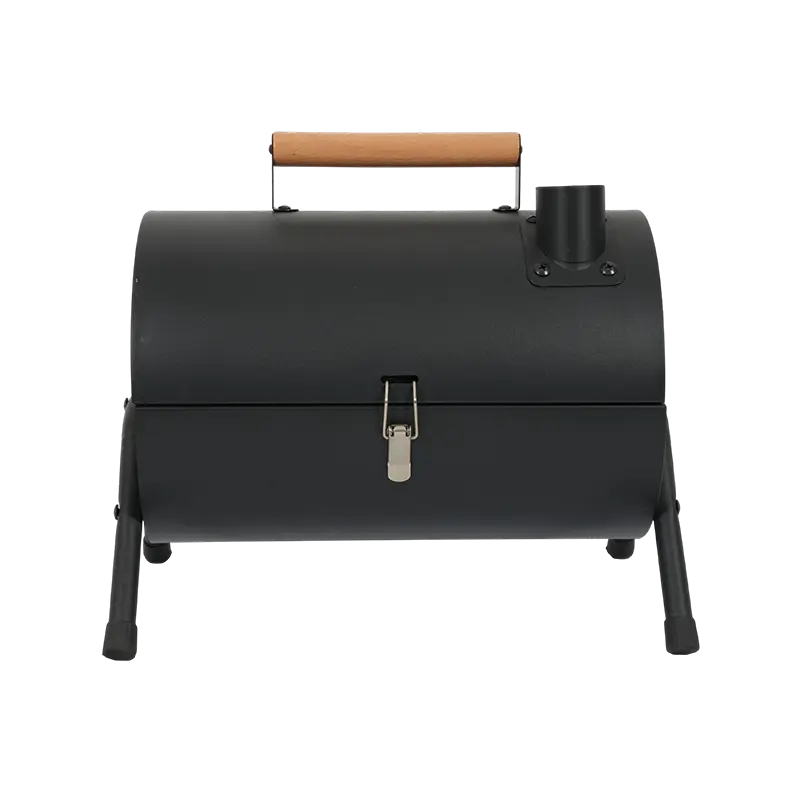 Tabletop Portable Double Sided Charcoal BBQ Grill Roaster
This compact and portable charcoal grill is designed for outdoor barbecue enthusiasts, easily handli...
-
 Multifunctional Campfire Tea Cooking Outdoor Portable Charcoal Grill
Scene Adaptability: Designed for outdoor enthusiasts, suitable for camping, picnics, caravan parties...
-
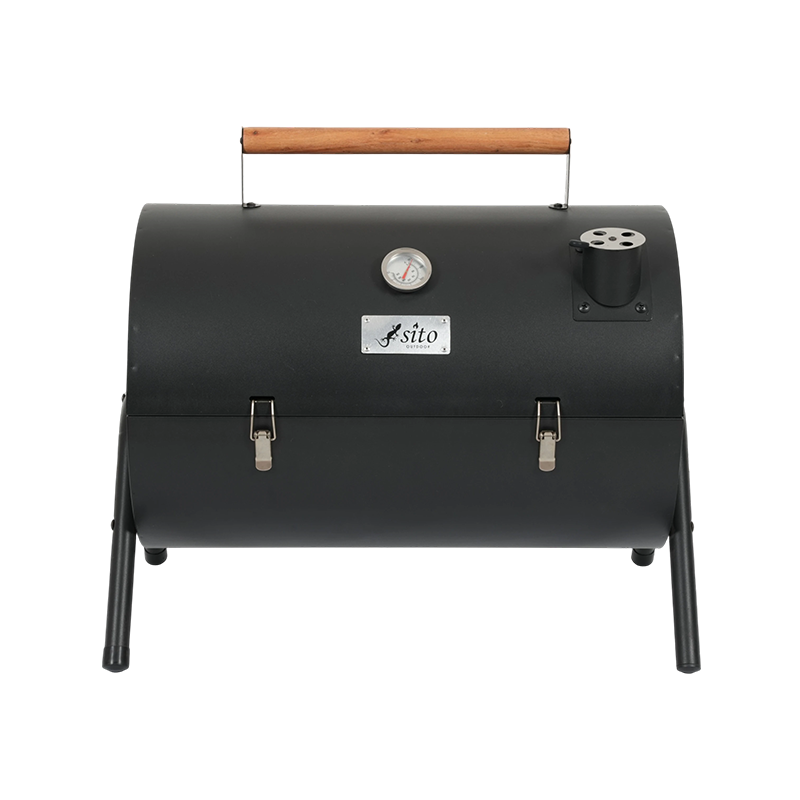 Wooden Handle Portable Tabletop Charcoal Roaster Grill
This portable grill is designed for outdoor barbecue enthusiasts and is perfect for camping trips, p...
-
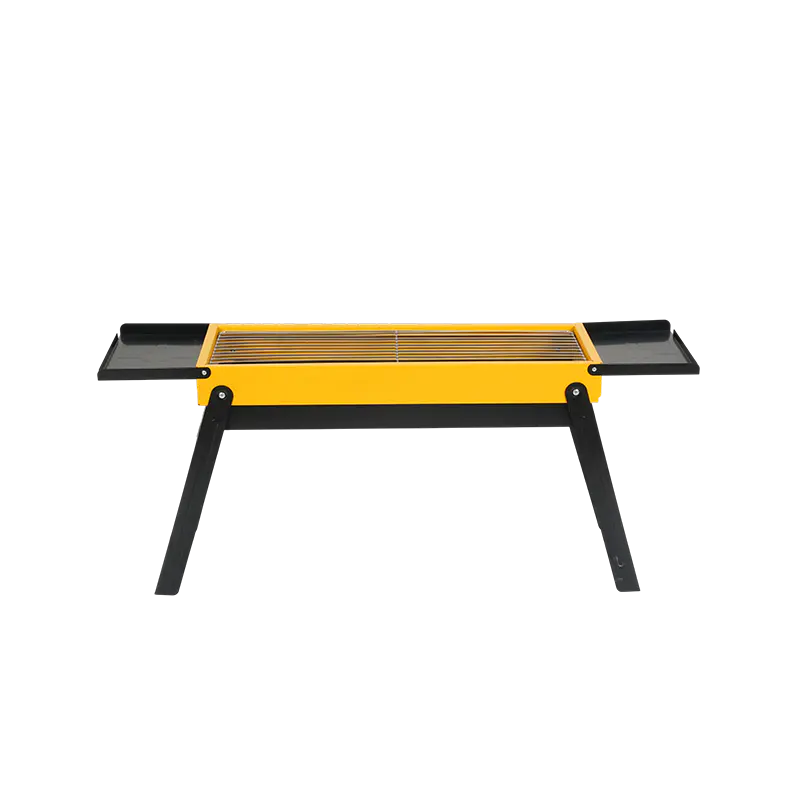 Portable Folding Outdoor Camping Charcoal Barbecue Grill
This portable, foldable outdoor camping charcoal grill is compact yet powerful, making it a great ch...
-
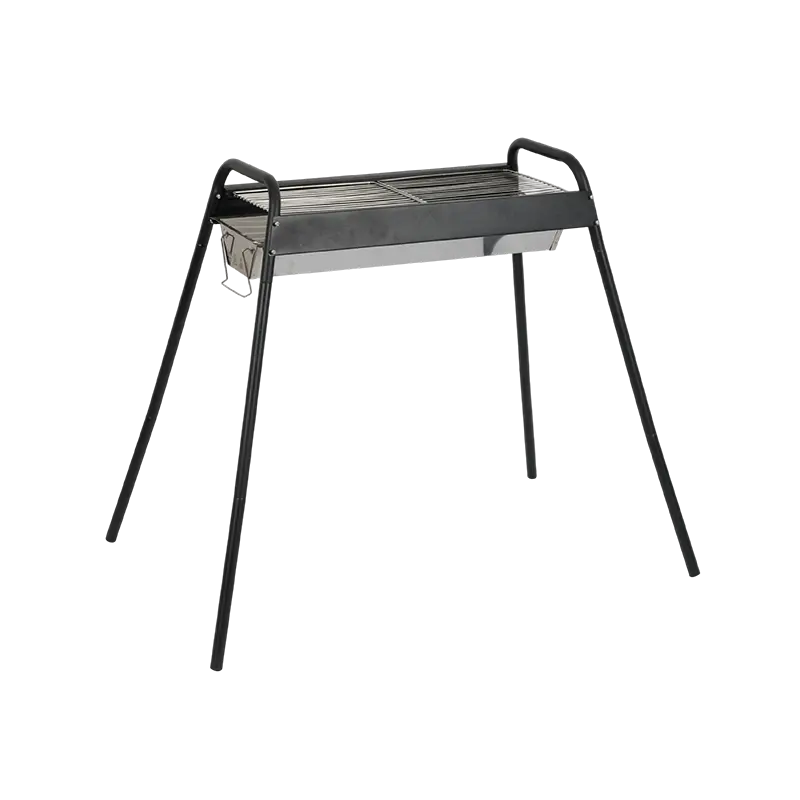 Outdoor Garden Portable Folding Charcoal Barbecue Grill
This portable, folding charcoal grill, designed specifically for outdoor BBQ enthusiasts, is perfect...

We are committed to integrity and quality, and we serve our customers with our professional oven manufacturing knowledge.
Phone: +86-13735628111
E-mail: [email protected]
Add: No.17 Ying Bin Road, Qing Xi Industry Zone, Xiang Zhu Town, Yongkang city,Zhenjiang province, China
Copyright © Yongkang Tongde Industry & Trade Co., Ltd. Rights
Reserved.

Outdoor BBQ Grill Manufacturer