
 English
  عربى
عربى  Español
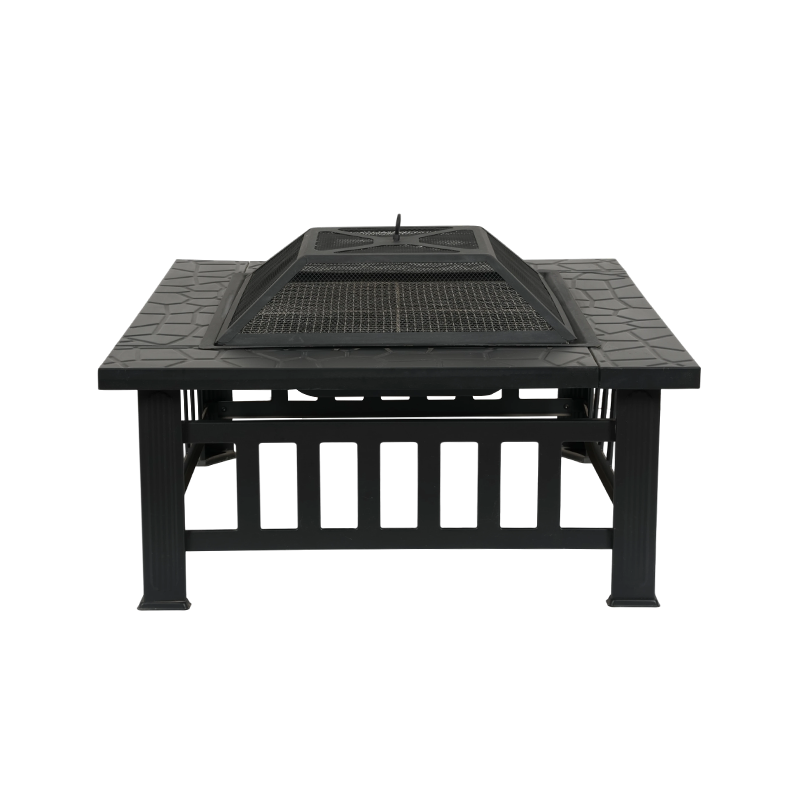
This American-style trolley-mounted charcoal grill is designed for garden and patio barbecue enthusi...

What Influences Heat Behavior In Charcoal Roaster Grill Design
Author: Admin
Date: May 15,2026
In outdoor cooking setups, a Charcoal Roaster Grill is usually a fairly direct piece of equipment. It does not rely on complex controls. The way it works depends mostly on how charcoal burns, how air moves through the structure, and how the body of the grill holds and guides heat.
In manufacturing-related discussions, names such as Yongkang Tongde Industry & Trade Co., Ltd. may occasionally appear in the background when people talk about how this kind of equipment is built and how its structure is planned. It is more about design context than operation itself.
What often matters most is not the appearance of the grill, but how it behaves once heat and airflow start working inside it.
Role Of Charcoal Roaster Grill In Outdoor Cooking Systems
A Charcoal Roaster Grill is mainly used in environments where cooking happens in open air. The heat source comes directly from burning charcoal, and everything depends on how that heat is managed naturally inside the structure.
In simple terms, the process usually looks like this:
- Charcoal is ignited and begins to burn
- Heat rises and spreads through the internal space
- Food is placed above or near the heat zone
- Air movement keeps the burning process going
There is no complicated adjustment system involved. Because of that, the structure itself plays a big part in how stable the cooking experience feels.
Structural Factors That Influence Heat Behavior In Charcoal Roaster Grill Design
Heat inside a Charcoal Roaster Grill is not controlled by a switch. It is shaped by physical structure. Small differences in design can change how heat moves and where it concentrates.
Several parts of the structure are usually involved:
- The inner chamber shape, which guides how heat rises
- The distance between charcoal and cooking surface, which affects intensity
- The placement of openings, which controls how air enters and leaves
- The thickness of the body material, which influences how long heat stays inside
When these elements are balanced, heat tends to feel more even. When they are not, some areas may feel warmer than others.
Heat Transfer Patterns Inside Charcoal Roaster Grill
Once charcoal starts burning, heat does not stay in one place. It moves in a steady pattern inside the grill.
A simple way to picture it:
- Heat starts at the bottom where the charcoal is
- Warm air moves upward through the chamber
- Part of the heat spreads sideways across the space
- The cooking surface receives a mix of direct and indirect heat
The exact pattern depends on how open or enclosed the structure is. A tighter space tends to hold heat longer in one area, while a more open structure allows heat to spread out more easily.
Airflow Control Mechanism In Charcoal Roaster Grill Structure
Airflow is one of the quiet factors that keeps the system running. It does not cook food directly, but it supports the burning process that creates heat.
Air usually moves in a cycle:
- Fresh air enters through lower openings
- Oxygen feeds the burning charcoal
- Warm air rises naturally
- Used air exits through upper gaps
This movement keeps combustion active. If airflow is reduced too much, burning slows down. If airflow is too open, heat can feel less steady. The structure needs a balance between these two states.
Interaction Between Airflow And Heat Behavior In Charcoal Roaster Grill
Inside the grill, air and heat are always reacting to each other. One affects how the other behaves.
In practical use, this can look like:
- More airflow often makes heat feel stronger and more active
- Less airflow usually makes heat softer and slower
- Uneven airflow can shift heat toward one side
This is not a fixed relationship. It changes depending on fuel placement, grill shape, and surrounding environment. That is why similar grills can still behave slightly differently during cooking.
Cooking Style Adaptation In Charcoal Roaster Grill Use
A Charcoal Roaster Grill does not lock cooking into a single method. Instead, users often adjust how they place food based on how heat is behaving at that moment.
Some common ways of using it include:
- Placing food closer to the center for stronger heat exposure
- Moving food outward when gentler heat is needed
- Shifting positions during cooking to balance uneven heat
- Using different areas of the surface depending on food type
Because heat is naturally uneven at times, flexibility in placement becomes part of the cooking process itself.
Outdoor Environment Influence On Charcoal Roaster Grill Performance
Once a Charcoal Roaster Grill is moved outdoors, the surroundings start to take part in how it behaves. It is not something dramatic, but more like small, constant interference that changes heat without being noticed immediately.
Things like air movement, open space, and shifting temperature all play a quiet role. Wind can push the flame slightly off center. Open air can pull heat away faster than expected. Even shade and sunlight can make the surface feel different from one moment to another.
None of these stop the grill from working. They just make the heat feel less fixed, more like something that keeps adjusting on its own.
Material Behavior Under Continuous Heat Exposure
With repeated use, the body of a Charcoal Roaster Grill slowly changes in ways that are easy to ignore at first. It is not damage in a sudden sense, more like a long adjustment process.
After many heating cycles, a few things can be noticed:
- The surface does not feel exactly the same as when it was new
- Some parts respond to heat a little faster than others
- Expansion during heating and shrinking during cooling becomes more familiar in pattern
- Heat does not stay inside as long as it did in earlier use
These changes build up quietly. They are part of normal use, not something that happens all at once.
Heat Distribution Balance Across Charcoal Roaster Grill Surface
Heat inside the grill does not spread in a clean or even circle. It moves depending on where the fire is strongest and how air flows through the structure.
In actual use, the pattern usually feels like this:
- The center area carries stronger and more direct heat
- The middle zones stay usable but less intense
- The outer edges often feel softer and slower
- Certain spots heat quicker because air passes through unevenly
Instead of forcing everything to behave the same, users usually adjust food position during cooking. That becomes part of the process.
| Area Position | Heat Character | What It Feels Like In Use |
|---|---|---|
| Center | Stronger heat | Fast reaction, quick browning |
| Middle | Medium heat | Steady cooking pace |
| Edge | Lower heat | Gentle, slower cooking |
This unevenness is normal for charcoal-based systems. It is not a defect, just how heat behaves in open combustion.
User Operation Influence On Heat Stability
Even if two people use the same Charcoal Roaster Grill, the cooking result can still feel different. A lot of it comes down to small choices made during use.
Some common actions that change heat behavior:
- Moving charcoal closer together or spreading it out
- Opening air paths more when heat feels weak
- Covering parts of the grill when heat becomes too strong
- Shifting food around instead of leaving it in one place
- Adding fuel at different moments depending on need
These are not formal steps. They are small reactions based on what is happening at that moment. Over time, users tend to rely more on feel than on fixed rules.
Cleaning And Maintenance Impact On Heat Efficiency
After repeated cooking, ash and residue naturally stay inside the grill. At first, it may not seem important, but it slowly affects how air moves.
When cleaning is done regularly, a few things usually improve:
- Air moves more freely through the structure
- Heat spreads with less interruption
- Burning feels more consistent
- Fewer areas become blocked or uneven
When cleaning is delayed, airflow can become uneven without being obvious right away. Heat still appears, but it may not behave as smoothly across the surface.
Over a long period of use, a Charcoal Roaster Grill slowly develops its own “working pattern.” It is not about visible change, but about how it responds to repeated heat exposure.
Some long-term behaviors include:
- Slight differences in heat holding compared to earlier use
- Areas that warm up faster than others becoming more noticeable
- Airflow feeling less uniform if residue builds up inside
- Surface wear that changes how heat spreads across the body
These are gradual shifts, not sudden ones. They come from repeated heating, cooling, and cleaning cycles over time.
A Charcoal Roaster Grill does not behave in a fixed or mechanical way. Its performance is shaped by surroundings, airflow, material response, and simple human operation. All of these keep interacting during use.
Because of that, heat never behaves exactly the same twice. It adjusts quietly, depending on what is happening around it at that moment.
Contact Us Now
Related products
-
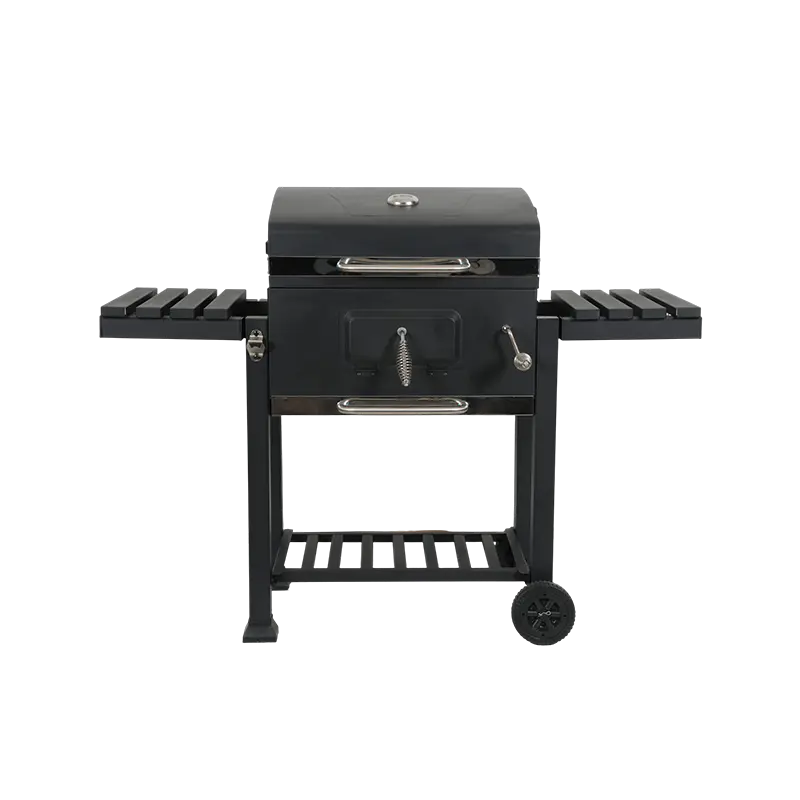 Garden Patio American Style Trolley Charcoal Smoker Grill Square Furnace
 -
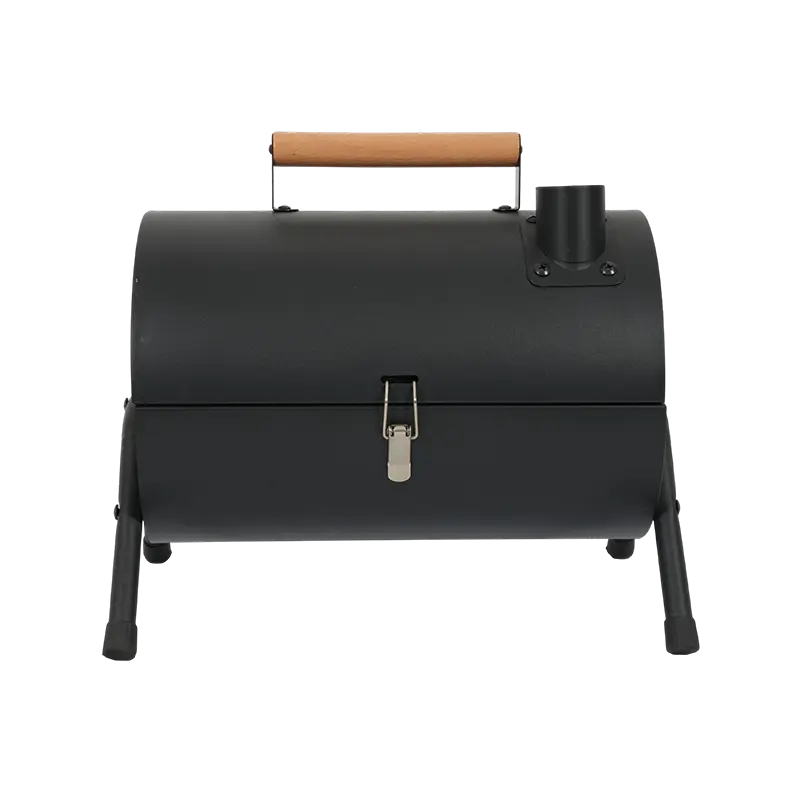 Tabletop Portable Double Sided Charcoal BBQ Grill Roaster
This compact and portable charcoal grill is designed for outdoor barbecue enthusiasts, easily handli...
-
 Multifunctional Campfire Tea Cooking Outdoor Portable Charcoal Grill
Scene Adaptability: Designed for outdoor enthusiasts, suitable for camping, picnics, caravan parties...
-
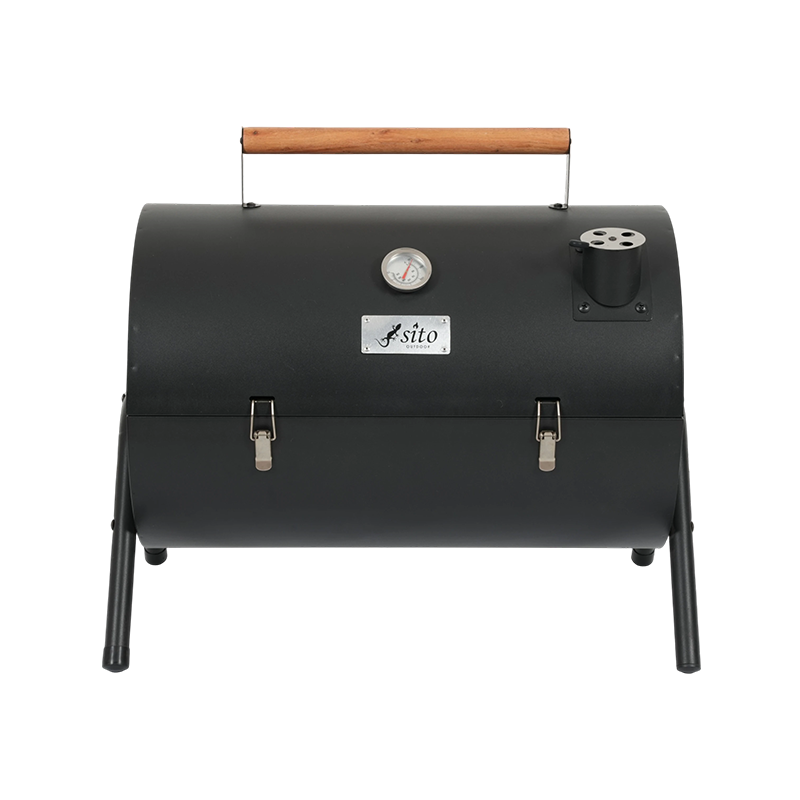 Wooden Handle Portable Tabletop Charcoal Roaster Grill
This portable grill is designed for outdoor barbecue enthusiasts and is perfect for camping trips, p...
-
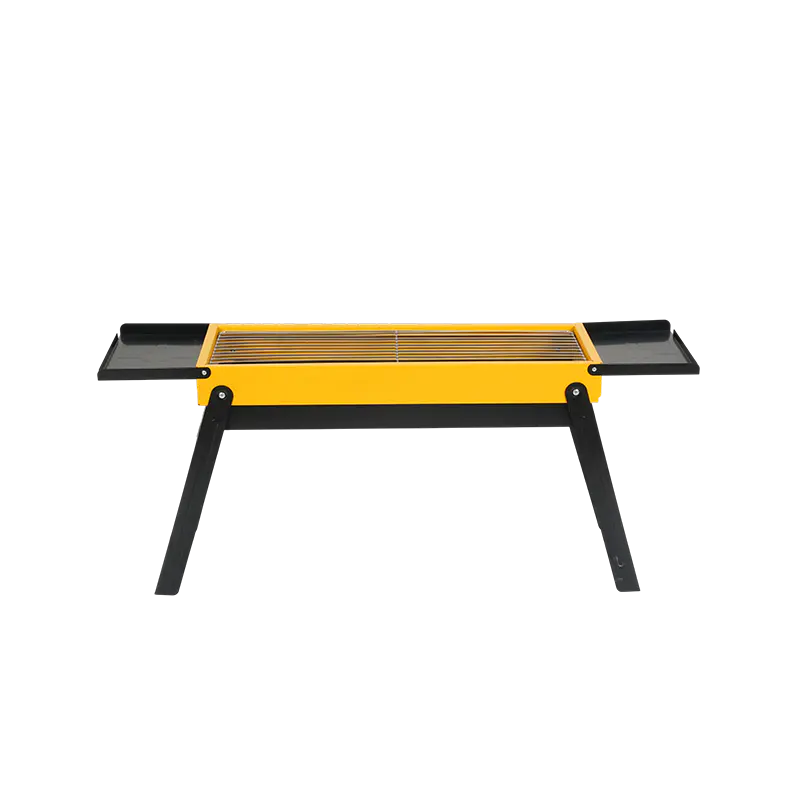 Portable Folding Outdoor Camping Charcoal Barbecue Grill
This portable, foldable outdoor camping charcoal grill is compact yet powerful, making it a great ch...
-
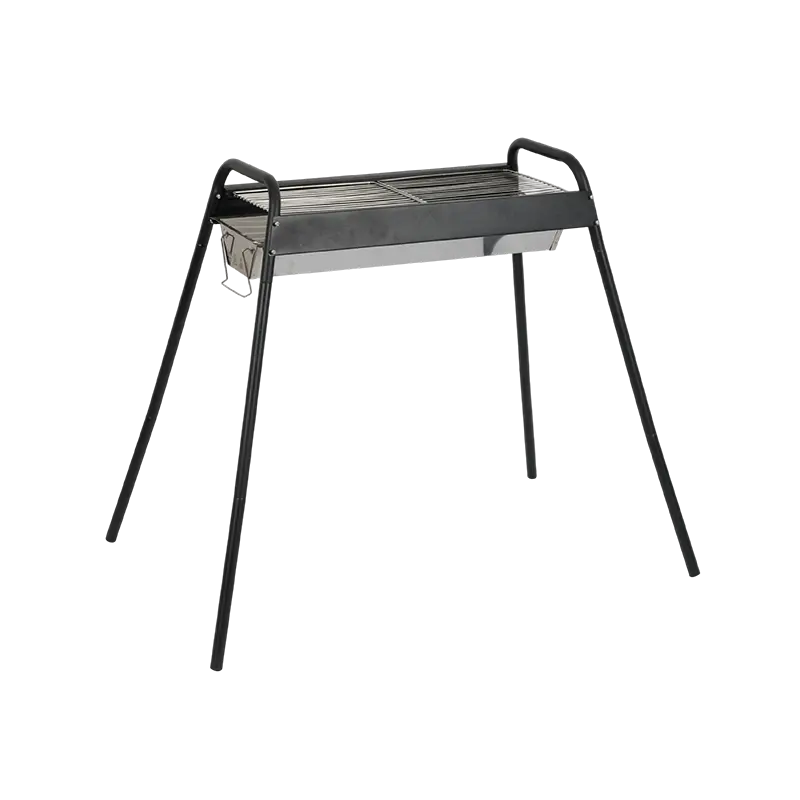 Outdoor Garden Portable Folding Charcoal Barbecue Grill
This portable, folding charcoal grill, designed specifically for outdoor BBQ enthusiasts, is perfect...

We are committed to integrity and quality, and we serve our customers with our professional oven manufacturing knowledge.
Phone: +86-13735628111
E-mail: [email protected]
Add: No.17 Ying Bin Road, Qing Xi Industry Zone, Xiang Zhu Town, Yongkang city,Zhenjiang province, China
Copyright © Yongkang Tongde Industry & Trade Co., Ltd. Rights
Reserved.

Outdoor BBQ Grill Manufacturer