
 English
  عربى
عربى  Español
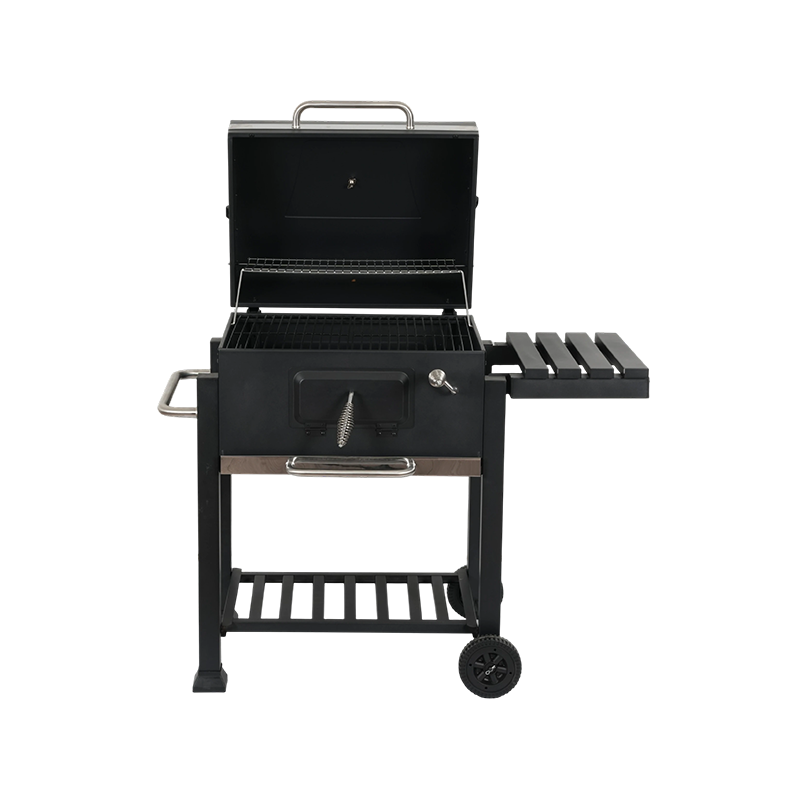
This American-style trolley-mounted charcoal grill is designed for garden and patio barbecue enthusi...

What Tips Help Avoid Overcooking In Charcoal Smoker Grill BBQ
Author: Admin
Date: Aug 14,2026
Get too close to burning charcoal and food heats fast; place a thicker cut farther away and it needs a slower approach entirely. Most trouble on a charcoal grill traces back to one thing — using a single heat level for every kind of food, regardless of what that food actually needs.
Charcoal doesn't sit still once the fire's going, either. Adding fresh fuel, cracking open a vent, or simply shifting food closer to the coals can all change conditions faster than expected. That's usually where the classic overcooking mistake happens — the surface browns nicely while the center is still catching up.
Thickness plays into this just as much as heat does. Thin cuts lose moisture quickly under strong heat, while thicker pieces stay cooler at the center for longer than you'd think. Treat both the same way, and uneven results tend to follow.
A better approach starts with reading the actual cooking environment rather than defaulting to a fixed time:
- Check where the charcoal is concentrated
- Notice which part of the grate is running hotter
- Weigh food thickness before deciding where to place it
- Watch how the surface is changing as it cooks
- Move food once browning starts moving faster than expected
A Charcoal Smoker Grill BBQ setup that supports multiple cooking zones makes this whole process easier, since it separates stronger heat from gentler heat right from the start. Using those zones deliberately cuts down on the constant mid-cook corrections that come from working with just one heat level.
How Charcoal Arrangement Affects Cooking Control
Where the charcoal sits has a direct say in how heat actually reaches the food. Pile it up in one spot and you get a concentrated hot zone; spread it thinner and the heat covers more of the grate but with less intensity anywhere in particular.
Quick browning benefits from direct exposure to that concentrated heat. Longer cooks tend to do better in a cooler zone, where food still picks up warmth from the enclosed space without sitting directly over the hottest coals.
Having separate zones set up gives you room to react without pulling food off the grill entirely — a quick shift toward the cooler section slows surface browning while letting the inside keep cooking.
| Charcoal Arrangement | Heat Behavior | Suitable Use |
|---|---|---|
| Concentrated Area | Stronger local heat | Short direct cooking |
| Spread Layer | More even heating | General grilling |
| Divided Areas | Different heat levels | Mixed food preparation |
| Reduced Charcoal Area | Gentler heat | Longer cooking |
| Partially Moved Fuel | Changing heat position | Adjusting during cooking |
Charcoal needs enough breathing room too — crowd it all into one spot and you get an intense but hard-to-manage heat source, while spreading it too thin makes the temperature sluggish to adjust when you need it to respond. And on longer cooks, the fuel itself shifts as it burns down, so checking its position now and then keeps things from drifting unpredictably.
How Airflow Changes Heat Inside a Charcoal Smoker Grill BBQ
Combustion needs air, so ventilation and heat output are directly linked. Open a vent and more air reaches the fuel; close it down and the fire slows accordingly.
Gradual adjustments are simply easier to manage than sudden ones. A small tweak to airflow gives the fire time to respond, which makes it much easier to tell whether a further adjustment is actually needed or not.
Airflow and charcoal placement work together, too — strong ventilation paired with concentrated fuel produces a noticeably hotter zone, while cutting airflow slows the fire down, though how much depends on how much charcoal is burning and its current condition.
A workable routine looks something like this:
- Check airflow before the cook even starts
- Make small adjustments instead of big, repeated ones
- Give the charcoal time to actually respond before judging the result
- Watch how the food's surface reacts after each change
- Avoid tweaking multiple variables at once
Lid position matters here too. Keeping the chamber closed for reasonable stretches helps hold a stable environment, while opening it more than necessary throws off both airflow and heat distribution right when you're trying to keep things steady.
How Food Position Influences Cooking Speed
Distance from the coals is one of the simplest ways to dial cooking intensity up or down. Food sitting right above burning fuel gets hit with strong radiant heat; move it farther away and conditions ease up considerably.
Indirect cooking earns its keep with food that needs more time — shifting a piece away from the hottest coals lets the interior keep cooking without exposing the surface to that same intensity.
Positioning doesn't have to stay fixed through the whole cook, either. A piece that starts over moderate heat can move closer for a final browning push, while something darkening too fast can shift toward a cooler spot instead.
A few positioning approaches worth knowing:
- Direct heat Works well for quick-cooking foods that benefit from strong surface heat.
- Indirect heat Better suited to longer cooks where gradual heating matters more than speed.
- Edge position Useful when food needs less direct exposure while still staying inside the chamber.
- Temporary movement Handy when one section is cooking noticeably faster than another.
Rotating food periodically helps too, especially when charcoal coverage isn't perfectly even — a simple shift in position keeps one side from taking on too much heat for too long.
How Lid Management Helps Prevent Overcooking
Every time the lid opens, the whole environment shifts — heat escapes, airflow changes, and the charcoal reacts to the sudden rush of fresh air. Do this too often and temperature control starts feeling unpredictable fast.
That said, checking on food is still necessary. The goal isn't to leave the lid shut no matter what — it's to avoid opening it without a real reason to.
A little preparation makes each check count for more. Keeping tools, a plate, and heat-resistant gloves within reach means food can be inspected or repositioned quickly, without the grill sitting open longer than it needs to.
Worth focusing on during each check:
- Surface color
- How fast browning is developing
- Moisture visible on the surface
- Condition of the thinner edges
- Position relative to the charcoal
Food doesn't need constant fussing over once the heat setup is planned well from the start. A stable charcoal layout paired with steady airflow control cuts down on how often that lid really needs to come up.
And when browning starts running ahead of schedule, shifting the food to a cooler zone tends to solve the problem more effectively than repeatedly popping the lid open and closed to check.
How Food Size and Thickness Affect Cooking Time
Food size changes how heat moves from the outside toward the center. Thin pieces can heat through relatively quickly, while thicker portions need more gradual cooking. Placing both types over the same charcoal area can therefore create uneven results.
Smaller pieces also have more exposed surface compared with their internal volume. Strong heat can dry the outer layer before the center reaches a suitable condition. Larger pieces may need a slower approach, especially when surface browning develops early.
Mixed food loads require some planning. Instead of placing every piece in one area, food can be grouped according to size and cooking needs.
A practical arrangement may look like:
- Thin pieces near a moderate or cooler section
- Thick pieces farther from concentrated charcoal
- Small items checked earlier during cooking
- Foods with similar thickness grouped together
- Pieces showing quick browning moved away from direct heat
Uniform sizing can make heat management easier during a shared cooking session. When different foods need different treatment, separate cooking zones provide more control.
How Moisture Helps Control Dryness
Moisture loss is closely connected with heat exposure. Strong heat can dry the outer surface quickly, especially when food remains close to charcoal for an extended period.
A moist surface may take longer to become dry and heavily browned, while a dry surface can change more quickly under direct heat. For that reason, preparation methods that help retain moisture can support gentler cooking.
Suitable marinades, sauces or other moisture-retaining preparations may be used according to the food being cooked. Covered cooking can also reduce direct exposure and create a different environment from open grilling.
Moisture management does not mean keeping food wet throughout cooking. Excess liquid can interfere with browning and may create unwanted dripping onto charcoal. A balanced approach works better.
Useful practices include:
- Avoid leaving food directly over strong charcoal for longer than needed.
- Move food away from intense heat once surface browning develops.
- Use suitable moisture-retaining preparation.
- Turn food when one side is heating faster.
- Watch edges and thinner sections for early drying.
A Charcoal Smoker Grill BBQ can provide enclosed cooking space that allows food to remain away from direct charcoal while continuing to receive heat. Such positioning can be useful for foods that need longer cooking without excessive surface exposure.
How a Charcoal Roaster Grill Can Support Better Heat Management
A Charcoal Roaster Grill can be used for cooking methods where food remains farther from concentrated charcoal for a longer period. Rather than relying entirely on direct heat, food can be positioned according to its thickness, moisture and desired surface condition.
Roasting and direct grilling involve different heat relationships. Direct grilling places food closer to the fuel, while roasting generally relies on a more distributed cooking environment.
Food placement can therefore be adjusted during preparation:
| Cooking Situation | Suitable Position | Reason |
|---|---|---|
| Quick Browning | Closer to charcoal | Provides stronger surface heat |
| Long Cooking | Away from direct charcoal | Slows surface heating |
| Thin Food | Moderate heat area | Helps reduce rapid drying |
| Thick Food | Cooler cooking zone | Allows gradual internal heating |
| Uneven Browning | Repositioned area | Balances heat exposure |
Using different areas of the cooking chamber gives greater control than leaving every item in one fixed position.
Roasting also benefits from checking the charcoal arrangement during longer sessions. Fuel can shift as it burns, changing the heat pattern across the cooking area. A quick inspection can reveal whether food needs repositioning.
What Signs Show Food May Be Overcooking
Overcooking often becomes visible before food is completely dried out. Surface changes can provide useful clues, especially when one part of the food is exposed to stronger heat than another.
Rapid browning is one sign worth watching. Darkening around thin edges can indicate that a piece is receiving more heat than needed. A surface that appears increasingly dry or tight may also suggest that moisture is leaving too quickly.
Other signs include:
- Edges becoming noticeably darker than the center
- Surface drying before internal cooking is complete
- One side browning much faster than another
- Food shrinking more than expected
- Strong heat reaching food despite a longer cooking plan
When such changes appear, moving food away from concentrated charcoal can slow surface heating. Reducing airflow may also help where the charcoal fire itself has become too active.
Changing several factors at once can make the result harder to judge. A gradual adjustment gives a clearer indication of how the cooking environment responds.
How to Build a More Consistent Charcoal Cooking Routine
A steady cooking routine begins before food reaches the grate. Charcoal placement, food grouping and airflow can be considered together so that fewer corrections are needed later.
Preparation can follow a simple sequence:
Prepare the charcoal
Arrange fuel according to whether direct, indirect or mixed heat will be needed.
Prepare cooking zones
Leave a cooler area available for food that begins browning too quickly.
Check airflow
Make sure vents are positioned appropriately for the intended heat level.
Place food according to size
Keep thinner and thicker pieces in positions that match their cooking needs.
Monitor surface changes
Look for rapid browning, drying edges or uneven heating rather than relying only on elapsed cooking time.
Reposition when needed
Move food toward a cooler or warmer section according to its condition.
Manage the lid
Open the cooking chamber for a clear reason, then return it to its normal position.
A consistent routine does not require every cooking session to follow an identical pattern. Charcoal condition, outdoor weather, food size and fuel arrangement can all influence heat behavior. Observation remains useful because actual cooking conditions may change during the process.
For longer cooking, keeping a cooler zone available provides room for adjustment. Food does not need to remain over the same heat source from start to finish.
Good charcoal cooking depends on controlling several small factors together. Fuel arrangement determines where heat develops, airflow influences combustion, food position controls exposure, while size and moisture affect how quickly each piece responds. Managing those elements together can reduce unwanted overcooking and make cooking in a Charcoal Smoker Grill BBQ easier to control.
Contact Us Now
Related products
-
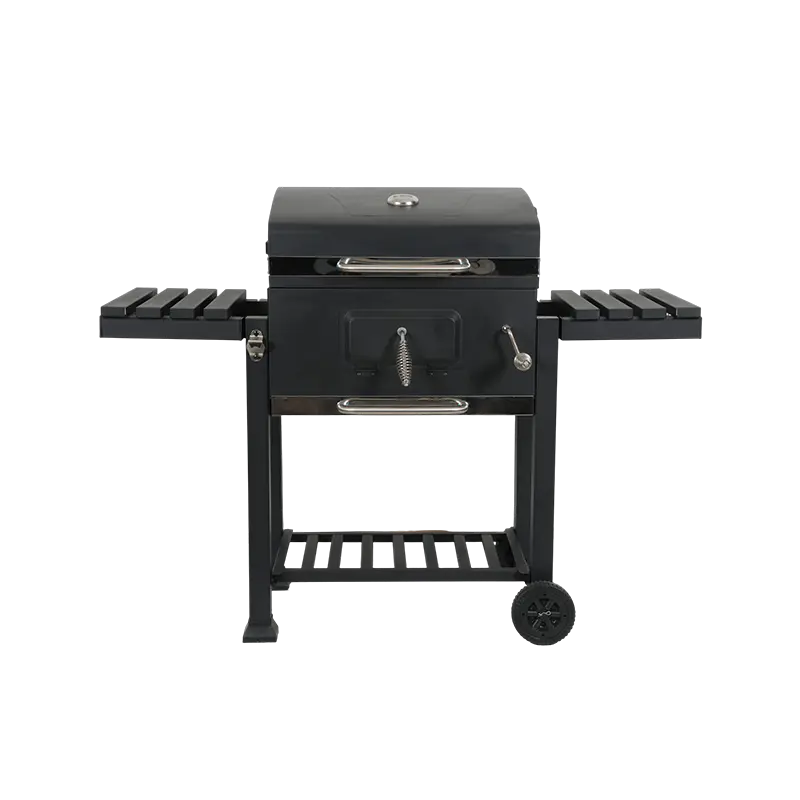 Garden Patio American Style Trolley Charcoal Smoker Grill Square Furnace
 -
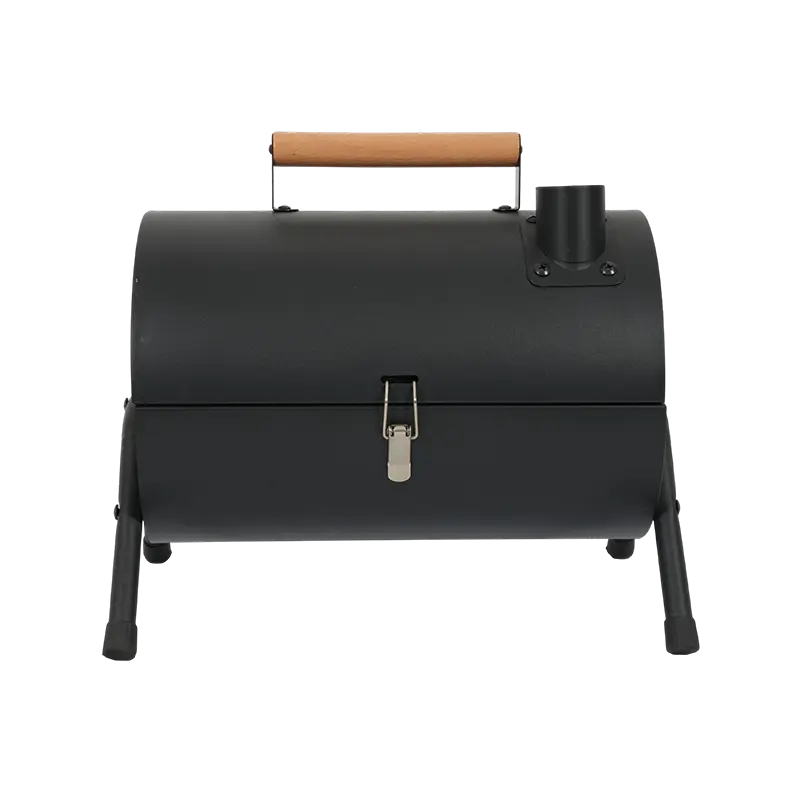 Tabletop Portable Double Sided Charcoal BBQ Grill Roaster
This compact and portable charcoal grill is designed for outdoor barbecue enthusiasts, easily handli...
-
 Multifunctional Campfire Tea Cooking Outdoor Portable Charcoal Grill
Scene Adaptability: Designed for outdoor enthusiasts, suitable for camping, picnics, caravan parties...
-
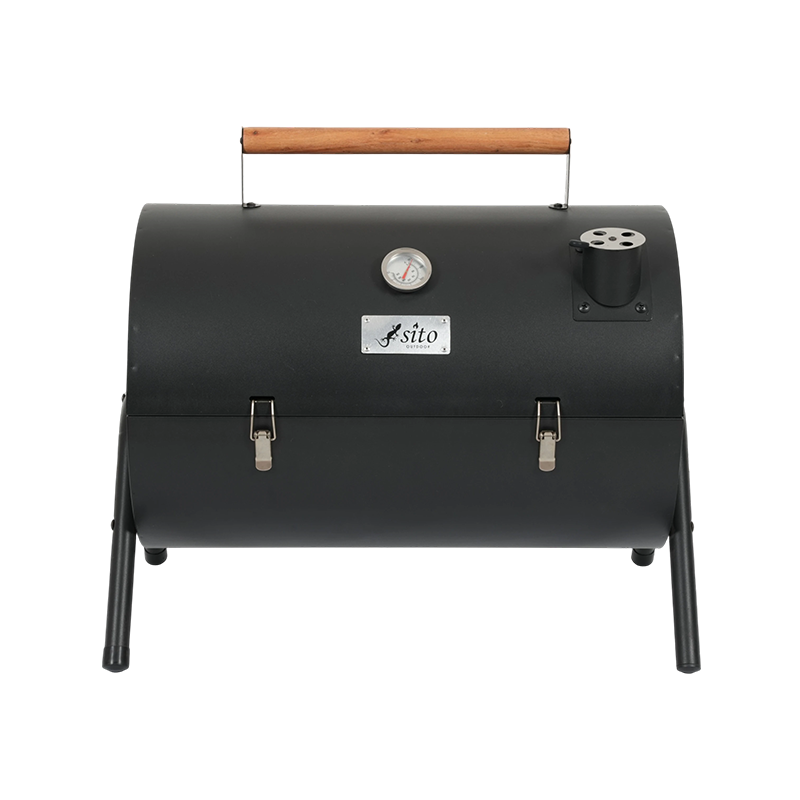 Wooden Handle Portable Tabletop Charcoal Roaster Grill
This portable grill is designed for outdoor barbecue enthusiasts and is perfect for camping trips, p...
-
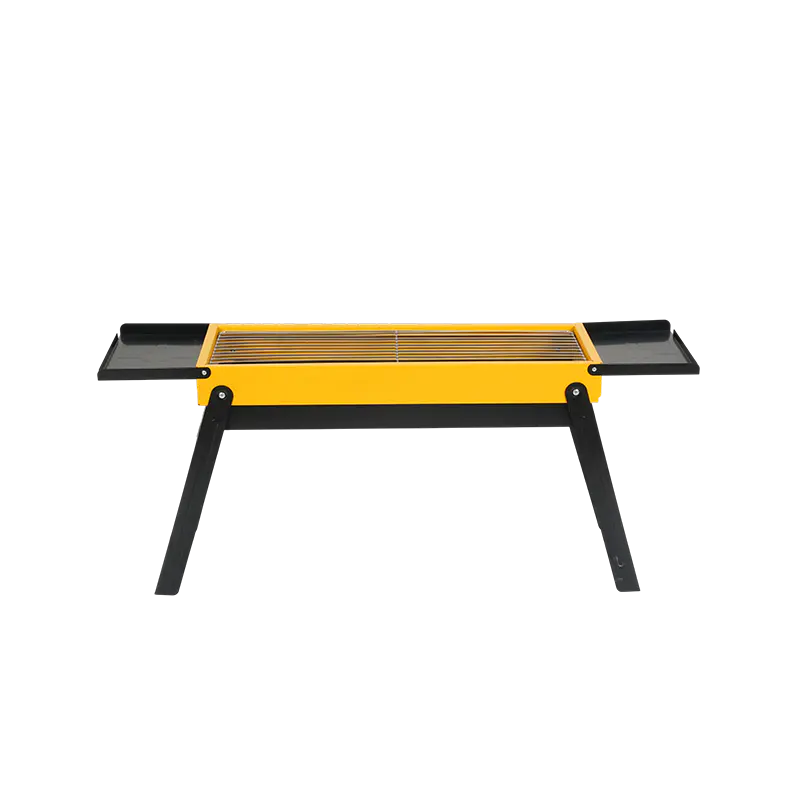 Portable Folding Outdoor Camping Charcoal Barbecue Grill
This portable, foldable outdoor camping charcoal grill is compact yet powerful, making it a great ch...
-
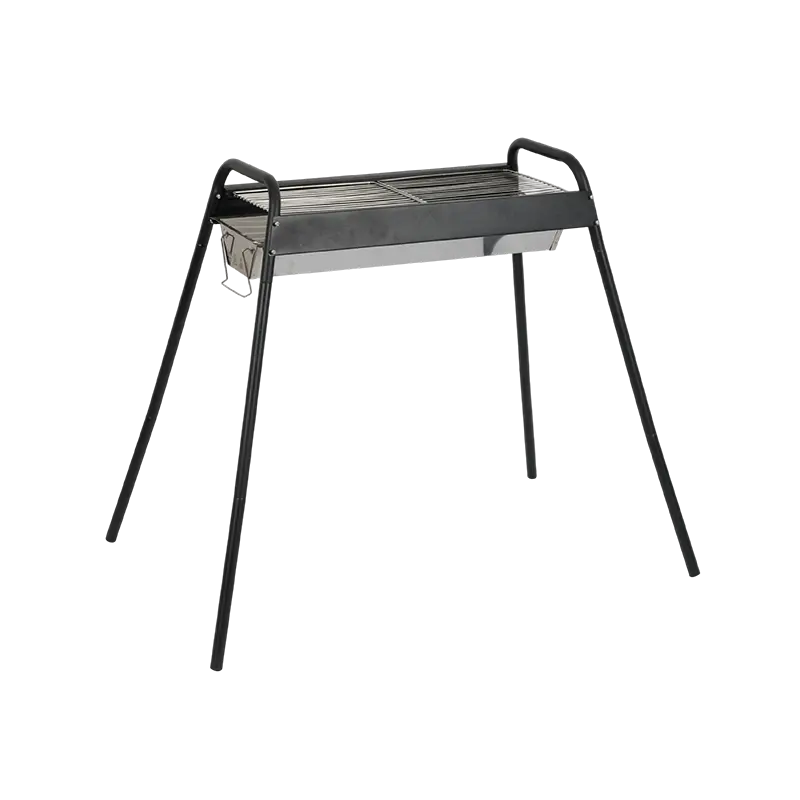 Outdoor Garden Portable Folding Charcoal Barbecue Grill
This portable, folding charcoal grill, designed specifically for outdoor BBQ enthusiasts, is perfect...

We are committed to integrity and quality, and we serve our customers with our professional oven manufacturing knowledge.
Phone: +86-13735628111
E-mail: [email protected]
Add: No.17 Ying Bin Road, Qing Xi Industry Zone, Xiang Zhu Town, Yongkang city,Zhenjiang province, China
Copyright © Yongkang Tongde Industry & Trade Co., Ltd. Rights
Reserved.

Outdoor BBQ Grill Manufacturer