
 English
  عربى
عربى  Español
This American-style trolley-mounted charcoal grill is designed for garden and patio barbecue enthusi...

What Way To Clean Charcoal Smoker Grill BBQ After Use
Author: Admin
Date: Aug 21,2026
Cooking leaves more behind than food scraps. Grease can settle on grates, smoke residue can collect around the cooking chamber, while ash remains near the charcoal area. Without routine care, buildup can become harder to remove and may affect later cooking conditions.
A Charcoal Smoker Grill BBQ works through controlled heat, airflow, and smoke movement. Clean internal surfaces help keep airflow paths open, while a reasonably clean cooking grate provides a better surface for food preparation.
Routine cleaning does not mean removing every trace of smoke from every internal surface. A thin layer of seasoning or smoke residue may be normal for some cooking equipment. Loose grease, burnt food particles, excess ash, and unwanted deposits deserve more attention.
Cleaning also provides a useful opportunity to inspect the equipment. A grate may develop damage, vents can become restricted, and exterior surfaces may collect moisture or dirt during outdoor use.
A practical cleaning routine usually covers four areas:
- Cooking grate
- Charcoal and ash area
- Cooking chamber
- Exterior surface
Each area needs a slightly different approach. Treating every surface in exactly the same way can create unnecessary wear or leave important residue behind.
When Is the Right Time to Start Cleaning
Temperature should be considered before any cleaning begins. A cooking grate can remain hot long after food has been removed, while charcoal and ash may retain heat even when visible flames have disappeared.
Handling internal components too soon can cause burns or damage cleaning tools. Water added to hot charcoal can also create sudden steam and scatter fine ash, making cleanup harder and potentially creating a safety problem.
A safer sequence is simple:
Cooking Finished → Charcoal Fully Extinguished → Equipment Cooled → Cleaning Begins
Cooling time depends on the equipment, fuel condition, surrounding environment, and airflow. Rather than relying on a fixed waiting period, cleaning should begin only when components can be handled safely.
Remaining charcoal deserves separate attention. Unused pieces that are still suitable for later use should be kept dry and separate from ash. Completely cooled ash can then be removed using a suitable method and placed in an appropriate container.
Moisture should stay away from warm ash and charcoal during handling. Fine ash can become difficult to manage once wet, while damp charcoal may not be suitable for later use.
Cooling also makes grease easier to identify. Once surfaces are safe to touch, residue can be inspected before tools or cleaning agents are selected.
How Should the Cooking Grates Be Cleaned
Cooking grates receive direct contact with food, so residue deserves regular attention. Burnt food particles and grease can remain attached after cooking, especially around areas where food has been sitting for a longer period.
Loose material can usually be removed with a suitable grill brush, scraper, or other tool intended for the grate surface. Tool choice should match the grate material and finish.
Excessive force is rarely helpful. Aggressive scraping may damage certain surfaces, remove protective finishes, or create rough areas that collect residue more easily during later cooking.
For routine cleaning, a practical approach can include:
- Allow the grate to cool to a safe handling condition.
- Remove loose food particles.
- Scrape areas with visible buildup.
- Wash the grate when deeper cleaning is needed.
- Remove cleaning residue.
- Dry the grate before storage or further use.
Water and cleaning agents should be used according to the grate material. A coated surface may require gentler treatment than an uncoated metal grate.
Deep cleaning can be useful when grease has become sticky or food residue has accumulated across a larger area. Routine removal of loose material, however, reduces the amount of buildup that needs more intensive attention later.
How Should Ash and Charcoal Residue Be Removed
Ash affects more than cleanliness. Charcoal equipment relies on airflow around the fuel, so excessive ash can restrict air movement and occupy space intended for fresh charcoal.
Once ash has cooled completely, it can be removed from the charcoal area using a suitable ash tool or other method designed for the equipment. Fine particles should be handled carefully because they can spread easily in outdoor areas.
Remaining charcoal should be separated from loose ash when reuse is intended. Mixing the two can make fuel handling less convenient and may introduce moisture or unwanted residue.
| Material | Cleaning Approach |
|---|---|
| Loose Ash | Remove after complete cooling |
| Remaining Charcoal | Separate and keep dry where suitable |
| Food Particles | Clear from nearby surfaces |
| Grease Residue | Clean according to surface material |
| Moist Ash | Handle carefully and avoid unnecessary spreading |
Ash should not simply be left inside after every cooking session. Accumulation can reduce available space and interfere with airflow.
Cleaning the charcoal area also creates an opportunity to check vents and openings. Ash, grease, or outdoor debris can collect around such areas and restrict movement or airflow.
How Can Grease and Smoke Deposits Be Removed
Grease and smoke residue behave differently from loose ash. Grease can become sticky, while smoke deposits may form a dark layer on internal walls and the lid. Some residue is a normal part of smoking, so cleaning should focus on unwanted buildup rather than attempting to return every internal surface to a new condition.
A scraper can help remove thicker deposits from suitable surfaces. Softer residue may be wiped away with a cloth or cleaning pad appropriate for the material.
Cleaning products need careful selection. A product suitable for an exterior surface may not be appropriate for a cooking grate or another food‑contact area. Residue from a cleaning agent should not remain where food will later be placed.
For internal surfaces, a practical sequence is:
- Remove loose particles
- Scrape heavy buildup where appropriate
- Wipe away remaining residue
- Clean food‑contact areas separately
- Allow surfaces to dry properly
Excessive scraping can damage finishes, while excessive use of water can create moisture problems inside a metal cooking chamber. A controlled cleaning method generally makes more sense than aggressive treatment.
Grease deserves particular attention around areas where it can collect in corners or along edges. A small amount of residue may be easy to remove, whereas hardened buildup can require considerably more effort.
How Should the Exterior Be Cleaned
Outdoor cooking equipment is exposed to dust, moisture, smoke, grease, and handling marks. Exterior cleaning therefore has a role beyond appearance, especially where residue can hold moisture against a metal surface.
A damp cloth may be sufficient for light dirt. Greasy areas can require a suitable mild cleaner, provided the product is compatible with the exterior material.
Surface material should guide the cleaning method. Painted, coated, or bare metal surfaces may react differently to abrasive pads and cleaning agents.
After cleaning, moisture should be removed rather than left to evaporate slowly on the surface. Drying is particularly useful before covering or storing equipment in an enclosed location.
Handles, hinges, vents, and other accessible areas deserve attention as well. Dirt around moving parts can interfere with normal operation, while grease around handles can make routine handling unpleasant.
Exterior care can remain simple:
- Wipe away loose dirt
- Remove visible grease
- Clean around handles and hinges
- Check vents for obstruction
- Dry exposed surfaces
- Store the equipment in a suitable dry condition
A clean exterior also makes small surface changes easier to notice during routine inspection. Rust, scratches, loose coating, or damaged fittings are easier to identify when heavy dirt is no longer covering the surface.
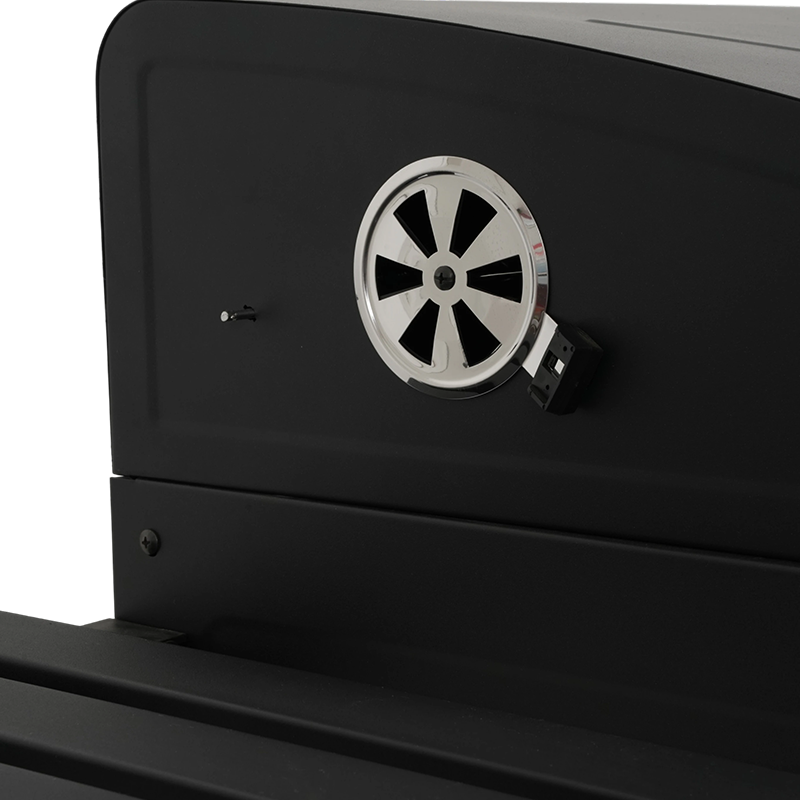
What Cleaning Mistakes Can Damage a Charcoal Smoker Grill BBQ
Cleaning problems often come from using too much force, choosing an unsuitable cleaner, or starting maintenance before charcoal and metal parts have cooled. A Charcoal Smoker Grill BBQ contains several surfaces with different care requirements, so one cleaning method may not suit every area.
Adding water directly to hot charcoal is another common mistake. Sudden cooling can create steam and spread fine ash, while remaining heat may still be present beneath the surface. Charcoal should be allowed to extinguish and cool naturally before ash removal begins.
A few habits are worth avoiding:
- Scrubbing delicate surfaces with harsh abrasive tools
- Pouring water onto hot charcoal
- Cleaning while internal parts remain too hot to handle
- Leaving wet ash inside the charcoal area
- Applying unsuitable chemicals to cooking surfaces
- Storing equipment while moisture remains on metal areas
- Blocking vents with cleaning residue or loose ash
Cleaning products deserve particular attention. A chemical suitable for an exterior panel may not be appropriate for a grate where food is placed. Product residue can also remain in small gaps, corners, or textured surfaces when rinsing is incomplete.
Scraping requires a similar approach. Thick grease may need mechanical removal, although excessive pressure can scratch or damage a surface. A tool should match the material rather than simply being chosen for its ability to remove stubborn dirt.
Storage mistakes can also undo careful cleaning. Covering damp equipment can trap moisture around metal surfaces, especially in enclosed or poorly ventilated locations.
How Often Should Routine and Deep Cleaning Be Separated
Routine cleaning and deep cleaning serve different purposes. After‑use care focuses on loose food particles, cooled ash, visible grease, and areas that directly affect the next cooking session. Deep cleaning addresses accumulated residue that cannot be managed through simple wiping or scraping.
A practical routine can follow a simple pattern:
After Cooking → Cool Completely → Remove Food Residue → Clear Ash → Wipe Key Surfaces → Dry → Inspect
Routine work does not need to involve complete disassembly. Cooking grates, charcoal areas, vents, and visible grease deposits can receive attention after each use according to their condition.
Deep cleaning can be considered when residue begins to form thicker layers, airflow openings become restricted, or cleaning around internal areas becomes difficult. Frequency depends on cooking habits, food type, fuel use, and outdoor conditions.
A heavy cooking session may leave more grease than a light session. Foods with higher fat content can create residue around the grate and cooking chamber, while longer smoking periods may leave more smoke deposits.
Rather than following a rigid cleaning calendar, equipment condition can guide deeper maintenance.
Signs that a deeper cleaning may be useful include:
- Thick grease buildup
- Restricted vents
- Heavy ash accumulation
- Sticky areas around the cooking chamber
- Difficult‑to‑remove food residue
- Moisture or dirt collecting around exterior parts
Separating routine care from deeper maintenance prevents unnecessary scrubbing while still keeping accumulated residue under control.
How Can Cleaning Help Maintain Cooking Conditions
Cleaning affects more than appearance. A charcoal cooking system depends on airflow, heat movement, fuel condition, and contact between food and the cooking grate.
Ash buildup can occupy space around charcoal and interfere with airflow. Since air supports charcoal combustion, restricted passages may change how fuel behaves during later cooking.
A dirty grate creates another concern. Burnt food and grease can remain attached to the surface and may affect new food placed in the same area. Loose residue can also become difficult to remove after repeated cooking.
Grease inside a cooking chamber can influence smoke and odor as it accumulates. Removing unnecessary buildup helps keep internal surfaces in a more manageable condition.
Routine cleaning also supports inspection. Once ash and residue are removed, vents, hinges, handles, grates, and other accessible parts become easier to check.
A useful maintenance relationship can be expressed simply:
Clean Surface → Clear Airflow → Easier Inspection → More Predictable Cooking Conditions
Cleaning does not guarantee identical cooking results because fuel, weather, food type, and cooking method also affect performance. Proper care simply reduces residue‑related problems that can interfere with normal operation.
What Is a Practical After Use Cleaning Routine
A simple after‑use routine can keep maintenance manageable without turning every cooking session into a deep cleaning task. Work should begin only after charcoal and internal parts have reached a safe condition for handling.
Start by checking the charcoal area. Remaining fuel can be separated from cooled ash where appropriate, while loose ash can be removed and disposed of using a suitable container.
Next, attend to the cooking grate. Loose food particles should be cleared, followed by more thorough cleaning when visible grease or hardened residue remains.
Internal surfaces can then be inspected. Large deposits of grease or food residue may be removed from suitable areas, while normal smoke staining does not necessarily require aggressive scrubbing.
Exterior surfaces can be wiped according to their material. Handles, hinges, vents, and other accessible areas deserve a quick check for dirt or restricted movement.
A practical sequence looks like this:
- Allow charcoal and equipment to cool completely
- Remove cooled ash
- Separate remaining charcoal where appropriate
- Clear food residue from cooking grates
- Clean visible grease buildup
- Check vents and moving parts
- Wipe suitable exterior surfaces
- Dry exposed areas
- Inspect the equipment before storage
Storage should follow once cleaning and drying are complete. A cover can help reduce exposure to outdoor dirt and moisture, although trapped moisture should be avoided.
Before the next cooking session, a quick inspection can confirm that vents remain clear, grates are clean, and no loose ash or cleaning residue remains around food‑contact areas.
Regular care of a Charcoal Smoker Grill BBQ works best as a series of small maintenance actions rather than one intensive cleaning session. Cooling safely, removing ash, managing grease, cleaning cooking surfaces, drying exposed areas, and checking accessible components can keep routine upkeep clear and manageable.
What Cleaning Mistakes Can Damage a Charcoal Smoker Grill BBQ
Cleaning a Charcoal Smoker Grill BBQ does not require harsh treatment. Different parts respond differently to heat, water, scraping, and cleaning products, so using the same method across the whole unit may create avoidable damage.
One common problem is starting maintenance while charcoal or internal metal parts are still very hot. Water poured onto hot charcoal can produce steam and scatter ash, while sudden temperature changes may place stress on some surfaces. Waiting until charcoal and ash have cooled makes removal easier and safer.
A few habits deserve attention:
- Avoid pouring water over hot charcoal
- Do not scrub every surface with rough tools
- Keep unsuitable cleaners away from cooking grates
- Avoid leaving wet ash inside the charcoal area
- Do not cover damp equipment
- Keep vents clear after cleaning
Grease also needs a measured approach. Thick residue can often be loosened with a scraper suited to the surface, while excessive pressure may leave scratches. A softer cleaning pad may work better on areas where surface condition matters.
Cleaning products should match their intended surface. A cleaner used on an exterior panel may not be suitable for a grate that touches food. Any remaining cleaning residue should be removed before the next cooking session.
Moisture creates another issue during storage. Water left around hinges, seams, or metal surfaces can remain trapped after cleaning. Drying exposed areas before covering the equipment helps reduce moisture‑related surface problems.
How Often Should Routine and Deep Cleaning Be Separated
Routine cleaning deals with residue left after cooking, while deeper cleaning deals with buildup that has developed gradually. Keeping both tasks separate makes regular care less time‑consuming.
After each use, attention can remain on the areas that directly affect later cooking. Food particles can be cleared from the grate, cooled ash can be removed, and visible grease can be wiped away.
Deep cleaning can wait until buildup becomes noticeable. A cooking unit may need closer attention when grease becomes thick, vents collect residue, or ash begins occupying too much space.
Cleaning frequency depends on cooking habits. Fatty foods can leave more grease, while longer smoking sessions can leave additional residue around internal surfaces.
Instead of following a fixed schedule, visible condition can guide deeper maintenance.
Useful signs include:
- Heavy grease around internal surfaces
- Ash collecting around airflow areas
- Food residue that no longer wipes away easily
- Restricted vent movement
- Dirt around hinges or handles
- Moisture remaining after cleaning
Routine care keeps small problems from becoming larger cleaning tasks, while deeper maintenance deals with buildup that ordinary wiping cannot remove.
How Can Cleaning Help Maintain Cooking Conditions
Cleaning has a practical connection with airflow and food contact. Charcoal requires air to continue burning, so excess ash around the fuel area can restrict available space and change airflow.
A clean cooking grate also provides a clearer surface for food. Burnt pieces and old grease may remain attached after cooking, especially around areas where food has been in direct contact for longer periods.
Smoke residue inside a smoker is not automatically a sign that cleaning is overdue. Some staining is a normal result of cooking. Loose particles, thick grease, and unwanted deposits deserve more attention because they can affect later use.
Maintenance also creates a chance to inspect the equipment. Once ash and grease are removed, blocked vents, damaged grates, loose handles, or stiff hinges become easier to notice.
A simple maintenance relationship is:
Less Buildup → Clearer Airflow → Easier Inspection → Cleaner Cooking Surface
Cleaning cannot control every cooking condition, since fuel, weather, food, and cooking methods also play a role. Keeping residue under control can remove one source of unnecessary variation.
What Is a Practical After Use Cleaning Routine
An after‑use routine can remain simple. Once charcoal and internal parts have cooled completely, ash can be removed and the cooking grate can receive attention.
Remaining charcoal may be separated from ash when suitable for later use. Cooled ash should go into an appropriate container rather than being left loose around the cooking area.
Next, food particles should be cleared from the grate. Visible grease can be removed according to the grate material, while heavier buildup may need more careful cleaning.
Internal surfaces can then be checked. Thick grease or loose residue can be removed from suitable areas without trying to scrub away every trace of smoke staining.
Exterior cleaning comes afterward. Wiping handles, hinges, vents, and exposed panels removes dirt that may collect during outdoor use.
A practical sequence is:
- Cool the equipment completely
- Remove cooled ash
- Separate usable charcoal where appropriate
- Clear food residue from the grate
- Remove visible grease
- Check vents and moving parts
- Wipe exterior surfaces
- Dry exposed areas
- Inspect before storage
Once cleaning is complete, equipment should be stored in a dry condition. A cover can reduce exposure to outdoor dirt, while trapped moisture should be avoided.
Before the next cooking session, a quick check of the grate, vents, charcoal area, and handles can help confirm that no loose ash, food residue, or cleaning material remains.
Regular care does not need to become a long process. Cooling properly, clearing ash, cleaning food‑contact surfaces, controlling grease, drying exposed areas, and checking accessible parts provide a practical routine for keeping a Charcoal Smoker Grill BBQ ready for continued use.
Contact Us Now
Related products
-
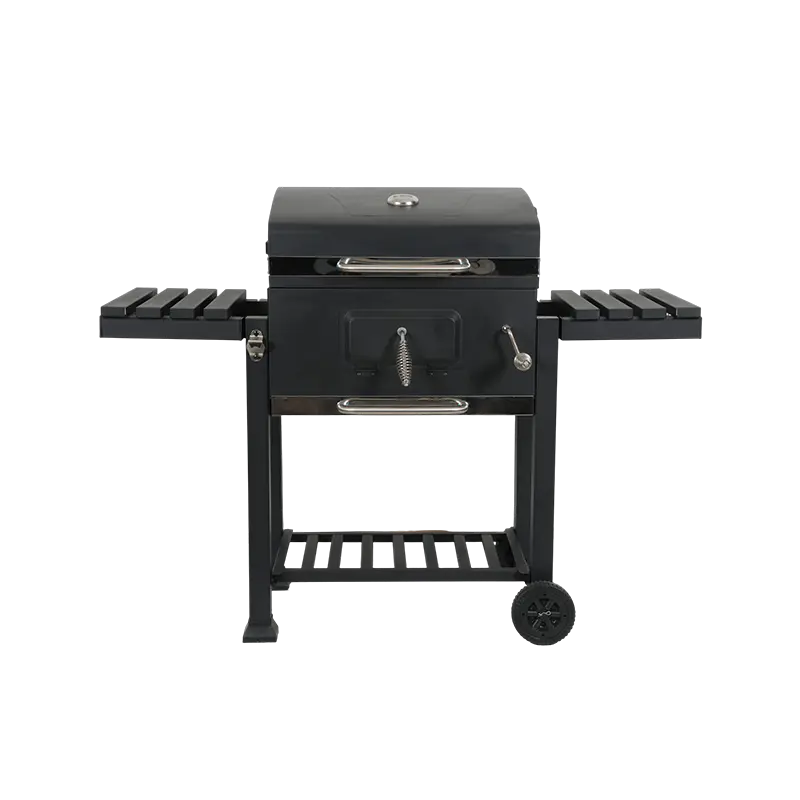 Garden Patio American Style Trolley Charcoal Smoker Grill Square Furnace
 -
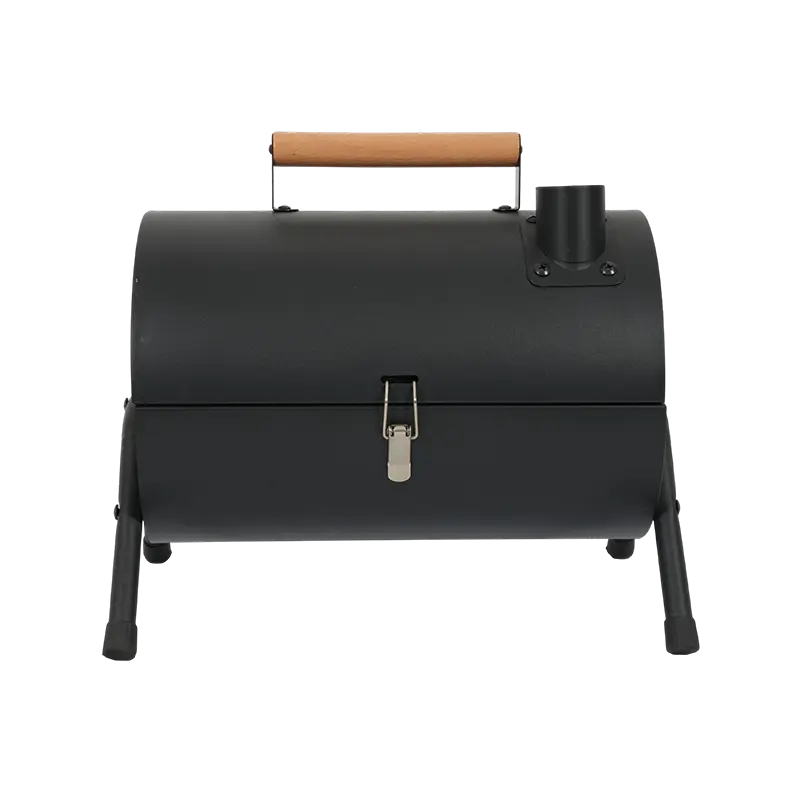 Tabletop Portable Double Sided Charcoal BBQ Grill Roaster
This compact and portable charcoal grill is designed for outdoor barbecue enthusiasts, easily handli...
-
 Multifunctional Campfire Tea Cooking Outdoor Portable Charcoal Grill
Scene Adaptability: Designed for outdoor enthusiasts, suitable for camping, picnics, caravan parties...
-
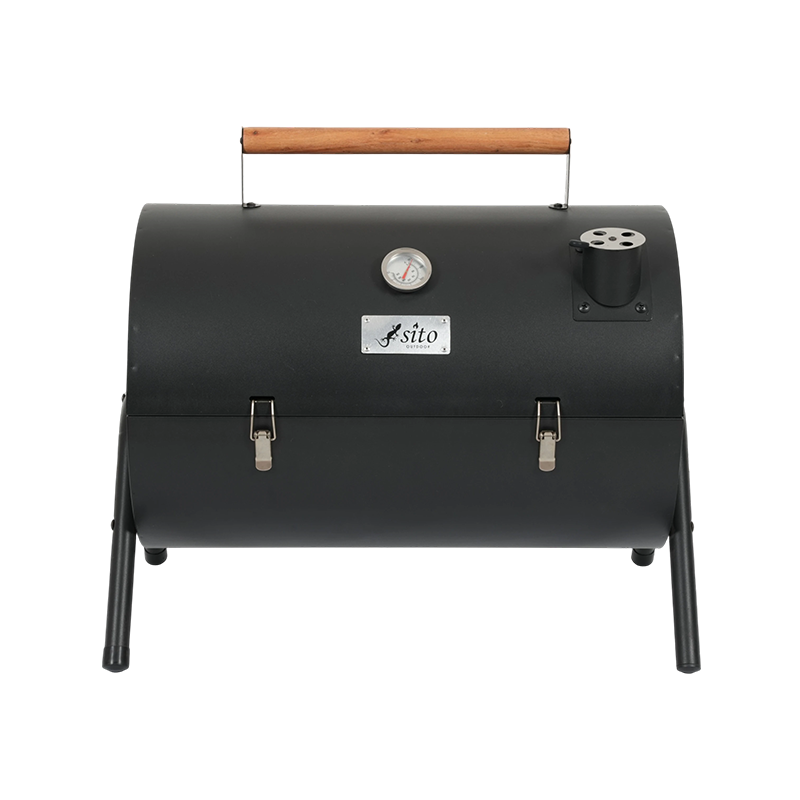 Wooden Handle Portable Tabletop Charcoal Roaster Grill
This portable grill is designed for outdoor barbecue enthusiasts and is perfect for camping trips, p...
-
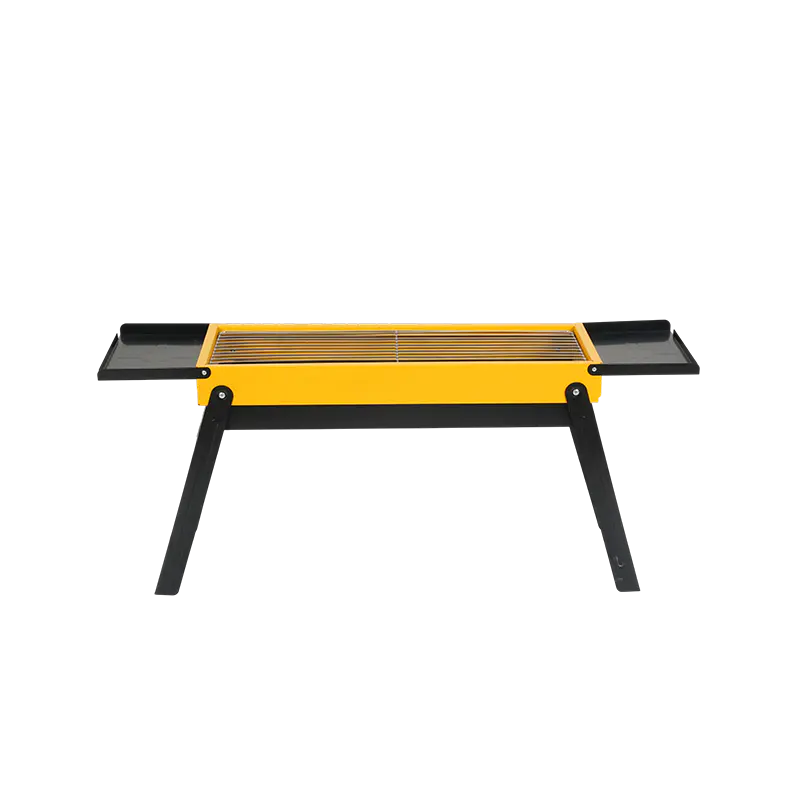 Portable Folding Outdoor Camping Charcoal Barbecue Grill
This portable, foldable outdoor camping charcoal grill is compact yet powerful, making it a great ch...
-
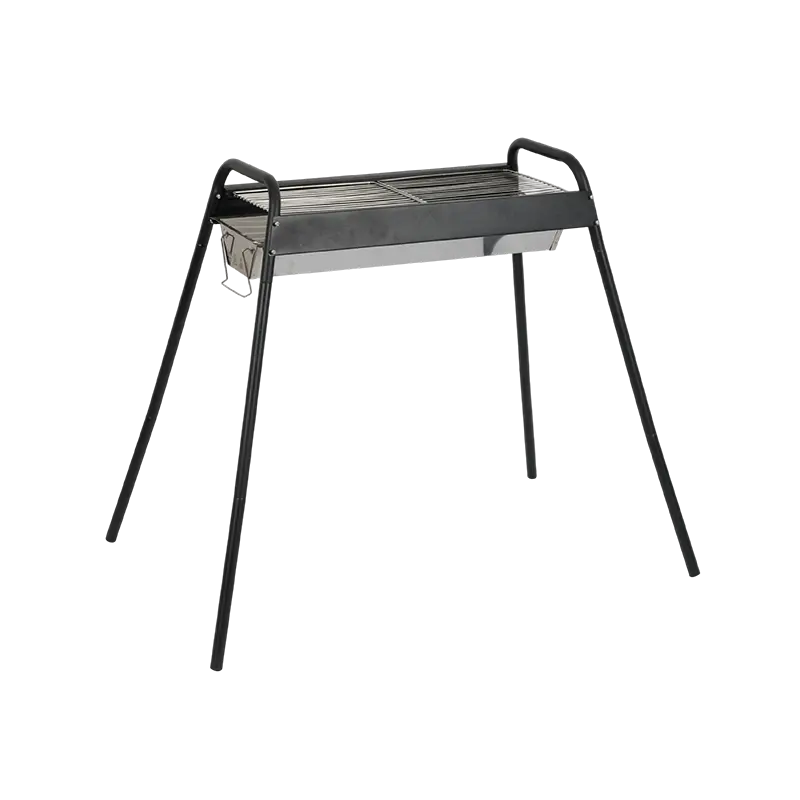 Outdoor Garden Portable Folding Charcoal Barbecue Grill
This portable, folding charcoal grill, designed specifically for outdoor BBQ enthusiasts, is perfect...

We are committed to integrity and quality, and we serve our customers with our professional oven manufacturing knowledge.
Phone: +86-13735628111
E-mail: [email protected]
Add: No.17 Ying Bin Road, Qing Xi Industry Zone, Xiang Zhu Town, Yongkang city,Zhenjiang province, China
Copyright © Yongkang Tongde Industry & Trade Co., Ltd. Rights
Reserved.

Outdoor BBQ Grill Manufacturer