
 English
  عربى
عربى  Español
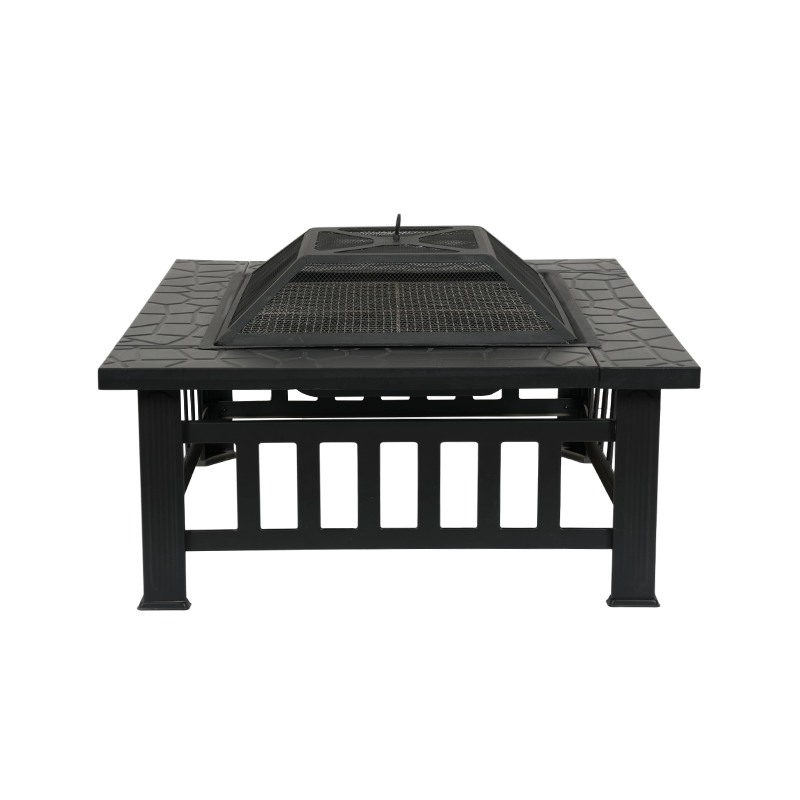
This American-style trolley-mounted charcoal grill is designed for garden and patio barbecue enthusi...

Which Stainless Steel Fire Pit BBQ Fits Camping Trips
Author: Admin
Date: Aug 28,2026
Camping changes how cooking equipment is used. At home, a grill can stay in one place, with plenty of room for storage, cleaning and preparation. Outdoor trips usually involve carrying equipment from one location to another, setting it up on suitable ground and packing it away after cooking. A practical design therefore needs to fit into a much more limited routine.
Weight and storage size matter during transport. A cooking unit that takes up little space when packed can be easier to place in a vehicle alongside tents, food and other outdoor supplies. Assembly also deserves attention because complicated setup can become inconvenient at a campsite, particularly when cooking needs to start soon after arrival.
Ground conditions create another consideration. Outdoor surfaces may be uneven, soft or covered with loose material, so a stable base helps keep the cooking structure in a fixed position. Stability becomes especially important when food is placed on a grate or when cookware is moved across the cooking area.
Cooking needs should be separated from heating needs as well. Some fire pits are mainly intended to contain a fire, while a camping BBQ needs a structure that allows food to sit above the heat. A suitable cooking surface, enough access around the grate and a practical way to manage ash can make a noticeable difference during use.
Before choosing equipment, campers can consider:
- How far the unit needs to be carried
- Where it will be stored during transport
- How easily it can be assembled
- What kind of meals will be prepared
- Whether the ground at the campsite can support the base
- How cleaning will be handled after cooking
A simple design often works well for outdoor routines because fewer separate parts mean fewer items to organize. Practicality comes from how each part fits into the whole camping process rather than from appearance alone.
What Makes Stainless Steel Suitable for Outdoor Fire Pit BBQ Use
Material choice affects how a fire pit behaves during repeated outdoor use. Stainless steel is commonly used for cooking structures because it can handle exposure to moisture and regular heating, making it suitable for equipment that needs to move between storage and outdoor use.
Heat changes can affect metal surfaces over time. A cooking structure becomes hot during use and cools after the fire has gone out, creating repeated expansion and contraction. Construction needs to account for such changes through suitable material thickness, joints and support arrangements.
Outdoor exposure brings moisture into the picture. Rain, damp ground and condensation can leave water on an unprotected surface during storage or transportation. Stainless steel can offer useful resistance to corrosion, although proper cleaning and drying remain important.
Food residue also affects maintenance. Grease, crumbs and small pieces of food can remain on a cooking grate after a meal. Removing residue soon after the equipment has cooled can make later cleaning easier and reduce buildup around cooking surfaces.
Surface condition deserves attention during storage. Scratches, trapped moisture and leftover residue may gradually affect appearance and maintenance needs. Keeping the unit dry before packing it away can help preserve its usable condition.
Material alone does not determine how well a fire pit fits camping use. Structure, ventilation, cooking area, carrying method and cleaning access all need to work together.
Which Design Features Matter During Camping
Camping equipment has to function in a temporary setting, so design details can have a direct effect on convenience. Foldable or detachable structures can reduce storage space, while simple connections can make assembly easier at the campsite.
A stable base is another practical feature. Legs or supports need to keep the cooking structure steady on appropriate ground. Placement should also leave enough space around the fire pit for safe handling and normal movement.
Air openings influence how a fire receives air. Adequate airflow can help maintain a steady burn, while poor airflow may make fire management harder. Ventilation design should therefore be considered alongside fuel arrangement and cooking requirements.
Cooking grate position also matters. A grate placed too close to the fire may expose food to intense heat, while excessive distance can make cooking slower. Adjustable or carefully positioned cooking surfaces can provide greater control during different types of meals.
Cleaning access is easy to overlook during selection. Ash needs somewhere to be removed from, and food residue should be reachable without taking apart unnecessary components.
Useful design features include:
- A stable supporting structure
- Easy assembly and disassembly
- A practical cooking surface
- Suitable airflow openings
- Convenient ash access
- Compact storage
- A manageable carrying arrangement
Each feature has a job within the camping routine. A foldable structure may save storage room, while a stable base helps during cooking. Good usability comes from the relationship among those elements rather than from one feature in isolation.
How Does Cooking Style Affect Fire Pit BBQ Selection
Meal preparation has a strong influence on which cooking structure makes sense for a trip. Direct grilling usually involves placing food over a grate, while other meals may require pots, pans or cookware positioned above the fire.
Different foods also respond differently to heat. Thin food can cook quickly when placed close to a strong fire, while thicker food may need a gentler heat source and more time. A cooking surface that can be positioned appropriately gives the user greater control over the process.
Open‑fire cooking also requires attention to flame position. Food can be exposed to direct flames at one moment and hot embers at another as the fire changes. Moving food around the grate may help manage heat during cooking.
For campers who mainly prepare grilled meals, a straightforward grate arrangement may be enough. Someone planning soups, stews or mixed outdoor meals may need more room for cookware.
A useful selection path is:
Meal Type → Cooking Surface → Heat Position → Fire Arrangement → Cleaning Needs
Cooking style should therefore be considered before purchasing or packing a Stainless Steel Fire Pit BBQ. Equipment intended for occasional grilling may have different requirements from a setup used for several kinds of campsite meals.
What Should Be Checked Before Taking a Fire Pit BBQ Camping
A quick inspection before leaving home can prevent small equipment problems from becoming inconvenient at a campsite. Outdoor cooking often takes place away from workshops, stores or other sources of replacement parts, so checking the cooking structure during packing can save time later.
Start with the main frame and support points. Legs should sit firmly in their intended positions, while removable sections should connect without excessive movement. A loose connection may become more noticeable once cookware and food are placed on the grate.
Cooking surfaces also deserve a close look. Residue from an earlier meal can harden during storage, making later cleaning harder. Any visible buildup can be removed before packing, followed by proper drying.
Carrying parts should receive attention as well. Handles, folding joints and detachable sections can become loose through repeated assembly and transport. Keeping smaller components together also reduces the chance of leaving an important part at home.
Before a trip, campers can check:
- Frame and support connections
- Cooking grate condition
- Folding or detachable parts
- Carrying handles
- Ash removal areas
- Surface cleanliness
- Dryness before storage
Campsite rules should also be checked before using an open fire. Some locations restrict where fires can be used or may require specific fire‑control arrangements. Local conditions, weather and ground suitability can affect whether outdoor cooking is appropriate.
A short inspection takes little effort compared with dealing with an unstable cooking setup after arrival.
How Does Size Affect Camping Convenience
Size influences both cooking space and transportation. A larger fire pit can provide room for several pieces of food or cookware, while a compact structure generally takes less storage space during travel.
Choosing a suitable size starts with the planned meals rather than simply looking for a larger cooking surface. Someone preparing simple grilled food may have different needs from a group preparing several dishes around a campsite.
Storage space inside a vehicle can also affect the decision. Long components may be difficult to place alongside other camping equipment, while a foldable structure can fit into a smaller area.
Fire size should remain compatible with cooking space. A broad grate does not necessarily require a large fire, and an oversized fire may create unnecessary heat around the cooking area. Fuel arrangement, grate position and airflow should work together.
| Camping Consideration | Compact Structure | Larger Structure |
|---|---|---|
| Transport | Easier to Pack | Needs More Storage Room |
| Cooking Area | Suitable for Smaller Meals | Allows More Cooking Space |
| Setup | Fewer Parts May Be Needed | May Require More Assembly |
| Ground Space | Requires Less Room | Needs a Wider Area |
| Storage | Easier in Limited Spaces | Requires More Vehicle Space |
Compact equipment still needs enough stability for normal cooking. Reducing size should not mean making the base too narrow or the cooking surface difficult to use.
For camping, the useful question is not simply how large the fire pit can be. A better approach is to consider how much cooking space is actually needed and how comfortably the equipment can be carried, positioned and stored.
How Can an Expert Grill Manufacturer Influence Camping Fire Pit Design
Manufacturing decisions affect how an outdoor cooking structure behaves during assembly, cooking and storage. Material selection forms part of the process, while the arrangement of joints, supports, cooking surfaces and removable parts also influences practical use.
An Expert Grill Manufacturer may consider camping conditions when developing a structure intended for portable use. A folding frame, for example, needs connections that remain secure during cooking while still allowing the user to assemble and pack the unit afterward.
Heat‑exposed areas require suitable construction. Cooking grates, fire chambers and support sections experience different conditions during use, so each part needs to match its intended role.
Surface finishing can also influence cleaning. Food residue and ash naturally accumulate during outdoor cooking, making accessible surfaces easier to inspect and maintain.
Manufacturing checks may include:
- Material condition
- Frame dimensions
- Joint fit
- Support stability
- Cooking grate position
- Folding mechanism
- Surface finish
- Assembly consistency
A portable fire pit needs to balance several practical requirements at once. Making one part lighter or smaller can affect stability, cooking space or storage. Manufacturing is therefore closely connected with how campers actually handle the equipment.
For buyers, construction details can provide more useful information than appearance alone. Checking how parts connect, how the grate is supported and how the structure folds can give a clearer idea of whether a fire pit matches a particular camping routine.
How Should a Stainless Steel Fire Pit BBQ Be Maintained During Camping Trips
Maintenance begins while cooking is still in progress. Food residue should be removed from the grate when practical, while ash needs to remain contained until the fire has completely gone out and the equipment has cooled.
Handling hot metal requires care. Moving or cleaning the structure too soon can cause burns, while packing warm components can trap heat and moisture inside a storage bag or vehicle.
Once the unit has cooled, loose ash can be removed from the fire area. Food residue on the cooking surface can then be cleaned using a method suitable for stainless steel. Excessively rough tools may leave scratches, so cleaning should focus on removing residue without unnecessary force.
Drying matters during transport. Moisture left on a metal surface can remain trapped when equipment is folded or packed away. Allowing components to dry before storage can help reduce moisture‑related surface problems.
A simple post‑use routine can include:
- Allow the fire pit to cool completely
- Remove ash from the fire area
- Clean food residue from the grate
- Wipe moisture from accessible surfaces
- Check joints and supports
- Pack components only after they are dry
- Store the unit in a suitable dry location
Inspection should continue between trips. Scratches, loose supports, damaged grates or changes in the fit of detachable parts can become easier to notice during routine checks.
Outdoor cooking equipment also benefits from being stored according to its construction. Folding sections should not be forced into position, while removable parts should be kept together so assembly remains straightforward on the next trip.
A Stainless Steel Fire Pit BBQ intended for camping needs to fit more than the cooking task. Portability, stability, cooking style, storage space and maintenance all influence practical use. Material selection provides one part of that picture, while construction and everyday handling determine how comfortably the equipment fits into an outdoor cooking routine.
Contact Us Now
Related products
-
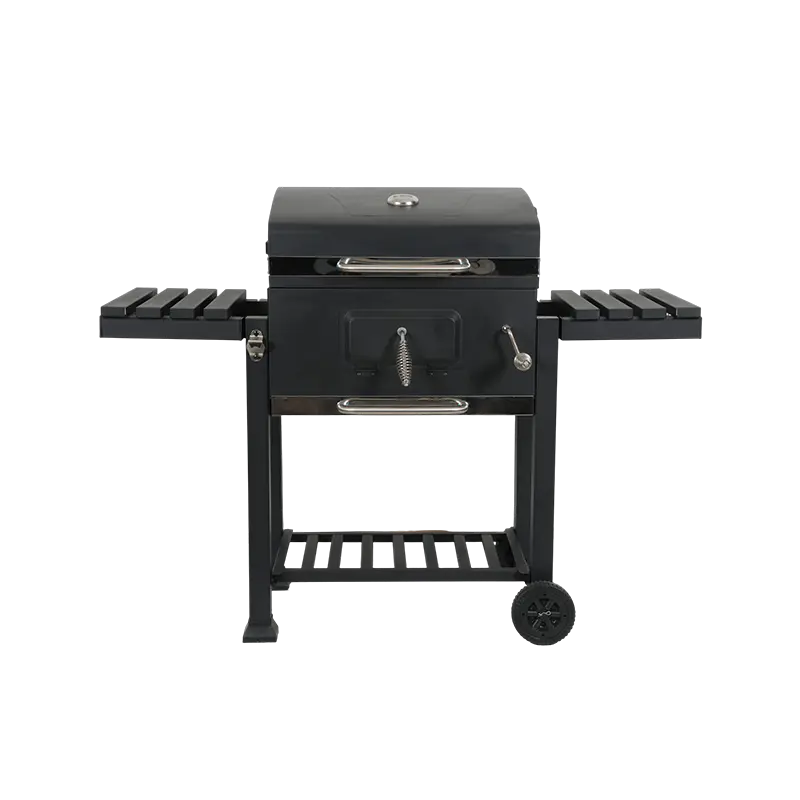 Garden Patio American Style Trolley Charcoal Smoker Grill Square Furnace
 -
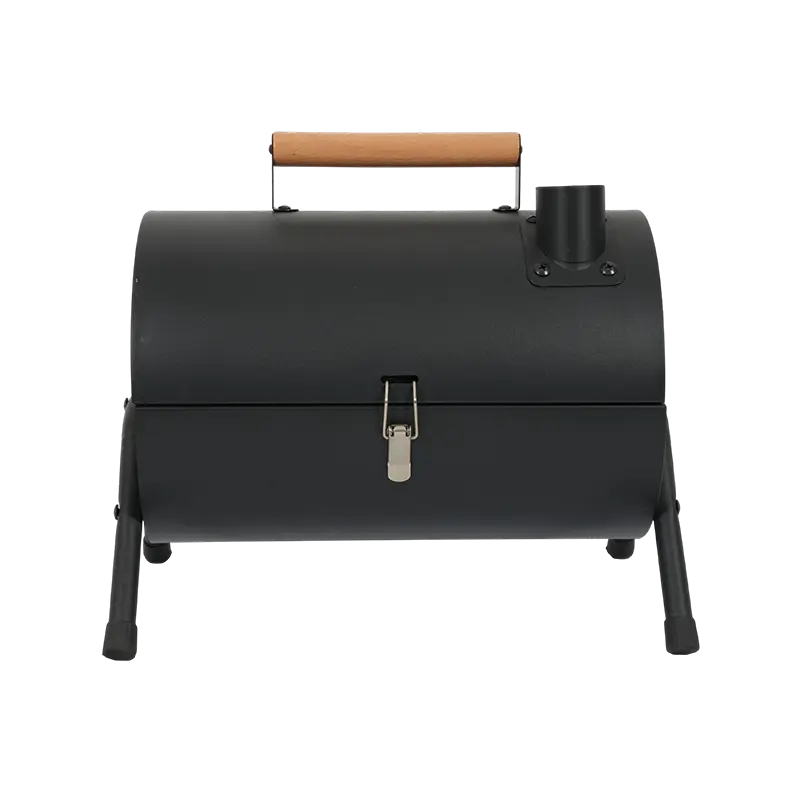 Tabletop Portable Double Sided Charcoal BBQ Grill Roaster
This compact and portable charcoal grill is designed for outdoor barbecue enthusiasts, easily handli...
-
 Multifunctional Campfire Tea Cooking Outdoor Portable Charcoal Grill
Scene Adaptability: Designed for outdoor enthusiasts, suitable for camping, picnics, caravan parties...
-
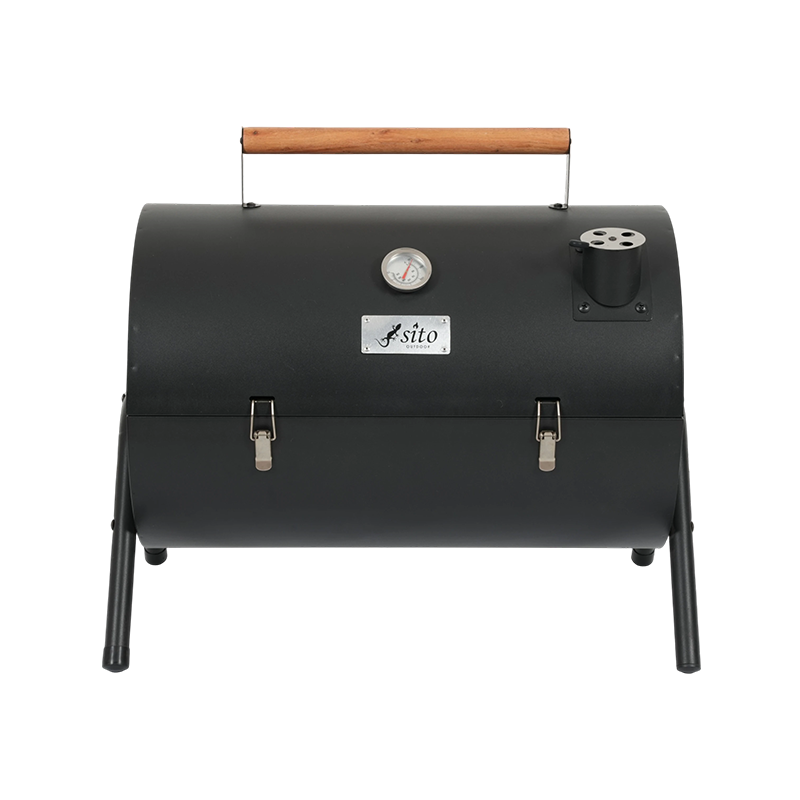 Wooden Handle Portable Tabletop Charcoal Roaster Grill
This portable grill is designed for outdoor barbecue enthusiasts and is perfect for camping trips, p...
-
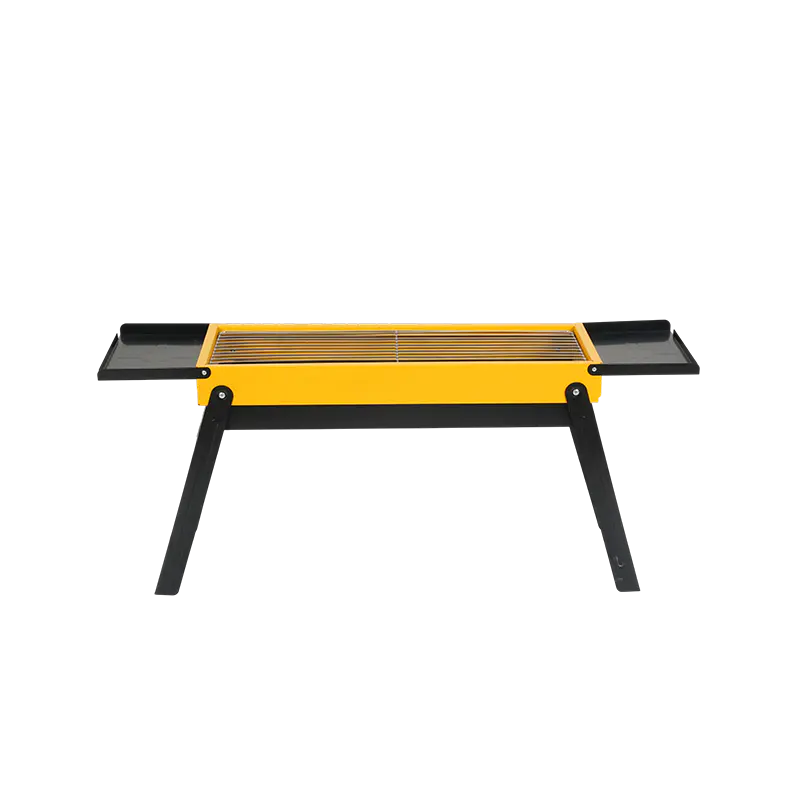 Portable Folding Outdoor Camping Charcoal Barbecue Grill
This portable, foldable outdoor camping charcoal grill is compact yet powerful, making it a great ch...
-
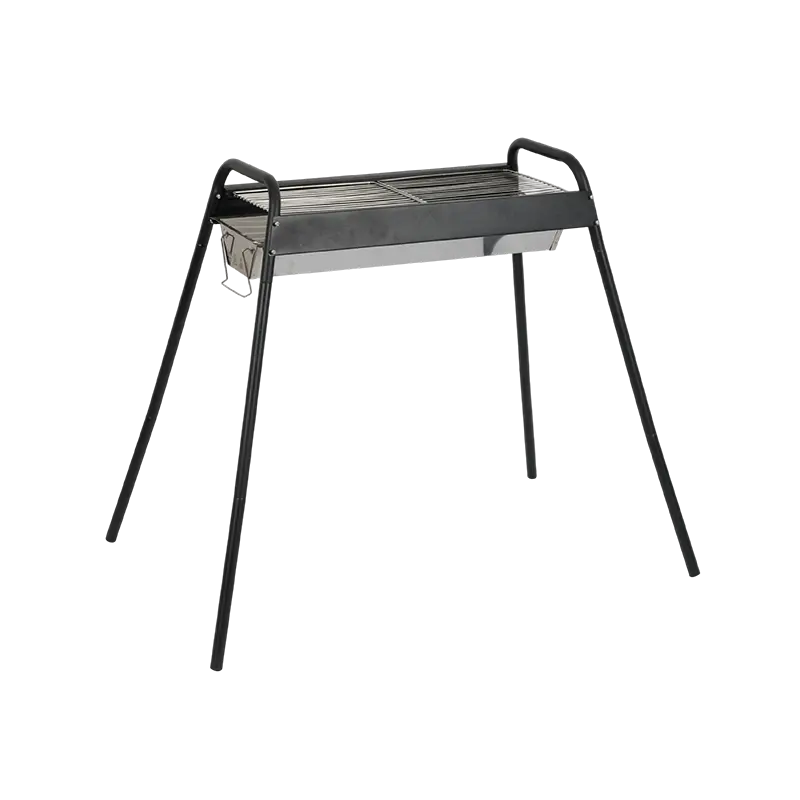 Outdoor Garden Portable Folding Charcoal Barbecue Grill
This portable, folding charcoal grill, designed specifically for outdoor BBQ enthusiasts, is perfect...

We are committed to integrity and quality, and we serve our customers with our professional oven manufacturing knowledge.
Phone: +86-13735628111
E-mail: [email protected]
Add: No.17 Ying Bin Road, Qing Xi Industry Zone, Xiang Zhu Town, Yongkang city,Zhenjiang province, China
Copyright © Yongkang Tongde Industry & Trade Co., Ltd. Rights
Reserved.

Outdoor BBQ Grill Manufacturer