
 English
  عربى
عربى  Español
This American-style trolley-mounted charcoal grill is designed for garden and patio barbecue enthusi...

How Does Folding BBQ Trolley Improve Outdoor Mobility Use
Author: Admin
Date: Sep 04,2026
Outdoor cooking rarely takes place in exactly the same spot. A garden may have an open area for cooking, a shaded corner for serving, or a narrow place where equipment needs to be stored after use. Moving a cooking station between such spaces can become inconvenient when its structure stays fixed.
A Folding BBQ Trolley changes the way movement fits into outdoor cooking. Wheels provide a practical route for repositioning, while a folding structure can reduce the space needed when the unit is not being used. Rather than treating cooking, movement, and storage as separate tasks, the design brings them into one simple process.
Mobility also matters when the ground layout changes. Furniture may need to be moved, guests may gather in another area, or a patio may need to serve another purpose. A movable trolley allows the cooking area to follow the available space instead of remaining tied to one position.
Movement still needs care. Before pushing or pulling a trolley, loose items should be removed or secured, and the path ahead should be checked. A clear route makes repositioning easier and reduces the chance of contact with walls, furniture, plants, or other outdoor objects.
Why Does a Folding Structure Matter for Outdoor Movement
Folding does more than reduce the size of a cooking trolley. It changes how the equipment can be handled before and after outdoor use. When a side table or working section folds inward, less open space is required around the unit during storage.
Outdoor areas often serve several purposes, so permanent equipment can become an obstacle when cooking is finished. A folding structure allows part of the trolley to move closer to its main frame, making it easier to place against a wall or inside a storage area.
The folding process should remain straightforward. A practical arrangement allows the user to prepare the trolley for movement without having to remove many separate components. Once folded, handles and wheels can continue to support repositioning, depending on the structure.
Several points deserve attention during folding:
- Check that working surfaces are clear.
- Make sure movable sections have enough space to close.
- Keep hands away from closing joints.
- Confirm that the folded structure stays in place during storage.
A compact form can also help during transport around a property. Narrow paths, doorways, and storage corners may offer limited room, so reducing the outward dimensions of the trolley can make route planning easier.
How Do Wheels And Handles Support Easier Movement
Wheels carry much of the work during repositioning, while a handle gives the user a clear point for pushing or pulling. Together, both parts influence how easily a Garden Trolley BBQ can move across an outdoor area.
Wheel arrangement matters because outdoor surfaces are rarely identical. Smooth paving allows a different movement pattern from grass or a slightly uneven patio. Wheel position also affects how the trolley turns, especially when a change of direction is needed near furniture or a wall.
A handle provides control over that movement. Holding the trolley from a suitable position keeps the force closer to its frame and makes direction changes easier to manage. A poorly chosen route can still create difficulty, so movement should remain slow enough to respond to changes in the ground.
Stopping is equally important. Once the trolley reaches the cooking area, its position needs to remain stable. Some designs use wheel locks or fixed support points for that purpose. A stable resting position creates a clear separation between moving the unit and using it for cooking. Current outdoor trolley designs commonly combine wheels with a handle and some form of stopping mechanism.
How Does a Garden Trolley BBQ Adapt to Different Outdoor Spaces
A Garden Trolley BBQ may be used beside a garden table, on a patio, near an outdoor kitchen area, or in a more open yard. Each setting creates a different movement pattern, so flexibility becomes useful.
A narrow patio may require the trolley to remain close to a wall when it is not being used. In a larger garden, movement may involve a longer route across different surfaces. A compact courtyard can present another challenge because furniture and planting areas may leave only a limited passage.
Foldable sections help adjust the footprint according to the situation. During cooking, a side surface can provide room for preparation. Afterward, folding that section inward can make the unit easier to place beside other equipment.
Space planning also involves the position of people. A cooking area needs enough room for someone to work without blocking a walking route. Moving the trolley slightly can create a more comfortable arrangement without changing the rest of the outdoor setup.
Before choosing a position, it is useful to consider:
- Where food will be prepared
- Where people will move around the cooking area
- How the trolley will reach its storage place
- Whether the ground changes along the route
Thinking about the full route makes mobility more practical than focusing only on wheel movement.
What Makes Folding BBQ Trolley Easier to Store
Storage is one of the clearest reasons to combine folding with mobility. Outdoor cooking equipment may spend much of its time outside active use, so the space occupied during storage matters. A folding trolley can reduce its footprint by bringing movable sections closer to the main frame.
A suitable storage location should protect the equipment from unnecessary contact, standing moisture, and clutter. A covered area may also make routine cleaning easier because less dust and debris reach the cooking surfaces.
Before storing the trolley, loose accessories should be removed and surfaces should be cleaned according to the care instructions for the materials. Folding parts should be checked for dirt that could interfere with movement during the next setup.
A simple storage routine can include:
- Clear the working surfaces.
- Clean areas that collected food or dirt.
- Check wheels and movable sections.
- Fold the designated parts carefully.
- Place the trolley where it will not block regular movement.
Good storage planning supports the next use as well. When a trolley can be taken from its storage position, unfolded, and moved into place without rearranging a large area, outdoor cooking becomes easier to organize from one session to another.
How Does Folding Design Affect Outdoor Cooking Preparation
A movable cooking station needs to provide enough room for preparation once it reaches its working position. Folding parts can help change that space according to the task at hand. A side table, for example, may stay folded while the trolley is being moved, then open when ingredients, utensils, or serving items need a place to sit.
Keeping preparation space separate from the main cooking area can make outdoor work easier to arrange. Ingredients can be placed on one surface while cooking takes place nearby, reducing the need to move items back and forth. Once preparation is finished, folding the extra surface inward can make the trolley narrower again.
Movement and preparation also need to follow a sensible order. A useful routine may look like:
- Move the trolley to the chosen cooking area.
- Make sure it is stable before placing items on the work surface.
- Open the folding sections needed for preparation.
- Arrange food and tools within easy reach.
- Fold unused sections after cooking and cleaning.
Such an arrangement is useful when outdoor space changes during a gathering. A preparation area may need to remain open at one stage and clear a walking route later. Folding parts give the layout some flexibility without requiring the entire trolley to be moved.
How Can a Garden Trolley BBQ Handle Changing Ground Conditions
Outdoor ground conditions can change from one location to another. A paved patio provides a relatively even surface, while grass, gravel, or slightly uneven ground can make a trolley harder to guide. Wheel placement and ground contact therefore have a direct effect on movement.
Larger wheels can pass over small surface changes with less interruption than very small wheels, although wheel design alone cannot solve every ground condition. A route with deep gaps, loose stones, or steep changes in height may still require a different approach.
Handle position also influences control. A comfortable pushing point gives the user better control over direction, especially when the trolley needs to turn around garden furniture or pass through a narrow opening.
Once the trolley reaches its working position, movement should stop completely. Wheel locks, support feet, or another holding arrangement can help keep the unit from shifting during use. Current outdoor grill carts often combine wheels for repositioning with locking or fixed support points for stationary use.
Ground inspection before movement is simple and useful:
- Remove loose objects from the planned route.
- Watch for wet or slippery areas.
- Check narrow passages before pushing the trolley through.
- Avoid placing unnecessary weight on folding surfaces during movement.
A suitable route protects both the equipment and its surroundings. Moving slowly also gives the user more time to react when a wheel meets an uneven patch.
What Should Be Considered Before Moving a Folding BBQ Trolley
Moving a folding trolley requires a little preparation, especially when cooking accessories or other items are still nearby. A clear trolley is easier to control, while loose objects can fall when the unit passes over an uneven surface.
The folding sections should remain in a secure position during movement. A side panel that is only partly folded may swing outward and catch on furniture or a doorway. Checking movable sections before pushing helps avoid such problems.
Storage shelves deserve attention as well. Items placed underneath the main work surface can change how the trolley feels during movement, particularly when the path is uneven. Removing loose items before repositioning creates a cleaner and more predictable setup.
| Check Area | Practical Question | Purpose |
|---|---|---|
| Folding parts | Are all movable sections secured? | Prevents unexpected movement |
| Work surface | Is anything loose or unstable? | Reduces falling items |
| Wheels | Can they move freely? | Supports controlled repositioning |
| Route | Is the path clear? | Avoids unnecessary obstacles |
| Final position | Can the trolley stand securely? | Creates a stable cooking area |
Heat also needs to be considered. A cooking trolley should not be moved casually while hot surfaces or active cooking conditions remain present. Manufacturer instructions should always take priority for handling, cooling, and storage.
Once the trolley has cooled and loose items have been cleared, movement becomes a separate task rather than part of active cooking. Keeping those stages apart makes the process easier to manage.
How Does Regular Care Affect Folding And Mobility
Regular care has a direct connection with folding and movement. Dirt can collect around wheels, hinges, handles, and connection points during outdoor use. Without routine cleaning, moving parts may become harder to operate.
Wheel areas deserve occasional attention because grass, soil, food particles, and other debris can gather around them. A quick visual check after use can reveal material that may interfere with movement.
Folding joints also need to remain reasonably clean. When dirt builds up around a joint, opening or closing the section may require more force. Forcing a stiff part can place unnecessary pressure on the connection.
Moisture should receive attention as well. Outdoor storage exposes equipment to changing conditions, so allowing wet surfaces to dry before folding and storing can help reduce problems caused by trapped moisture.
A practical care routine can include:
- Wipe food residue from working surfaces after use.
- Remove visible dirt from wheels and folding joints.
- Check handles and connection points for looseness.
- Allow wet areas to dry before storage.
- Keep folded parts in their intended position.
Care does not need to become a complicated maintenance project. Small checks performed during normal cleaning can reveal changes in movement before they affect regular use.
How Does Folding BBQ Trolley Fit Flexible Outdoor Living
Outdoor cooking spaces often change according to the activity taking place around them. A garden may need open space for walking, a patio may be rearranged for a meal, and a storage corner may serve another purpose when cooking is finished. A movable trolley fits such changes more naturally than equipment that stays in one place.
Folding adds another layer of flexibility. During cooking, open work surfaces can provide room for preparation and serving. Once work is finished, folding those sections reduces the amount of space occupied by the equipment.
A Garden Trolley BBQ can therefore be viewed as part of a wider outdoor layout rather than as a cooking unit that remains in one fixed position. Wheels support movement, folding parts support space management, and storage arrangements complete the process.
A simple use pattern connects all three functions:
- Prepare → Move → Set Up → Cook → Clean → Fold → Store
Each stage has a different purpose. Moving works best with clear surfaces and an open route, while cooking requires a stable position and enough working space. Storage calls for a compact arrangement that does not interfere with other outdoor activities.
Folding BBQ Trolley design continues to develop around practical movement and changing outdoor spaces. Current products show a common interest in foldable work areas, wheels, handles, and storage features, reflecting the need to move cooking equipment without giving up useful preparation space.
For everyday outdoor use, the value of folding is closely connected with how the entire trolley is handled. A suitable structure should be easy to move when needed, stable once positioned, simple to fold after cleaning, and practical to store when outdoor cooking is over.
Contact Us Now
Related products
-
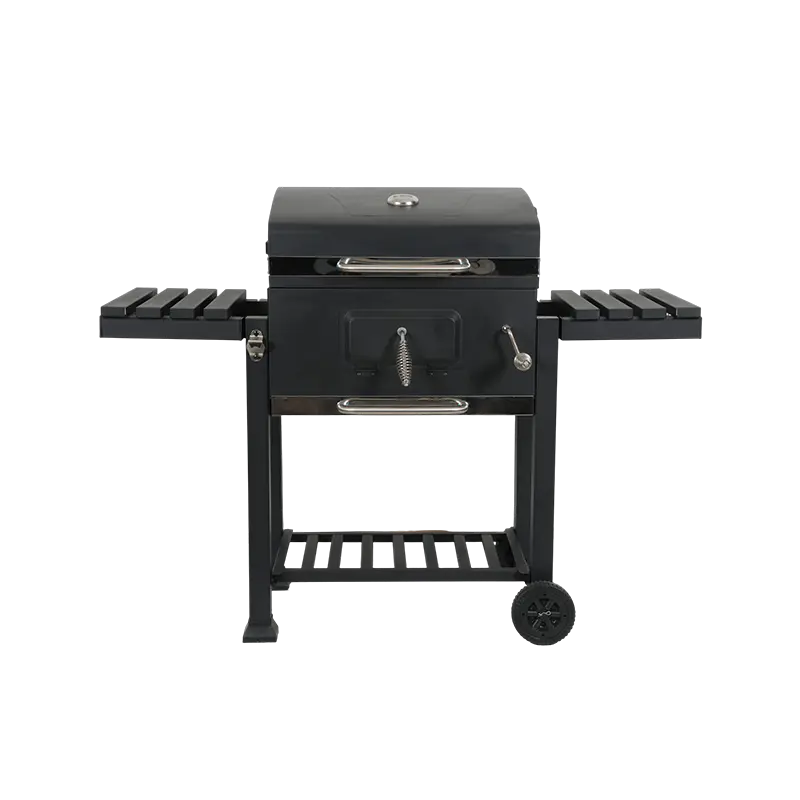 Garden Patio American Style Trolley Charcoal Smoker Grill Square Furnace
 -
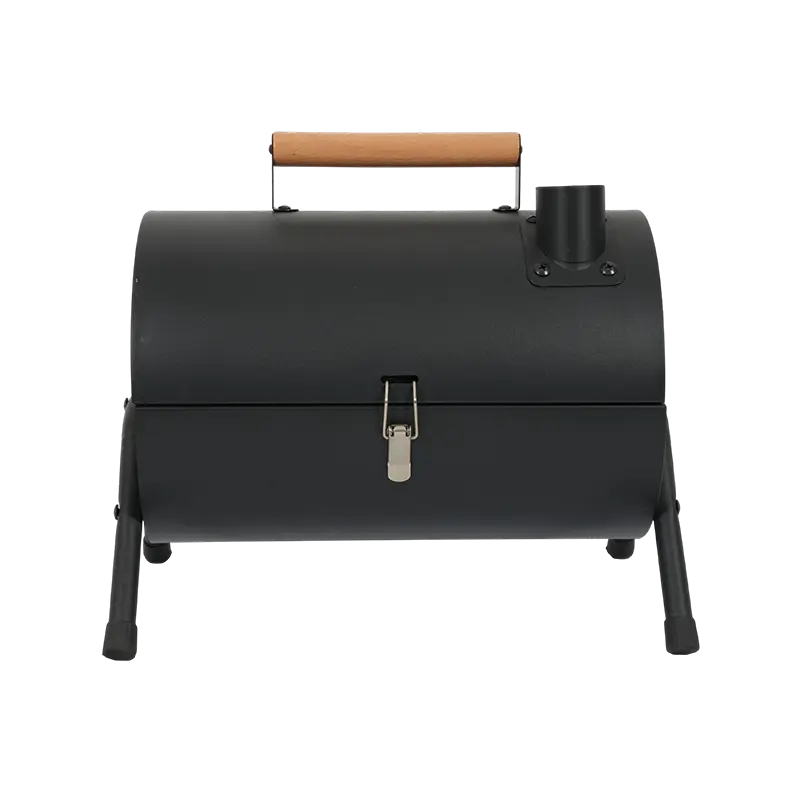 Tabletop Portable Double Sided Charcoal BBQ Grill Roaster
This compact and portable charcoal grill is designed for outdoor barbecue enthusiasts, easily handli...
-
 Multifunctional Campfire Tea Cooking Outdoor Portable Charcoal Grill
Scene Adaptability: Designed for outdoor enthusiasts, suitable for camping, picnics, caravan parties...
-
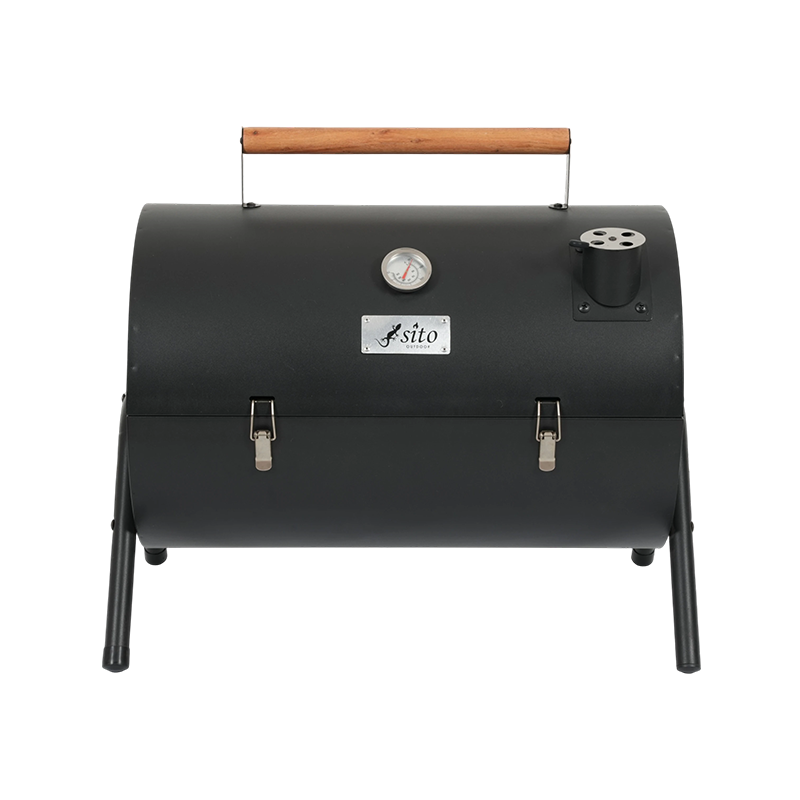 Wooden Handle Portable Tabletop Charcoal Roaster Grill
This portable grill is designed for outdoor barbecue enthusiasts and is perfect for camping trips, p...
-
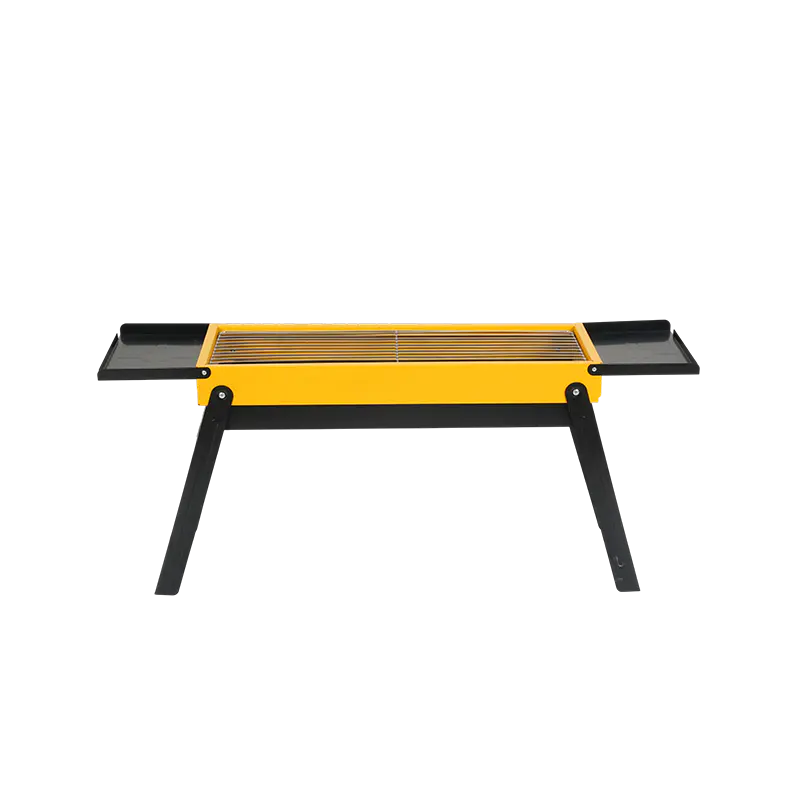 Portable Folding Outdoor Camping Charcoal Barbecue Grill
This portable, foldable outdoor camping charcoal grill is compact yet powerful, making it a great ch...
-
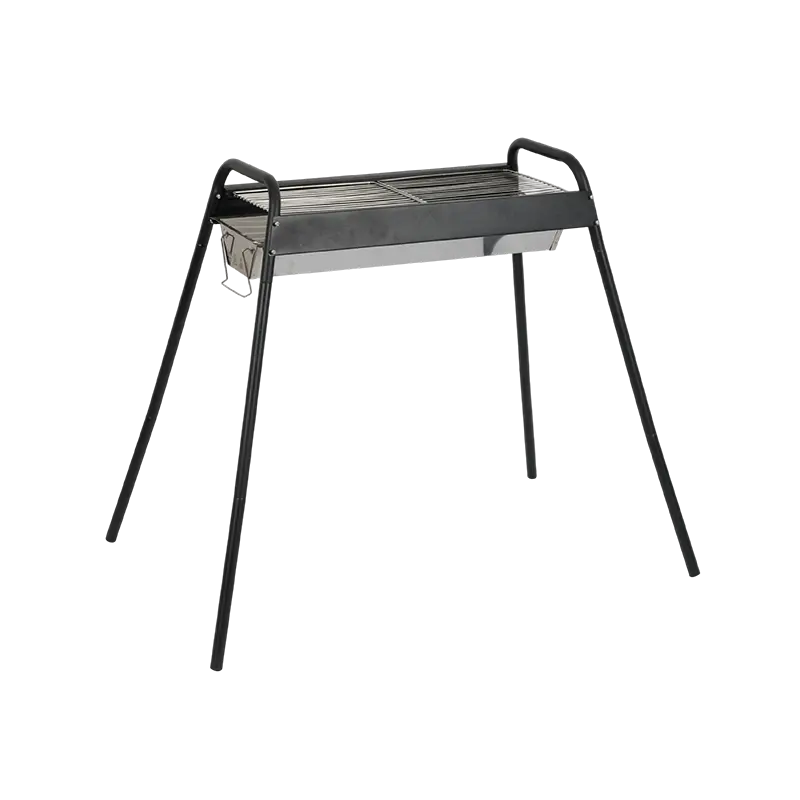 Outdoor Garden Portable Folding Charcoal Barbecue Grill
This portable, folding charcoal grill, designed specifically for outdoor BBQ enthusiasts, is perfect...

We are committed to integrity and quality, and we serve our customers with our professional oven manufacturing knowledge.
Phone: +86-13735628111
E-mail: [email protected]
Add: No.17 Ying Bin Road, Qing Xi Industry Zone, Xiang Zhu Town, Yongkang city,Zhenjiang province, China
Copyright © Yongkang Tongde Industry & Trade Co., Ltd. Rights
Reserved.

Outdoor BBQ Grill Manufacturer