
 English
  عربى
عربى  Español
This American-style trolley-mounted charcoal grill is designed for garden and patio barbecue enthusi...

Carbon Steel vs Cast Iron: Choosing the Right Body for a Charcoal Roaster Grill
Author: Admin
Date: Sep 11,2026
A grill body spends much of its working time dealing with changing heat. Charcoal burns in one area, food sits above it, and the metal around the fire gradually warms. Opening a lid lets heat escape, while adding fresh charcoal changes the conditions inside again. After cooking, the body cools and may remain exposed to grease, ash, moisture, and outdoor air.
Material affects how the body reacts to all of these conditions. Carbon steel and cast iron are commonly considered for a Charcoal Roaster Grill because both can form a solid cooking enclosure, although their behavior during heating and handling is not the same.
Body material also affects everyday handling. A grill used beside a kitchen may be moved for cleaning or storage. An outdoor grill that stays in one position has different needs. A heavy body may feel suitable for fixed placement, while a lighter construction can make carrying and repositioning easier.
Cleaning habits matter as well. Ash can collect around the bottom of the cooking area, and grease may remain near edges or joints. Leaving moisture on an exposed metal surface can create surface problems over time. Material selection therefore connects with maintenance rather than being only a question of heat.
Several parts of daily use are worth considering:
- How the grill is moved after cooking
- How often charcoal is added or rearranged
- Whether the grill stays indoors or outdoors
- How the body is cleaned and dried
- Whether cooking involves steady or changing heat
A grill body works as part of a complete structure. Lid shape, air openings, charcoal support, cooking grate position, and body thickness all influence the final cooking environment.
How Does Carbon Steel Behave in a Charcoal Roaster Grill?
Carbon steel is commonly formed from sheet metal. A body can be cut, bent, shaped, and joined into the required form, giving manufacturers flexibility when creating different grill layouts.
For everyday use, handling is one noticeable characteristic. A carbon steel body can be easier to move than a comparable heavy cast structure, depending on its construction. Such a difference becomes practical when a grill needs to be taken outside, moved away after cooking, or turned around during cleaning.
Heat response also affects cooking. A relatively thin carbon steel wall can warm and cool along with changes inside the grill. When charcoal is moved closer to one side, heat around that area changes and the metal responds to the new condition.
Consider a small outdoor cooking session. Charcoal may be spread across the bottom for one type of food, then moved toward one side to create a cooler area. Opening the lid releases some heat, and closing it allows the inside temperature to build again. A carbon steel body can follow those changes without holding as much heat within the metal as a heavier cast structure.
Such behavior can be useful where cooking conditions change during a meal. It also means that the body itself provides less stored heat after the fire begins to weaken.
Surface care deserves attention. Carbon steel can react to moisture, especially when ash or grease remains on the surface. Cleaning should normally be followed by drying rather than leaving the grill wet until the next use.
A practical care routine may include:
- Emptying cooled ash from the bottom
- Removing grease from areas where residue collects
- Wiping moisture from exposed surfaces
- Checking scratches and damaged areas
- Storing the grill in a dry location when possible
Carbon steel construction also allows different body shapes and panel arrangements. For grills where handling and changing cooking conditions matter, those characteristics can be useful parts of the overall design.
What Makes Cast Iron Different for Charcoal Cooking?
Cast iron starts from molten metal that is formed inside a mold. Such a process allows thick and solid shapes to be produced, giving cast components a noticeably different feel from sheet-metal construction.
Weight is often the first practical difference noticed during handling. A cast iron grill body can require more effort to move, especially after cooking when the entire structure is still warm. Fixed outdoor cooking areas can make this less of a concern because the grill does not need to be carried regularly.
Heat behavior is another difference. Cast iron can absorb heat into its body and release it gradually. When charcoal burns strongly beneath one area, heat does not remain only at the immediate surface. Part of it moves into the surrounding metal.
For cooking, such behavior can create a steadier feeling once the body has become hot. Opening the lid or reducing the charcoal does not cause the cast structure to change temperature as quickly as a lighter sheet-metal body. A cooking process involving gradual heat changes may therefore feel different.
An example can be seen when food is cooked in stages. Charcoal may provide strong heat during the early part of cooking, followed by a period with less active charcoal. A cast iron body can continue releasing stored heat during the later stage. Actual cooking conditions still depend on charcoal position, air openings, lid use, and food placement.
Care around moisture is important for cast iron as well. Water left after cleaning can encourage rust on exposed areas. Rough handling also needs attention because a cast structure does not bend as readily as a sheet-metal panel.
Cast iron can suit a grill that stays in a fixed cooking area and is handled less often. A portable setup may require greater attention to body weight and ease of movement.
How Do Carbon Steel and Cast Iron Handle Heat?
Heat behavior becomes easier to compare during ordinary cooking rather than through material descriptions alone.
Imagine charcoal arranged beneath one side of the cooking grate. Food placed directly above the fire receives stronger heat, while food farther away cooks under a different condition. Moving the charcoal changes the heat pattern again. Opening the lid creates another change.
Carbon steel generally reacts to such changes more readily. Heat can pass through the body as the internal condition changes, and cooling also happens relatively readily once the fire becomes weaker.
Cast iron tends to respond more slowly because more heat can remain within the solid body. Once heated, the metal continues affecting the cooking environment as it gradually gives heat back.
| Everyday Situation | Carbon Steel Body | Cast Iron Body |
| Charcoal position changes | Body responds more readily | Heat remains in the body longer |
| Lid is opened | Cooling response can be quicker | Stored heat continues to affect the body |
| Grill needs moving | Handling can be easier in lighter designs | Greater weight can affect movement |
| Cooking heat changes often | Suits a changing cooking routine | Suits a slower change in heat condition |
| Outdoor storage | Needs protection from moisture | Needs careful drying and rust prevention |
Material thickness changes the way both materials behave, so two grills made from the same metal can still feel different during cooking.
Which Material Handles Repeated Heating and Cooling?
A charcoal grill rarely stays at one heat condition from start to finish. Charcoal may burn strongly during cooking, then gradually weaken after the vents are adjusted or the fuel has been spread out. Once cooking ends, the body cools down in open air.
Repeated heating and cooling place physical stress on metal. Carbon steel and cast iron respond differently because their structures and thicknesses are different.
Carbon steel can adjust to temperature changes relatively quickly. Sheet construction also allows some flexibility in body design, which can be useful around joints and formed panels. Scratches, exposed edges, and areas where grease collects still need regular care, especially when the grill is used outdoors.
Cast iron changes temperature more slowly and holds heat within its heavier structure for a longer period. Such behavior can be useful during cooking, although sudden changes in temperature need careful handling. A hot cast component coming into contact with cold water can create a sharp temperature change across the material.
Cleaning practice therefore matters for both materials. A grill should normally cool before ash and food residue are removed. Water can be used as part of cleaning where the construction allows it, while leaving wet surfaces without drying can create problems for exposed metal.
Storage creates another difference in daily care. Outdoor moisture, rain, condensation, and damp ground can all affect an uncovered grill. A cover can reduce direct exposure, while a dry storage area helps limit moisture around the body and connected parts.
How Does Material Choice Affect Grill Handling?
Handling starts before cooking. A grill may need to be carried from storage, placed on a stand, moved closer to a cooking area, or repositioned during cleaning. Body material contributes to how easy those tasks feel.
Carbon steel often allows a body to be constructed from shaped panels, so designers can adjust the form around handles, legs, lids, and other parts. Such construction can suit grills that need occasional movement.
Cast iron creates a different handling experience because a cast body can be heavy and rigid. A grill made with substantial cast components may work well in a fixed outdoor space where movement is limited. Moving a warm grill requires additional care because heat remains in the body after the charcoal becomes less active.
Portability is only one part of the decision. Stability during cooking matters as well. A grill that stays in one place needs a supporting frame capable of carrying the body and cooking load. A lighter structure may need careful support around the legs and base so that normal movement during cooking does not disturb the setup.
Cleaning access should also be considered. Narrow corners, deep charcoal areas, and fixed internal parts can collect ash and grease. Body material cannot compensate for an inconvenient layout, so access to the cooking chamber and ash area is worth considering during design.
What Should an Expert Grill Manufacturer Consider?
For an Expert Grill Manufacturer, material selection is closely connected with body construction. Carbon steel and cast iron require different manufacturing approaches, so the surrounding design needs to match the chosen material.
Carbon steel bodies can be formed from panels and joined into a larger structure. Joint locations need suitable placement because heat, grease, and repeated cleaning can all affect exposed areas. Edges and corners also need enough consistency during production so that lids, grates, trays, and other parts fit the body properly.
Cast iron follows a casting process, where molten material fills a prepared mold. The shape of the mold influences the final body, including wall form, corners, openings, and connection areas. After forming, surfaces may need additional treatment so that related components can be installed correctly.
Manufacturing checks can focus on practical areas such as:
- Whether body sections fit together correctly
- Whether lids sit evenly against the body
- Whether cooking supports remain in the intended position
- Whether ventilation openings match the design
- Whether handles and supporting parts are securely connected
- Whether exposed surfaces are ready for cleaning and storage
Heat also needs to be considered during assembly. A handle, lid, grate support, or charcoal tray does not experience exactly the same conditions as the outer body. Different materials may be used across one grill, making the connection between parts important.
An Expert Grill Manufacturer therefore needs to consider the complete cooking structure during material selection. Carbon steel may suit one body arrangement, while cast iron may fit another. Manufacturing choices need to follow the intended use rather than treating material as an isolated feature.
How Should Carbon Steel and Cast Iron Be Chosen?
Choosing between carbon steel and cast iron starts with the cooking routine rather than a simple material preference.
A grill that needs regular movement may benefit from a body design that keeps handling manageable. Carbon steel can be useful in such situations, particularly when the body uses formed panels and practical handles.
A grill intended to stay in one outdoor cooking area can accommodate a heavier structure more easily. Cast iron may suit such an arrangement where gradual heat changes and heat stored in the body form part of the cooking experience.
Maintenance conditions also affect the choice. Both materials need protection from unnecessary moisture, although the care process can differ according to surface treatment and construction.
| Cooking Situation | Material Consideration | Related Design Point |
| Regular grill movement | Carbon steel may simplify handling | Handle and frame arrangement |
| Fixed outdoor placement | Cast iron can suit a heavier structure | Stable base and support |
| Frequent heat changes | Carbon steel responds readily | Air opening and lid design |
| Longer heat retention | Cast iron stores heat within the body | Body thickness and cooking chamber |
| Damp storage conditions | Careful surface protection is needed | Cover and drainage arrangement |
Cooking habits can also change the choice. A household that moves the grill after each meal may place more attention on weight and cleaning access. A fixed cooking area may give greater attention to heat behavior and body stability.
Neither material works independently from the rest of the grill. A suitable body needs to match the charcoal area, cooking grate, lid, vents, support frame, and expected handling routine.
Why Does the Whole Grill Design Matter Alongside Material?
Material provides one part of the cooking behavior. Body shape determines how the charcoal area is enclosed, while ventilation controls how air reaches the fire. Lid design affects heat movement, and cooking grate position changes the distance between food and charcoal.
A carbon steel body with poor ventilation can still create uneven cooking conditions. A cast iron body with an inconvenient charcoal layout can also make cooking harder to manage. Material cannot correct a structural arrangement that does not suit the intended use.
Consider a grill with charcoal concentrated beneath one side. Food placed directly above that area receives stronger heat, while food placed farther away experiences a different condition. A suitable body shape can help separate cooking areas, while air openings can help control the fire.
Cleaning access forms another part of the design. Ash needs to leave the cooking chamber without requiring excessive disassembly. Grease needs to be removed from areas around the cooking surface and lower body. Handles should remain usable during ordinary handling, and supporting legs need to keep the structure steady on the intended surface.
For a Charcoal Roaster Grill, carbon steel and cast iron each bring different characteristics to the body. Carbon steel can offer a responsive structure with flexible forming options, while cast iron can provide a heavier body that stores heat for longer. Actual suitability comes from how the material works with the complete grill structure and the cooking routine.
An Expert Grill Manufacturer working on body design therefore needs to look at material, shape, airflow, cooking position, handling, cleaning, and storage as connected parts of one system.
Contact Us Now
Related products
-
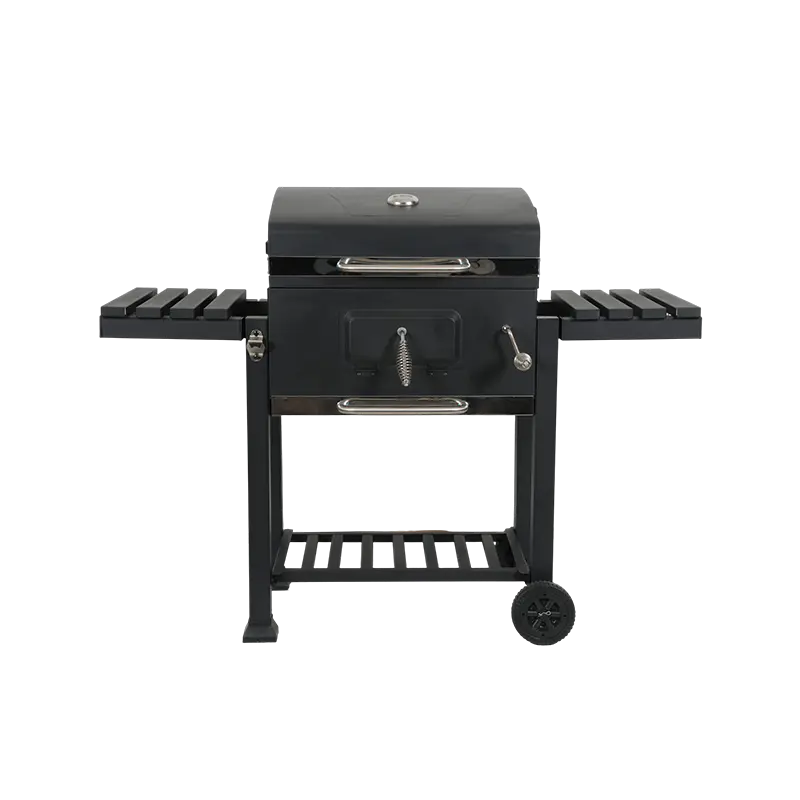 Garden Patio American Style Trolley Charcoal Smoker Grill Square Furnace
 -
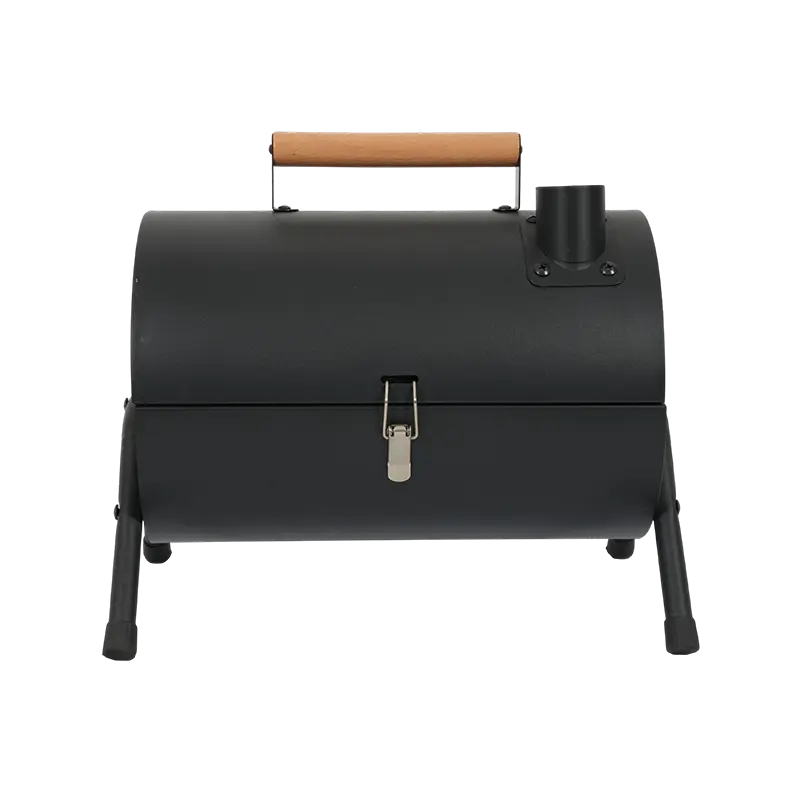 Tabletop Portable Double Sided Charcoal BBQ Grill Roaster
This compact and portable charcoal grill is designed for outdoor barbecue enthusiasts, easily handli...
-
 Multifunctional Campfire Tea Cooking Outdoor Portable Charcoal Grill
Scene Adaptability: Designed for outdoor enthusiasts, suitable for camping, picnics, caravan parties...
-
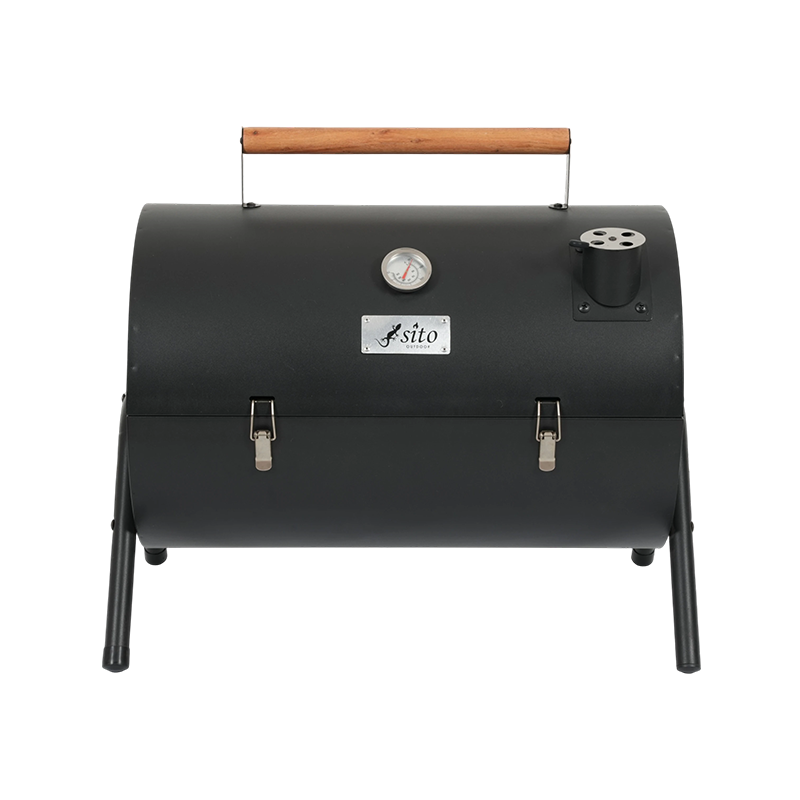 Wooden Handle Portable Tabletop Charcoal Roaster Grill
This portable grill is designed for outdoor barbecue enthusiasts and is perfect for camping trips, p...
-
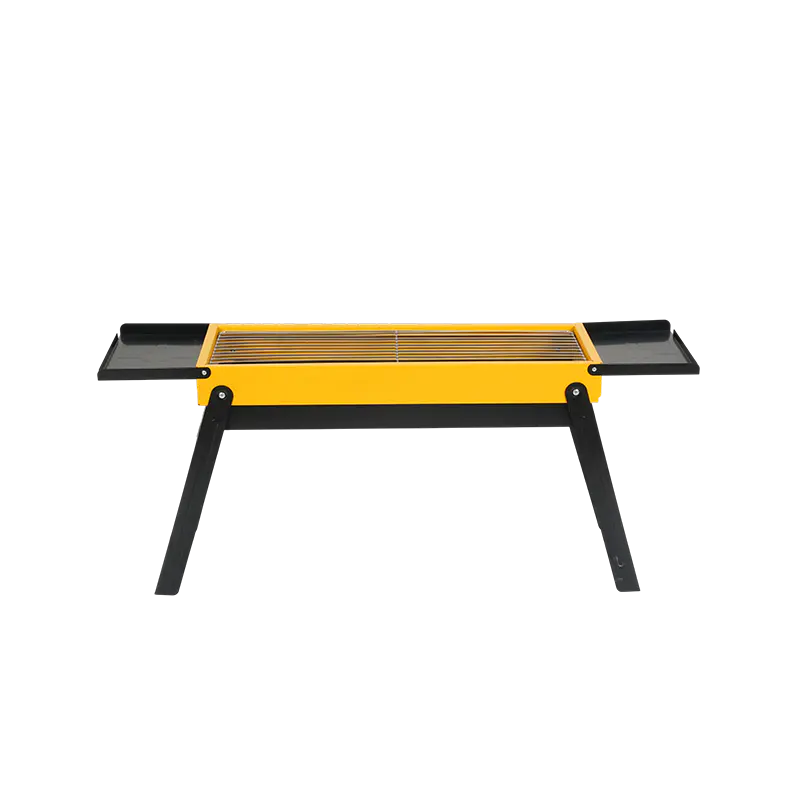 Portable Folding Outdoor Camping Charcoal Barbecue Grill
This portable, foldable outdoor camping charcoal grill is compact yet powerful, making it a great ch...
-
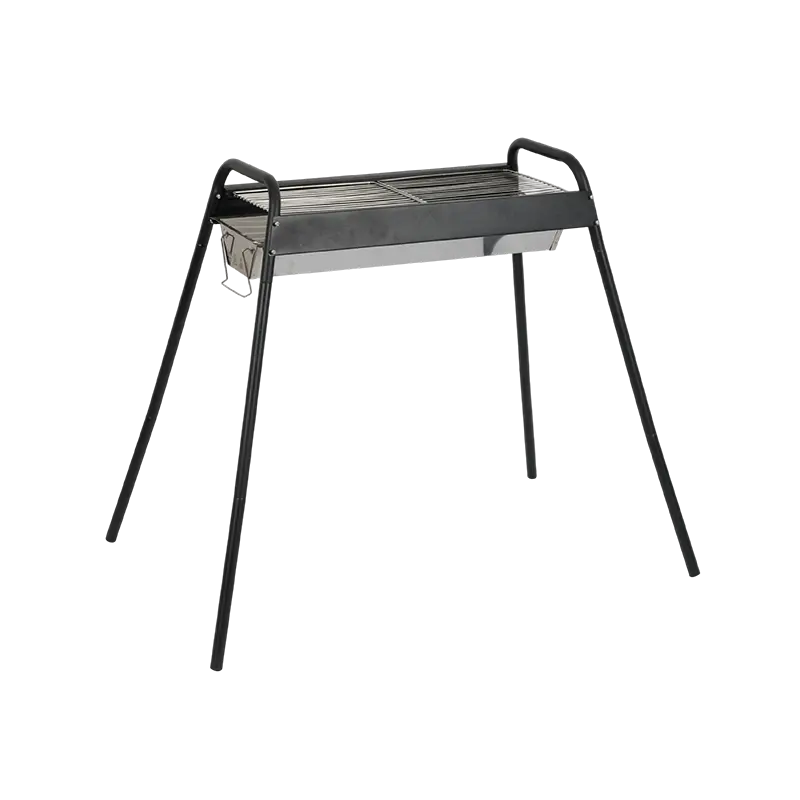 Outdoor Garden Portable Folding Charcoal Barbecue Grill
This portable, folding charcoal grill, designed specifically for outdoor BBQ enthusiasts, is perfect...

We are committed to integrity and quality, and we serve our customers with our professional oven manufacturing knowledge.
Phone: +86-13735628111
E-mail: [email protected]
Add: No.17 Ying Bin Road, Qing Xi Industry Zone, Xiang Zhu Town, Yongkang city,Zhenjiang province, China
Copyright © Yongkang Tongde Industry & Trade Co., Ltd. Rights
Reserved.

Outdoor BBQ Grill Manufacturer