
 English
  عربى
عربى  Español
This American-style trolley-mounted charcoal grill is designed for garden and patio barbecue enthusi...

Why Does Folding Structure Matter In Outdoor Trolley For BBQ
Author: Admin
Date: Sep 18,2026
Outdoor cooking equipment often moves between different places. It may be used on a patio, taken to a garden area, or moved closer to a serving space before being returned to storage. After cooking, however, the equipment needs to fit into a suitable storage area without creating unnecessary obstacles.
A trolley structure can affect this process in several ways. Its frame, shelves, handle, wheels, and cooking area all take up space when the unit is ready for use. A folding structure changes the position of some of these parts, allowing the overall shape to become more compact during storage.
The purpose of folding is therefore not limited to reducing the visible size of a trolley. It also influences how the equipment is moved, where it can be placed, and how easily the structure can be prepared for the next use.
Why Does Folding Structure Matter in Outdoor BBQ Storage
An outdoor cooking trolley needs enough space when it is being used. Side shelves may hold food or utensils, while lower sections can provide room for supplies. A handle and wheel arrangement also need to remain accessible during movement.
Storage creates a different requirement. Shelves that are useful during cooking can become unnecessary when the equipment is not in use. A folding structure allows selected components to move closer to the main frame instead of remaining extended.
An Outdoor Trolley For BBQ can therefore have two different physical arrangements: an open configuration for cooking and a more compact configuration for storage. The transition between them needs to be straightforward without making the frame difficult to handle.
Several parts can influence how well the folded structure fits into a storage area:
- Position of the side shelves
- Shape of the main frame
- Handle arrangement
- Wheel position
- Connection between folding components
- Space needed to open and close the structure
A practical folding arrangement should also avoid creating unnecessary pressure between parts. Shelves, handles, and supports need enough clearance to move into their storage positions without interfering with nearby components.
Once the folded shape is considered, the next question is how much the overall arrangement changes when the trolley moves from cooking mode to storage mode.
How Does an Outdoor Trolley For BBQ Change After Folding
A folding trolley does not simply become smaller. Different components move relative to the main frame, changing the way the equipment occupies space.
Side shelves provide a useful example. When extended, they create additional working space beside the cooking area. When folded, they can rest closer to the frame. The same principle can apply to handles or support sections, depending on the structure.
The movement of each part needs to work with the others. A shelf that folds inward may need enough clearance from the cooking area, frame, and other supports. A handle may also need to remain accessible after the unit has been folded so that the trolley can still be repositioned.
| Folding Element | Storage Consideration |
|---|---|
| Side Shelf | Needs space to fold toward the main frame |
| Handle | Should remain easy to grip when repositioning the unit |
| Support Section | Needs controlled movement during folding |
| Wheels | Affect how the folded trolley can be moved |
| Frame | Provides the main shape for compact storage |
The way these components move also affects the process of opening the trolley again. A structure that folds neatly but requires several awkward movements may not suit regular storage.
For outdoor equipment, the transition between use and storage can happen frequently. A folding design therefore needs to consider both positions rather than focusing only on the compact form.
Which Parts of a Folding BBQ Trolley Need Flexible Design
A Folding BBQ Trolley relies on several moving connections. The side shelves, handles, support sections, and frame joints may all need to change position during folding.
Side shelves are often designed to extend outward during cooking and move inward for storage. Their connection points need to allow this movement while keeping the shelf supported when it is open.
Handles present a similar consideration. During movement, the handle needs to provide a practical grip. During storage, it may need to move closer to the frame so that it does not create unnecessary obstruction.
Support structures also require attention. A support that folds too freely may not provide enough stability when open, while a connection that is difficult to move can make storage inconvenient.
The design needs to balance movement and support. Useful considerations include:
- Smooth movement at folding joints
- Adequate clearance between moving parts
- Stable positioning when components are opened
- Secure positioning after folding
- Accessible areas for cleaning and inspection
The connections should also remain suitable after repeated opening and closing. Outdoor cooking can expose the equipment to food residue, dust, moisture, and other contaminants. Keeping folding areas accessible for routine cleaning can make ongoing storage easier to manage.
The structure of the folding parts naturally connects with the space available around the equipment. A compact folded form has practical value only when it can be placed and moved within the intended storage environment.
How Can Folding Structure Support Easier Outdoor Storage
Storage conditions vary from one outdoor area to another. A patio may have limited floor space, while a garage or shed may contain gardening tools, furniture, and other equipment. A folded trolley can provide more flexibility when the available space changes.
An Outdoor Trolley For BBQ with a folding structure can be positioned closer to a wall or stored alongside other equipment when its shelves and supports are brought inward. The available floor area can then be used more efficiently without keeping the working configuration open.
Storage planning should still consider the folded shape. The trolley needs enough room to be moved into position without striking nearby objects. The wheels and handle should also remain accessible when the unit needs to be taken out again.
A suitable storage location can take several conditions into account:
- Protection from unnecessary moisture
- A reasonably level surface
- Enough room for movement
- Distance from items that could damage the frame
- Easy access for cleaning and inspection
The folding mechanism itself should be checked before storage. Food residue, dirt, or moisture around a moving connection may affect later movement. Cleaning the relevant areas and allowing suitable parts to dry can help maintain the condition of the structure.
Storage is therefore connected with more than the folded dimensions of a trolley. The way the structure moves, rests, and is retrieved also influences whether the folding arrangement remains practical over repeated use.
Why Does Frame Stability Matter After Folding and Unfolding
A folding structure needs to work in two different positions. When the trolley is open, the frame and supporting parts need to stay in place during cooking and movement. When it is folded, the same components need to remain close together without moving unexpectedly.
Connections between folding parts have a direct effect on this change. A loose connection may allow unwanted movement, while a connection that is too difficult to operate can make regular folding inconvenient. The frame therefore needs to provide controlled movement while keeping the opened structure properly supported.
The condition of the folding points can also change with regular use. Dirt, grease, moisture, and small particles may collect around areas where parts move against each other. Routine inspection can help identify changes before they affect the way the structure opens or closes.
Several areas deserve attention during a basic check:
- Folding joints should move without unusual resistance.
- Support sections should stay in their intended position after opening.
- Shelves should remain properly supported during use.
- Locking parts should engage without forcing them.
- Connections should not show obvious looseness or physical damage.
A stable frame also makes storage easier. When the structure folds into its intended position, components are less likely to shift while the trolley is being moved or placed against a storage surface.
How Does Portability Affect BBQ Trolley Storage
Folding and portability are closely related because outdoor cooking equipment often needs to move before and after use. A trolley may travel across a patio, between different parts of a garden, or from an outdoor area into a storage space.
Wheels make movement possible, while the handle provides a point for controlling direction. Folding changes how these parts relate to the frame once cooking has finished. A compact arrangement can make it easier to guide the unit through a narrow passage or position it beside other stored equipment.
The relationship between the wheels and frame is worth considering as well. Wheels remain useful when the trolley is being moved, while the folded structure needs to remain balanced during handling. A folding part should not create an awkward shift that makes the equipment difficult to control.
For regular storage, a practical sequence can be kept simple:
- Remove loose cooking items and stored accessories.
- Clean areas that may contain food residue or dirt.
- Check that moving parts are clear.
- Fold the shelves, supports, or handle according to their intended movement.
- Move the folded unit to its storage position.
- Check that it remains stable after being placed.
An Outdoor Trolley For BBQ may be used in several environments, so storage arrangements cannot always be separated from portability. A structure that is easy to fold can also influence how the equipment passes through doors, around furniture, or into a designated storage area.
What Should Be Considered When Storing a Folding BBQ Trolley Outdoors
Outdoor storage introduces conditions that are different from an enclosed room. Moisture can remain on surfaces after rain or cleaning, while dust and dirt can settle around joints and supports. Sunlight and changes in temperature can also affect the condition of materials over time.
A Folding BBQ Trolley needs particular attention around areas that move. Folding joints, supports, handles, and connection points can collect unwanted material because their surfaces and gaps change position during operation.
The ground beneath the trolley also matters. An uneven surface can place the frame in a different position from a level storage area. Wheels may shift, and the folded structure may not rest as expected.
Before leaving the equipment outdoors, it is useful to consider:
- Whether exposed surfaces are clean and dry
- Whether folding connections contain dirt or residue
- Whether the storage position is stable
- Whether water can collect around lower sections
- Whether nearby objects may interfere with movement
- Whether a suitable cover or sheltered location is available
Cleaning should be matched to the materials and finish used on the equipment. Harsh treatment is not always necessary. Removing residue with an appropriate cleaning method and allowing damp areas to dry can reduce unwanted buildup around moving components.
Outdoor storage also makes access important. A trolley placed in a crowded corner may be protected from some weather conditions but difficult to retrieve. Enough clearance should remain around the folded structure for inspection and movement.
How Should Folding Structure Be Designed for Regular Storage
Regular storage places repeated demands on the relationship between folding movement, frame support, and available space. A folding structure needs to function when opened for cooking and remain manageable when returned to its stored position.
The design process can therefore consider the complete movement rather than treating folding as a separate feature. Side shelves, handles, supports, and wheels should have positions that work together throughout the change from open to folded form.
Storage also influences material and surface choices around moving areas. Parts exposed to outdoor conditions need to remain suitable for their intended use, while surfaces around joints should be accessible for cleaning and inspection.
A practical design approach can bring several considerations together:
- Movement: Folding parts should have a clear path.
- Support: Open components should remain properly positioned.
- Storage: Folded parts should stay within the intended frame area.
- Portability: Wheels and handles should remain practical during movement.
- Maintenance: Folding points should be accessible for routine checks.
- Outdoor conditions: Exposed components should suit the expected storage environment.
For an Outdoor Trolley For BBQ, these factors connect the cooking position with the storage position. Folding does not simply change the appearance of the equipment. It changes how the frame occupies space, how the unit can be moved, and how its components interact after cooking has finished.
A well-considered folding arrangement can therefore make storage part of the overall structural design rather than an afterthought. The practical value comes from how naturally the equipment moves between cooking, transport, cleaning, and storage, with each position supporting the next step.
Contact Us Now
Related products
-
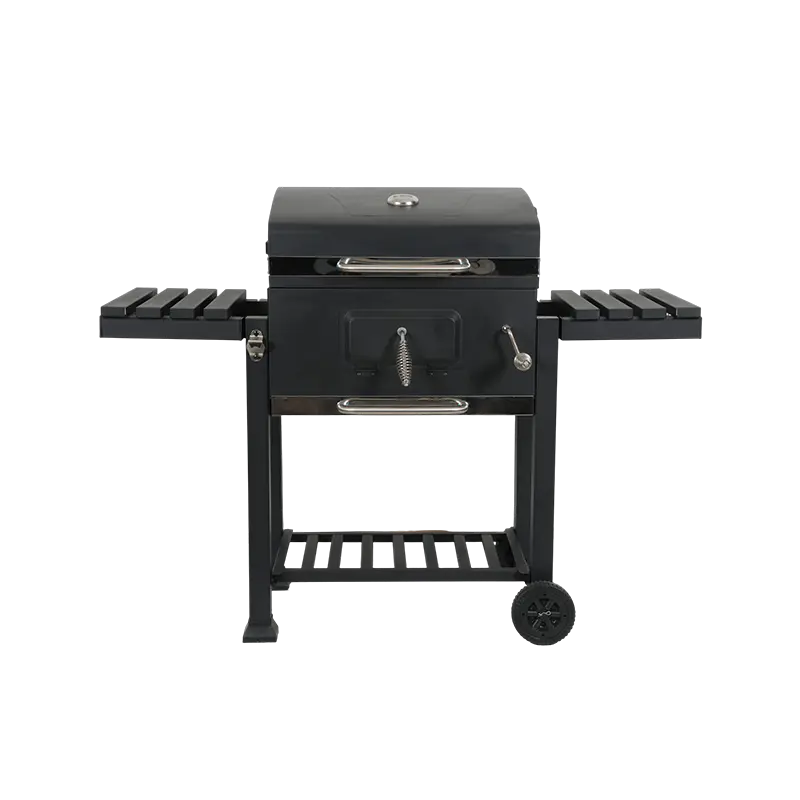 Garden Patio American Style Trolley Charcoal Smoker Grill Square Furnace
 -
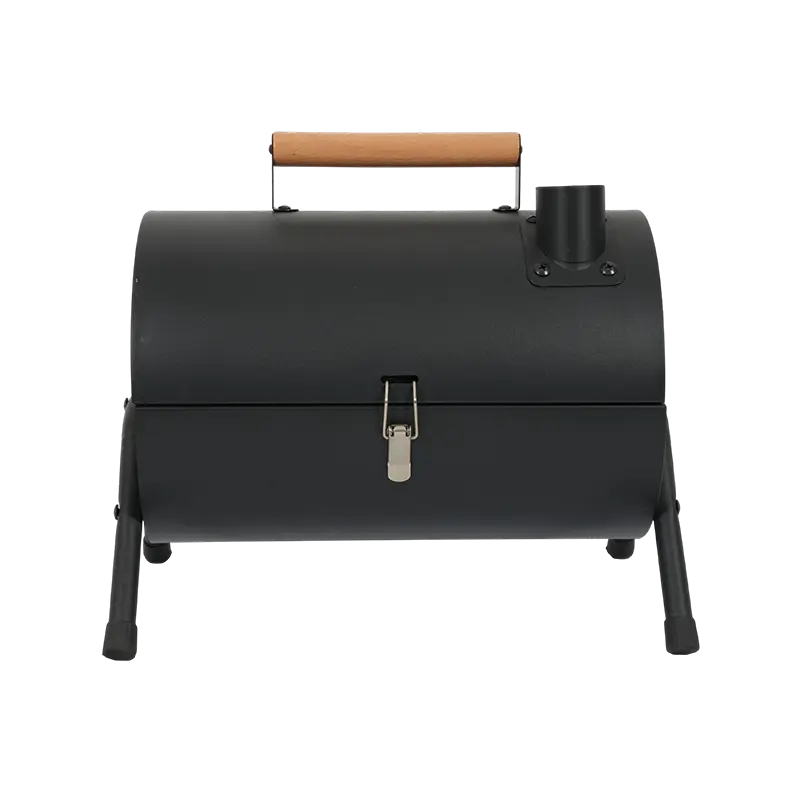 Tabletop Portable Double Sided Charcoal BBQ Grill Roaster
This compact and portable charcoal grill is designed for outdoor barbecue enthusiasts, easily handli...
-
 Multifunctional Campfire Tea Cooking Outdoor Portable Charcoal Grill
Scene Adaptability: Designed for outdoor enthusiasts, suitable for camping, picnics, caravan parties...
-
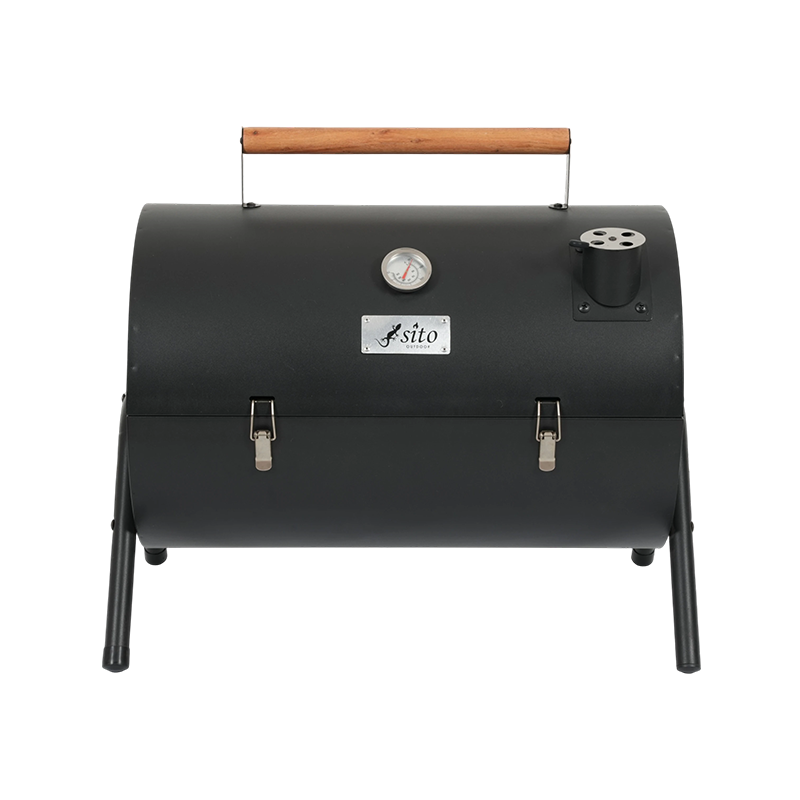 Wooden Handle Portable Tabletop Charcoal Roaster Grill
This portable grill is designed for outdoor barbecue enthusiasts and is perfect for camping trips, p...
-
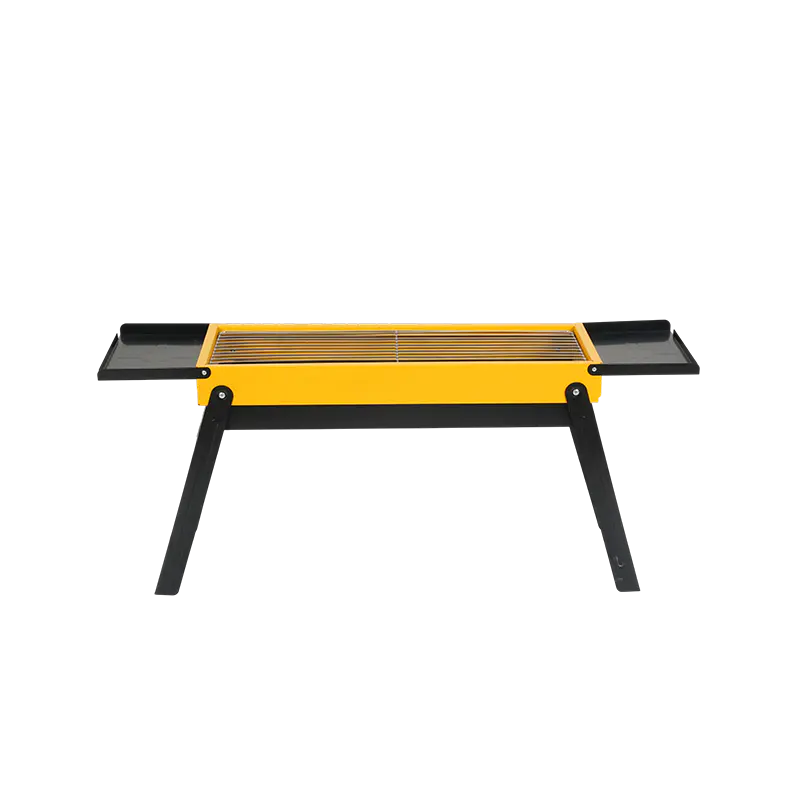 Portable Folding Outdoor Camping Charcoal Barbecue Grill
This portable, foldable outdoor camping charcoal grill is compact yet powerful, making it a great ch...
-
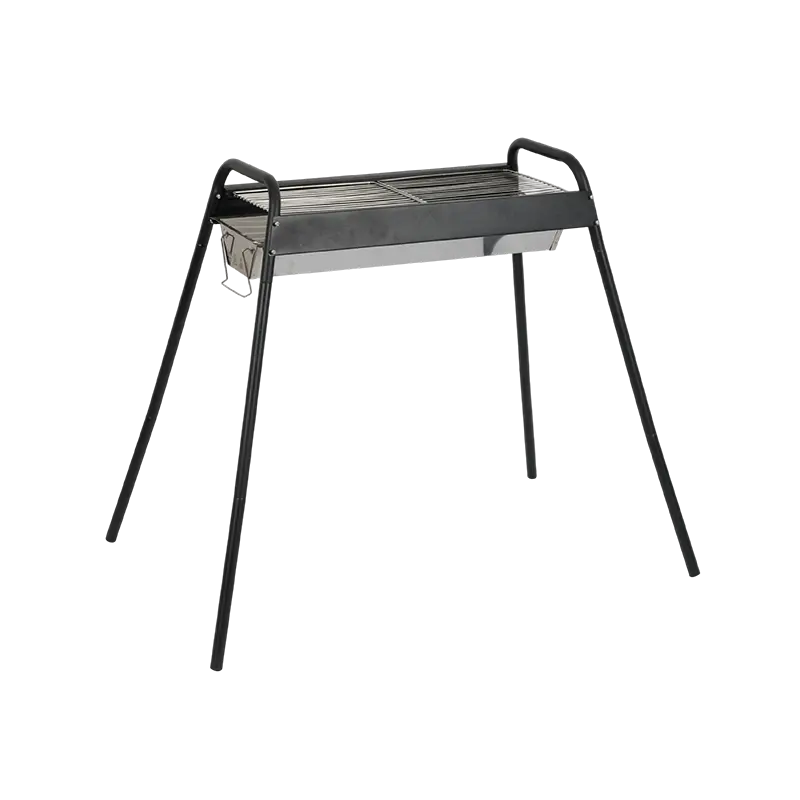 Outdoor Garden Portable Folding Charcoal Barbecue Grill
This portable, folding charcoal grill, designed specifically for outdoor BBQ enthusiasts, is perfect...

We are committed to integrity and quality, and we serve our customers with our professional oven manufacturing knowledge.
Phone: +86-13735628111
E-mail: [email protected]
Add: No.17 Ying Bin Road, Qing Xi Industry Zone, Xiang Zhu Town, Yongkang city,Zhenjiang province, China
Copyright © Yongkang Tongde Industry & Trade Co., Ltd. Rights
Reserved.

Outdoor BBQ Grill Manufacturer