
 English
  عربى
عربى  Español
This American-style trolley-mounted charcoal grill is designed for garden and patio barbecue enthusi...

Adjustable Vents vs Fixed Vents: Controlling Heat on a Charcoal Roaster Grill
Author: Admin
Date: Sep 25,2026
A charcoal fire responds to air. Cut off the supply and the coals fade. Open the path and they brighten, burning hotter and faster. Anyone who has cooked over charcoal has seen this happen, even if the mechanism was not front of mind. The vents on a grill exist to manage that relationship between air and fuel.
Two approaches appear on grills built for roasting. One uses vents that can be opened and closed by degrees, giving the cook a way to adjust conditions as a session unfolds. The other uses openings set at a fixed size, leaving airflow constant and placing heat management on other variables such as fuel quantity or grate height.
The question of which approach works better depends on how the grill is used, what is being cooked, and how much attention the cook wants to give the fire. Neither arrangement is inherently more capable. They simply place control in different places.
How Does Airflow Drive a Charcoal Fire?
Combustion needs oxygen. Charcoal that receives a steady supply of air burns steadily. Charcoal that receives more air burns faster and produces more heat. Reduce the air, and the burn slows, temperatures drop, and the fuel lasts longer.
On a grill, air enters through intake vents and leaves through exhaust vents. The intake side feeds oxygen to the coals. The exhaust side lets hot air and smoke escape. The relationship between the two matters. Opening the intake without a path for exhaust creates a restricted flow. Opening both allows air to move freely through the cooking chamber.
The balance between intake and exhaust shapes the cooking environment. A cook who wants high heat opens both. A cook who wants a slow burn closes the intake partway and adjusts the exhaust to maintain a steady draw.
Wind and ambient temperature influence this balance from outside the grill. A breeze across the exhaust opening can increase draw, pulling more air through the fire than the vent setting suggests. Cold conditions require more fuel to maintain the same temperature. These factors exist regardless of which vent type the grill uses, though the response differs.
Understanding airflow provides the basis for understanding why vent design matters. The vents are the interface between the cook and the fire.
What Do Adjustable Vents Offer?
Adjustable vents allow the size of the opening to change during a cook. The cook can widen or narrow the intake and exhaust as conditions shift.
Bottom intake vents serve as the primary heat control. They regulate how much oxygen reaches the charcoal. Opening them widens the airflow and raises the burn rate. Closing them restricts the supply and slows the fire. This is the adjustment a cook reaches for when the temperature needs to change.
Top exhaust vents manage the release of hot air and smoke. They function as a secondary control, fine-tuning the internal environment. A partially closed exhaust holds heat and smoke in the chamber longer. A more open exhaust allows them to escape.
The combination of these two adjustments gives a range of control. A cook can set the intake wide and the exhaust wide for high-heat searing. The same grill can be set with the intake barely cracked and the exhaust adjusted to maintain a slow draw for low-and-slow cooking. The settings are not fixed; they change as the cook progresses.
Precision comes from the ability to make incremental changes. A small adjustment to the intake produces a corresponding change in the fire. Over a long cook, the cook makes a series of small adjustments to hold a target temperature. The vents make that possible.
Adjustable vents also allow the fire to be managed around fuel additions. When fresh charcoal is added, opening the vents briefly helps the new fuel catch. Once it has lit, the vents return to their previous setting.
What Do Fixed Vents Offer?
Fixed vents use openings set at a defined size. They do not change during a cook. This arrangement appears on some commercial roasters and on grills that have been modified to use a constant airflow design.
Airflow through a fixed vent is determined by the opening size and the draw created by the fire. As the fire burns, the draw changes slightly, but the opening itself remains constant. The cook does not adjust the vent because it cannot be adjusted.
Heat management shifts to other variables. Fuel quantity becomes the primary control. More charcoal produces more heat; less produces less. Fuel placement matters as well — coals spread under the cooking area produce different conditions than coals banked to one side. Grate height offers another adjustment, since moving food closer to or farther from the coals changes the heat it receives.
This approach has a certain simplicity. There are fewer moving parts to maintain and fewer settings to consider. Once the fire reaches a stable burn, it tends to hold that burn without intervention. For shorter cooks at consistent temperatures, that behavior can be sufficient.
The trade-off appears in range. A fixed vent cannot be closed down to slow a fire that is running hot, nor opened up to push a fire that is running cool. The cook works within the airflow the vent provides and adjusts other factors to compensate.
| Factor | Adjustable Vents | Fixed Vents |
|---|---|---|
| Opening size | Changes during cook | Set at a defined size |
| Primary heat control | Intake vent adjustment | Fuel quantity and placement |
| Secondary control | Exhaust vent adjustment | Grate height, lid position |
| Temperature range | Wider span | Narrower band |
| Response to conditions | Immediate adjustment possible | Adjustments made through other variables |
| Construction | Moving parts and seals | Fewer components |
| Suited to | Long cooks, varied temperatures | Shorter cooks, consistent temperatures |
Where Do the Two Approaches Diverge in Practice?
The practical differences show up across several dimensions.
Temperature range is one. Adjustable vents cover a wide span, from the low end of a slow smoke to the high end of a direct sear. Fixed vents hold a narrower band, determined by the opening size and the fire's draw. A cook working with fixed vents operates within that band rather than across a wider range.
Response time differs as well. Adjusting a vent produces a change that takes effect over minutes as the fire responds. The delay is part of the process. A cook learns to anticipate rather than react. Fixed vents remove this variable entirely — the airflow does not change, so the fire's response follows its own pattern.
Control precision depends on attention. Adjustable vents allow fine changes, but they require the cook to monitor conditions and make those changes. Fixed vents remove the need for that attention, at the cost of flexibility.
Fuel consumption follows airflow. A fire with more air burns fuel faster. Restricted airflow slows consumption and extends the useful life of a given amount of charcoal. A cook planning a long session with adjustable vents can close the intake partway to stretch the fuel. A fixed vent burns at its own rate regardless.
Cooking style points toward one or the other. Low-and-slow cooking benefits from the ability to hold a steady, lower temperature over hours. Direct high-heat cooking benefits from the ability to open the vents and raise the fire quickly. A grill designed for one style may not serve the other as well.
Weather effects influence both, though the response differs. Wind across the exhaust increases draw on any grill. A cook with adjustable vents can compensate by reducing the intake. A cook with fixed vents adjusts fuel or grate height instead.
How Do Cooks Use Adjustable Vents?
Working with adjustable vents follows a pattern that develops with experience.
The fire starts with vents open. Charcoal needs air to catch, and restricting airflow at the beginning slows the process. Once the coals have lit and begun to ash over, the intake comes down partway. The fire settles into a steadier burn at a lower rate.
From that point, adjustments follow conditions. If the temperature drifts up, the intake closes slightly. If it drifts down, the intake opens. The exhaust vent fine-tunes the draw, managing how quickly hot air and smoke leave the chamber. A partially closed exhaust holds heat and smoke in, which suits smoking. A more open exhaust allows them to escape, which suits grilling.
Fuel additions call for a temporary change. Fresh charcoal needs air to catch, so the vents open briefly, then return to their setting once the new fuel has lit. Without that adjustment, the fire may take longer to recover or may not reach the temperature the cook intended.
At the end of a session, closing the vents smothers the remaining fuel. With airflow cut off, the coals die down and can be reused. That ability to shut the fire down is part of what adjustable vents provide.
Reading the fire happens through sight, sound, and feel. The glow of the coals, the sound of air moving through the vents, and the heat felt at the cooking surface all provide information. Cooks who work with charcoal regularly develop a sense of what the fire is doing without needing to check a dial.
How Do Cooks Work with Fixed Vents?
Fixed vents place the cook in a different relationship with the fire. The airflow is what it is, so heat management happens through other means.
Building the fire to match the vent's airflow is the starting point. The amount of charcoal loaded determines the heat output. A larger bed of coals produces more heat; a smaller one produces less. Since the vent cannot be closed to slow the burn, the fuel quantity becomes the primary adjustment.
Placement of the coals shapes where the heat goes. Coals spread evenly under the cooking area produce direct heat across the surface. Coals banked to one side create a zone of higher heat with a cooler area beside it, which allows food to be moved between direct and indirect heat.
Grate height offers another adjustment. Moving the cooking surface closer to the coals increases the heat reaching the food. Raising it reduces that heat. Some grills allow the grate to be set at different levels, which provides a degree of control without touching the vents.
The lid and internal configuration also shape conditions. A closed lid holds heat and smoke, creating an environment closer to an oven. An open lid allows heat to escape and produces conditions closer to direct grilling.
Cooks working with fixed vents plan around the fire's natural burn pattern. A fire that starts hot and gradually declines produces a sequence of cooking conditions. Food that needs higher heat goes on earlier; food that needs lower heat goes on later. The cook works with the fire rather than against it.
Which Factors Influence Which Approach Suits a Cook?
- Length of the cook: longer sessions benefit from the ability to hold a steady temperature over hours, which adjustable vents support
- Desired temperature range: a cook who wants to move between low and high heat needs the range that adjustable vents provide
- Type of food and method: smoking, roasting, and searing each place different demands on temperature control
- Experience level: adjustable vents reward attention and familiarity; fixed vents reduce the number of variables to manage
- Weather conditions: windy or cold conditions affect both, though the ability to compensate through vent adjustment helps in variable conditions
- Fuel type: charcoal that responds quickly to airflow changes works differently from fuel that burns more slowly
- Maintenance: moving parts require attention over time; fixed openings have fewer components to wear
- Frequency of use: a grill used regularly may justify the flexibility of adjustable vents; one used occasionally may not
These factors interact rather than acting alone. A cook who smokes meat regularly in variable weather will find adjustable vents more useful than one who grills burgers on calm evenings. A cook who wants a simple setup for consistent shorter sessions may find fixed vents sufficient.
The decision comes down to how the grill will actually be used rather than which approach offers more capability in principle.
How Do Control and Simplicity Trade Off?
Adjustable vents provide range and responsiveness. The intake controls the burn rate; the exhaust manages draw and smoke. Together they allow a cook to move between temperature levels and hold a setting through a long session. That flexibility comes with the need for attention — the vents require adjustment as conditions change.
Fixed vents provide consistency and simplicity. Airflow remains constant, and heat management shifts to fuel quantity, fuel placement, and grate height. Fewer variables mean less to monitor, though the temperature range is narrower and adjustments happen through other means.
A Charcoal Roaster Grill can be built around either approach. The design reflects what the grill is intended to do. A unit meant for long, slow cooks tends toward adjustable vents. One meant for consistent, shorter sessions may use fixed openings and rely on other controls.
Matching the vent design to how the grill will be used keeps the cooking process aligned with the cook's intentions. The fire responds to air regardless of which approach is chosen. The question is whether the cook wants to manage that airflow directly or work through the other variables the grill provides.
Contact Us Now
Related products
-
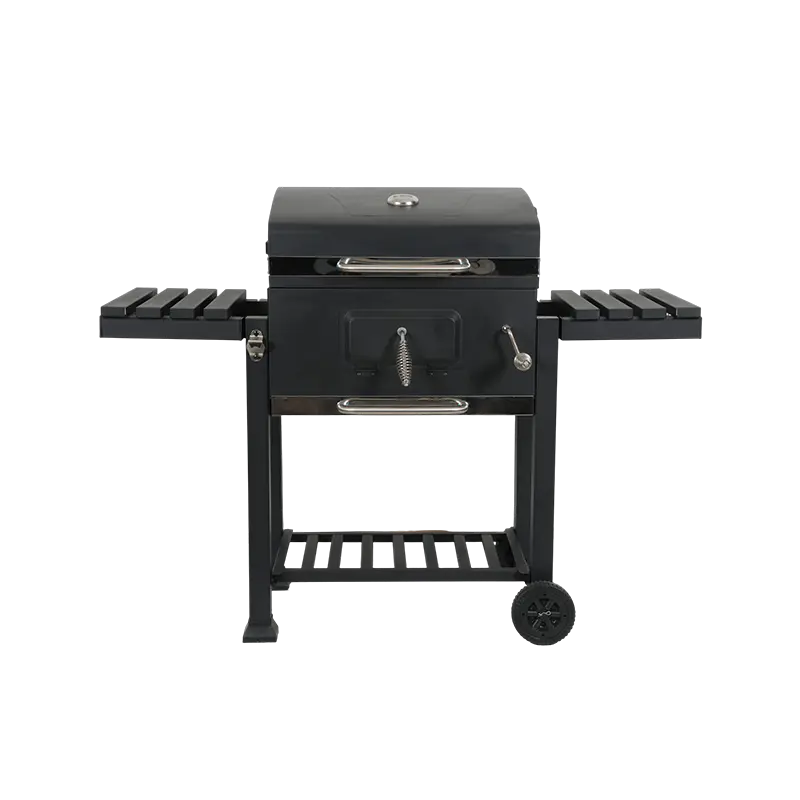 Garden Patio American Style Trolley Charcoal Smoker Grill Square Furnace
 -
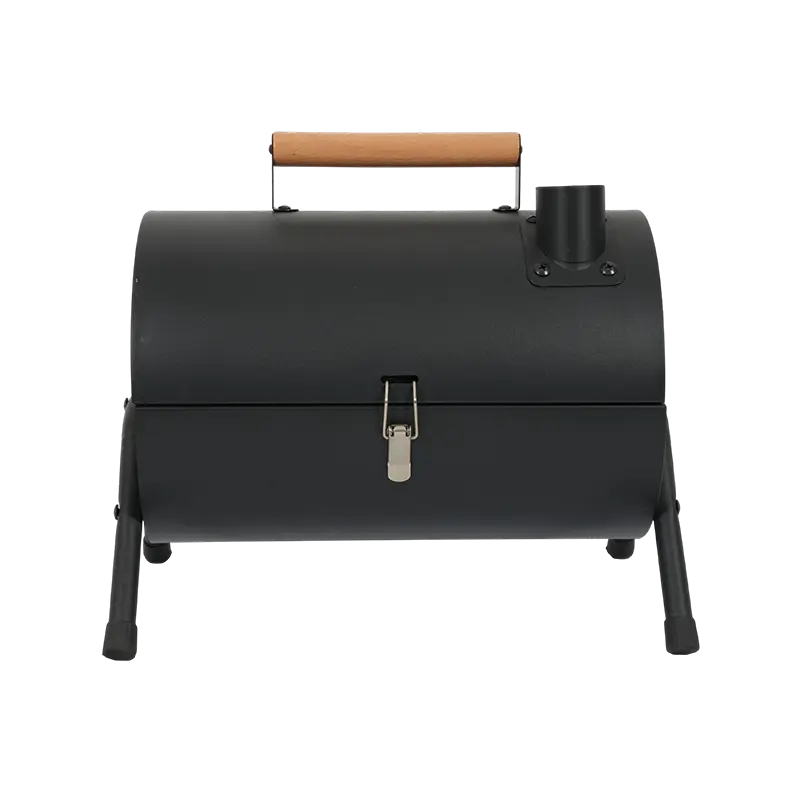 Tabletop Portable Double Sided Charcoal BBQ Grill Roaster
This compact and portable charcoal grill is designed for outdoor barbecue enthusiasts, easily handli...
-
 Multifunctional Campfire Tea Cooking Outdoor Portable Charcoal Grill
Scene Adaptability: Designed for outdoor enthusiasts, suitable for camping, picnics, caravan parties...
-
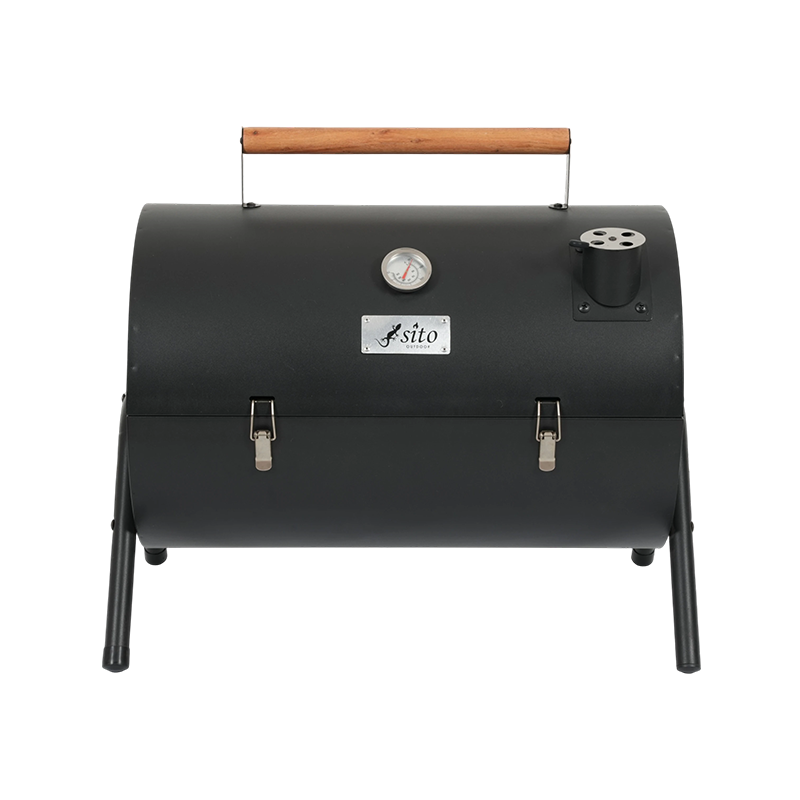 Wooden Handle Portable Tabletop Charcoal Roaster Grill
This portable grill is designed for outdoor barbecue enthusiasts and is perfect for camping trips, p...
-
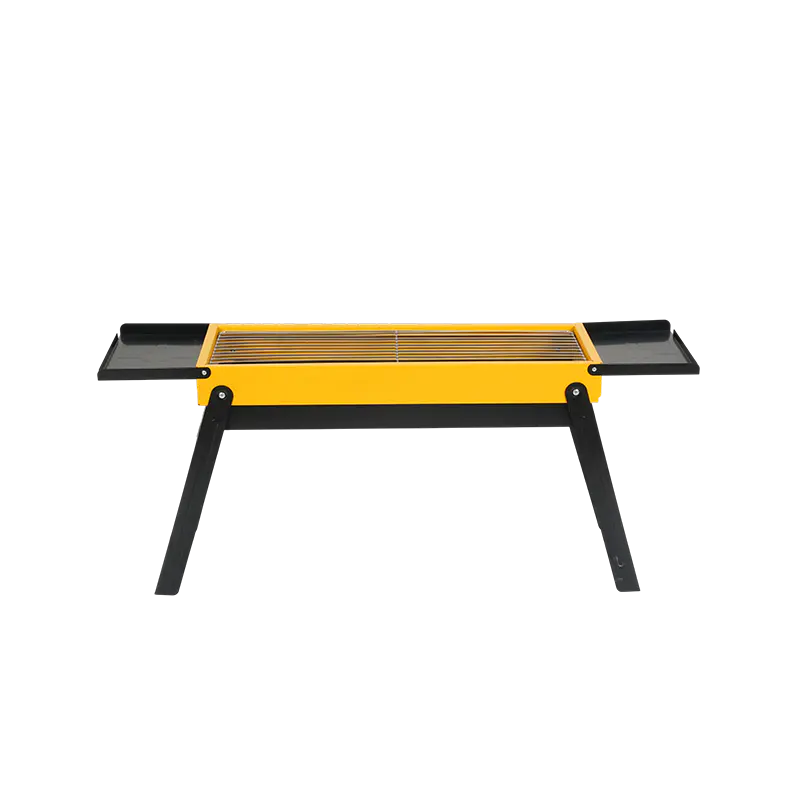 Portable Folding Outdoor Camping Charcoal Barbecue Grill
This portable, foldable outdoor camping charcoal grill is compact yet powerful, making it a great ch...
-
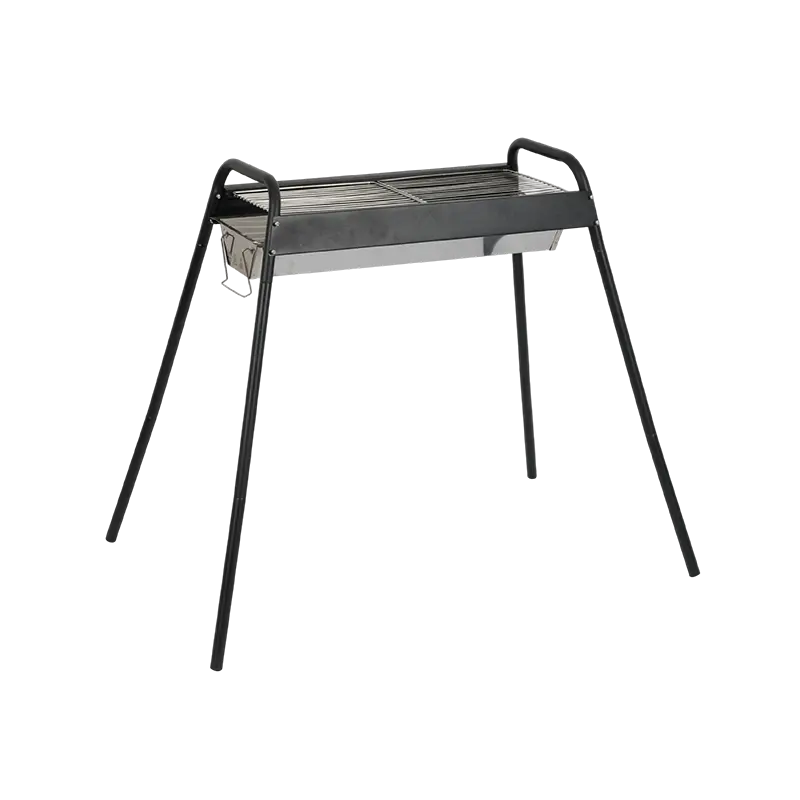 Outdoor Garden Portable Folding Charcoal Barbecue Grill
This portable, folding charcoal grill, designed specifically for outdoor BBQ enthusiasts, is perfect...

We are committed to integrity and quality, and we serve our customers with our professional oven manufacturing knowledge.
Phone: +86-13735628111
E-mail: [email protected]
Add: No.17 Ying Bin Road, Qing Xi Industry Zone, Xiang Zhu Town, Yongkang city,Zhenjiang province, China
Copyright © Yongkang Tongde Industry & Trade Co., Ltd. Rights
Reserved.

Outdoor BBQ Grill Manufacturer