
 English
 عربى
 Español

This American-style trolley-mounted charcoal grill is designed for garden and patio barbecue enthusi...

Tabletop Charcoal Grill Samples: Follow the Assembly Sequence
Author: Admin
Date: Nov 27,2026
A retail grill sample is usually presented ready for a photograph. The customer receives something different: a carton, several components and a set of instructions. Reviewing that journey exposes questions that a finished-product photograph cannot answer. For a tabletop charcoal grill, the relationship between the lid, cooking grate, supports and supplied hardware deserves attention before the retail specification is approved.
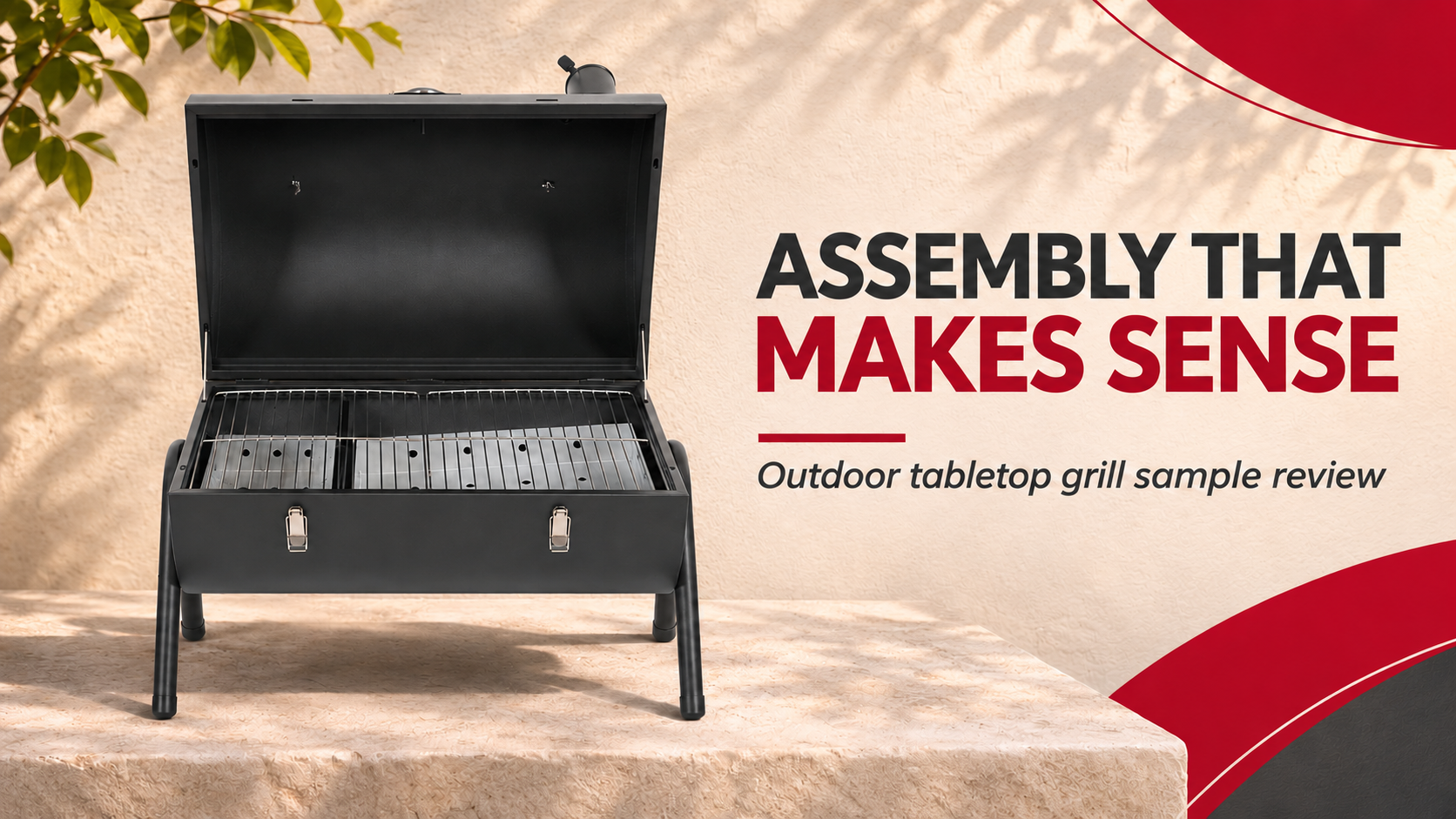
Tongde’s wooden-handle portable tabletop charcoal roaster grill brings those questions into focus. Its published specification describes a portable metal grill, while the product photographs show an open rectangular lid, cooking grate and supporting legs. The sample review should follow that supplied model rather than a generic grill assembly.
-
Start with the carton, not the finished display
Ask for a sample packed in the proposed retail arrangement. Record which parts are already installed and which the customer must fit. The distinction affects the component list, the instruction sequence and the protection needed during transport. A display sample assembled by an experienced factory employee cannot show whether a first-time user will understand the same task.
Keep the supplied hardware beside the instruction sheet while opening the package. Each component should have an unambiguous identity and an assigned position. If the order includes an optional tool, handle or accessory, show that variation in the packing record. Do not let photographs of one configuration become the instructions for another.
-
Examine the lid and cooking-area relationship
The reference photograph shows an open rectangular black grill with a hinged lid, cooking grate and supporting legs. Check how the lid moves through its intended travel and whether the assembled unit has adequate clearance for that movement. Handle appearance is only one part of this review; attachment, approach and the manufacturer’s operating instructions also matter.
Remove and refit any component the instructions identify as removable. Confirm its position, support points and orientation. A grate that can be placed in more than one way may need a clearer illustration or locating feature. The review should preserve the actual product configuration rather than inventing a different grate or lid arrangement.
Review point What the sample should establish Carton contents Supplied configuration and component identity Lid and grate Intended fit, orientation and access Supports Correct assembled position and instructions Retail document Sequence and warnings for the supplied model -
Make fastener instructions specific
A list of screws is less useful than a clear connection between each fastener and the relevant assembly step. Distinguish similar-looking hardware and show where washers or locking parts belong when they are supplied. The approved documentation should state the required tools and any manufacturer-defined tightening method.
During sample review, record places where a hand or tool cannot reach comfortably. Resolve the issue through the intended assembly method or product design review. Do not direct customers to bend, enlarge or force parts simply to finish assembly. A sample is the opportunity to correct ambiguity before it reaches a whole shipment.
Treat the support arrangement as part of the product
Place the fully assembled, unlit grill on a suitable level reference surface and examine whether the supports reach their intended positions. Check the supplied assembly instructions against the actual leg geometry. A photograph showing the grill standing upright is not a stability test or a load rating.
The intended operating surface and clearances must come from the manufacturer’s validated instructions. Charcoal appliances are for outdoor use; a tabletop description does not authorize use indoors or on any available furniture. Keep the product instructions consistent with the proposed retail claims and the intended market requirements.
Read the instruction sheet without factory assistance
Have a reviewer follow the proposed sequence using the supplied components. Record pauses, unclear images and steps that require explanation. This is an instruction review, not a claim that a formal user study has been completed. Its purpose is to identify questions while the artwork and packaging can still be revised.
Check the relationship between assembly, lighting, operation, cooling and cleaning information. Those are different stages and should be easy to distinguish. Any temperature, clearance or cleaning statement must be supported by the approved product instructions. Avoid converting a general marketing sentence into an operating rule.
- Record the proposed retail configuration.
- Match each loose component to a packing position.
- Resolve unclear instructions before approving artwork.
- Retain the accepted sample and revision record.
Keep appearance and functional approval connected
Inspect visible coating and handle condition before assembly and again after the approved assembly sequence. Record any handling points where packaging or hardware can mark the finish. Use an agreed appearance reference and inspection method instead of a vague requirement such as perfect finish.
A cosmetic acceptance does not establish heat performance, durability or compliance. Where those claims are part of the retail offer, request the appropriate supporting documentation and define its applicability to this exact model. Assembly approval should identify the final bill of materials and instruction revision that accompany the accepted sample.
A useful enquiry to Tongde therefore includes more than the requested grill quantity. Send the intended retail configuration, packing method and documentation scope, and agree what the sample approval covers. The result is a clearer handover from the factory carton to the customer’s first assembly, without turning a product photograph into unsupported performance evidence.
A practical first-use handover
For the sample handover, prepare a component photograph before anything is assembled. Number the parts in the same order used by the instructions and ask the reviewer to identify each one. If two screws are similar, the distinction should be visible in the document rather than explained verbally. Keep a short record of every clarification needed.
After the sequence has been corrected, repeat the review using the revised sheet and the same supplied configuration. Check that an earlier correction has not moved an ambiguity into another step. This creates an assembly reference for the ordered product; it does not replace any required product testing. The approved sheet, component list and packing photographs should share a revision identity so production cannot combine instructions from one version with hardware from another.
Contact Us Now
Related products
-
 Garden Patio American Style Trolley Charcoal Smoker Grill Square Furnace
-
 Tabletop Portable Double Sided Charcoal BBQ Grill Roaster
This compact and portable charcoal grill is designed for outdoor barbecue enthusiasts, easily handli...
-
 Multifunctional Campfire Tea Cooking Outdoor Portable Charcoal Grill
Scene Adaptability: Designed for outdoor enthusiasts, suitable for camping, picnics, caravan parties...
-
 Wooden Handle Portable Tabletop Charcoal Roaster Grill
This portable grill is designed for outdoor barbecue enthusiasts and is perfect for camping trips, p...
-
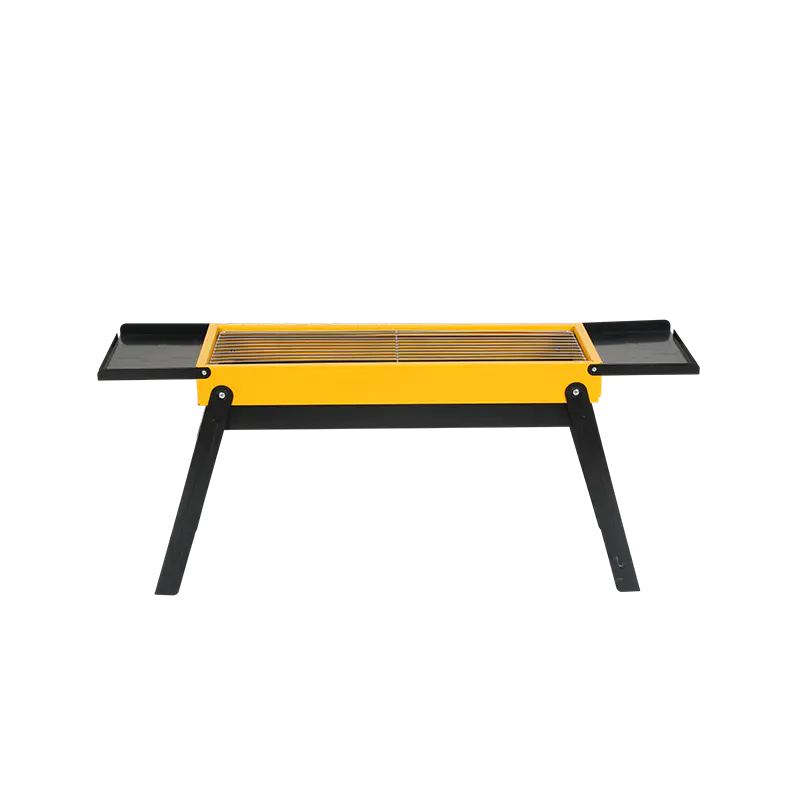 Portable Folding Outdoor Camping Charcoal Barbecue Grill
This portable, foldable outdoor camping charcoal grill is compact yet powerful, making it a great ch...
-
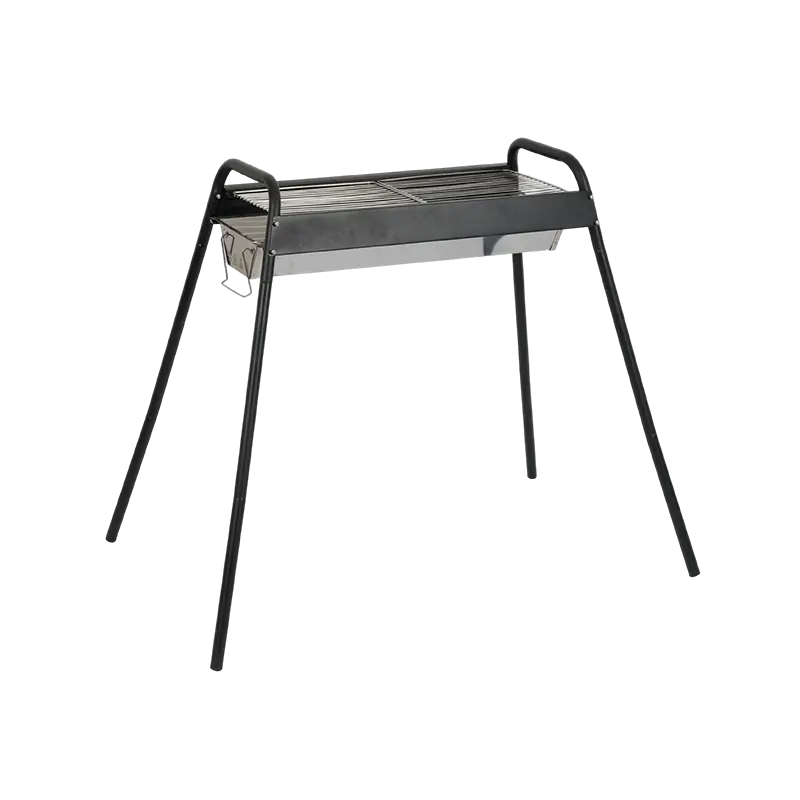 Outdoor Garden Portable Folding Charcoal Barbecue Grill
This portable, folding charcoal grill, designed specifically for outdoor BBQ enthusiasts, is perfect...

We are committed to integrity and quality, and we serve our customers with our professional oven manufacturing knowledge.
Phone: +86-13735628111
E-mail: [email protected]
Add: No.17 Ying Bin Road, Qing Xi Industry Zone, Xiang Zhu Town, Yongkang city,Zhenjiang province, China
Copyright © Yongkang Tongde Industry & Trade Co., Ltd. Rights
Reserved.

Outdoor BBQ Grill Manufacturer