
 English
  عربى
عربى  Español
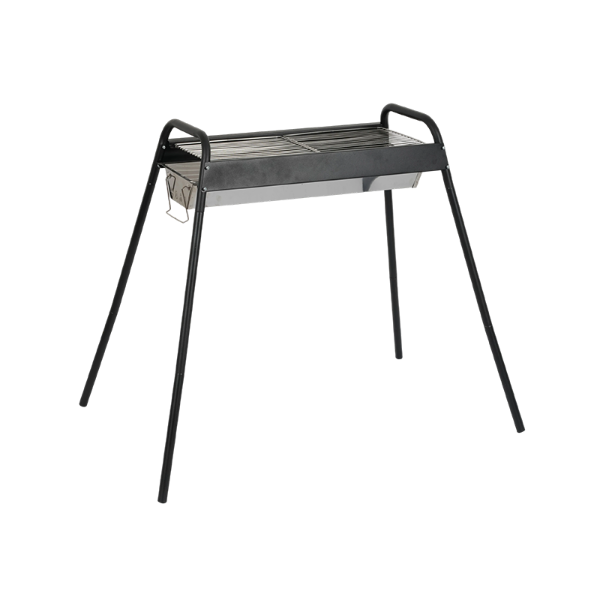
This American-style trolley-mounted charcoal grill is designed for garden and patio barbecue enthusi...

Small Grill vs Large Grill: Choosing the Right Size Charcoal Roaster Grill
Author: Admin
Date: Oct 02,2026
A grill can take up very little room on a patio, or become a fixed part of an outdoor cooking area. The difference is not limited to the footprint. Cooking surface, charcoal placement, food movement, and cleaning space all change as the unit gets larger.
Consider a meal with several ingredients. A few pieces of meat may occupy one section of the grate, while vegetables are added later. With a compact cooker, available space can disappear quickly. A larger cooking surface leaves room to shift food around without immediately crowding the grate.
The distance between the charcoal and the food matters as well. When the cooking area is compact, heat from the fuel can affect a larger portion of the grate. On a larger unit, charcoal can be arranged beneath one area while another part receives less direct heat.
Placement outdoors brings another practical issue. A grill needs enough room around it for opening, turning food, adding fuel, and cleaning. A cooker that technically fits into a small corner may still be awkward to use if there is no comfortable working space around it.
A useful way to think about size is to look at the whole routine:
- Cooking: How much food needs to be on the grate at once?
- Heat: Does food need separate hot and cooler areas?
- Movement: Is there room to turn or temporarily hold ingredients?
- Storage: Where does the equipment go after cooking?
- Cleaning: Can the grate and charcoal area be reached easily?
When Does a Small Grill Make More Sense?
Small outdoor cooking spaces often have competing uses. A patio may also hold chairs, plants, storage boxes, or a small table. In such surroundings, a compact grill can leave more room for everyday activities.
The cooking method tends to be simpler. A few portions can be placed over the charcoal, turned as needed, and removed when ready. Once the grate becomes crowded, another batch has to wait.
That limitation is not necessarily inconvenient. For a household that usually cooks small meals, keeping the cooking area manageable can make the session easier to organize. There is less empty grate to clean, and the unit may be easier to move into storage after it has cooled.
Charcoal placement needs some attention. With a smaller interior, moving fuel a short distance can change the heat beneath nearby food. A cook may use this effect to create a hotter section and move ingredients away from the direct heat when needed.
A compact setup can suit situations such as:
- limited patio or balcony space where charcoal cooking is permitted;
- occasional outdoor meals;
- smaller batches of meat or vegetables;
- storage areas with little spare room;
- cooking routines that do not require several heat zones.
There is a trade-off when the menu becomes more complicated. A grate filled with different ingredients leaves less room to move food away from the fire. Raw and cooked items also need careful separation, particularly when several batches are prepared one after another.
What Is Different About Cooking on a Large Grill?
A larger cooking surface changes the way food can be arranged. Instead of treating every part of the grate as the same cooking area, different sections can serve different purposes.
One side might sit over a stronger charcoal bed. Another can be used for food that needs gentler heat. Cooked items can wait farther from the fuel while another batch finishes.
This arrangement can be useful during a meal involving foods with different cooking times. A thick piece of meat does not have to share exactly the same position as vegetables that cook quickly. More physical space also makes turning larger pieces less awkward.
There is another side to the larger format: the grill itself becomes part of the outdoor layout. Before choosing a larger unit, it is worth checking the available clearance around the cooking area. Doors, lids, handles, and access points should not be blocked by walls or furniture.
The extra capacity can be useful when:
- Several types of food need to be cooked during one session.
- Some ingredients need to stay away from direct charcoal heat.
- Cooked food needs a temporary holding area.
- Larger cuts require more room to turn.
- Cooking takes place over an extended outdoor meal.
A larger unit also creates more work after cooking. There is a bigger grate to clean, a wider charcoal area to clear, and more surfaces that may collect grease or ash.
How Does Grill Size Affect Charcoal Management?
Charcoal placement often matters more than the amount of fuel sitting in the cooker. Moving the fuel changes where heat reaches the grate, while airflow influences how the charcoal burns.
On a compact cooker, the fuel bed may cover a relatively concentrated area. Food placed only a short distance away can still receive considerable heat. Moving a few pieces of charcoal can alter the cooking area noticeably.
A larger cooker gives the fuel more room to spread out. Charcoal can sit beneath one part of the grate while another section remains away from direct heat. Food can then be moved between areas rather than being kept directly above the fuel throughout the cooking process.
| Grill Size | Charcoal Setup | Cooking Effect |
|---|---|---|
| Small | Fuel kept in a compact area | Heat stays concentrated |
| Small | Limited room for separation | Food may need to be cooked in batches |
| Large | Fuel can cover separate areas | Different heat zones are easier to arrange |
| Large | More open cooking space | Food can be moved farther from direct heat |
Vent openings also influence the fire. Restricting or increasing airflow changes how much oxygen reaches the charcoal. The response depends on the grill's internal design, so familiarizing oneself with the actual airflow path is more useful than assuming every model behaves in the same way.
Fuel use should be considered together with the cooking plan. A small meal does not automatically require a full charcoal bed, while a large cooking surface does not need to be covered with fuel from edge to edge. Food quantity, cooking duration, desired heat, and grate arrangement all play a part.
For anyone comparing a small and large Charcoal Roaster Grill, the useful question is not simply how large the cooking surface looks. The real issue is how that space will be used once charcoal, food, utensils, and the cook all occupy the same area.
How Does Cooking Space Affect Different Foods?
A grill grate is shared by everything placed on it, yet different foods rarely need exactly the same treatment. A thick piece of meat may need steady heat for a longer period, while sliced vegetables can cook in a shorter time. Seafood may also need careful handling because delicate pieces can break when moved around a crowded grate.
With a smaller cooker, the available area has to be planned before the food goes on. One approach is to cook items in batches. Another is to place ingredients that need similar heat together and remove them as they finish.
Larger cooking surfaces give the cook more room to separate ingredients. A portion of meat can remain over the charcoal while vegetables sit farther away. Cooked food can also be moved to an area without direct heat rather than being taken off the grill immediately.
The arrangement becomes particularly useful when food has different preparation stages. A typical sequence might involve:
- placing thicker ingredients over a steady heat source;
- adding quicker-cooking foods later;
- moving finished portions away from direct heat;
- leaving part of the grate clear for turning or handling.
Food size matters too. Large cuts require enough room to turn without knocking against neighboring ingredients. Small pieces can occupy gaps, although loose ingredients should not be placed where they might fall through the grate.
For a compact cooker, menu planning can be part of the cooking process. A larger cooker provides more freedom, but it still requires sensible placement. Crowding a large grate can create the same handling problems found on a small one.
What About Heat Control on Small and Large Grills?
Charcoal heat is influenced by more than the amount of fuel. Airflow, fuel arrangement, the distance between the charcoal and food, and the position of the grate all affect the cooking environment.
A small grill has less internal room, so changes can be noticeable around a larger portion of the cooking surface. Moving food a short distance may not create as much separation from the charcoal as expected.
Larger equipment offers more physical distance. A cook can place food directly above the fuel, move it toward the edge, or use an area where the charcoal bed is thinner. The extra space makes it possible to organize the grate around different cooking needs.
Lid position can change the way heat circulates as well. With a covered grill, hot air moves around the food rather than coming only from below. The actual result depends on the construction and airflow arrangement.
A few habits can make heat control easier:
- Arrange charcoal before putting food on the grate.
- Leave a clear area where food can be moved away from direct heat.
- Avoid repeatedly moving fuel while food is cooking.
- Keep vents accessible rather than placing objects around them.
- Watch the food rather than relying only on a fixed cooking time.
The aim is not to create a complicated system. A clear separation between the charcoal area and the food area can make the cooking process easier to manage.
Which Size Is Easier to Clean and Store?
Cleaning requirements tend to grow with the physical size of the equipment. A small grate can usually be reached without much effort, while a larger grate may require attention across several cooking zones.
Ash removal is another consideration. Charcoal leaves residue in the fire area after cooking, and the equipment needs to cool completely before ash is handled. Grease and food particles can also collect on the grate and nearby surfaces.
The storage question often gets overlooked when comparing grill sizes. A large cooker may occupy a fixed position outdoors, whereas a smaller unit can sometimes be moved into a designated storage area after use.
Before making a choice, it helps to check:
- whether there is a dry place for storage;
- how easily the grate can be removed;
- whether the charcoal area is accessible for cleaning;
- how the equipment can be protected from rain and dust;
- whether there is enough room to clean around the unit.
Outdoor storage does not mean leaving the grill exposed indefinitely. Moisture can affect metal surfaces, while accumulated ash and grease can make later cleaning more difficult.
The cleaning routine should also match the construction. Removable grates may be easier to clean away from the main body. Fixed sections require access from inside the cooker. These details can have more effect on day-to-day use than a small difference in cooking area.
What Should Buyers Ask an Expert Grill Manufacturer?
A conversation with an Expert Grill Manufacturer can be useful when the required size is not obvious from the outside dimensions. The important questions concern how the equipment is intended to operate.
For example, the external body may look spacious while the usable cooking area is reduced by the position of the charcoal tray, lid, handles, or internal supports. Asking about the actual arrangement can give a clearer picture of how much room remains for food.
Questions can focus on practical use:
- How is the charcoal positioned beneath the cooking surface?
- Can different areas of the grate be used for different heat levels?
- How is ash removed?
- Can the grate be taken out for cleaning?
- What kind of outdoor placement is appropriate?
- How does the unit accommodate different food sizes?
Material and construction details also deserve attention. A cooking appliance is exposed to heat, grease, smoke, moisture, and repeated cleaning. The way components are joined and accessed can affect routine maintenance.
An Expert Grill Manufacturer may also have information about how a particular size was designed to work with its charcoal area and cooking surface. Such information is more useful when it relates directly to the intended cooking routine rather than simply describing the appearance of the equipment.
How Can Grill Size Match a Real Cooking Routine?
Choosing between a small and large cooker becomes easier when the decision starts with actual habits.
Someone who prepares a small meal on an apartment patio has different space requirements from a household that regularly prepares several dishes outdoors. A person who stores the grill after every use also needs to think differently from someone with a permanent cooking area.
The following questions can narrow down the practical requirements:
- How many portions are usually prepared together?
- Are different foods cooked at the same time?
- Does food need to move between direct and indirect heat?
- Is the grill kept outdoors between uses?
- How much room is available for cleaning?
- Will the cooking surface need to accommodate large cuts?
A Charcoal Roaster Grill should fit the complete routine rather than only the meal itself. Cooking space, charcoal placement, cleaning access, and storage all become part of the size decision.
For a small routine, a compact cooking area may leave less unused equipment around the patio. A larger household cooking setup can make better use of additional grate space when several foods need attention during the same session.
Size is ultimately a matter of matching physical space with cooking habits. Looking at the entire routine gives a more practical basis for choosing between a small and large format than judging the grill by its exterior dimensions alone.
Contact Us Now
Related products
-
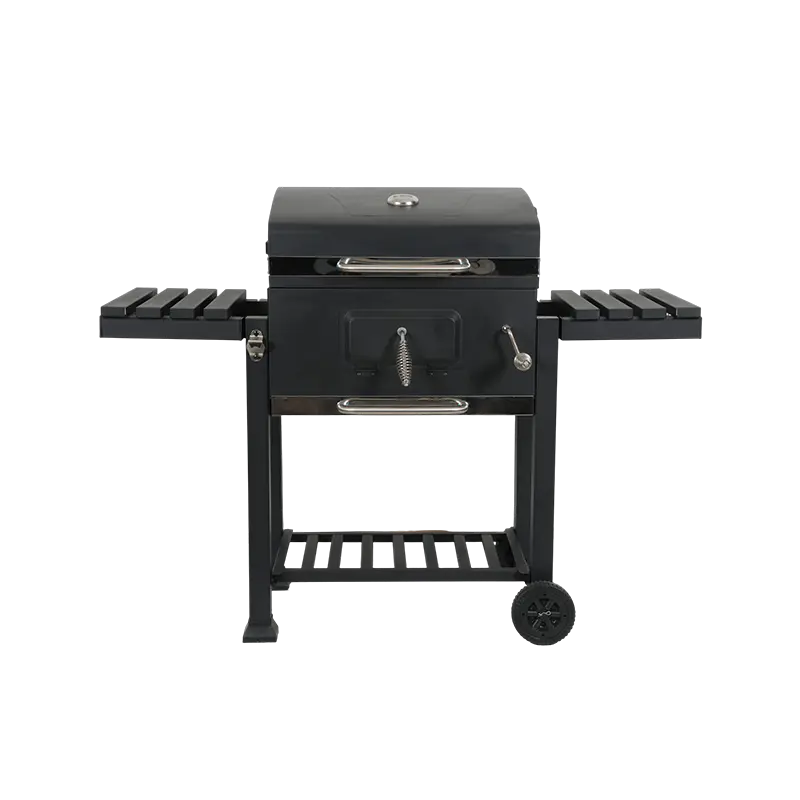 Garden Patio American Style Trolley Charcoal Smoker Grill Square Furnace
 -
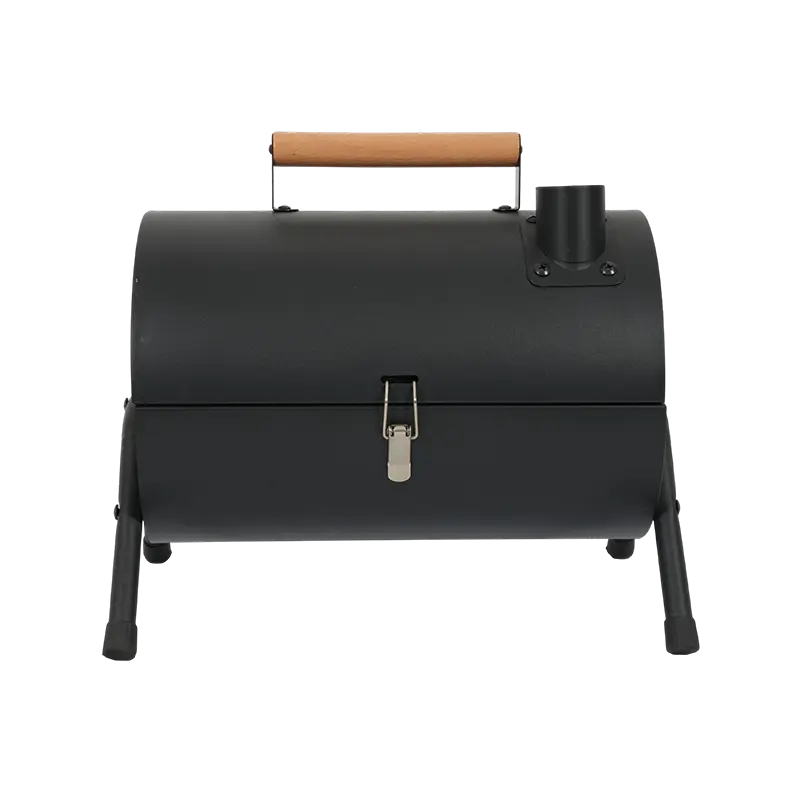 Tabletop Portable Double Sided Charcoal BBQ Grill Roaster
This compact and portable charcoal grill is designed for outdoor barbecue enthusiasts, easily handli...
-
 Multifunctional Campfire Tea Cooking Outdoor Portable Charcoal Grill
Scene Adaptability: Designed for outdoor enthusiasts, suitable for camping, picnics, caravan parties...
-
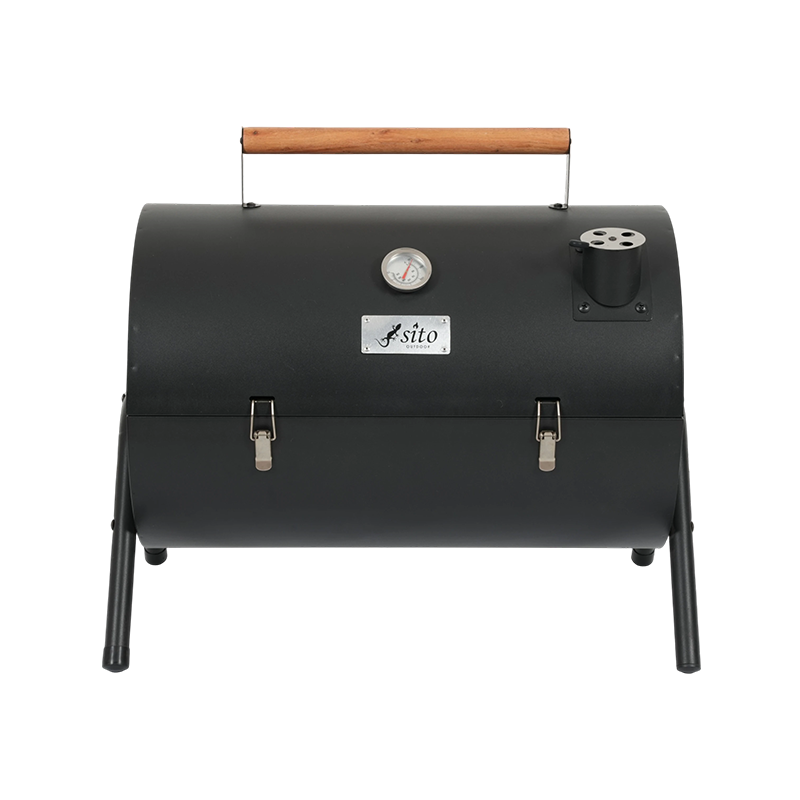 Wooden Handle Portable Tabletop Charcoal Roaster Grill
This portable grill is designed for outdoor barbecue enthusiasts and is perfect for camping trips, p...
-
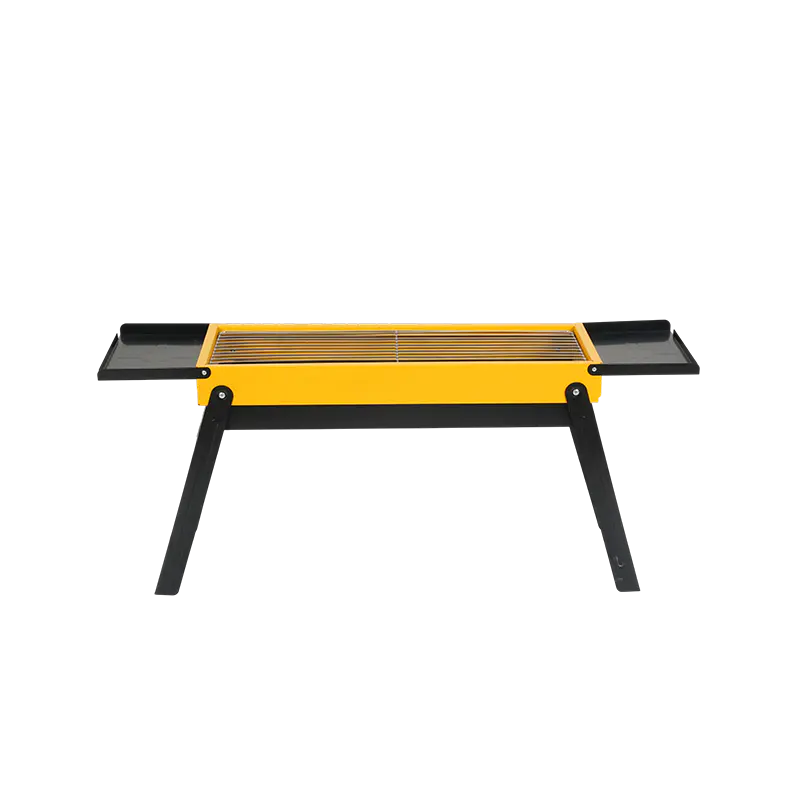 Portable Folding Outdoor Camping Charcoal Barbecue Grill
This portable, foldable outdoor camping charcoal grill is compact yet powerful, making it a great ch...
-
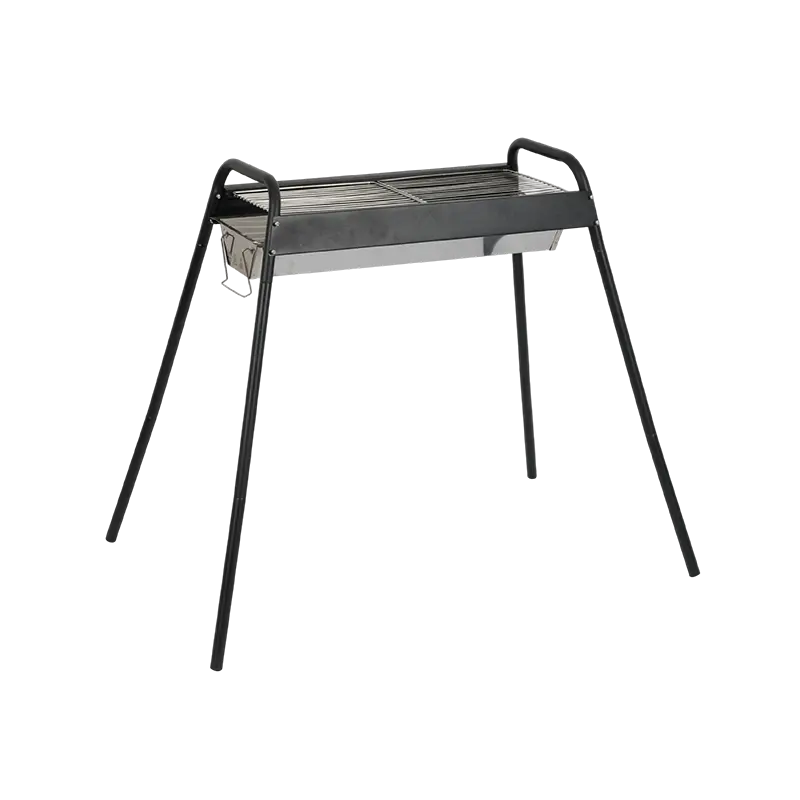 Outdoor Garden Portable Folding Charcoal Barbecue Grill
This portable, folding charcoal grill, designed specifically for outdoor BBQ enthusiasts, is perfect...

We are committed to integrity and quality, and we serve our customers with our professional oven manufacturing knowledge.
Phone: +86-13735628111
E-mail: [email protected]
Add: No.17 Ying Bin Road, Qing Xi Industry Zone, Xiang Zhu Town, Yongkang city,Zhenjiang province, China
Copyright © Yongkang Tongde Industry & Trade Co., Ltd. Rights
Reserved.

Outdoor BBQ Grill Manufacturer