
 English
 عربى
 Español

This American-style trolley-mounted charcoal grill is designed for garden and patio barbecue enthusi...

Foldable Grill Setup: What Keeps the Legs in Their Intended Position?
Author: Admin
Date: Nov 06,2026
A foldable charcoal grill makes a compact package, but its useful form is the assembled one. Before a retailer approves the product, someone needs to unfold the actual sample and understand how the supports reach their intended positions. A photograph of the finished silhouette does not explain that movement.
The purchasing review should concentrate on the transition from packed product to correctly assembled grill. It should establish what the user must do, how the intended support position is recognised and which checks belong in the instructions. That work does not establish a universal load or wind rating; it creates a clearer basis for sample approval and user guidance.
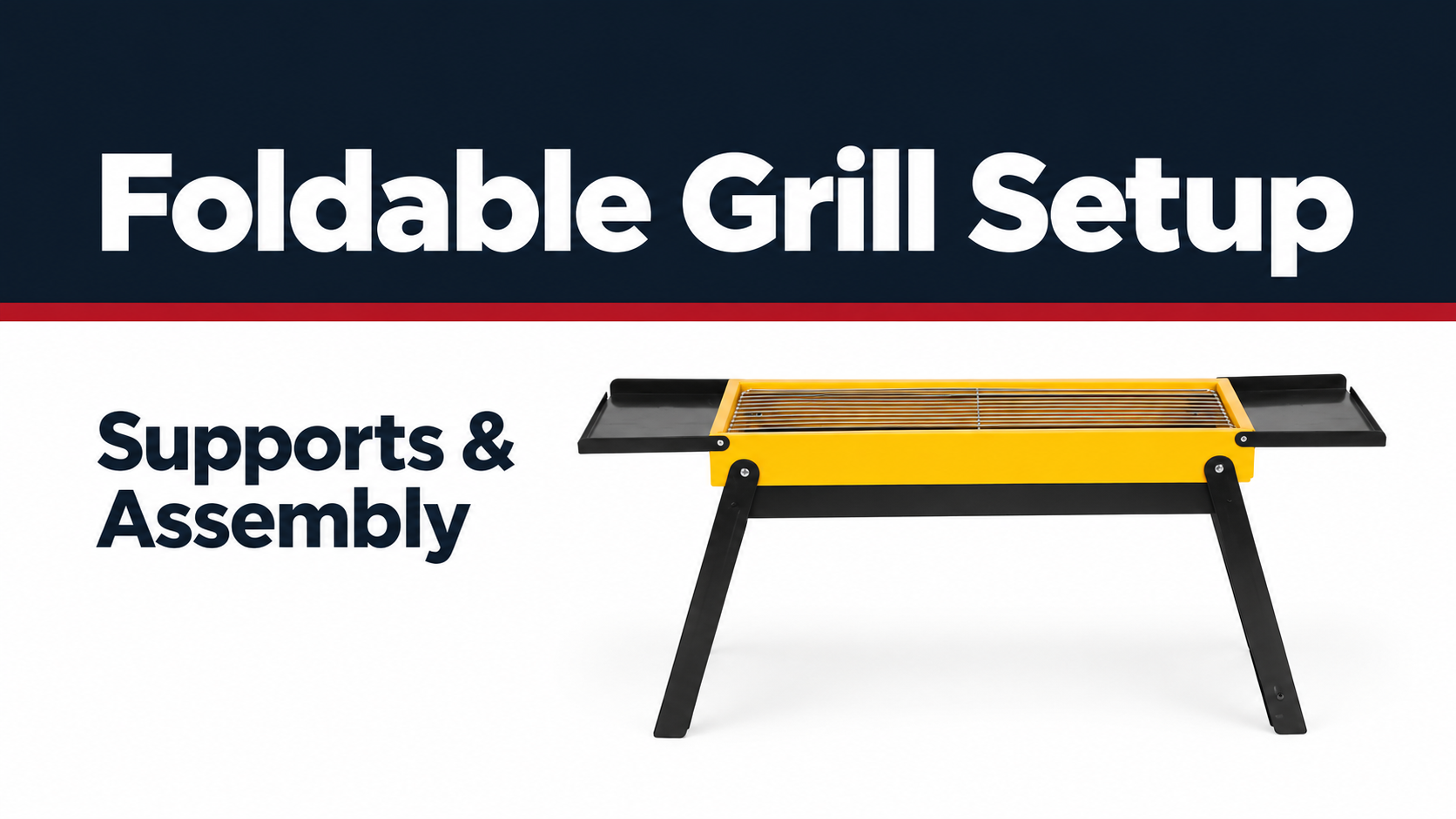
Unfold the exact model being quoted
The foldable charcoal grill collection is a starting point for selecting a model. Ask the supplier for the applicable assembly sequence and identify the sample against the quotation. Similar-looking grills may use different support details, and instructions copied from another version can conceal the very feature the buyer needs to review.
Open the sample in the order described by the supplier, without fuel or heat. Note which pieces move independently and whether any parts must be fitted separately. A reviewer should not need to guess which surface is intended to face upward or whether a support has reached its final position.
Record the arrangement with clear photographs of the relevant joints and supports. The purpose is to document the approved model, not to invent an alternative assembly technique. If the sequence is unclear, request clarification from the manufacturer before conducting further review or writing consumer instructions.
Look for an identifiable finished position
A folding support can appear open before it is correctly engaged. Ask the supplier how the user is expected to recognise the intended position. Depending on the design, the answer may involve geometry, a stop, a locking detail or a separate fastener. Do not describe an unverified feature as a safety lock.
Review all supports rather than only the one visible in the main product photograph. Check whether the same action applies on both sides and whether a removable cooking component must be fitted before the assembly is complete. The review record should distinguish between folding movement and a detachable component that requires separate handling.
| Setup point | What the buyer should establish | Instruction implication |
|---|---|---|
| Unfolding order | Which part moves first | Show the sequence for this model |
| Support position | How full engagement is recognised | Include a clear close-up if needed |
| Loose components | Which parts require separate fitting | Match the parts list to the carton |
| Surface contact | Intended support arrangement | State the manufacturer's placement guidance |
| Folding for storage | Required cooling and reverse sequence | Keep storage guidance distinct from setup |
Review the placement guidance with the product
A charcoal grill needs the manufacturer's guidance for outdoor use and a suitable location. Review how that guidance appears in the manual and retail listing. The folding feature does not remove the need to consider heat, nearby combustible materials and the stability of the supporting surface.
Do not use an indoor scene simply because it makes an attractive product photograph. A sample-review checklist should also avoid implying that a grill can be used safely in an enclosed area. Where the instructions specify clearances or placement restrictions, retain those model-specific requirements accurately rather than replacing them with a general marketing statement.
This purchasing review is not a hot-use test procedure. Any operational evaluation should follow an agreed method with suitable facilities and competent personnel. Buyers should request relevant evidence for claimed performance instead of improvising fuel loads or stability challenges on an office sample.
Make instructions visible at the right moment
A folded product can hide important details. If the user needs to inspect a joint or fit a support before adding other components, show that step before the next illustration obscures it. Instructions become easier to follow when each image answers one practical question about the assembly.
Check that the terminology is consistent. If the parts list calls an item a support brace, the setup steps should not refer to it by an unrelated name. Use the actual supplied components in photography. Optional accessories should not appear as necessary assembly parts unless their inclusion is clearly stated.
- Compare the complete carton contents with the model-specific parts list.
- Follow the documented sequence on a cold, unused sample.
- Photograph the intended positions of supports and any removable pieces.
- Identify unclear actions for supplier clarification.
- Check that setup, use and storage instructions remain separate and complete.
The reverse sequence deserves attention as well. Storage instructions should explain that the grill must be cool and handled according to the manufacturer's guidance. A retail promise about quick packing should not encourage users to fold a hot product or place residual fuel inside a closed carrying package.
Preserve the approved support arrangement
Once the sample and instructions are agreed, keep the support details in the approval record. If a later production revision changes a joint, fastener or folding sequence, the accompanying instructions may need revision too. Treat the mechanical change and the information change as one review item.
At receiving, compare identifiable features against the approved reference and the agreed inspection plan. A visual check can find a missing component or obvious mismatch, but it cannot establish every aspect of mechanical durability. Keep any test requirement separate, with its own method and acceptance basis.
For foldable grill programmes, careful setup review gives the product story a practical foundation. The compact package remains a selling point, while the approved sample, support arrangement and instructions explain how the product reaches the usable form the customer expects.
Contact Us Now
Related products
-
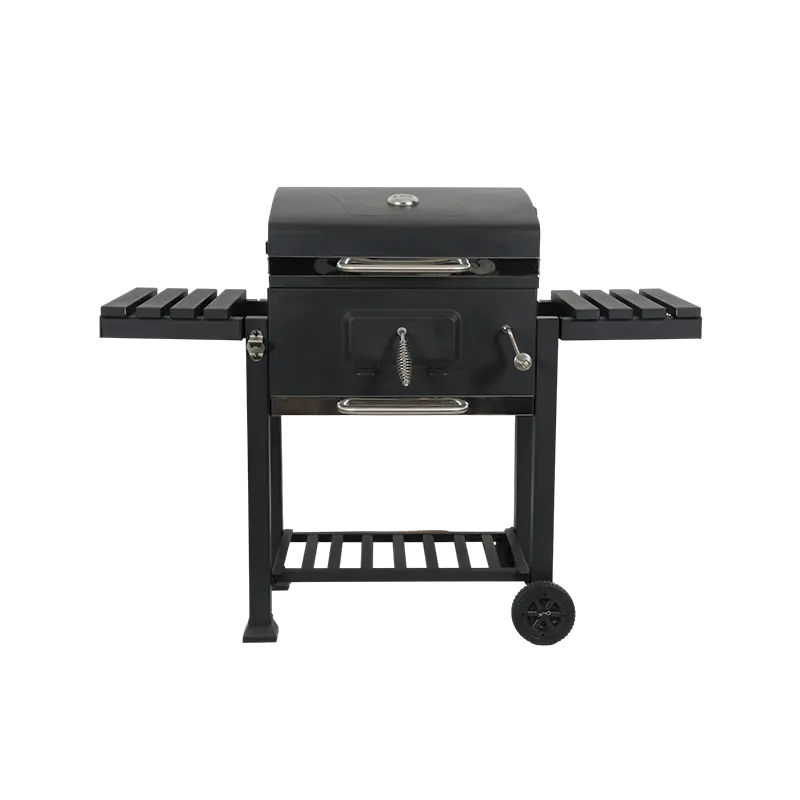 Garden Patio American Style Trolley Charcoal Smoker Grill Square Furnace
-
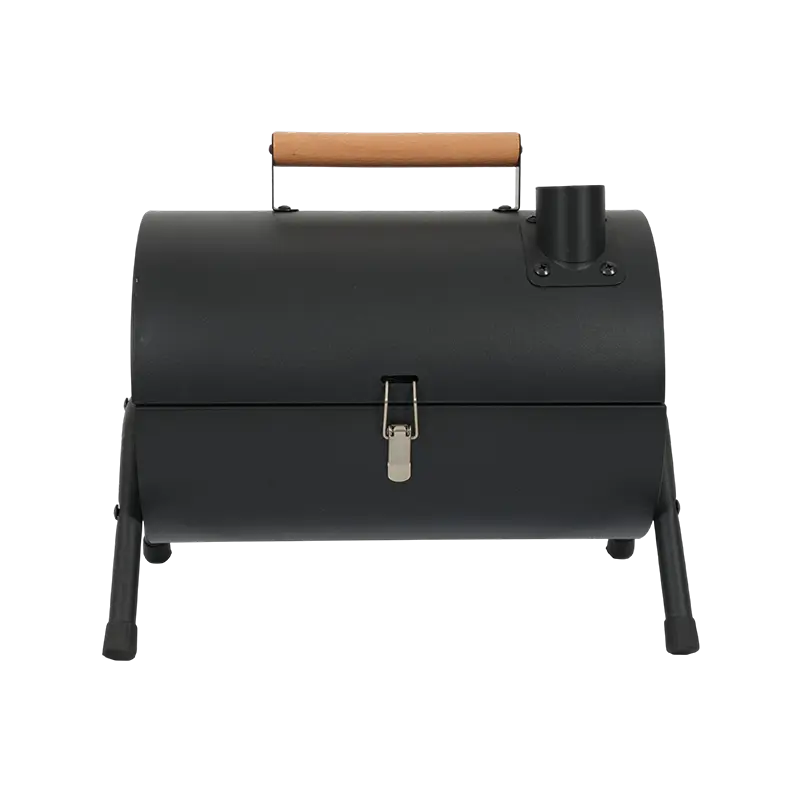 Tabletop Portable Double Sided Charcoal BBQ Grill Roaster
This compact and portable charcoal grill is designed for outdoor barbecue enthusiasts, easily handli...
-
 Multifunctional Campfire Tea Cooking Outdoor Portable Charcoal Grill
Scene Adaptability: Designed for outdoor enthusiasts, suitable for camping, picnics, caravan parties...
-
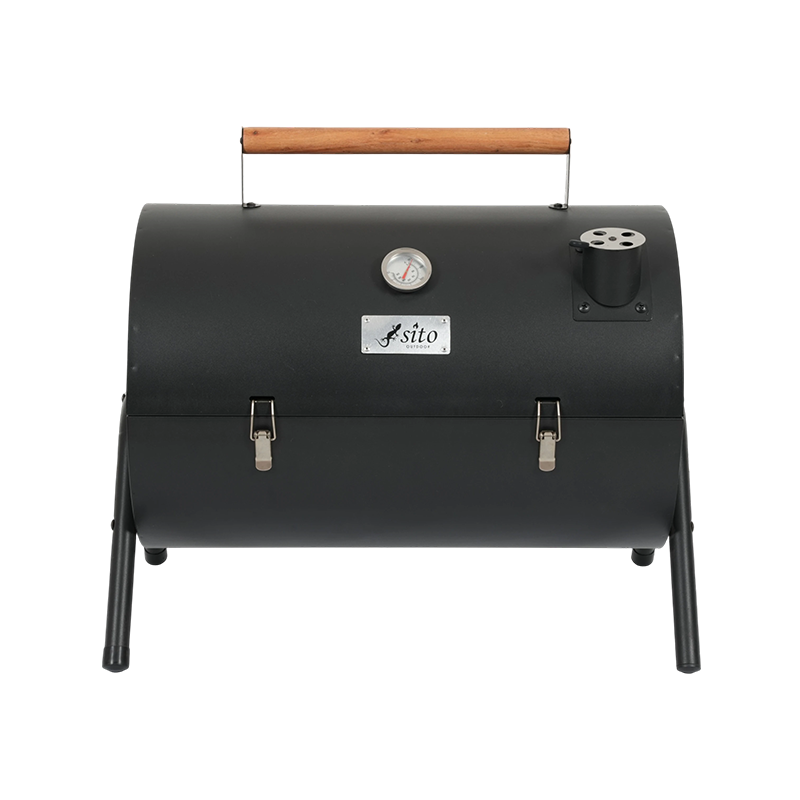 Wooden Handle Portable Tabletop Charcoal Roaster Grill
This portable grill is designed for outdoor barbecue enthusiasts and is perfect for camping trips, p...
-
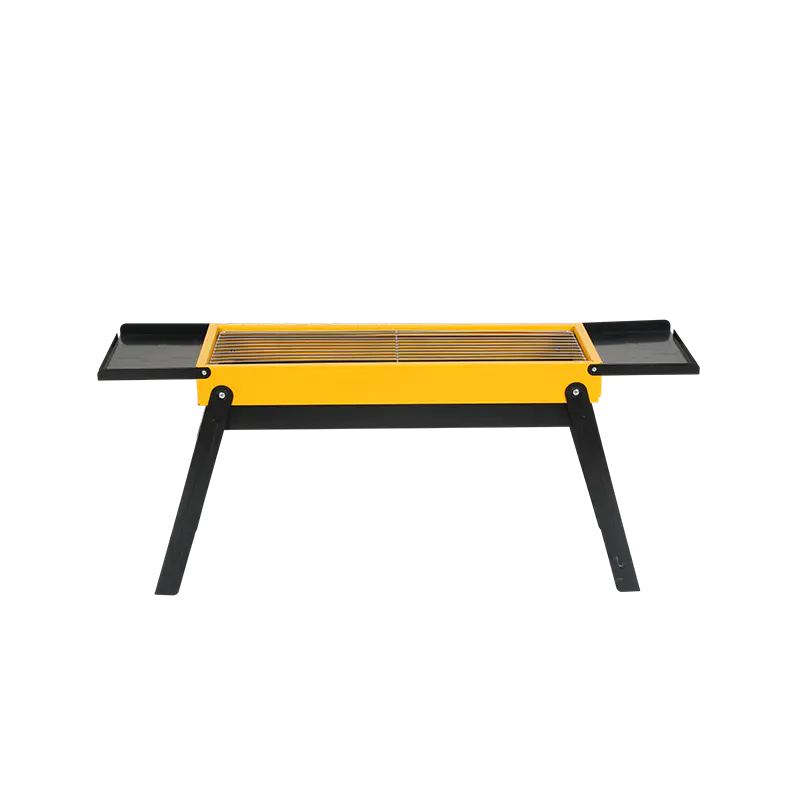 Portable Folding Outdoor Camping Charcoal Barbecue Grill
This portable, foldable outdoor camping charcoal grill is compact yet powerful, making it a great ch...
-
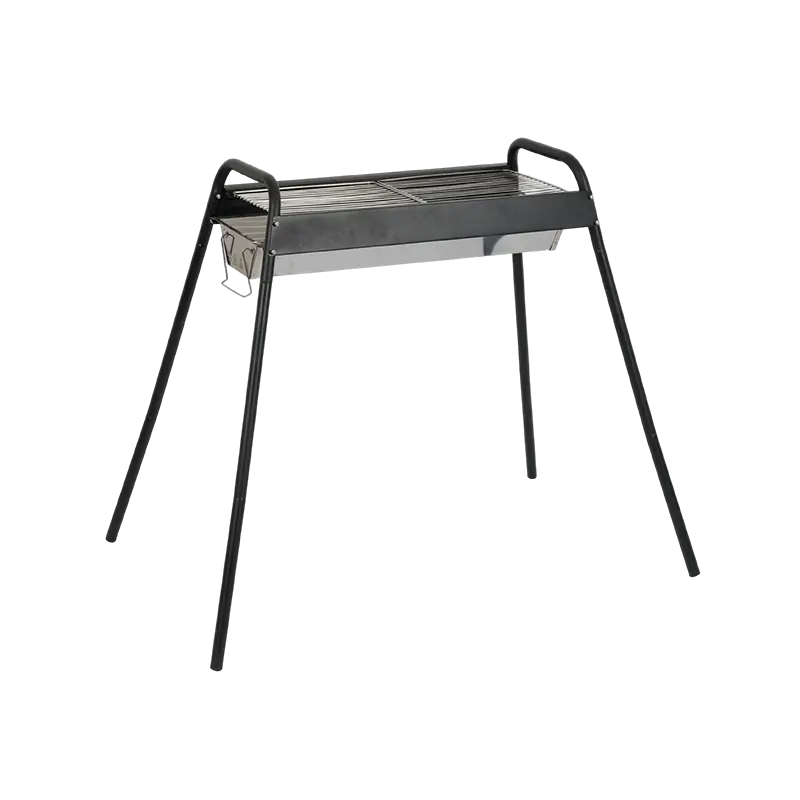 Outdoor Garden Portable Folding Charcoal Barbecue Grill
This portable, folding charcoal grill, designed specifically for outdoor BBQ enthusiasts, is perfect...

We are committed to integrity and quality, and we serve our customers with our professional oven manufacturing knowledge.
Phone: +86-13735628111
E-mail: [email protected]
Add: No.17 Ying Bin Road, Qing Xi Industry Zone, Xiang Zhu Town, Yongkang city,Zhenjiang province, China
Copyright © Yongkang Tongde Industry & Trade Co., Ltd. Rights
Reserved.

Outdoor BBQ Grill Manufacturer