
 English
 عربى
 Español

This American-style trolley-mounted charcoal grill is designed for garden and patio barbecue enthusi...

Charcoal Grill Ash Management: Design for Cleaning After Cooking
Author: Admin
Date: Oct 16,2026
The grilling session ends before the product's work is finished. Ash, grease and food residue remain, and the user still needs to cool, clean and store the equipment. A grill that is convenient to cook on can become frustrating if its ash tray is difficult to reach or if residue accumulates around folding parts.
For importers and outdoor-product distributors, charcoal grill ash management belongs in the design review. It affects everyday use, the clarity of instructions and the condition in which the grill is stored. Evaluating this route on a complete sample provides more useful information than judging cleanliness from a new product photograph.
Distinguish ash from food residue
Charcoal ash forms in the fuel area, while grease and food particles collect on cooking surfaces and other exposed parts. These materials may follow different paths through the grill. The cleaning arrangement should reflect where they gather instead of treating every removable part as one common waste container.
Look at the fuel grate, cooking grate, firebox and any collection tray separately. Identify which pieces are designed to be removed and how the instructions describe cleaning them. A tray shown beneath the firebox does not automatically establish that all residue will fall into it.
On a sample, inspect corners and seams that may retain debris. Small openings can also collect ash. The objective is to understand the complete geometry and access, not to claim that one visual inspection proves performance under every fuel and cooking condition.
Understand the airflow relationship
Charcoal requires air to burn. Openings and the arrangement beneath the fuel influence how air reaches the bed. As ash accumulates, it can obstruct some of that space, so an apparently separate cleaning issue can affect the cooking experience.
The intended fuel arrangement matters. Compare the manufacturer's instructions with the position of the fuel grate and the openings. Users should not have to guess whether charcoal belongs directly on a tray or on a supported grate above it.
Avoid advertising a universal temperature response from vent appearance alone. Actual cooking conditions depend on fuel, weather, loading and the grill's configuration. Product development should connect the intended airflow arrangement with a suitable evaluation, while retail instructions explain the approved use clearly.
Evaluate a removable ash tray as an assembly
A removable ash tray is useful only if it can be handled as intended. Review its support, stops and removal direction in the installed condition. A tray that slides easily when empty may be harder to manage when containing cold residue.
Consider where the user stands during removal and whether another component must be lifted first. The procedure should keep hands away from sharp edges and should not depend on balancing a loose tray against a leg. Record the actual sequence for the model rather than copying instructions from a visually similar grill.
Check how the tray returns to its working position. Its engagement should be understandable, especially where it sits underneath the firebox and is difficult to view. If the model has a retaining component, include it in the parts list and illustrate its correct position.
Review the complete cleaning route
When comparing foldable barbecue grills, charcoal grill cleaning access should include the hinges, leg joints and spaces behind removable panels. Compactness does not eliminate the need to reach areas exposed to debris. A folded product can conceal residue that was visible while open.
Prepare a model-specific sequence showing cooling, removal of permitted parts, cleaning and reassembly. State which cleaning methods are allowed for each material and finish. A generic instruction to wash everything may be unsuitable for some components.
Do not suggest abrasive tools, strong chemicals or immersion without the manufacturer's guidance. Coatings, hardware and other materials can have different care requirements. The purchasing review should resolve missing instructions before the product reaches a retailer's customer service team.
Keep cooling instructions explicit
The US Consumer Product Safety Commission warns against using charcoal inside enclosed spaces because it produces carbon monoxide. Its guidance also notes that coals take a long time to burn out completely. These points remain relevant after the food has been removed.
A portable grill should therefore not be presented as ready to carry indoors simply because cooking has stopped. The manufacturer's instructions must explain how to manage the product until the charcoal is fully extinguished and the equipment is safe to handle. Follow applicable local disposal guidance for completely cold residue.
Do not turn the presence of a lid or a tray into a promise that embers are harmless. The retail content should communicate the approved shutdown procedure and storage conditions. Outdoor-only use should remain clear in photographs and copy, including marketing aimed at camping customers.
Separate dry storage from immediate cleanup
After permitted cleaning, follow the manufacturer's drying and storage guidance. Residual water in seams or around hardware can complicate storage, while retained ash leaves the user uncertain about the product's condition. Care instructions should connect the final cleaning step to the intended storage state.
For a folding model, explain which parts must be reinstalled before folding and which are stored separately. A loose tray placed against a cooking surface may scratch a finish or leave dirt on it. Include any supplied bag or protection only where it belongs in the actual configuration.
An illustrative retail evaluation could compare two compact models with similar cooking area. One offers direct cold-tray access; the other requires removal of a side component. Neither arrangement is automatically unacceptable, but their user instructions and handling experience differ.
Turn the review into usable retail information
Keep a reference sample and approved cleaning sequence for each product code. Link the instructions to the actual parts list and supplied accessories. If the tray or retention arrangement changes, review the effect on the instructions rather than treating it as an invisible factory revision.
Product copy can explain removable parts and care access without claiming maintenance-free use. A clear illustration is often more useful than a broad easy-clean label. The buyer gains a specific description, and the customer receives instructions that match the product in the carton.
The strongest ash-management design connects airflow, access and safe handling throughout the full use cycle. Review the cold cleaning route, document the approved shutdown procedure and keep the storage instructions model-specific. These practical details help a charcoal grill remain understandable after its first cooking session.
Contact Us Now
Related products
-
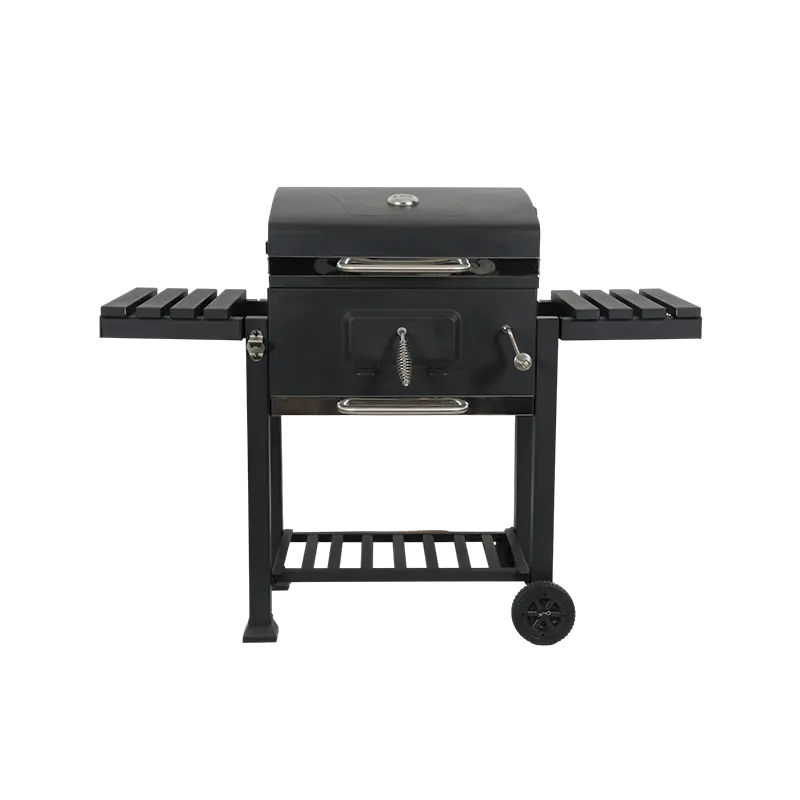 Garden Patio American Style Trolley Charcoal Smoker Grill Square Furnace
-
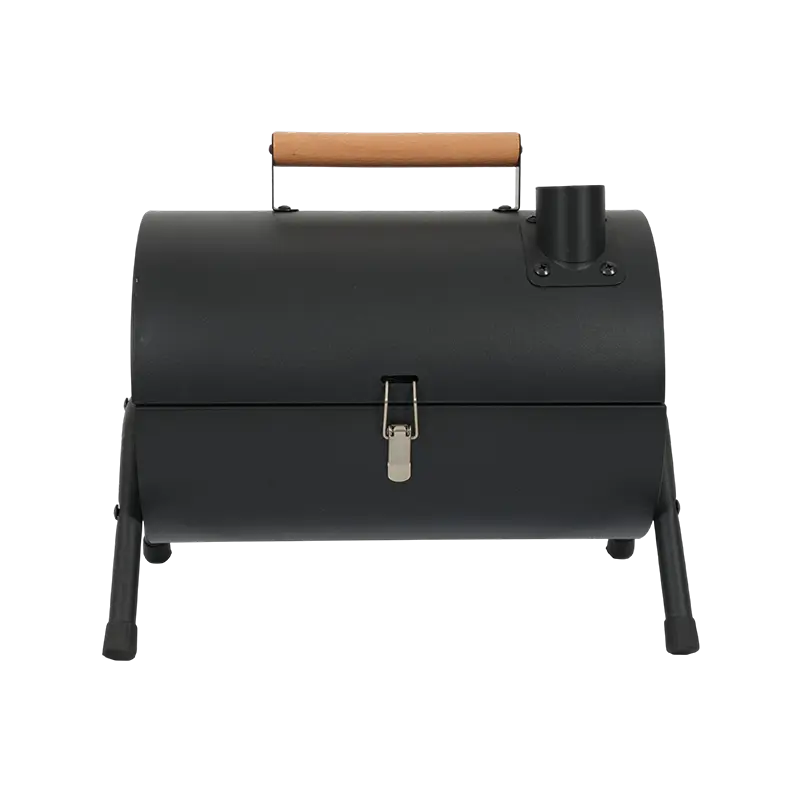 Tabletop Portable Double Sided Charcoal BBQ Grill Roaster
This compact and portable charcoal grill is designed for outdoor barbecue enthusiasts, easily handli...
-
 Multifunctional Campfire Tea Cooking Outdoor Portable Charcoal Grill
Scene Adaptability: Designed for outdoor enthusiasts, suitable for camping, picnics, caravan parties...
-
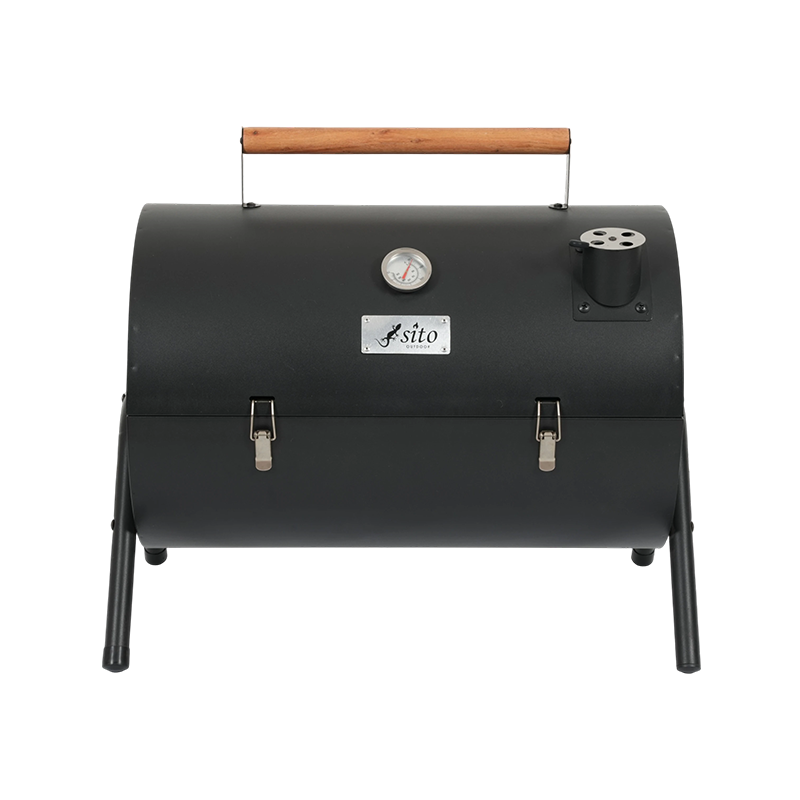 Wooden Handle Portable Tabletop Charcoal Roaster Grill
This portable grill is designed for outdoor barbecue enthusiasts and is perfect for camping trips, p...
-
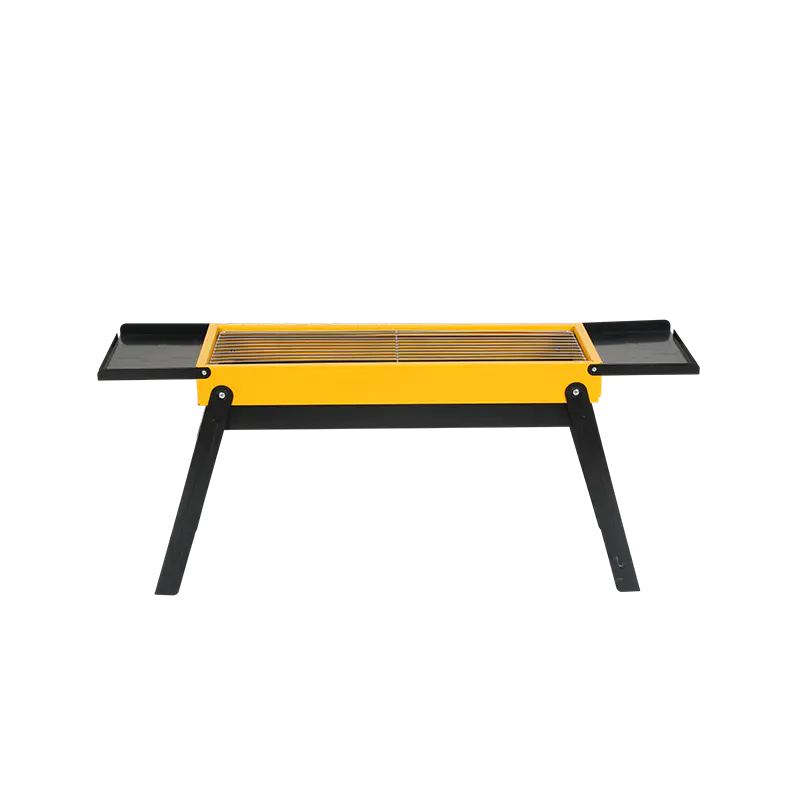 Portable Folding Outdoor Camping Charcoal Barbecue Grill
This portable, foldable outdoor camping charcoal grill is compact yet powerful, making it a great ch...
-
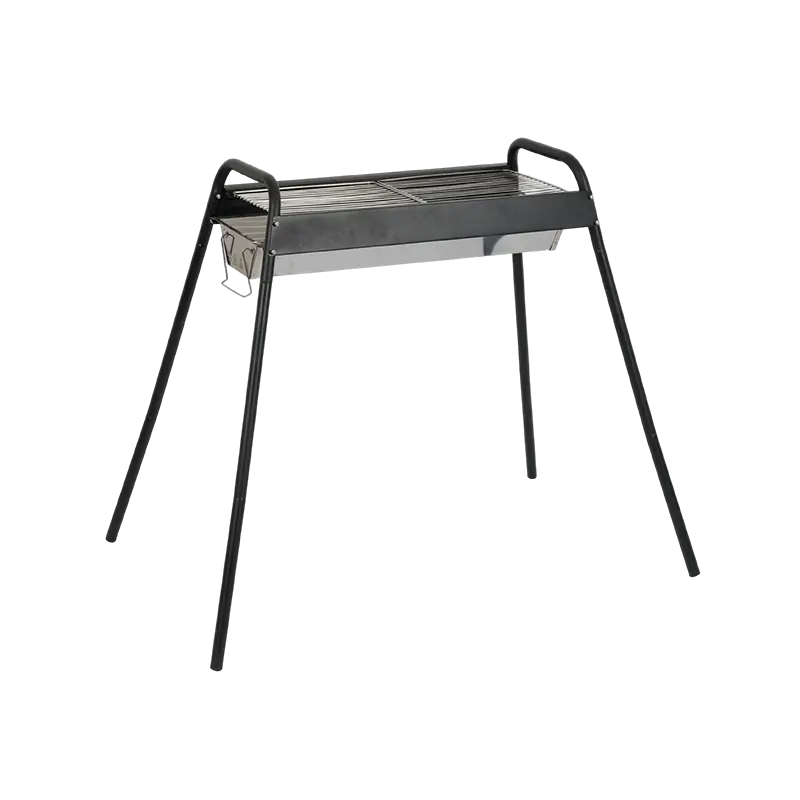 Outdoor Garden Portable Folding Charcoal Barbecue Grill
This portable, folding charcoal grill, designed specifically for outdoor BBQ enthusiasts, is perfect...

We are committed to integrity and quality, and we serve our customers with our professional oven manufacturing knowledge.
Phone: +86-13735628111
E-mail: [email protected]
Add: No.17 Ying Bin Road, Qing Xi Industry Zone, Xiang Zhu Town, Yongkang city,Zhenjiang province, China
Copyright © Yongkang Tongde Industry & Trade Co., Ltd. Rights
Reserved.

Outdoor BBQ Grill Manufacturer