
 English
  عربى
عربى  Español
This American-style trolley-mounted charcoal grill is designed for garden and patio barbecue enthusi...

Temperature Control in Outdoor Fire Pit Grills
Author: Admin
Date: Apr 10,2026
Introduction to Fire Pit Grill Temperature Control
An Outdoor Fire Pit Grill Manufacturer designs grills that combine the warmth and ambiance of a fire pit with the functionality of a cooking surface. One of the critical aspects of these grills is their temperature control performance. Proper temperature regulation ensures evenly cooked food, prevents burning, and enhances the overall outdoor cooking experience.
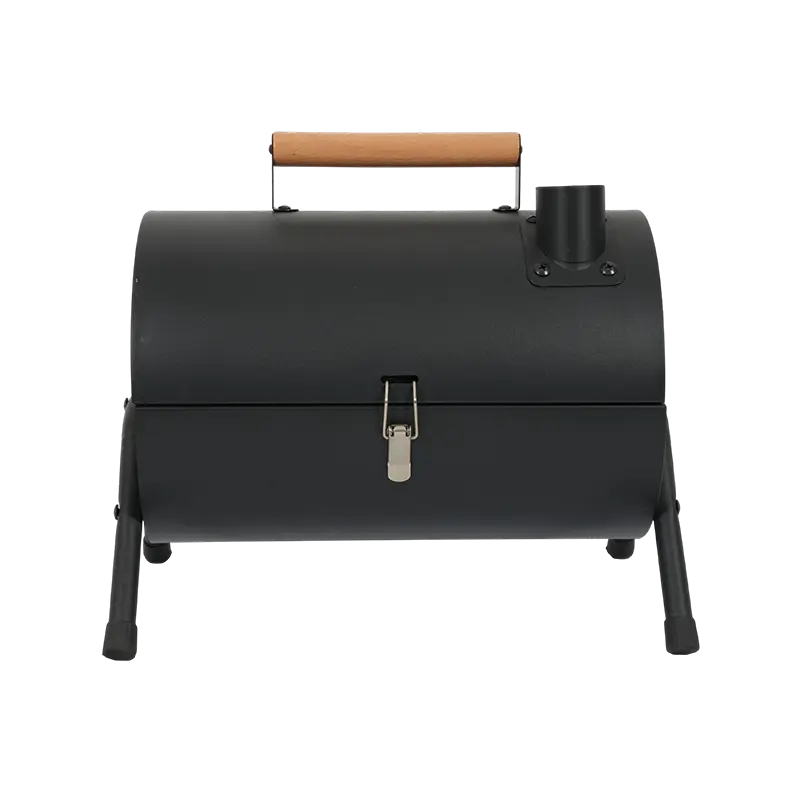
Factors Affecting Temperature Control
- Fuel Type: The type of fuel used—charcoal, wood, or pellets—directly affects temperature stability. Charcoal burns consistently but may require adjustments, while wood can provide higher heat but fluctuates more depending on the size and moisture content of the logs.
- Great Material and Design: Heavy-duty steel or cast iron grates retain heat longer and distribute it evenly. Perforated or adjustable grates allow for better control over direct and indirect cooking zones.
- Airflow Management: Adjustable vents or airflow channels help regulate oxygen supply, controlling combustion rate and heat output.
Methods for Controlling Temperature
- Adjustable Grates: Many outdoor fire pit grills feature height-adjustable grates. Raising the cooking surface reduces heat intensity, while lowering it increases cooking temperature.
- Vents and Dampers: Open vents allow more oxygen to reach the fire, raising the temperature. Closing vents restricts airflow, reducing heat and slowing fuel consumption.
- Fire Management: Distributing charcoal or wood evenly and adding fuel incrementally enables gradual heat increases, preventing sudden temperature spikes.
- Heat Shields and Deflectors: Some grills include built-in shields that reflect heat toward the food or diffuse flames, creating more stable cooking temperatures.
Temperature Zones for Cooking
- Direct Heat Zones: Ideal for searing and grilling foods quickly, these areas are positioned directly over the fire.
- Indirect Heat Zones: Slightly offset from the main flame, these zones maintain lower temperatures for slow cooking, smoking, or warming dishes.
- Rotational Cooking Options: Some fire pit grills allow rotisserie or adjustable skewers, providing controlled cooking speed and even heat distribution.
Monitoring Temperature
- Built-in Thermometers: Many outdoor fire pit grills feature analog or digital thermometers integrated into the lid or cooking surface, allowing users to monitor internal temperature without lifting the grate.
- Infrared Thermometers: Handheld infrared devices provide precise surface temperature readings, helping users adjust fuel or airflow as needed.
- Visual Cues: Experienced users often rely on visual indicators, such as flame intensity and charcoal glow, to estimate temperature levels during cooking.
Environmental Factors
- Wind and Weather Conditions: Wind can increase oxygen supply, causing flames to flare up, while cold or damp conditions may reduce heat output. Proper placement and windbreaks help maintain temperature stability.
- Ambient Temperature: Outdoor cooking in bad heat or cold affects fuel burn rate and heat retention, requiring adjustments in fuel quantity or grate height.
- Surface Insulation: Some fire pit grills include sidewalls or insulation that reduces heat loss and promotes even cooking.
Maintenance for Consistent Temperature
- Cleaning the Grill Surface: Grease and ash buildup can create hot spots or block airflow, impacting heat distribution. Regular cleaning ensures consistent performance.
- Inspecting Airflow Controls: Vents, dampers, and dampers must be free of debris to maintain precise airflow and combustion control.
- Checking Grate Condition: Warped or damaged grates may cause uneven cooking. Regular inspection and replacement maintain suitable temperature regulation.
- Fuel Storage: Dry, seasoned wood or properly stored charcoal ensures predictable combustion and stable heat.
The temperature control performance of an Outdoor Fire Pit Grill is influenced by fuel type, grate design, airflow management, environmental factors, and proper maintenance. An Outdoor Fire Pit Grill Manufacturer incorporates adjustable grates, vents, heat shields, and monitoring tools to provide precise temperature management.
Contact Us Now
Related products
-
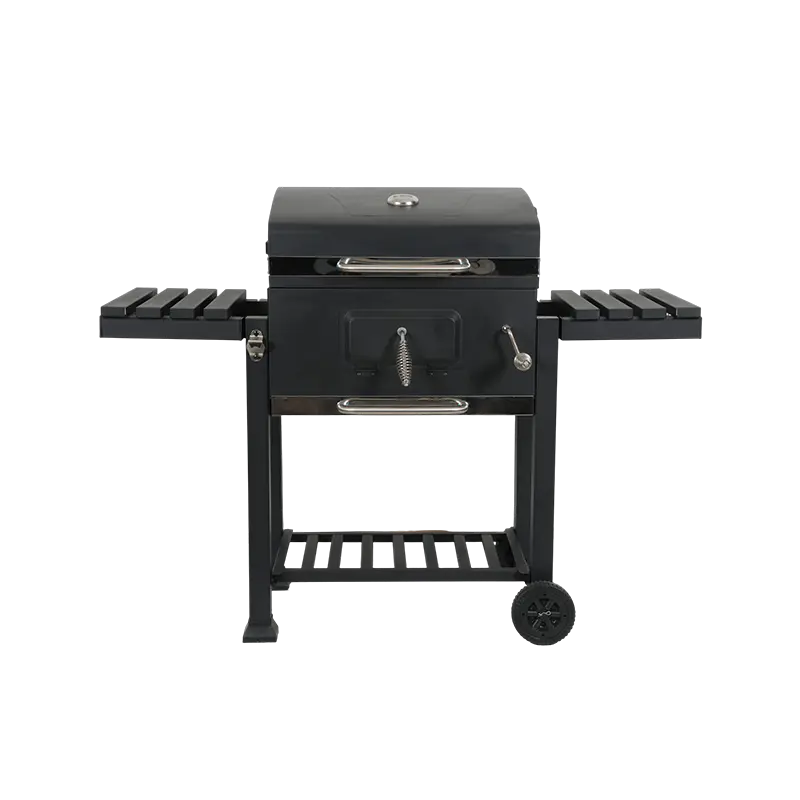 Garden Patio American Style Trolley Charcoal Smoker Grill Square Furnace
 -
Tabletop Portable Double Sided Charcoal BBQ Grill Roaster
This compact and portable charcoal grill is designed for outdoor barbecue enthusiasts, easily handli...
-
 Multifunctional Campfire Tea Cooking Outdoor Portable Charcoal Grill
Scene Adaptability: Designed for outdoor enthusiasts, suitable for camping, picnics, caravan parties...
-
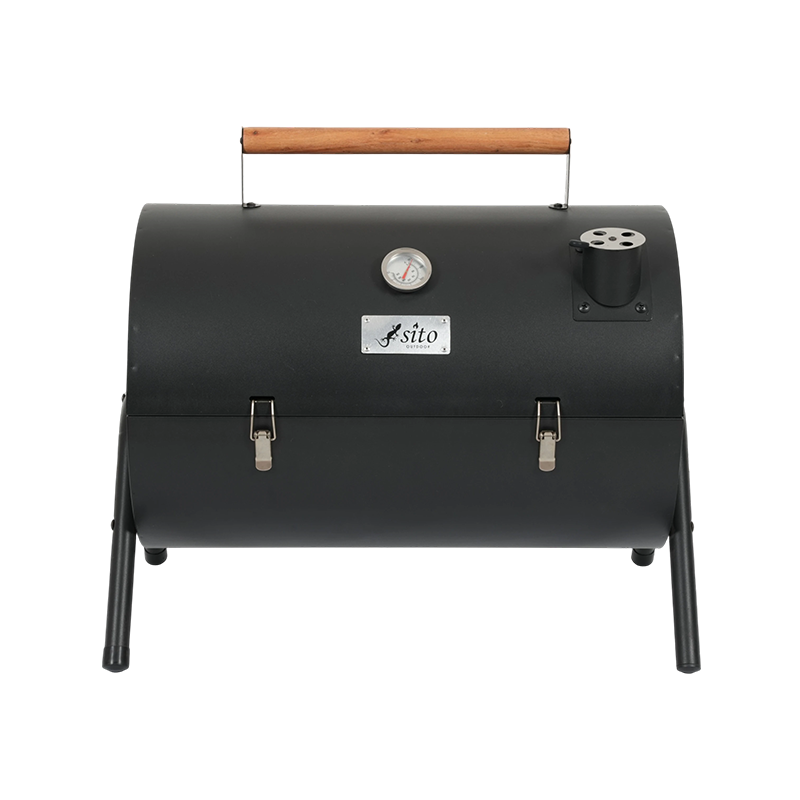 Wooden Handle Portable Tabletop Charcoal Roaster Grill
This portable grill is designed for outdoor barbecue enthusiasts and is perfect for camping trips, p...
-
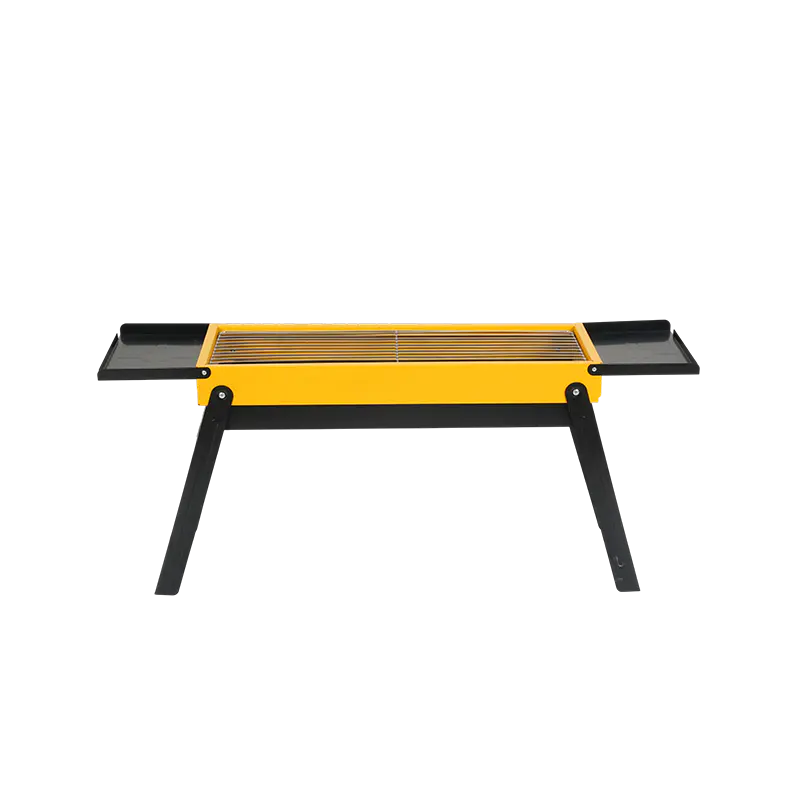 Portable Folding Outdoor Camping Charcoal Barbecue Grill
This portable, foldable outdoor camping charcoal grill is compact yet powerful, making it a great ch...
-
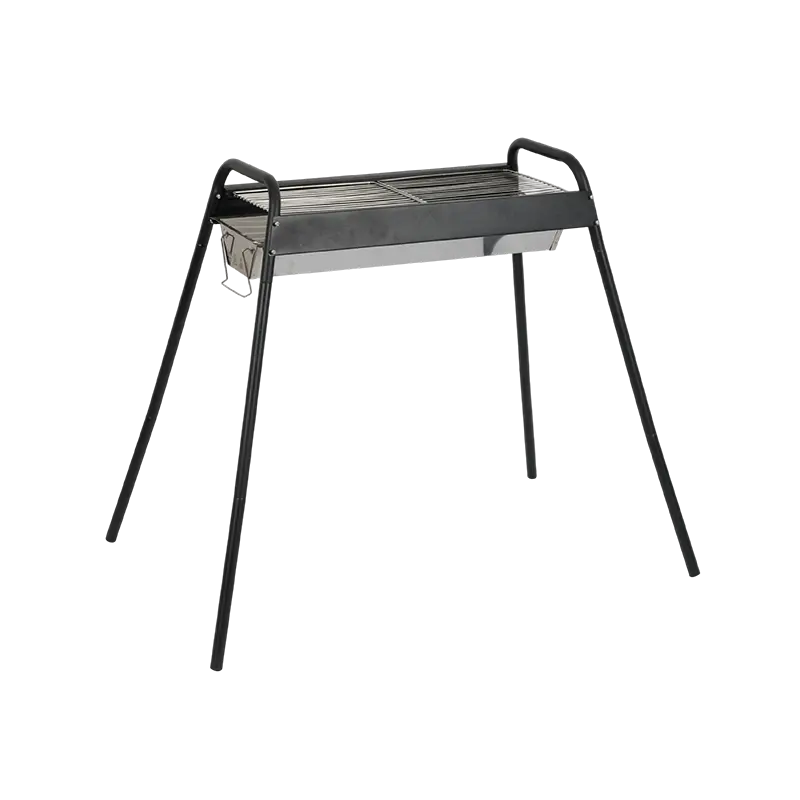 Outdoor Garden Portable Folding Charcoal Barbecue Grill
This portable, folding charcoal grill, designed specifically for outdoor BBQ enthusiasts, is perfect...

We are committed to integrity and quality, and we serve our customers with our professional oven manufacturing knowledge.
Phone: +86-13735628111
E-mail: [email protected]
Add: No.17 Ying Bin Road, Qing Xi Industry Zone, Xiang Zhu Town, Yongkang city,Zhenjiang province, China
Copyright © Yongkang Tongde Industry & Trade Co., Ltd. Rights
Reserved.

Outdoor BBQ Grill Manufacturer