
 English
  عربى
عربى  Español
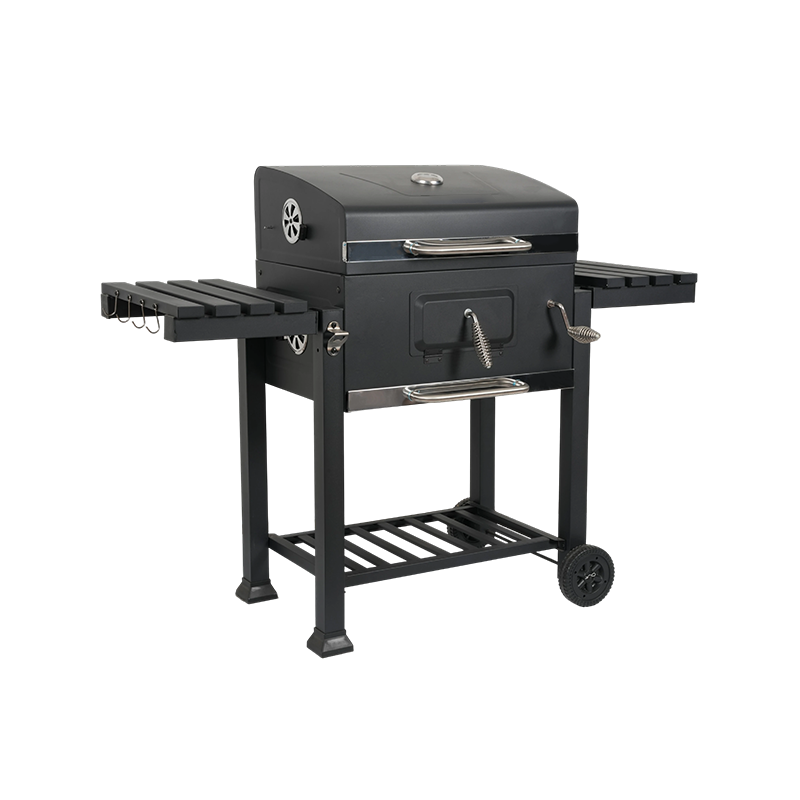
This American-style trolley-mounted charcoal grill is designed for garden and patio barbecue enthusi...

Heat Distribution in Garden Patio Square Furnace Grills
Author: Admin
Date: Apr 24,2026
Introduction to Garden Patio Square Furnace Grills
A Garden Patio Square Furnace Grill combines outdoor cooking functionality with aesthetic appeal for patios and garden spaces. One of the key performance aspects of such grills is heat distribution. Even heat distribution ensures that food is cooked consistently, prevents burning or undercooking, and enhances the overall grilling experience.
Factors Affecting Heat Distribution
- Grill Material: The material of the grill body and cooking surface significantly affects heat conduction. Heavy-duty steel and cast iron retain heat longer and distribute it evenly, while aluminum may heat quickly but may also create hot spots.
- Shape and Design: Square grills offer certain advantages in heat distribution. The corners and edges need to be considered carefully, as poorly designed corners can create uneven heating.
- Fuel Placement: Where charcoal or wood is positioned affects how heat radiates across the cooking surface. Evenly spaced fuel promotes uniform temperature zones.
Design Features That Promote Uniform Heat
- Multi-Zone Cooking Surface: Many square furnace grills incorporate different heat zones, allowing direct and indirect cooking simultaneously. This design reduces the chance of overcooked or undercooked food.
- Removable Grates: Grates with adjustable heights allow users to control the distance between the food and the heat source, balancing high and low-temperature areas.
- Heat Diffusers: Built-in plates or lava rocks can absorb and spread heat, reducing hot spots and creating a more uniform grilling surface.
Airflow and Ventilation
- Adjustable Vents: Proper ventilation ensures adequate oxygen supply to the fire, controlling combustion and heat output.
- Even Airflow: Uneven airflow can cause temperature inconsistencies. Strategically placed vents around the square grill body help maintain consistent heat across the cooking surface.
- Wind Protection: Patio grills may be exposed to outdoor breezes. Wind guards or side panels can reduce uneven cooling caused by drafts.
Fuel Considerations
- Charcoal Distribution: Spreading charcoal evenly in a square furnace ensures heat covers the entire surface. Clumping fuel can create badly hot zones while leaving other areas cool.
- Wood Burning: When using wood, splitting logs into uniform sizes promotes consistent burning, preventing uneven temperatures.
- Fuel Quantity: Too little fuel may cause cold spots, while excessive fuel can overheat sections of the grill, creating inconsistent cooking conditions.
Monitoring Heat Distribution
- Built-in Thermometers: Some grills include thermometers positioned at different points on the surface to monitor temperature variations.
- Infrared Thermometers: Handheld devices allow precise measurement of surface temperatures, helping identify hot and cold zones.
- Test Cooking: Experienced users often perform test runs with water or bread to evaluate temperature uniformity before cooking meals.
Maintenance for Consistent Heat
- Cleaning Grates: Accumulated grease and debris can obstruct heat transfer, causing uneven cooking. Regular cleaning ensures suitable heat distribution.
- Ash Removal: Excess ash can block airflow under the fuel, causing temperature fluctuations. Removing ash after each use maintains consistent combustion.
- Inspection of Components: Checking for warping or damage to grates, diffusers, and the grill body prevents uneven heating caused by structural defects.
Benefits of Even Heat Distribution
- Consistent Cooking Results: Uniform heat ensures meat, vegetables, and other foods cook evenly, improving taste and texture.
- Reduced Risk of Burning: Reducing hot spots lowers the chance of charring or overcooking certain sections of food.
- Fuel Efficiency: Even heat requires less constant adjustment, conserving fuel and reducing smoke output.
- Enhanced Outdoor Experience: A well-designed grill with uniform heat distribution allows for a stress-free and enjoyable cooking session.
The performance of a Garden Patio Square Furnace Grill relies heavily on even heat distribution. Factors such as material choice, grill design, airflow, and fuel management play crucial roles in achieving uniform cooking temperatures. A Garden Patio Square Furnace Grill is designed with heat diffusers, adjustable grates, and ventilation systems to ensure food cooks consistently across the entire surface.
Contact Us Now
Related products
-
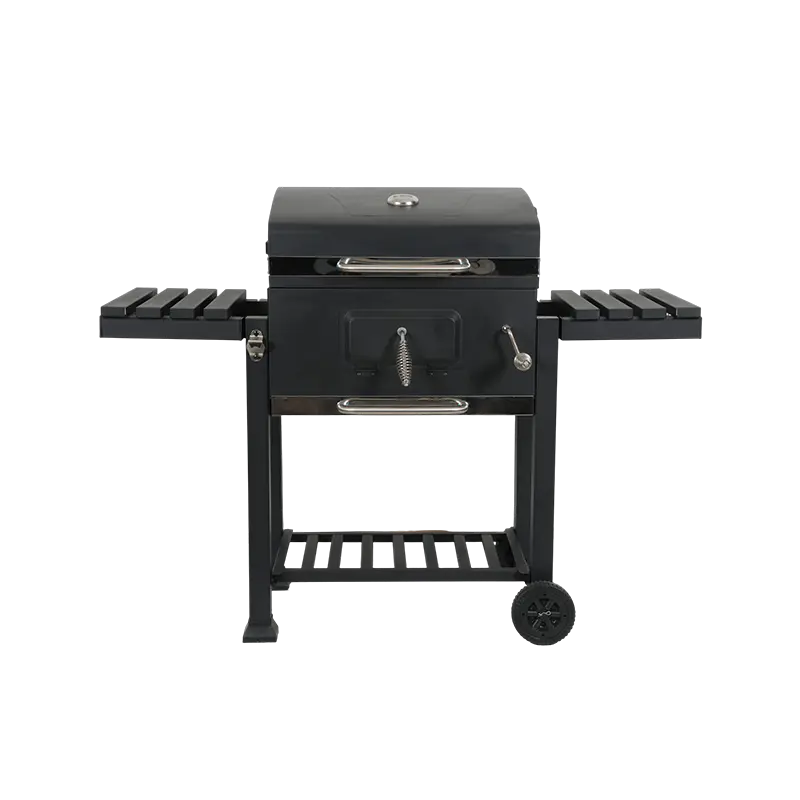 Garden Patio American Style Trolley Charcoal Smoker Grill Square Furnace
 -
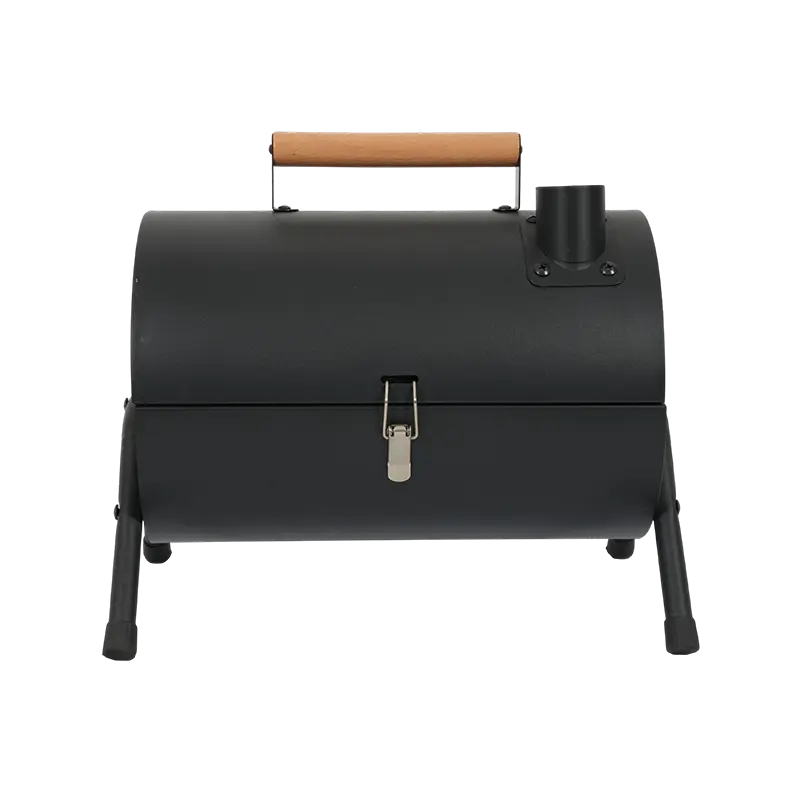 Tabletop Portable Double Sided Charcoal BBQ Grill Roaster
This compact and portable charcoal grill is designed for outdoor barbecue enthusiasts, easily handli...
-
 Multifunctional Campfire Tea Cooking Outdoor Portable Charcoal Grill
Scene Adaptability: Designed for outdoor enthusiasts, suitable for camping, picnics, caravan parties...
-
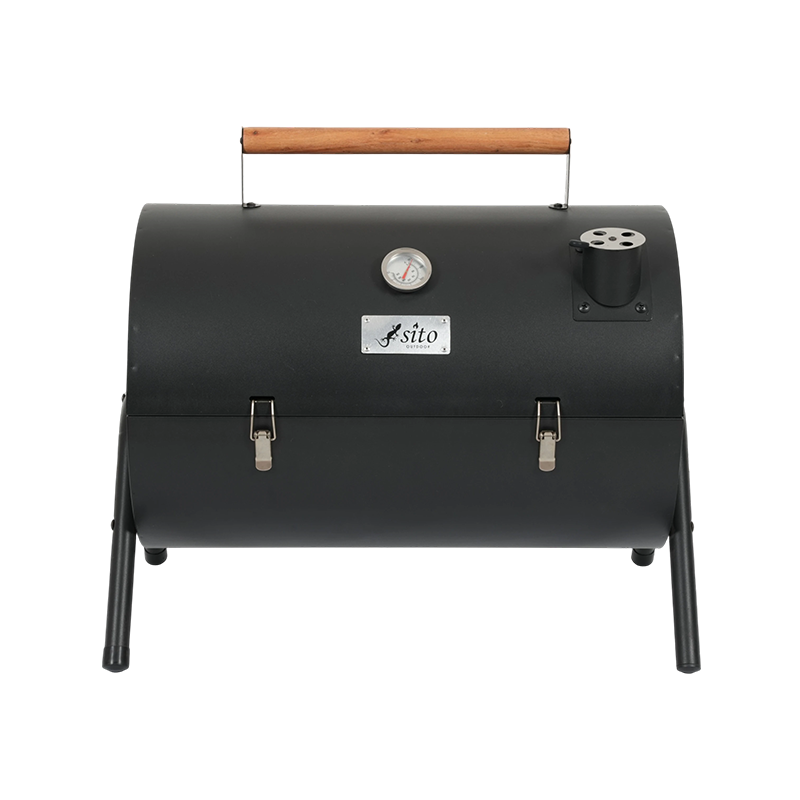 Wooden Handle Portable Tabletop Charcoal Roaster Grill
This portable grill is designed for outdoor barbecue enthusiasts and is perfect for camping trips, p...
-
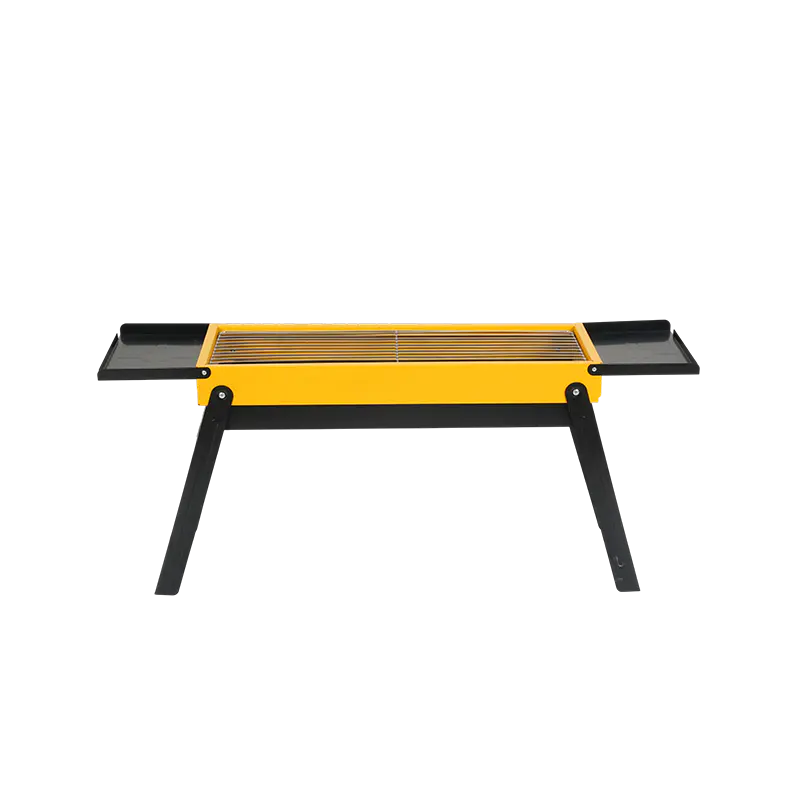 Portable Folding Outdoor Camping Charcoal Barbecue Grill
This portable, foldable outdoor camping charcoal grill is compact yet powerful, making it a great ch...
-
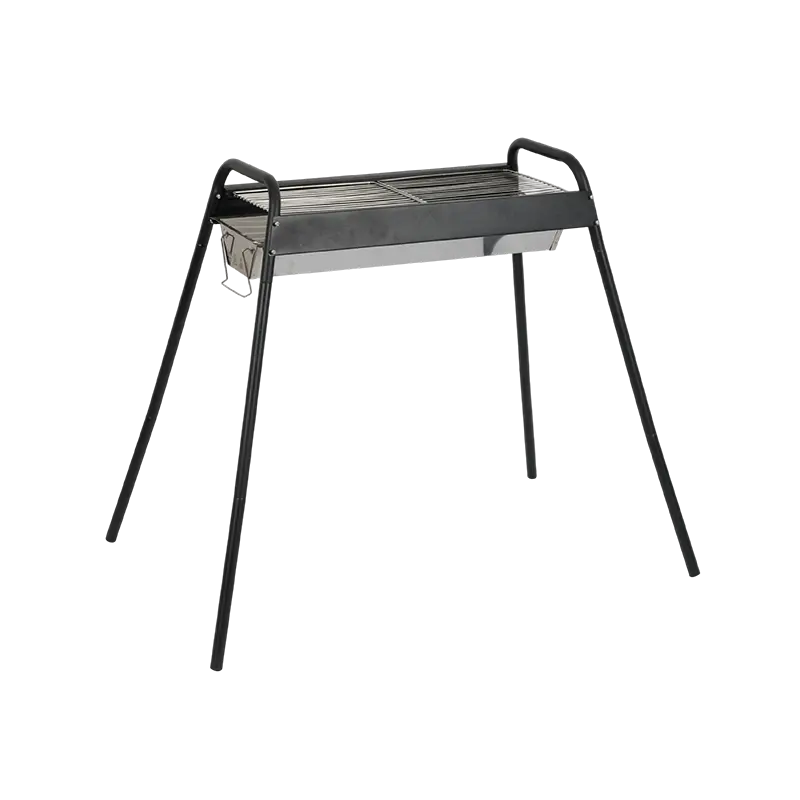 Outdoor Garden Portable Folding Charcoal Barbecue Grill
This portable, folding charcoal grill, designed specifically for outdoor BBQ enthusiasts, is perfect...

We are committed to integrity and quality, and we serve our customers with our professional oven manufacturing knowledge.
Phone: +86-13735628111
E-mail: [email protected]
Add: No.17 Ying Bin Road, Qing Xi Industry Zone, Xiang Zhu Town, Yongkang city,Zhenjiang province, China
Copyright © Yongkang Tongde Industry & Trade Co., Ltd. Rights
Reserved.

Outdoor BBQ Grill Manufacturer